Microbiology

Microbiology

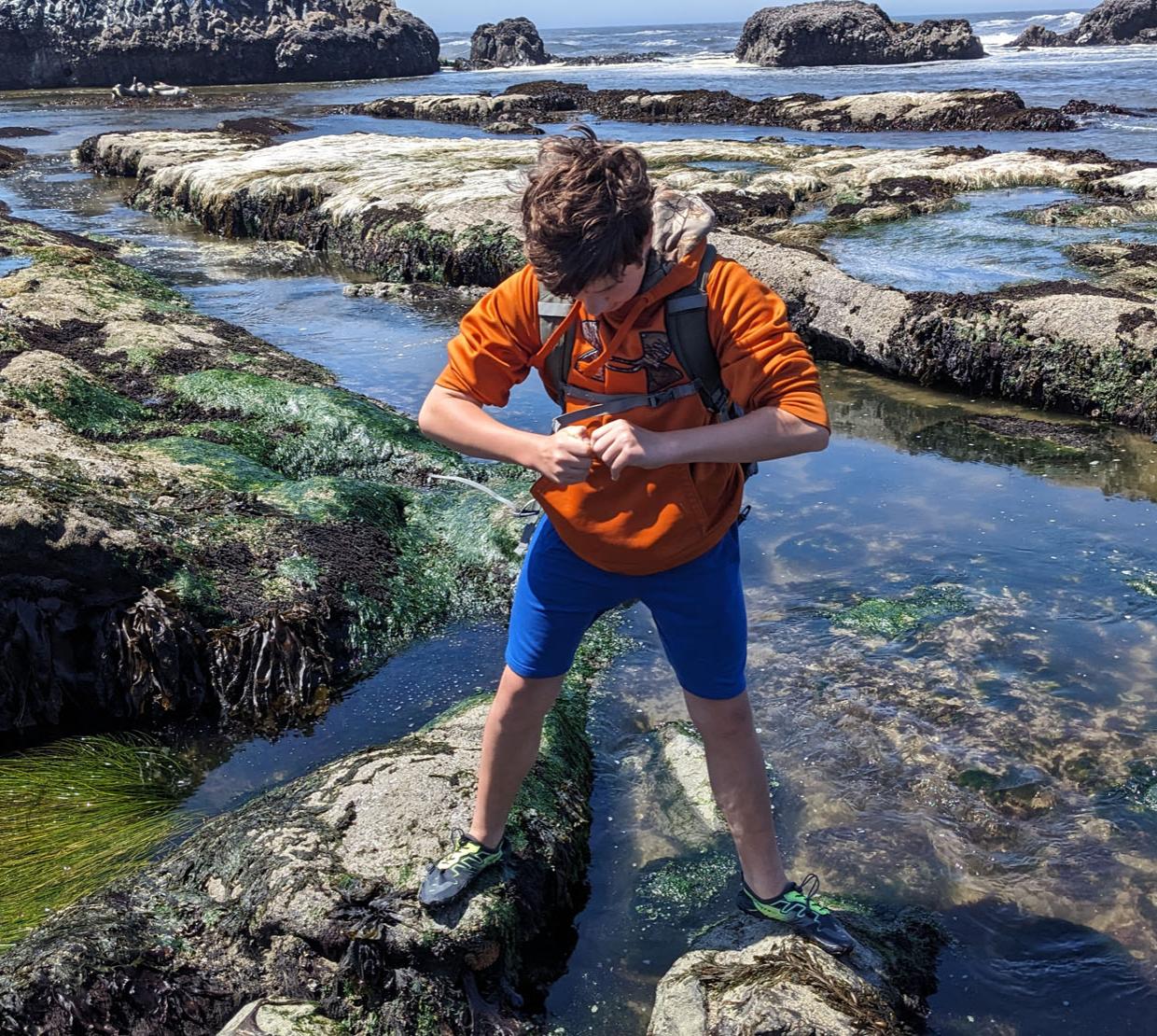
A kid stands in the water holding wildlife on the Oregon coast

Building bridges: College of Science outreach fosters science literacy and inclusion

By Hannah Ashton

Students from the Jamie Cornelius Lab helped plan Wild about Wildlife, a three-day summer camp for middle school students where they learned about biological science through experiences and field excursions to Hatfield Marine Science Center and the Chintimini Wildlife Center. Photo by Victoria Quennessen.

The College of Science is dedicated to enriching our community and promoting science literacy. Our recently launched Strategic Plan emphasizes making meaningful contributions on local, national, and global scales. Across our seven departments, we are actively implementing outreach initiatives that align with our mission to engage and create a positive societal impact. Last year, we supported events such as Discovery Days, Juntos Family Day, and others, all aimed at fostering a deeper understanding and appreciation of science..

Discovery Days is held twice a year as an opportunity to engage with local elementary school kids for a hands-on STEM fair experience. This event gathered more than 1,500 students and 300 OSU students, faculty and staff volunteers. In collaboration with Open Campus, Juntos Family Day provided Latinx students and their families with a dynamic college exploration experience in spring 2023.

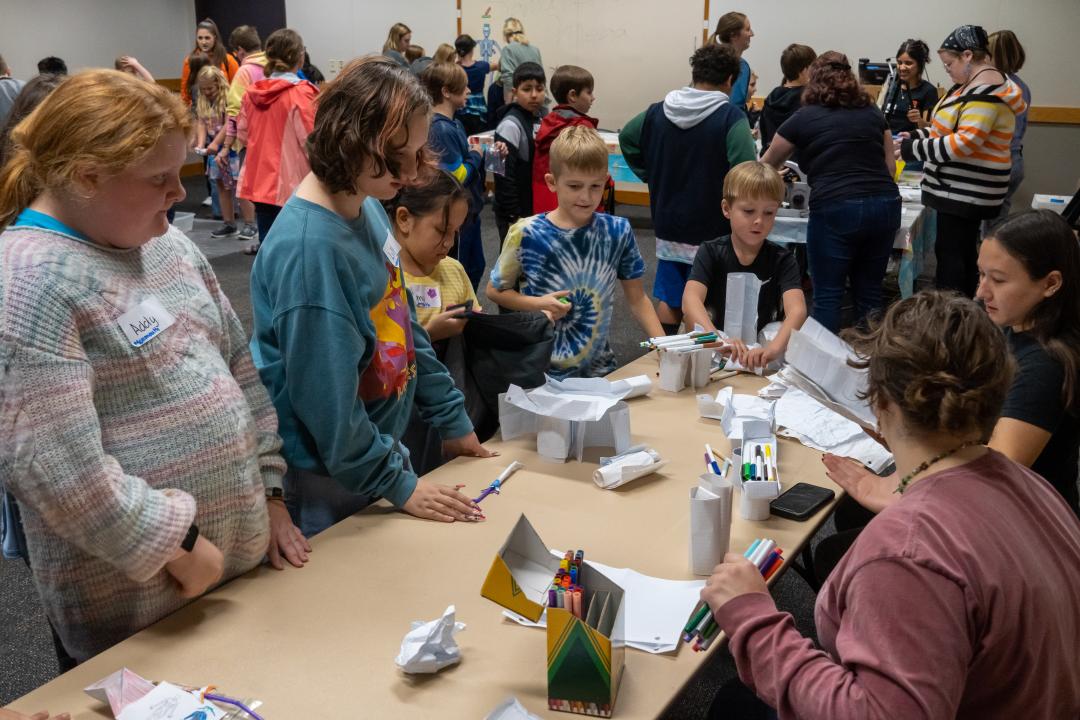
Students gather around a table.

Students participating in Discovery Days gather around a table for a fun hands-on STEM activity.

Our departments also prioritize creating access to science education and research, fostering community relationships and developing needed services.

Microbiology outreach makes science more colorful

The College of Science’s microbiology department created the Pernot Microbiology Camp to draw more local students from BIPOC, LGBTQ+, low-income and other diverse backgrounds to the study of microbiology. Faculty in the department also offered a session on Microbiology for the Advocates for Women in Science, Engineering and Math Club for both 5th grade and high school students. Microbiologist Jerri Bartholomew created the Art-Sci collaborative to build a bridge between art and science. This involves public galleries showcasing student work and local artists. The department also hosted internationally acclaimed microbiologist Jo Handelsman for the inaugural Berg Lecture. Open to the public, this lecture drew community members, students and faculty.

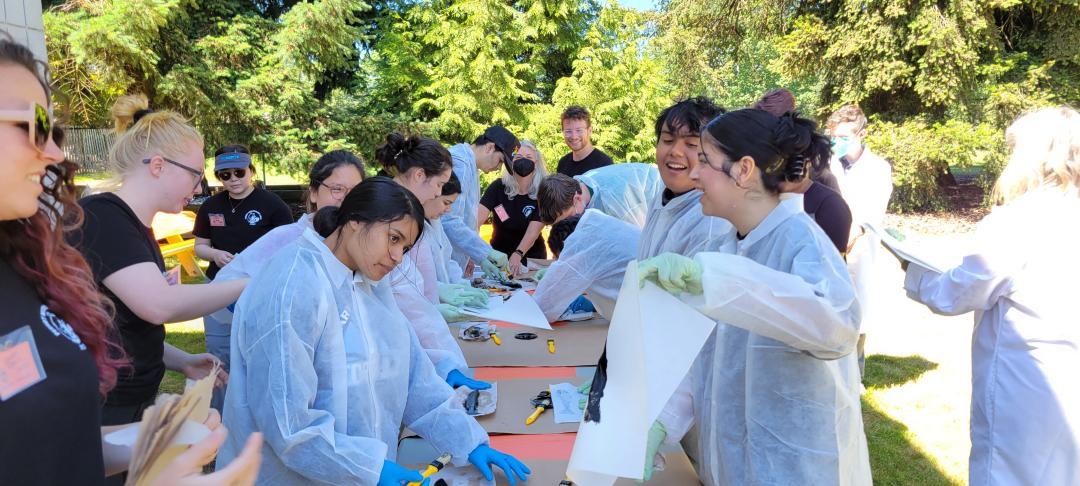
High school students work on fish rubs.

High school students work on fish rubs during the Pernot Microbiology Camp.

Statistics collaborates with Oregonians

The statistics department participated in the Statewide Crop Load Project annual meeting to discuss results with vineyard managers and wine producers in Oregon. Faculty also co-led a workshop in Lincoln County for the Pandemic Resilient Cities project to engage local public health, city officials, school representatives and more to begin a co-creation process for a National Science Foundation proposal. They discussed the needs of the county and priorities concerning future pandemic preparedness.

Physics brings science to high-school students

The physics department held lab tours for Corvallis High School students and created a Zoom version for Madras High School. Several faculty members also did presentations for the Corvallis High School Science Club. The department has a new outreach coordinator that will formally start in fall 2023.

Mathematics outreach seeks to break down common stereotypes

Members from the mathematics department organized the 2023 Math For All satellite conference. This event is an open and friendly space for people to gather and talk about mathematics, math education and how it relates to diversity, justice and equity. Professor Nathan Gibson organized a series of weekly Math Circle meetings for Franklin Elementary students. These circles aim to make mathematics fun, interesting, accessible and inclusive. The Association of Women in Mathematics OSU chapter also participated in many outreach events, including Discovering the Scientist Within, which aims to spark interest in science in young girls. The department also held its 38th annual Lonseth Lecture and invited alumna Corina Constantinescu (Ph.D. ’06) to talk about the “Mathematics of Inclusive Insurance.”

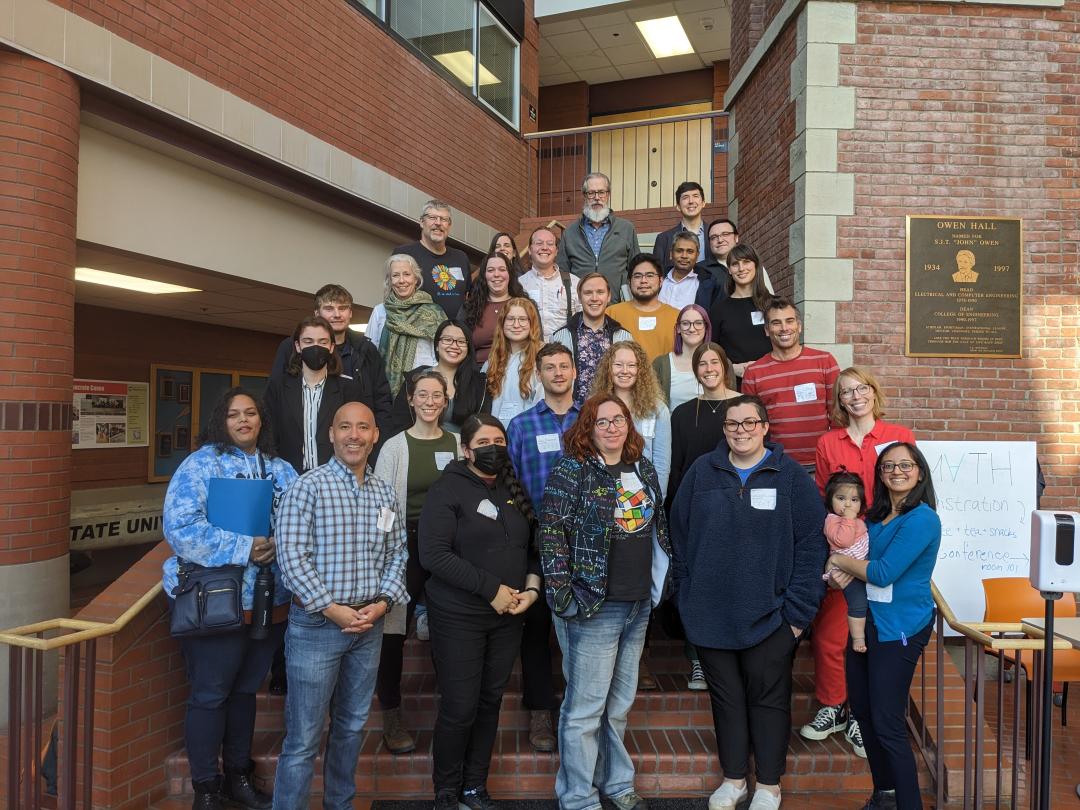
A group of individuals stand on a staircase for a photo during a mathematics conference.

Math for All participants pose for a group shot.

Integrative Biology shares research far and wide

The integrative biology department held its annual Doc Storm Lecture that drew more than 100 people to the LaSells Stewart Center. The Weis Lab participated in Meet a Scientist at the Oregon Museum of Science and Industry to educate visitors of all ages about the study of cnidarian-algal symbiosis and the threat of climate change on coral reefs. The lab also participated in OMSI After Dark. Students from the Cornelius Lab partnered with students from the College of Agricultural Sciences to plan Wild about Wildlife, a three-day summer camp for middle school students where they learned about biological science through experiences and field excursions to Hatfield Marine Science Center and the Chintimini Wildlife Center. In June, the department held its annual Robert M. Storm Distinguished Lecture. This year speaker George James Kenagy, Professor of Biology and Curator of Mammals, Emeritus with the University of Washington, spoke about "Survival in the Desert: Coping with Heat, Aridity, and Scarce Resources."

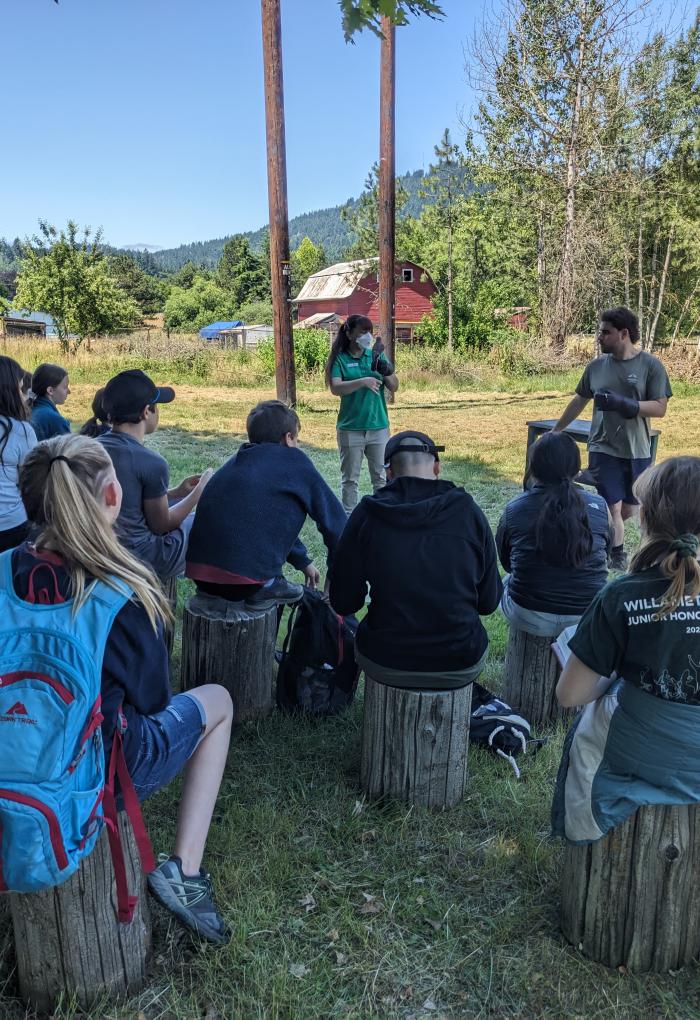
Students listen to a talk about birds.

Students in the Wild about Wildlife camp visit the Chintimini Wildlife Center.

Chemistry outreach helps high-school students find their passion

The chemistry department held the fifth annual Juntos Chemistry Overnight Camp in June. Twenty Latino high school students attended the camp from all over Oregon. The students participated in workshops and got an authentic taste of the OSU college experience. The department also held four lab tours for high school AP science students. Chemistry professor Marilyn Mackiewicz created a new week-long workshop called Ignite inSTEM designed to help students discover the wonders of designing nanomaterials.

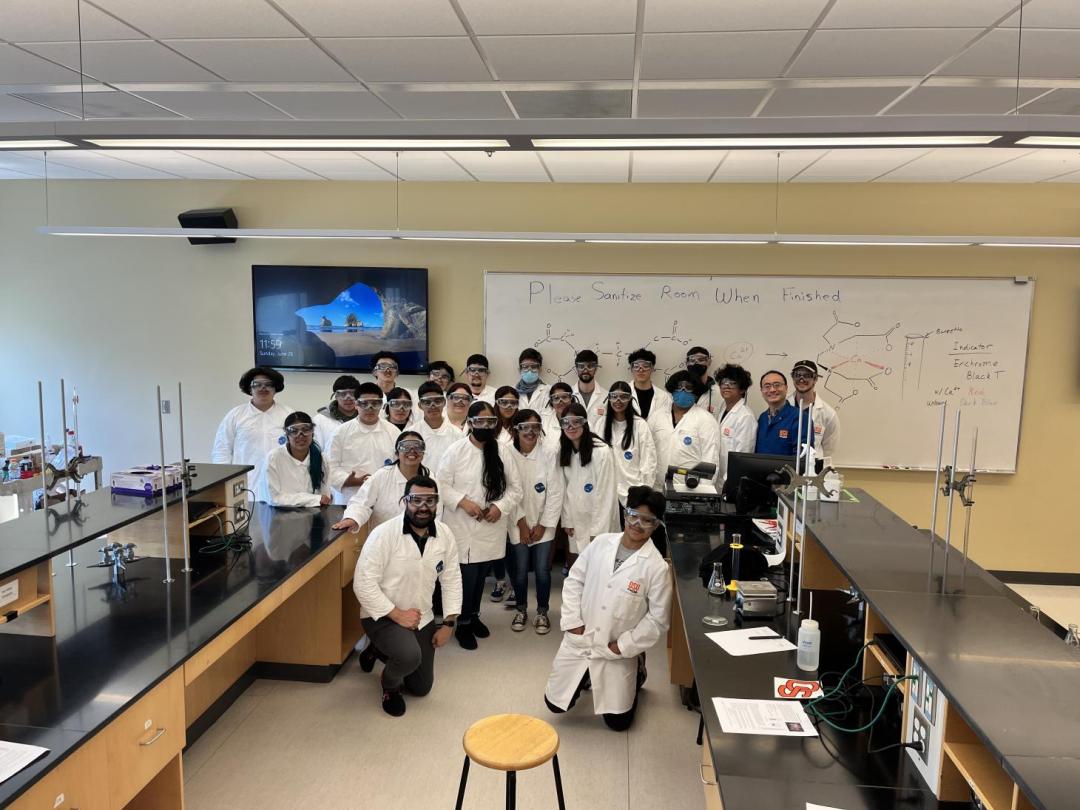
A group of students in white lab coats pose for a picture.

High-school students in the Juntos Chemistry Overnight Camp pose for a photo.

Biochemistry and Biophysics outreach has a national impact

The biochemistry and biophysics department was involved in middle school, high school and college outreach events. Faculty were involved in “How To Be A Scientist” and “Career Day'' at local middle schools. At the college level, faculty gave a science career talk at Idaho State University. Associate Professor Alysia Vrailas-Mortimer, just received funding to expand Fly-CURE RCN, a research coordination network that brings together faculty across the U.S. to create course-based undergraduate research experiences.

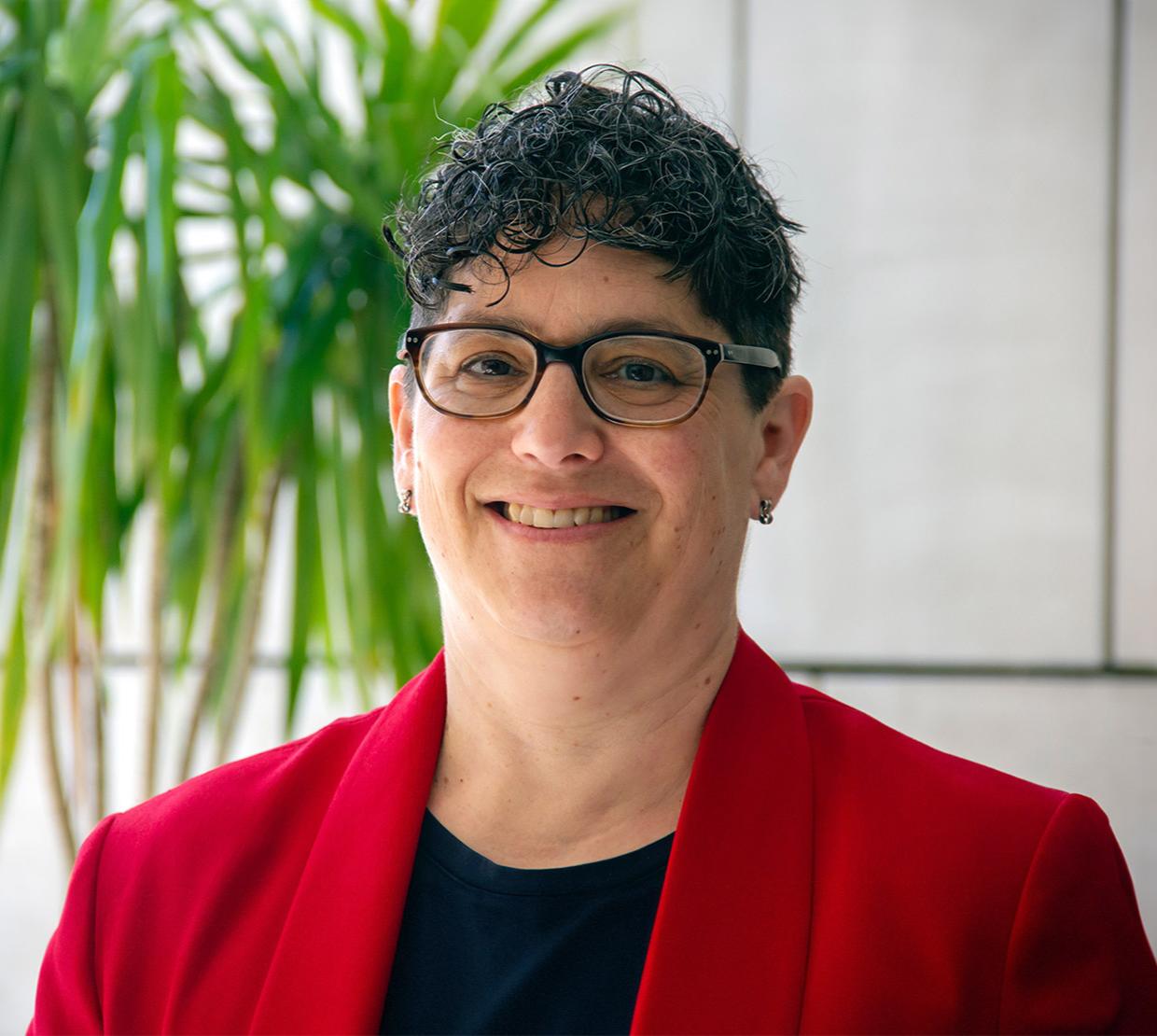
A woman with short dark hair poses for a headshot wearing a black shirt and red suit jacket.

Oregon State names new College of Science dean

By Sean Nealon

Eleanor Feingold, a statistical geneticist and associate dean with nearly 20 years of leadership experience at the University of Pittsburgh, has been named dean of Oregon State University’s College of Science. She will start Oct. 31.

“I am passionate about creative approaches to STEM education, diversity, equity and inclusion and research that has an impact on the state, nation and world,” Feingold said. “The College of Science and Oregon State University have tremendous strengths in these areas, and I am excited to further advance these endeavors.”

Oregon State’s College of Science is home to the life, statistical, physical and mathematical sciences. The college supports more than 4,000 students and brought in more than $18 million in research funding during the 2022 fiscal year.

“Dr. Feingold brings deep experience as a senior administrator in one of the nation’s leading research universities, and she has amassed an impressive portfolio of scholarship and teaching over the course of her career,” said Edward Feser, OSU provost and executive vice president. “As dean, she will be prioritizing further strengthening the College of Science’s research enterprise and advancing OSU’s goals in student success at both the undergraduate and graduate levels.”

Feingold has worked at the University of Pittsburgh since 1997. She has served at the university’s School of Public Health as associate dean for education, vice dean, chair of the Department of Human Genetics, and most recently associate dean for data analytics and special projects.

Read more here.

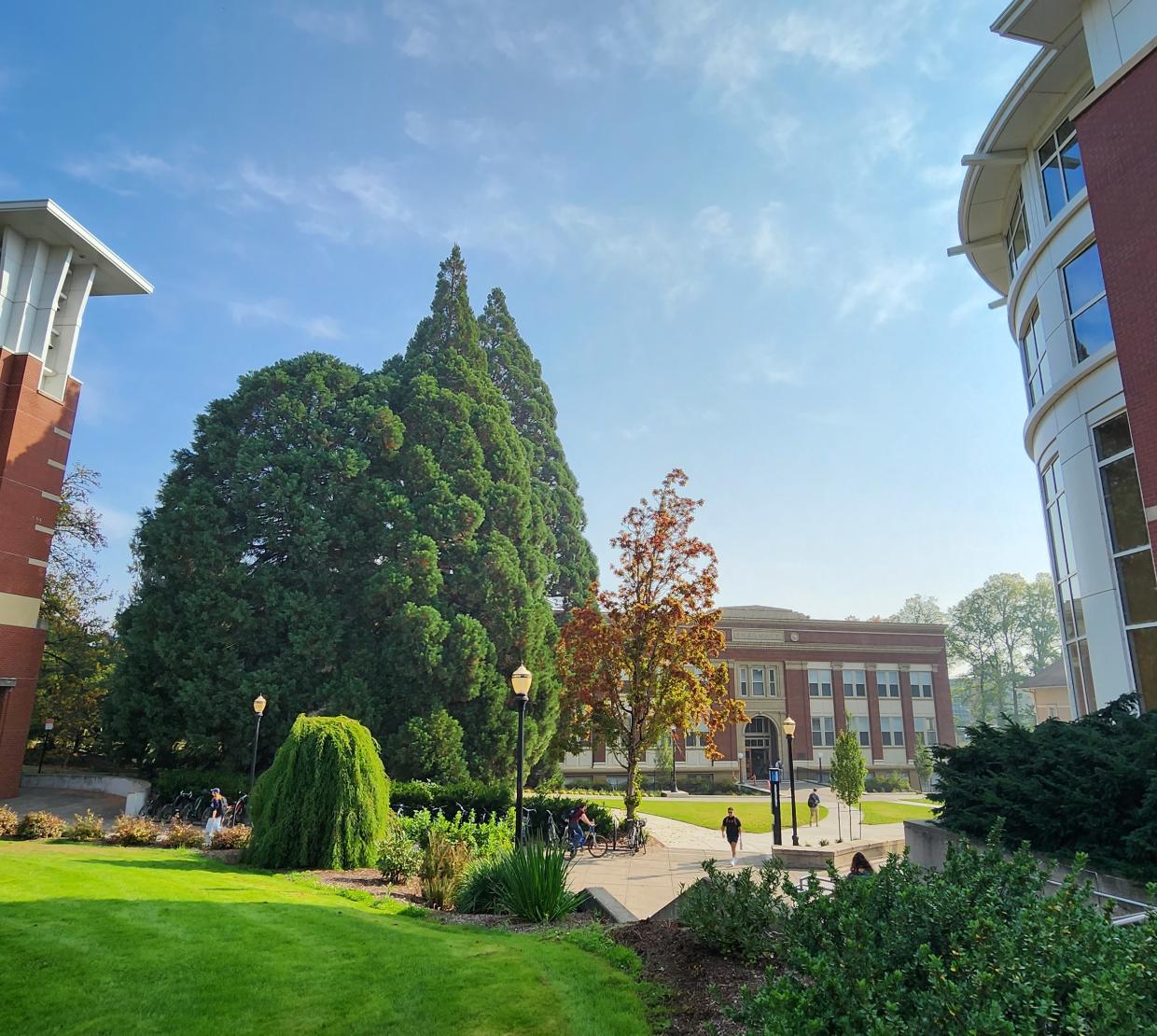
Valley Library and OSU clock tower in the background with sunshine.

Faculty excellence: Promotions and tenure 2023

By Vrushali Bokil

The College of Science congratulates 17 faculty on receiving promotions and/or tenure this year.

Countless hours of consideration and analysis goes into every promotion decision. The College relies heavily on the expertise and perspectives of departmental staff, department heads, department committees, peer teaching committees, College of Science Promotion and Tenure Committee, external reviewers and students to get our deserving faculty through this process.

Thank you to everyone that helped to make this possible for our well-deserving faculty.

Congratulations to the science faculty in the college who have just completed this process with success!

Chemistry Department

Marilyn Mackiewicz will be promoted to Associate Professor of Chemistry and granted indefinite tenure, effective September 16, 2023.

Integrative Biology Department

Carmen Harjoe will be promoted to Senior Instructor I of Integrative Biology, effective July 1, 2023.

Lindsay Biga will be promoted to Senior Instructor II of Integrative Biology, effective July 1, 2023.

Mathematics Department

Amanda Blaisdell will be promoted to Senior Instructor I of Mathematics, effective September 16, 2023.

Clayton Petsche will be promoted to Professor of Mathematics, effective September 16, 2023.

Chris Orum will be promoted to Senior Instructor I of Mathematics, effective September 16, 2023.

David Wing will be promoted to Senior Instructor II of Mathematics, effective September 16, 2023.

Elise Lockwood will be promoted to Professor of Mathematics, effective September 16, 2023.

Johnner Barrett will be promoted to Senior Instructor I of Mathematics, effective September 16, 2023.

Liz Jones will be promoted to Senior Instructor II of Educational Opportunities Program and Mathematics, effective September 16, 2023.

Mary Beisiegel will be promoted to Professor of Mathematics, effective September 16, 2023.

Michael Gilliam will be promoted to Senior Instructor I of Mathematics, effective September 16, 2023.

Sara Clark will be promoted to Senior Instructor II of Mathematics, effective September 16, 2023.

Microbiology Department

Shawn Massoni will be promoted to Senior Instructor I of Microbiology, effective July 1, 2023.

Physics Department

Evan Thatcher will be promoted to Senior Instructor I of Physics, effective September 16, 2023.

Paul Emigh will be promoted to Senior Instructor I of Physics, effective September 16, 2023.

Statistics Department

Katherine McLaughlin will be promoted to Associate Professor of Statistics and granted indefinite tenure, effective September 16, 2023.

Thank you!

Thanks to all of the committee members who served on the College of Science Promotions and Tenure Committee this year.

  • Andy Karplus, Chair and Professor of Biochemistry & Biophysics
  • Chong Fang, Professor of Chemistry
  • Ethan Minot, Professor of Physics
  • Holly Swisher, Professor of Mathematics
  • Kate Field, Professor of Microbiology
  • KC Walsh, Senior Instructor II, Physics
  • Lesley Blair, Senior Instructor II, Integrative Biology
  • Lisa Madsen, Professor of Statistics
  • Michael Freitag, Professor of Biochemistry & Biophysics
  • Oksana Ostroverkhova, Professor of Physics
  • Sally Hacker, Professor of Integrative Biology

Connor Leong

Connor Leong

Kristin Kasschau

Kristin Kasschau

James Fox

James Fox

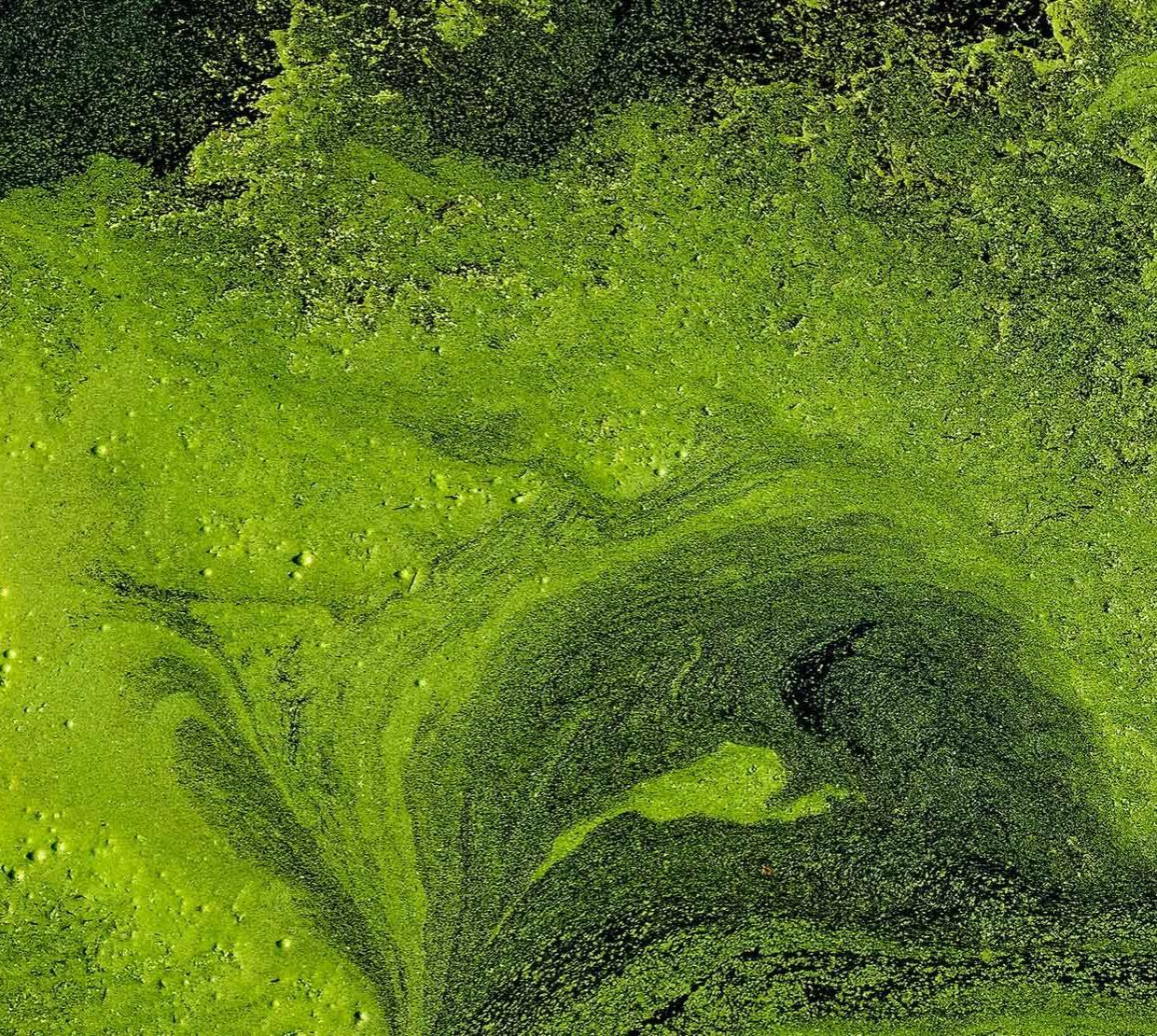
Image of algal bloom

Grants to address climate change impacts and biomedical challenges

By Hannah Ashton

Researchers in the College of Science know that curiosity is boundless. Answers are not stopping points but instead opportunities for deeper questions and discoveries.

Continuing to ask questions culminated in three faculty groups receiving College of Science Research and Innovation Seed (SciRIS) awards in July. Launched in 2018, SciRIS awards are granted biannually to collaborative research that accelerates the pace of discovery and innovation.

Investigations supported by previous SciRIS awards led to new research questions with the potential to tackle crucial problems and provide actionable solutions for industry, people and the planet.

Ocean hypoxia

Department of Microbiology head and Distinguished Professor Stephen Giovannoni and Francis Chan, associate professor of integrative biology, received a SciRIS Phase II grant of $75,000 for their project entitled “The Hypoxic Barrier: Oxygenase Enzyme Kinetics and Ocean Health.” They are researching the impact of hypoxia on dissolved organic matter composition and microbial community structure and function.

The group used a previous SciRIS award to purchase gas flow controllers and other equipment needed to conduct experiments where plankton communities were maintained for months under normal or hypoxic conditions. The new grant will allow them to extend their work to include metabolomics and metaproteomics.

Hypoxia—low or depleted oxygen in a body of water—puts crabs, salmon, oysters and other marine populations at risk. Associated with sewage discharge and fertilizer runoff, the problem is now exacerbated by climate change.

Experimental findings from two pilot studies suggest low oxygen irreversibly alters the trajectory of organic matter degradation. This represents an unrecognized feedback mechanism that may be stabilizing the severity of low oxygen zones in a warming ocean.

In the future, this research could help scientists predict hypoxic events on the Oregon coast, increasing resiliency and informing responsive climate change mitigation and adaptation policies.

Harmful algal blooms

Focusing on five important Oregon lakes, three researchers from the College of Science will be expanding on research funded in part by a SciRIS Stage 1 award.

Kimberly Halsey, associate microbiology professor, and Duo Jiang, associate statistics professor, previously measured 259 volatile organic compounds (VOC), microbial community composition and other environmental parameters over two years in Upper Klamath Lake, OR. The goal was to develop real-time, automated VOC detection as early-warning signs of toxic harmful algal blooms (HABs) in freshwater and marine ecosystems.

Increasingly Cyanobacteria, the microorganisms that can produce HABs, are being detected in many Oregon waterways that were thought to be pristine. Depending on the cyanobacterial species present, some blooms can produce toxic chemicals that can threaten water quality, recreational opportunities, fisheries, public health, and local and state economies.

A $75,000 SciRIS Stage 2 award will allow for external collaboration with three Oregon water utilities and state agencies, including the Oregon Department of Environmental Quality. The five lakes selected have different HAB frequencies, cyanobacterial competition and cyanotoxin types. The team, including James Fox, research associate in the microbiology department, will study “How do the collections of VOCs vary in waterways characterized by different cyanobacterial blooms and cyanotoxins?”

Developing lake or regional HAB and cyanotoxin early warning detection systems, a long-term goal of the project, would help agencies more efficiently protect the environment and human health.

Gut-brain axis

Collaborating with the College of Veterinary Medicine, two College of Science researchers received a $125,000 SciRIS Stage 3 grant to continue ongoing research into the knowledge gap between gut microbes and brain function.

While many U.S. adults take dietary supplements for brain health the mechanisms of action are widely unknown and health benefits vary across studies. One route for gut microbes to affect brain function is through modulation of the vagus nerve.

After receiving initial support from SciRIS Stage 1 and 2 funding, the Stage 3 grant will allow microbiologist Maude David and her collaborators to create a silicon chip that will reproduce key features of the gut-brain axis, including spatially-organized co-cultured epithelial and neuronal cells and enteric bacteria.

The long-term goal is to enable the discovery of psychobiotics for the treatment of mood and anxiety disorders. While current studies are too laborious and expensive, the chip will allow for more rapid screening of potentially therapeutic microbes and compounds.

David, who founded NeuroBiome LLC, a startup focusing on the gut-brain axis, will be joined by neuroscientist Kenton Hokanson.
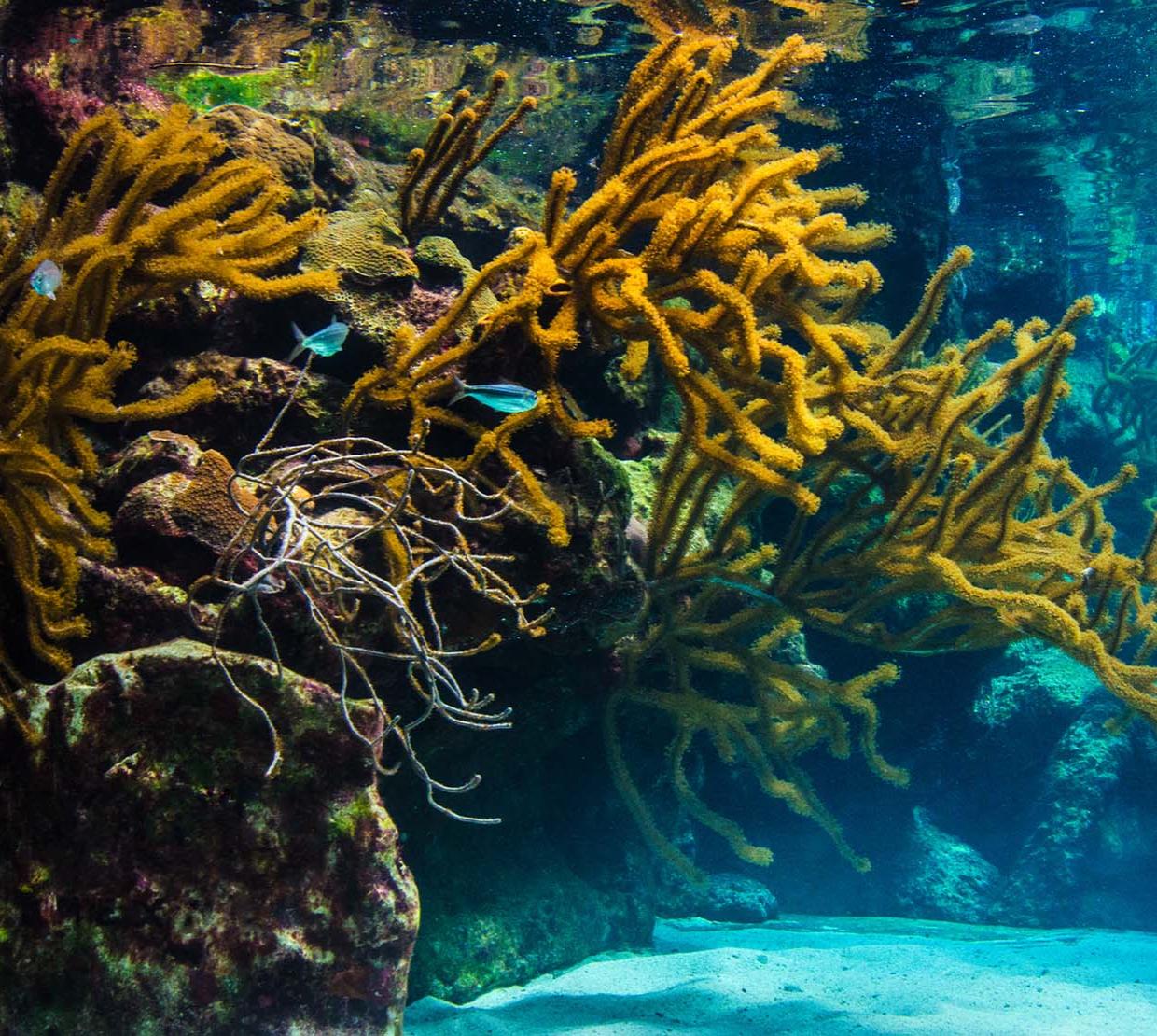
Underwater coral reef landscape background in the blue sea with fish and marine life.

Innovation grants to build model reef at OSU, catalyze biological and materials research

By Grace Peterman

New funding bolsters research on coral reefs, heat waste and more.

The inner workings of a cell, more powerful mass spectrometry and building a tropical reef at Oregon State: The 2021 College of Science Research and Innovation Seed (SciRIS) awards are empowering initiatives that will open fresh pathways in science.

The SciRIS program funds projects based on collaborative research within the College of Science community and beyond. There are two tracks through the program: SciRIS (Stages 1-3) and the SciRIS individual investigator award (SciRIS-ii). SciRIS Stages 1-3 funds teams in three stages to support training, research and capacity-building, accelerating work toward external funding opportunities. SciRIS-ii funds individual faculty to establish research relationships with external partners, enabling them to demonstrate the feasibility of their ideas and quickening the pace of scientific discovery.

The newly-established College of Science Innovation Award provides critical resources for projects that take a new direction, utilize a new technology or are in the “proof-of-concept” phase.

Three groups of scientists received SciRIS Stage 1 awards, two at $10K each and one at $20K. One group received the Innovation Award at $10K.

Professor of Microbiology Rebecca Vega Thurber and her colleagues will use their award to develop a model tropical reef facility within Oregon State’s world-renowned John Fryer Aquatic Animal Health Lab.

The model will allow College of Science researchers across biology, chemistry and ecology to perform highly controlled, repeatable experiments on reef ecosystems, which are under increasing threats from climate change, pollution, habitat destruction and disease. By bringing the reef to researchers, carbon emissions associated with travel are also reduced.

The facility will also serve as an outreach platform, bringing awareness of far-off ecosystems to the local community. By interacting with the lab, citizens will learn about how humans affect these fragile habitats and how they personally can potentially mitigate and reverse reef decline.

Chemistry Professor Wei Kong and Statistics Professor Lan Xue will use their SciRIS grant to develop more effective mass spectrometry through inclusion of electron diffraction. With this addition, future mass spectrometers will be able to reveal not only the mass composition of an unknown species, but also the three-dimensional arrangement of the constituent atoms. This capability can change the paradigm of nanomaterial synthesis, allowing intelligent design and quality control of custom-made materials applicable in medical diagnostics and therapeutics, in energy harvesting and storage, and in catalysis.

Biochemistry and Biophysics Professor Elisar Barbar and collaborators received a SciRIS award to integrate structural biology with cell and organismal biology. Capitalizing on Oregon State’s high concentration of expertise and resources for studying dynamic protein complexes across scales, the team aims to establish new technologies to investigate cancer related complexes and host-parasite interactions. Their eventual goal is to submit a proposal to the NSF Biology Integration Institute, which supports interdisciplinary projects that translate discoveries from the molecular scale to the cellular level of organisms and vice versa.

Associate Professor of Physics Matt Graham and colleagues received the College of Science Innovation Award support their work converting waste heat to electricity, contributing to a more sustainable world through the recovery of energy losses and reducing greenhouse gas emissions. The team will develop a prototype of an ultralow bandgap semiconductor device that converts residual waste heat to electricity. The award will support their work optimizing the efficiency of the device’s waste heat to energy conversion and validating the current extraction model related to the device prototype.

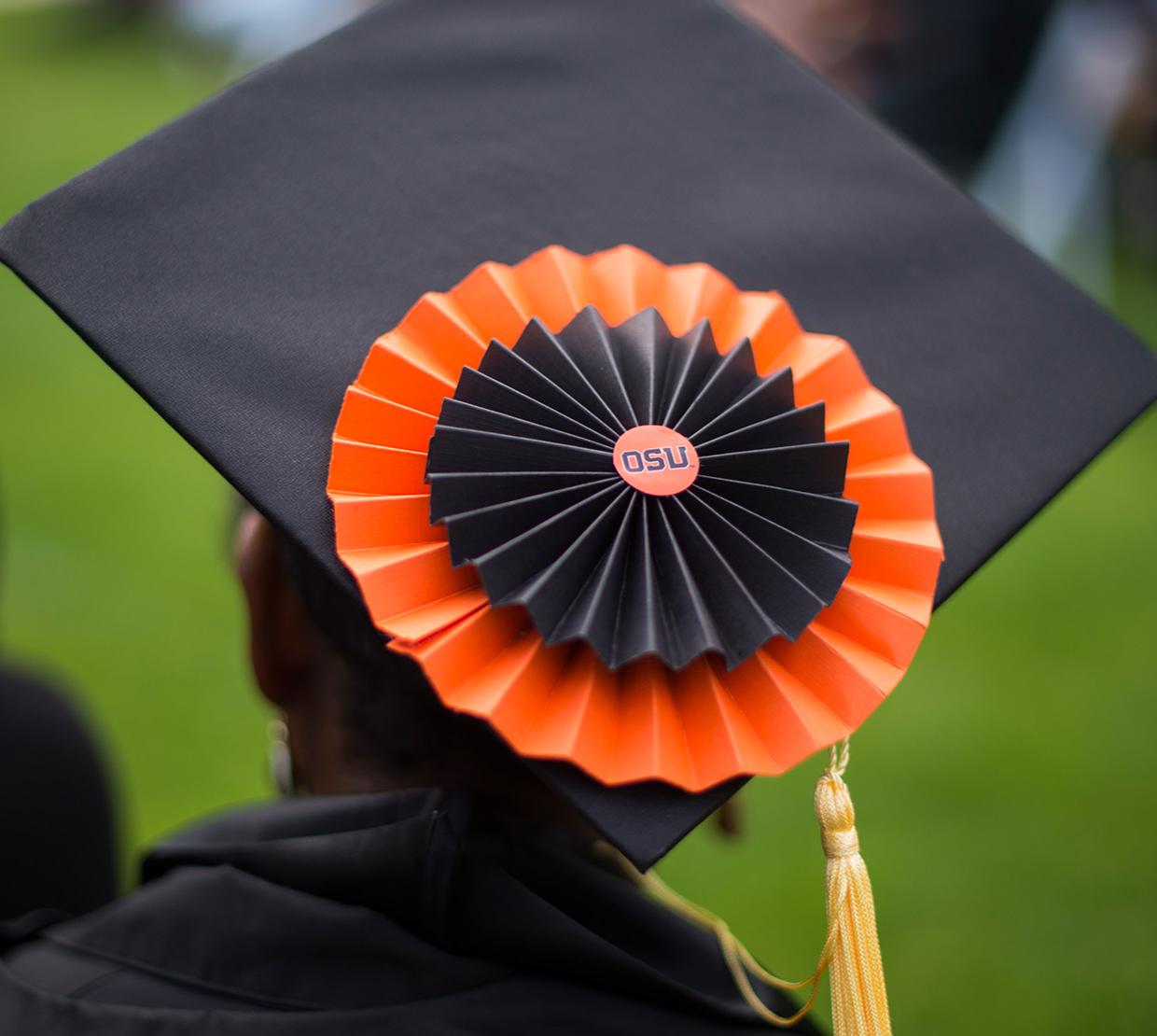
OSU Graduation cap

The Class of 2021 succeeds against all odds

By Srila Nayak

Congratulations to the Oregon State College of Science Class of 2021! This class faced enormous challenges due to the pandemic. On the spur of the moment, the class of 2021 transitioned to remote learning, virtual interaction with professors, mentors, peers, friends and experiential learning in online formats. They have also faced increased financial burdens and other stressors. Our students have persevered, showing admirable determination, resilience and fortitude that will serve them well in their lives and careers.

Succeeding against odds while making history, College of Science graduates have found ways during this pandemic to participate and make an impact on state-wide public health endeavors through the TRACE-CVOID-19 project. They have gained enduring skills and done outstanding work in adapted science labs and with science communication in the virtual domain. Our seniors have been instrumental in helping Oregon State succeed at remote teaching in their roles as peer learning assistants and tutors.

Science graduates have led the way by dint of their academic achievements, selfless service and committed leadership. Supported by awards, scholarships and dedicated advisors, our seniors have collaborated with faculty mentors to create new knowledge and achieve major scientific breakthroughs.

Check out our Commencement page to celebrate our graduates. Read their compelling stories below containing reflections on undergraduate experiences at Oregon State and their dreams for the future.

This year’s graduates include Fulbright and Ford Foundation Fellows, Gilman International Scholars, NOAA Scholars, published scientific authors, future doctors, scientists, entrepreneurs, community leaders, teachers and informed, engaged world citizens. We are exceptionally proud of our students and all they have achieved during their career as undergraduates in the College of Science at Oregon State.

By the numbers

The College graduated 670 undergraduate students with baccalaureate degrees in 2020-21, including 68 Honors graduates. More than 80% (538) of our graduates were in the life sciences, with Biology having the most graduates at 199. BioHealth Sciences came in second with 152 graduates; biochemistry and molecular biology had 71 graduates; Zoology 63; Mathematics 56; Microbiology 43; Chemistry 42; Physics 34, and; Biochemistry and Biophysics graduated 10 students.

Of the total baccalaureate graduates, 11% are underrepresented minorities and 26% are first-generation students. In addition, 10 of the 2021 baccalaureate graduates are military veterans.

The College will also award 52 doctoral degrees, 66 master’s degrees and seven certificates in online Data Analytics.

Of the 52 doctoral degrees, Chemistry had 16 Ph.D. students, followed by Integrative Biology at 11; Mathematics 9; Physics 6; Microbiology 5; Statistics 4, and; Biochemistry and Biophysics graduated one doctoral student.

The Department of Statistics awarded 15 master's degrees in statistics and 19 M.S. degrees in data analytics. Chemistry and Mathematics awarded 10 master's degrees each. Physics had 6 master's degree recipients; Microbiology three; Biochemistry and Biophysics two, and; Integrative Biology awarded one master's degree this year.

Celebrating the Class of 2021

We invite you to read the profiles of our seniors. These outstanding graduates represent an inclusive and diverse learning community in the College of Science. Here they share their inspiring and unique journeys as science majors.

A nighttime sky with an award sign overlaid on top

2020-21 College of Science awards: Celebrating excellence in teaching and advising

By Cari Longman

On April 22, the College of Science gathered virtually to recognize academic, administrative and teaching excellence at the 2020-21 Combined Awards Ceremony – a merge of our annual Faculty and Staff Awards and Teaching and Advising Awards events.

The first half of the ceremony celebrated excellence in research and administration, and the second half the ceremony focused on outstanding teaching, advising and mentoring,

The College congratulates the Teaching and Advising Awards winners below who exemplify deep commitment, skill and effectiveness in mentoring and advising to ensure student learning and success within and beyond the classroom. Effective teaching, advising and mentorship are the very heart of the College of Science’s identity as a robust and thriving community of students and scholars.

Congratulations to all the nominees and especially to the award winners.

2021 Teaching, Advising and Mentoring Award Winners

Olaf Boedtker Award for Excellence in Academic Advising

Tiffany Bolman

BioHealth Sciences Advisor Tiffany Bolman

Tiffany Bolman, biohealth sciences advisor, won the Olaf Boedtker Award for her tireless support, efforts and advocacy on behalf of undergraduate students. Olaf Boedtker was a former professor in the Department of Physics for 23 years and served as head advisor in the College for 14 years from 1973 to 1987. This award recognizes exceptional and inspirational undergraduate advising.

More than ten students nominated Bolman for this award, praising her dedication and ability to connect and encourage students to achieve their goals.

One student nominator wrote of Bolman: “During one of the hardest years of my life, I met my new advisor, Tiffany. Changing your advisor in the middle of your junior year can be stressful. The first time I met her, my meeting lasted almost two hours because we spent time getting to know each other and talking about life. The way that Tiffany has been here to support me is incredible – as an advisor, a mentor, a friend and a support system. She's helped me in countless ways this past year, not just for school and for my future, but personally. I know I would not be where I am right now without her.”

“Tiffany has guided me in my fast-paced college experience and is always courteous when I talk to her,” wrote another biohealth science student nominator. “She has provided ample opportunities for me to get involved in health care and shadowing, even during Covid-19, in order for me to be a competitive applicant for medical school. I feel as though Tiffany wants the best for all of her students, including myself, and her heartwarming encouragement never lets me down.”

Another student had similar praises for Bolman. “I transferred to Oregon State and [Tiffany Bolman] was the first faculty member I had any interactions with. She seems to truly care about the future of the students she is advising and is overall an amazing person to talk to.”

Additional nominees for the Olaf Boedtker Award included

  • Allison Evans, instructor of microbiology
  • Kari Van Zee, senior instructor for biochemistry and biophysics
  • Maureen Leong-Kee, advisor for integrative biology
  • Vince Remcho, professor of chemistry

Loyd F. Carter Award for Outstanding and Inspirational Teaching (Undergraduate)

Corinne Manogue

Professor of physics Corinne Manogue

Professor of physics Corinne Manogue won this year’s Loyd F. Carter Award for Outstanding and Inspirational Teaching in Science. Manogue teaches the nationally-recognized Paradigm in Physics courses, which are a restructuring of the traditional upper-division curriculum for physics students to a more modern, flexible and inclusive model for learning physics.

Student nominees cited Manogue’s extra efforts to ensure her students understand content, her ability to teach complex topics, and her compassion with her students in an especially tiring year.

“She is an outstanding teacher who really works to understand how her students are approaching the material and provides numerous ways for the students to actively engage with the content,” wrote one student nominator. “She is very aware that each student has a different learning style and that content needs to be restated multiple ways and in multiple forms and that each version will resonate differently with each student.”

Other student nominators had similar praises for Manogue. "She is truly fantastic at explaining complex topics in ways that relate them to us students, and it was often that many would exclaim how well they understood ideas and techniques significantly better after having an explanation from her in class," said one nominator, and another added: "Corinne convinced me that there weren't such things as 'STEM people' and that success in STEM was available to me and other students who like me had been dissuaded by a perception of being inherently 'not smart enough' to become physicists."

Manogue has received recognition at multiple levels – Oregon State University, the state of Oregon and nationally – for her teaching excellence and has previously won a number of awards recognizing her teaching excellence, including the College of Science Frederick H. Horne Award for Sustained Excellence in Teaching in 2000, an American Association of Physics Teachers Award for Excellence in Undergraduate Physics Teaching in 2008, and the 2016 Oregon Academy of Science Outstanding Educator in Science and Mathematics award.

Additional nominees for the Loyd F. Carter undergraduate award included

  • Daniel Myles, senior instructor of chemistry
  • Daniel Rockwell, senior instructor of mathematics
  • Devon Quick, senior instructor of integrative biology
  • Kimberly Halsey, associate professor of microbiology
  • Linsday Biga, senior instructor of integrative biology
  • KC Walsh, senior instructor of physics

Loyd F. Carter Award for Outstanding and Inspirational Teaching (Graduate)

Charlotte Wickham with a black background

Senior Instructor of statistics Charlotte Wickham

Senior Instructor of statistics Charlotte Whickam received the Loyd Carter award for her inspirational and superb mentorship and teaching of graduate students.

“Charlotte is an extremely talented statistician and teacher. You can tell she is extremely passionate about the things she teaches and is invested in her students learning. She is also very approachable, despite teaching an online course,” wrote one graduate student nominator. “The material I have learned in her class has been useful and applicable to all of my work as a statistician,” they added.

“Dr. Wickham really took the time and got involved with my term project topic. She understood my skill level and was really great on providing feedback,” wrote another nominator.

A specialist in R training, Wickham teaches courses in data visualization and the foundations of data analytics. In 2020 Wickham received the Oregon State Ecampus Excellence in Online Teaching and Student Engagement Award. Wickham has developed multiple Ecampus courses built around students and their learning, leveraging open source materials and engaging texts from the Valley Library at Oregon State University.

Frederick H. Horne Award for Sustained Excellence in Teaching Science

Senior Instructor for biochemistry and biophysics Kari Van Zee

Senior Instructor for biochemistry and biophysics Kari Van Zee

Senior Instructor for biochemistry and biophysics Kari Van Zee won the Frederick H. Horne Award for her exceptional qualities as a teacher and mentor. This award is named after Fred Horne, OSU Professor Emeritus of Chemistry and the former College of Science Dean for 13 years, from 1986 to 1999.

Kendra Jackson (’20, biochemistry and biophysics), praised Van Zee in her nomination letter, writing, “Kari made a great impact on my education at OSU and has empowered me to be an independent learner.”

Jackson interacted with Van Zee as a student, mentee, teaching assistant and advisee. She added in her letter that “Kari is compassionate and deeply cares about the well-being of her students.” This quality was especially apparent during the 2020-2021 school year with remote learning. “Kari constantly checked up on struggling students in each section, offered solutions for students who could not access technology or adequate study spaces, and adapted the class based on student feedback.”

Tanushri Kumar, a 2020 biochemistry graduate and Ph.D. student at the University of Washington, also wrote a nomination letter. She praised Van Zee’s personal connection with her students: “Kari is a fantastic teacher, a scholar, and a devoted mentor to all her students. It is truly rare to find a teacher as talented and as compassionate as she is. Without her guidance, I would have never discovered my own passion for research, and without her support I would not have had the courage to apply for graduate school. The impact she has had on my life has been huge, and I am incredibly grateful for having her as a mentor and instructor.”

College of Science Whiteley Faculty Scholar for Teaching Excellence Award

Devon Quick

Senior Instructor of integrative biology Devon Quick

Senior Instructor Devon Quick in the Department of Integrative Biology received this award which recognizes excellent teaching and learning innovation. This award will provide Quick with an annual stipend of $12,500 for three years.

Widely commended for her teaching of biology, human anatomy and physiology courses, Quick has received awards for her exceptional teaching in the past. In 2020, she received the Loyd F. Carter Award, and in 2016 she received university-wide recognition by receiving the OSU Faculty Teaching Excellence Award.

Quick is a co-founder of the Learning Assistants Program, which puts high-achieving undergraduate assistants in large enrollment, often first-and second-year STEM classrooms to facilitate and strengthen undergraduate learning. She also collaborated with fellow biology instructor Lindsay Biga to adapt an open source biology textbook that is freely accessible to OSU students and learners worldwide.

OSU Faculty Scholars for Teaching Excellence Award

KC Walsh

Physics instructor KC Walsh

Physics instructor KC Walsh won the Faculty Scholars for Teaching Excellence Award. This award for a three-year faculty scholar position supports excellence and innovation in teaching and carries an annual stipend of $12,500.

Walsh helped to transform OSU’s introductory physics classes by reversing the traditional learning environment. In flipped classrooms, students receive course content online outside of the classroom, freeing up classroom time for active learning. He then pioneered the flipped classroom in the online environment long before the pandemic forced all instructors and faculty to adjust to all-online teaching. The results of the flipped classroom model have been dramatic: the withdraw rate from introductory physics class dropped from 36 percent to only 12 percent with a marked increase in course satisfaction.

Walsh previously received the OSU Faculty Teaching Excellence Award for his significant and meritorious achievement in teaching and scholarship that enhances effective instruction. And in 2018, the Department of Physics received the American Physics Society (APS) Award for Improving Undergraduate Physics Education, due in part to Walsh’s pioneering flipped classrooms and his early use of online resources to increase student success.

The OSU and Whiteley Faculty Scholars for Teaching Excellence awards are made possible thanks to the generous philanthropic support of our alumni and friends and matching funds invested by the Provost’s Office.

Read more about the winners of the 2020-21 graduate and undergraduate research and administration awards.

Subscribe to Microbiology