Faculty and Staff

Faculty and Staff

3D model of ocean systems

Next generation of scientists to manage ocean systems

Big Data to analyze effects of human activities and climate change on oceans

A transdisciplinary team in our College was awarded $3 million to implement the National Science Foundation (NSF) Research Traineeship at Oregon State. The program encourages the development of bold and transformative models for graduate education in STEM fields.

The proposal, “Risk and uncertainty quantification in marine science and policy,” prepares a new generation of natural resource scientists and managers to study, protect, and manage ocean systems.

NSF chose OSU to develop the program, which focuses on the use of “big data” to analyze and understand the effects of human activities and climate change on the ocean system around the world. It also requires students to look at the impact of potential management decisions on the stakeholders – the fishing industry, for example – as well as the environment.

Requiring students to work across disciplines is what they’ll encounter in the working world, said Sastry Pantula, dean of the College of Science, which is actively involved in the new program.

“Solving major complex issues related to climate change, marine studies and risk assessment requires people to have a diversity of expertise to work together,” Pantula said.

“No single person has expertise in all sciences, mathematics and statistics. Bringing an interdisciplinary cohort together will enhance depth in core areas, breadth of communication across various fields, and strength in statistical and computational skills. This program takes advantage of the unique collaborative spirit of OSU.”

Mathematics professor Juan Restrepo and statistics professor Alix Gitelman are leading the NRT program as co-principal investigators in a collaborative effort with researchers across OSU; mathematics professors Enrique Thomann and Ed Waymire are core members of the team.

Aimed at advancing graduate education training in STEM, the program emphasizes the use of big data and mathematical and statistical models to address climate and policy problems in marine systems.

The program will provide for more than 30 fellowships for OSU master’s and doctoral students, with room for an additional 30 students if they have alternative funding. The students and participating faculty will decide on the projects. Read more.

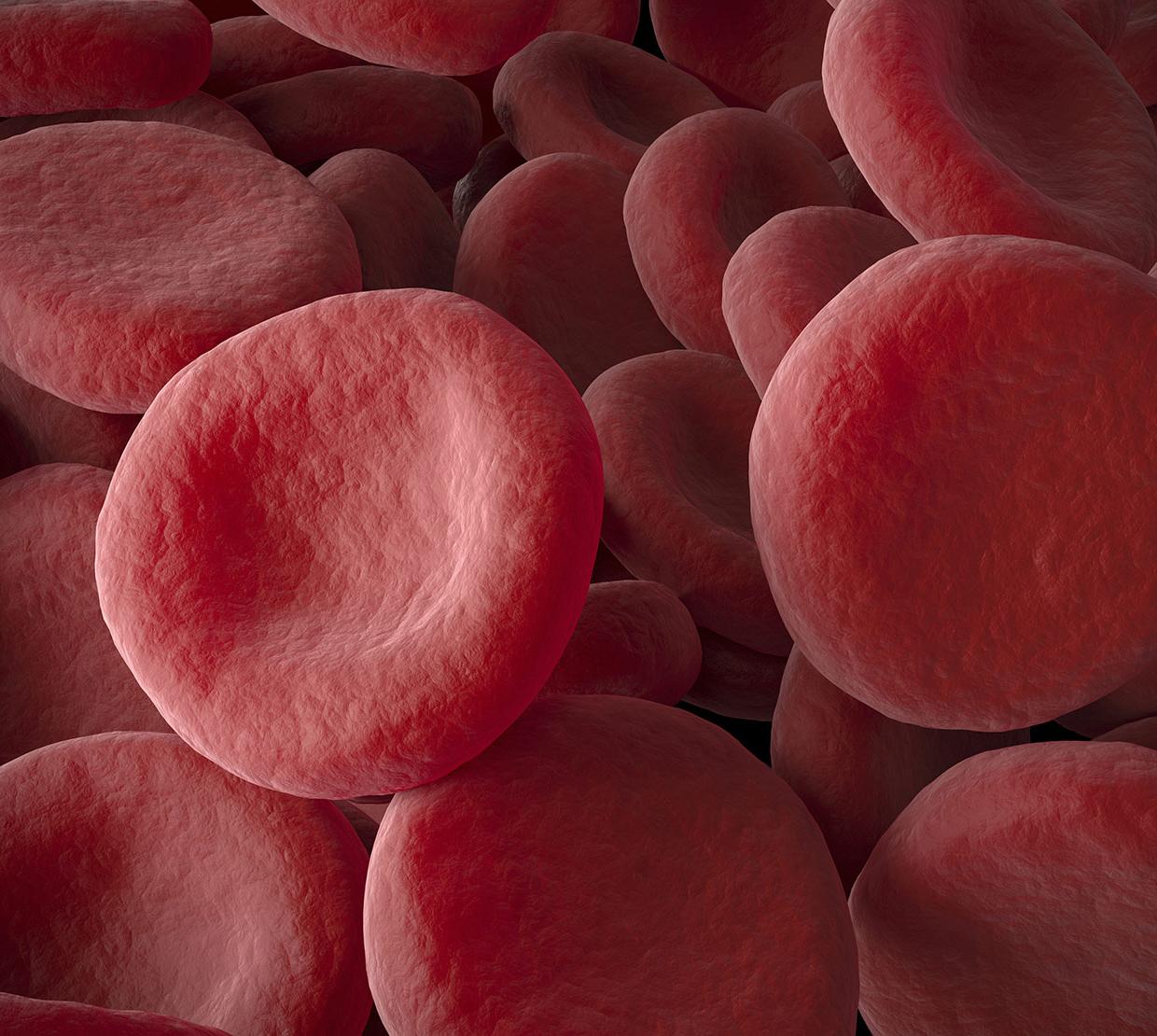
3D model of red blood cells

Biohealth science's connection to quantitative sciences

By Srila Nayak

BioHealth

Redefining quantitative and biohealth sciences

Faculty and researchers in the College of Science are interpreting and advancing biohealth sciences in innovative new ways by applying the natural sciences, such as mathematics, statistics and chemistry. In recent times, researches in biology and medicine have been guided by biomolecular analysis technologies, mathematics and computations, and scientists are using these tools to address a spectrum of biological questions about diseases, from how they spread to risk factors.

In the last few years, our College has experienced an impressive spurt of transdisciplinary research in the quantitative and biohealth sciences. Ongoing studies and research advances range from analyzing genetic data on epidemics and inventing disease-detecting biosensors to developing statistical methods to better understand neuron connectivity and the transmission of signals in the brain. Through collaborative research across our campus, our faculty are paving the way for innovative biohealth science research which broadens the training of students across scientific disciplines.

Biological systems and mathematical models

Connections between biology and the mathematical sciences are fueling innovation and expansion in those disciplines. Statistician Sharmodeep Bhattacharyya explains how interpreting data from various experimental sources can generate new insights and solutions in the areas of neuroscience and genomics.

“Statistical methods, with their inherent objective of analyzing the uncertainty of a system help identify key interesting factors in the deluge of interesting data," said Bhattacharyya. "Such jobs can range from identifying a key set of genes affecting a disease for a specific group of people (like in precision medicine) or identifying the interaction between key regions of the brain for people who have a set of genes that causes a neurological disease."

Bhattacharyya has developed new statistical methods to analyze Electro-Cortico Graph (ECoG) array data from human and rat brains to identify connections involving speech and hearing.

Mathematician Vrushali Bokil’s research demonstrates how mathematical modeling, analysis and numerical simulations can illuminate insights in complex biological systems and how the health sciences, in turn, can spark new mathematical ideas. She collaborates with a mix of biologists and mathematicians across the country as well as in the UK, France and Germany on a project funded by NIMBioS (the National Institute of Mathematical and Biological Synthesis).

The project will allow Bokil and her colleagues to generate novel mathematical and statistical methods involving multiple hosts and multiple pathogens and that operate across a range of spatiotemporal scales, and to analyze the effects of climate change and human activities on the emergence of new plant viruses. Bokil points to the increasing use of mathematics to model complicated biological systems.

“It is exciting to be at the interface of biology and math,” said Bokil. “I write down a system of equations that models the physical or biological system. While the mathematical modeling and numerical simulations are fascinating in and of themselves, the added value of feeding back into biological applications is very rewarding.”

Benjamin Dalziel, an assistant professor in Integrative Biology, is part of a growing breed of biologists who are turning the biological sciences into a more quantitative field. Dalziel is a population biologist who uses mathematical tools to answer questions about the spread of infectious diseases, such as influenza and measles in populations and cities.

Dalziel, who also has an appointment in the mathematics department, maps hotspots of pathogen activity and diversification, and develops mathematical models to explain the patterns he finds. A current project explores whether there are systematic differences among cities with respect to their epidemic risk.

“I find the connections between mathematical modeling and biology very interesting. After developing a model, we ask, 'Is this happening in nature and how do we test it?' And if nature is doing something different, 'What did we get wrong with the model?' Sometimes there is a lot you have to do with the model besides [reviewing the] data to understand its behavior and to get it to interface with the real world," said Dalziel, who is developing a new mathematics course specifically for the life sciences.

Innovative disease imaging

A major application of analytical chemistry and its quantitative aspects to biology involves the creation of tools that directly aid in the diagnosis of cancer, heart disease, strokes and other serious ailments.

Chemistry assistant professor Sean M. Burrows runs a busy lab comprising undergraduates and doctoral students and their research is focused on innovating technologies to visualize biomarkers of disease. They pioneer novel, colorful fluorescent biosensor designs—analytical devices that relate biological molecules to a fluorescent signal—for visualizing and quantifying microRNAs, which are small non-coding RNA molecules that have a role in a plethora of gene regulatory events.

MicroRNAs hold great potential to yield information about the beginning stages of a disease and cell/tissue activity. Burrows and his team are trying to develop highly efficient fluorescent technologies for basic research and clinical use.

“Basically the idea is to design an imaging technology that will give us more information on the molecular interactions within the cell,” explains Borrows. “[For example], can we create an instrument that greatly advances the information content in terms of the numbers of colors we can look at in a cell? With the current technology, you could see one or two colors from the cell. But if we can look at 10 or more different colors, that will tell us much more about a biological mechanism," adds Burrows.

In an exciting breakthrough, the Burrows group designed a more efficient fluorescent biosensor for better signal interpretation from microRNA biosensors. The innovation has attracted significant attention in the field and was favorably reviewed in an article on the field of emerging microRNA biosensors in Analytical Chemistry.

However, existing imaging technology to learn about the underlying details of cellular mechanisms, such as the super resolution microscopy, is expensive. Burrows is keen to develop a cheaper alternative that can be used in a regular microscope.

“We can then open the door for more researchers to get more information from the cells they are interested in studying. This, in turn, will enable more transformative breakthroughs to understand disease progression and ultimately find cures.”

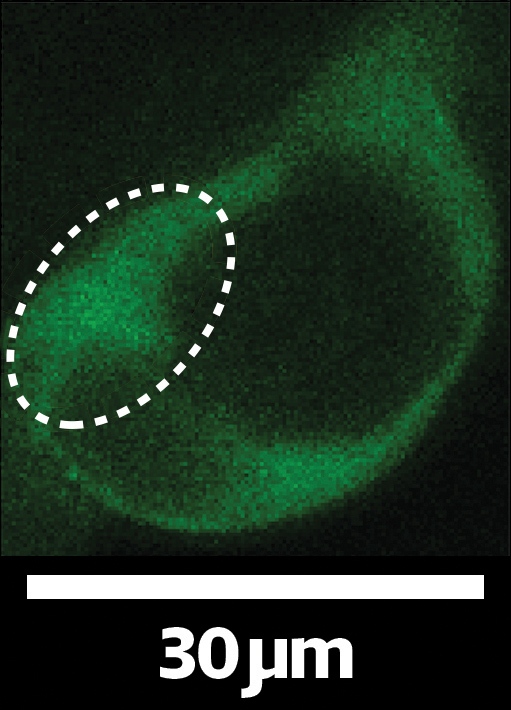
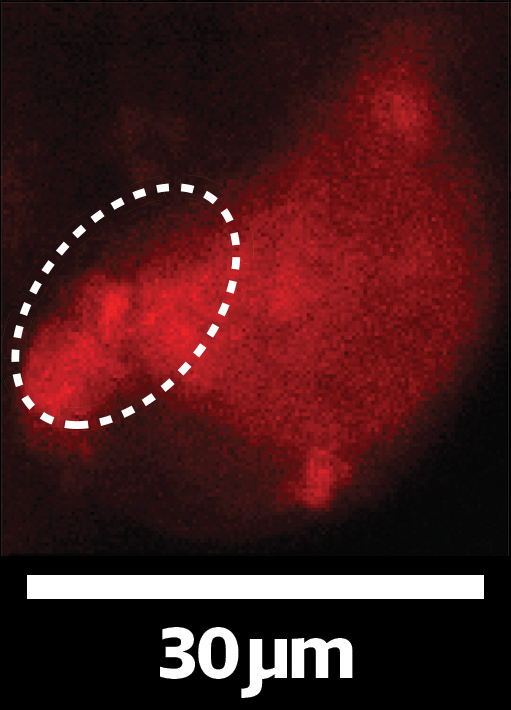
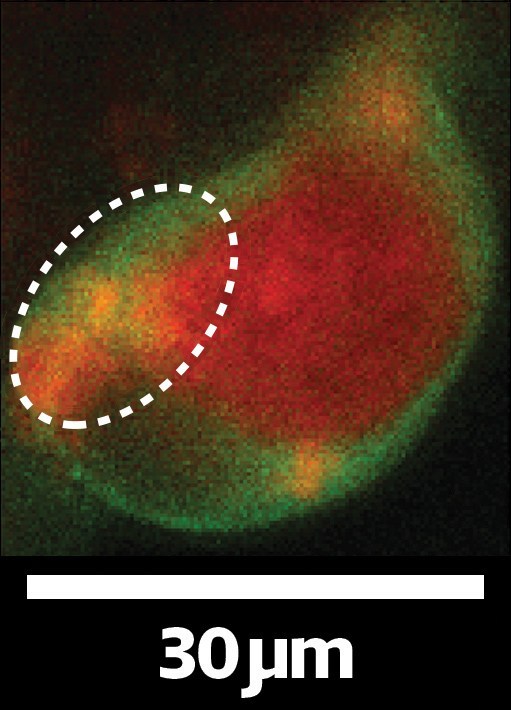
This figure shows that the biosensors can enter a cell’s cytoplasm and nucleus to find where microRNA expression occurs within the cell. Green shows the cytoplasm and the dark green spot is the nucleus. Red indicates the biosensor. The circle and the red nucleus indicate where the biosensor has entered the cytoplasm and nucleus, respectively.

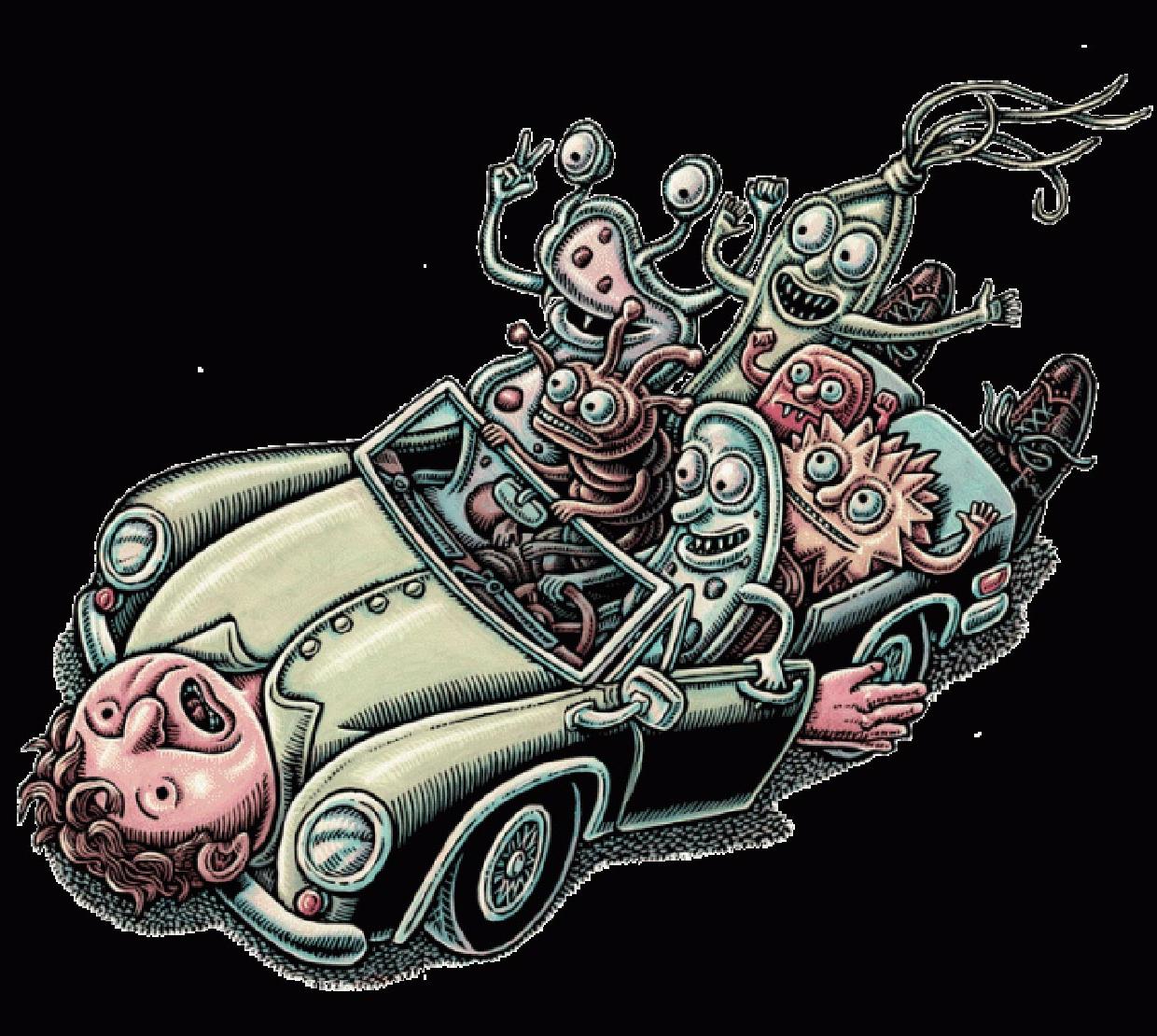
Lisa Haney painting of bacteria characters driving human car

Gut check: More than butterflies in our stomach

Illustration by Lisa Haney

Thomas Sharpton, a professor in both microbiology and statistics, will present a Science Pub to clarify exactly what the microbiome is, how it is studied and why it is important to our everyday lives. Sharpton will also discuss how our understanding of the microbiome will ultimately facilitate important social and medical transformations.

This Science Pub event will be held April 11, 2016, from 6 - 8 pm at the Old World Deli, 341 SW 2nd St. in Corvallis.

Recent research has revealed that the human body is covered in a diverse array of microorganisms. Most of these bacteria, viruses and fungi are located in the gastrointestinal tract. This community is collectively referred to as the gut microbiome and plays an important role in human health: disease resistance, some cancers, cardiovascular disease and our mental state. Changes in the microbiome have been linked to acute and chronic diseases and can even affect behavior. These observations raise the issue of what it means to be human.

During a postdoctoral research fellowship at the Gladstone Institute in San Francisco, Tom Sharpton developed new ways to analyze microbiome data.

“We take DNA from an entire consortium of cells that comprises the microbial community and sequence them all simultaneously. What we get is an alphabet soup,” he explains. “We use the computer to determine what DNA came from what organism.”

The Science Pub presentation is free and open to the public. Sponsors of Science Pub include OSU's Terra magazine, the Downtown Corvallis Association and the Oregon Museum of Science and Industry.

Check out upcoming Science Pubs.


Read more stories about: events, faculty and staff, microbiology, statistics


Debashis Mondal in front of brick wall

Statistics professor receives international award

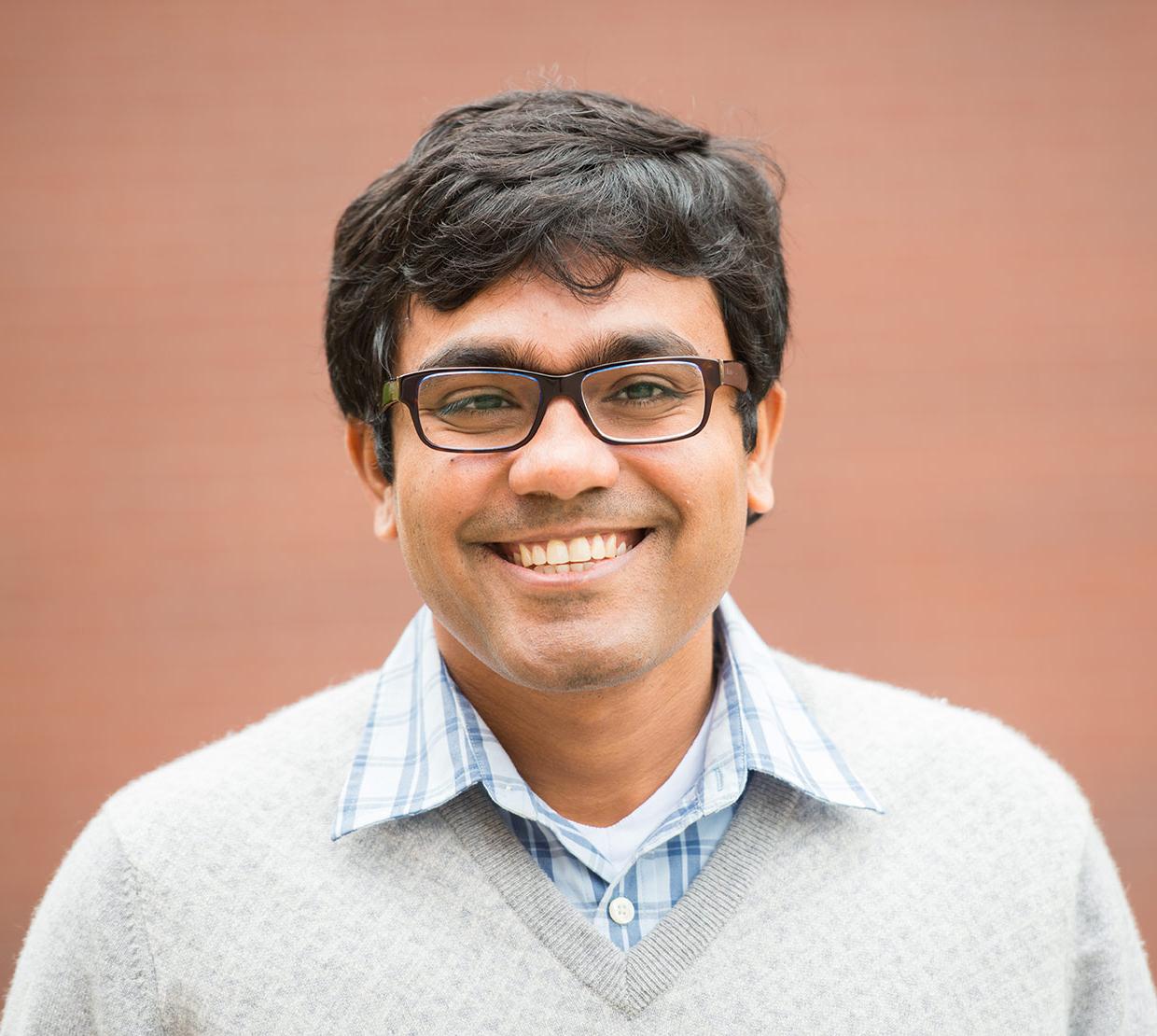
Debashis Mondal, assistant professor of statistics

The College of Science is proud to announce that Debashis Mondal, an assistant professor of statistics, has been awarded the 2015 Young Researcher Award by the International Indian Statistical Association (IISA). He joined the Department of Statistics in 2014 as one of the College's big data cluster hires.

The award recognizes young researchers who have contributed significantly to statistical methodology to solve real world problems. Awards are made to researchers who are 45 years old or younger and who are active members of IISA.

Mondal was recognized for his work in theory and methods. He focuses on methodological work related to spatial statistics, matrix-free methods, Markov Chain Monte Carlo computations and time series analysis with applications in agriculture, geographical epidemiology and environmental sciences.

“I am proud that Debashis has received this international recognition which speaks to his excellence as well as his tremendous potential in statistical sciences,” said Sastry G. Pantula, dean of the College of Science. “Data science is a key area of growth and investment for the College of Science and for OSU.”

Mondal received an NSF Faculty Early Career Development Award for his work in spatial statistics. NSF Career Awards are given to the best proposals from young researchers across the country and across scientific disciplines. He has also received NSF funding for his study, “Connecting Markov Random Fields with Geostatistical Models.”

In 2014, Mondal presented his work with late Julian Besag on “Exact goodness-of-fit tests for Markov chains” at the Joint Statistical Meetings. The talk was the 2014 Biometrics showcase session at the conference. Mondal is an Associate Editor for Environmetrics and the Journal of Planning and Statistical Inference, and has published articles in journals, such as Bernoulli, Biometrika and the Journal of Royal Statistical Society (Series B). Mondal is committed to service in the field of statistics and to IISA. He is leading efforts to host the 2016 IISA Conference at OSU in August.

Prior to joining OSU, Mondal was on the statistics faculty at the University of Chicago. He received his Ph.D. in statistics from the University of Washington and both his bachelor and master’s degrees in statistics from the Indian Statistical Institute in Kolkata, India.

student working on math homework holding calculator

Big Data expertise transcends disciplines

Impacting data science on transdisciplinary research

Data science is a strategic opportunity for the College of Science. By making strategic investments in mathematics, statistics and life sciences faculty, the College has extended its impact of data science on transdisciplinary research. In a science-without-borders approach, the College is deepening engagement between data science and other sciences, engineering, education, arts and business. Cluster hiring in bioinformatics across disciplines has brought expertise in mathematical biology; ecological, evolutionary, and functional properties of the microbiome; and deep sequencing data.

Read more about data science in the College of Science in our iMPACT magazine.

Charlotte Wickham, Statistics

“Our visual system is one of the fastest ways for us to consume information. The goal of my research is to harness this strength, not only to help scientists make discoveries, but also to engage and communicate with the public at large.

Charlotte Wickham in front of shrubbery

Charlotte Wickham, Statistics professor

“The object of visualization is very often not raw data. Particularly in the era of big data, summarization or modeling is an essential precursor to making sense of the data. Visualization becomes crucial to understanding how decisions at this stage propagate to conclusions and good visualization tools encourage experimentation with alternate approaches. We have methods for propagating statistical uncertainty through a data pipeline, but we are still learning how to best communicate uncertainty visually.

“There are interesting technical challenges along the way. For example, where should the data live? Can analyses be run on the fly, or do they require lengthy distributed computing? Can an approximate answer be achieved in a quicker manner? Is an approximate answer good enough for visualization purposes? Answering these questions requires close collaboration between computer scientists, statisticians and domain experts.”

Bringing data science to the non-data scientist. Wickham recently won first place in an international competition sponsored by EMC2 and hosted by Crowdanalytix . The contest was designed to visually reveal insights into the differences between a professional and amateur motorcycle rider based on data collected at the millisecond level from sensors on the bike, engine and rider during six laps of racing. Simply separating the data into laps posed a data exploration challenge. The iteration between data preparation and visualization was the key to separating the interesting from the uninteresting data.

Duo Jiang, Statistics

“My research aims at developing statistical and computational methods to address challenges posed by the growing amount, dimensionality and complexity of data in biological and biomedical research. A recent focus has been on correlated data methods in genetic association studies, functional enrichment analysis and biological network inference.

Duo Jiang in front of shrubbery and brick wall

Duo Jiang, Statistics professor

“Through interdisciplinary research and collaborations, I hope to make statistical innovations that not only provide improved data analysis, but also enable new ways of leveraging data to answer biological questions and transform study design considerations for researchers at OSU and in the broader scientific community.”

Debashis Mondal, Statistics

Mondal focuses on research applications in agriculture, geographical epidemiology and environmental sciences.

Debashis Mondal in front of brick wall

Debashis Mondal, Statistics professor

"Advances in the field of spatial statistics are important because they can be used to answer scientific questions in agriculture, astronomy, biomedical imaging, computer vision, climate and environmental sciences, epidemiology and geology.

"I seek to enhance scientific understanding of environmental bioassays, arsenic contamination of groundwater and geographic variations in cancer risk. My statistical and computational work addresses questions relevant to environmental or global change and to health studies. I am also interested in Markov chain Monte Carlo computations, time series, ranking and selection and random graphs and trees."

Sharmodeep Bhattacharyya, Statistics

“I work on developing statistical methods for network and high-dimensional data. Large network data sets are currently becoming quite common in several scientific fields from biological to social sciences. My work is focused on networks and high-dimensional data related to large scale -omics studies, neuroscience studies and social interaction studies.

Sharmodeep Bhattacharyya standing in front of Kidder Hall

Sharmodeep Bhattacharyya, Statistics professor

"The development of statistical methods to analyze large-scale data coming from several different experimental sources helps our understanding of complex systems, such as human brain, which has so far remained highly elusive.”

Davide Lazzati, Physics

David Lazzati in office space

Davide Lazzati, Physics

Lazzati's research is focused on understanding the physics of cosmic dust and gamma-ray bursts—the brightest and most mysterious explosions in the present day universe. He also studies theoretical high-energy astrophysics, quantum chemistry, soft condensed matter and numerical methods. He was among the first to realize the importance of time dependent effects in the interaction of the burst radiation with interstellar material.

Patrick De Leenheer, Mathematics and Integrative Biology - Bioinformatics hire

De Leenheer’s research interests include mathematical biology, differential equations and control theory. He brings extensive experience in developing instructional and scholarly bridges between mathematicians and biologists. Prior to joining OSU, he was on the mathematics faculty at the University of Florida for nearly 10 years.

Patrick DeLeenheer in front of shrubbery

Patrick De-Leenheer, joint appointments in Mathematics & Integrative Biology

De Leenheer earned a master of science electro-mechanical engineering and a Ph.D. in applied sciences from Ghent University in Belgium.

David Hendrix, Biochemistry & Biophysics - Bioinformatics hire

David Hendrix in front of grey backdrop

David Hendrix, Biochemistry and Biophysics

Hendrix’s lab focuses on understanding the structure, function and mechanisms of action of non-coding RNAs. Since the discovery of numerous non-coding RNAs in the past decade, their function is still largely unknown. Hendrix uses structure prediction, genome-wide sequence analysis and deep sequencing data to explore the roles these molecules play in gene regulation. His team also develops algorithms to understand different areas of computational biology.

Thomas Sharpton, Microbiology and Statistics - Bioinformatics hire

Sharpton is developing the quantitative biology curricula and is teaching courses in bioinformatics and microbial genomics. His research team focuses on characterizing the ecological, evolutionary, and functional properties of the microbiome—the vast collection of microorganisms that live on our bodies.

Thomas Sharpton in front of grey backdrop

Thomas Sharpton, joint appointments in Microbiology and Statistics

The team seeks to better understand how the physiologies of our body and our microbiome interact. Their work is interdisciplinary, relying heavily on microbiology, bioinformatics and systems biology, and borrowing from molecular biology, computer science, and statistics.

David Koslicki, Mathematics - Bioinformatics hire

"My research is mainly data-driven as I primarily develop new mathematical techniques to answer biological questions in genomics. Studying metagenomics in particular, I routinely analyze DNA sequencing data with sizes ranging from 10's of gigabytes to 10's of terabytes. Thankfully, Oregon State is well equipped to facilitate analyzing this sort of data, particularly with the Center for Genomics Research and Biocomputing.

David Koslicki in front of brick wall

David Koslicki, Mathematics professor

"The recent discoveries regarding the human microbiome make it an exciting time to be at the interface of biology, mathematics, and computer science."

Koslicki’s research focuses on bioinformatics and the application of tools from the mathematical theory of symbolic dynamical systems to problems in genomics. He is currently interested in problems stemming from the field of metagenomics: the study of bacterial communities through their sampled DNA. He uses a variety of big data techniques, including compressed sensing, probabilistic data structures, and high-performance computing.

Joe Beckman, Biochemistry and Biophysics

“Researchers increasing collaborate across OSU and around the world to better understand what we are exposed to in everyday life, what the cellular actions of these exposures are and how we respond biochemically to these exposures. This involves measuring thousands of chemicals, tens of thousands of genes that are changing, and hundreds of thousands of biochemical molecules.

Joe Beckman sitting in lab

Joe Beckman, Distinguished Professor in Biochemistry & Biophysics; Burgess and Elizabeth Jamieson Chair

"The integration and management of these data has become a major challenge as has learning how to make the result comprehensible to the public and to decision makers.”

Juan Restrepo, Mathematics

Restrepo's research is focused on uncertainty quantification, ocean dynamics, climate, oil/pollution transport and acoustics. He has worked on bio-related homeland security work as a visiting professor at Los Alamos National Laboratory, bone dynamics, voting theory as well as climate dynamics research.

Juan Restrepo in front of brick wall

Juan Restrepo, Mathematics professor

"Elucidating whether a present or future extreme event has low probability, and/or is the result of a changing world is fundamental to developing risk analyses. Finding ways to improve the chances of a fast and cheap recovery after a disaster (rather than of avoiding it) is of great social interest. Producing better predictions from complex dynamic models by combining data and models, taking into account their inherent uncertainties, has high practical engineering and scientific impact.

"The two aspects that distinguish our research, which focuses on extremely high-dimensional problems, are 1) we work with time dependent processes, in which classical equilibrium notions are not applicable, and 2) we work with processes that generate outcomes which are not simply characterized by their mean and their variance.

"My group combines data/observations and methods from probability and statistics, statistical physics, machine learning, and dynamics in order to propose new methods for answering questions in climate, ocean processes, disaster recovery and resilience in natural and man-made systems.

Benjamin Dalziel, Mathematics and Integrative Biology

Dalziel is a population biologist working at the interface of theory and data. He uses mathematical models to uncover causal connections among different types of times-series data, including high-resolution data on animal movement patterns, population density, and the incidence of infectious disease.

Ben Dalziel in front of brick wall

Ben Dalziel, joint appointments in mathematics & integrative biology

"I want to know how populations work: Why do epidemics of infectious diseases happen more often in some cities than others? In addition, what leads migratory animals to “flock” over long distances each year, and how does this affect their vulnerability in a changing world?

"To me, data science is about integrating diverse sources of information--such as environmental measurements, behavior and genetic data--to predict how complex adaptive systems like a group of interacting animals will respond. This is part of a systems–based approach to understanding nature, and it’s made possible by recent increases in the volume and quality of data available.

"But big data is noisy, and a challenge now is how to develop rigorous approaches for extracting “signals” from the all the noise. This isn’t the statistics you learned in school – it’s new, and it’s a bit wild. In a way, data science is about approaching wilderness – that which defies the mind’s attempts at appropriation, as the poet Don McKay says."

Data notes and laptop on table

Data Science

By Debbie Farris

Extracting knowledge from a torrent of information

The amount of data has been exploding. Everything from health records, environmental monitoring, agriculture and online behavior with clicks, “likes,” tweets and purchases generate data every second. With this proliferation of data, the ability to analyze large data sets—big data—has become a platform of competition. It is a key driver of productivity, innovation and market demand. A high-level panel set up by the United Nations Secretary General recently reported that for too long global development efforts have been hampered by a lack of the most basic data about the social and economic circumstances in which people live. Traditional ways of analyzing and presenting data no longer meet the needs of society. Data science is a key area of growth and investment for the College of Science and for OSU because it is highly relevant, we have an obligation, we have key strengths and there is tremendous opportunity.

First, big data is highly relevant in a 21st century world. It satisfies a growing need to manage, analyze and interpret massive, complex data sets to solve problems and to better inform decision makers across disciplines, from policy and industry to education and agriculture. Because data analysis techniques are complex, the meaning can be misunderstood by those charged with prioritizing, designing, leading and implementing public policy.

Angus Deaton, the 2015 Nobel Laureate in Economics, spoke recently about the importance for better data that leads to better lives. Understanding patterns in large data sets is extremely important and has tremendous impacts on our world. As he said in an interview on PBS Newshour, “…most of the numbers we have are not ‘given.’ They’re produced by statistical offices, many of whom are under terrible budget pressure... and if we don’t know what sort of progress we’re making and how we’re doing, we don’t really know where we are.”

Understanding patterns in large data sets is particularly important. The outcomes have tremendous impact on our world. In its 2015 report, The Internet of Things (or sensors and actuators connected by networks to computing systems), McKinsey & Company advised that “if policy makers and businesses get it right, linking the physical and digital worlds could generate up to $11.1 trillion a year in economic value by 2025.”

OSU’s Strategic Plan 3.0 outlines its commitment to leveraging technology as a strategic asset:

“Technology and information occupy a critical role in a 21st century university….. Greater accountability, enhanced expectations of a current generation and growth in the development, management and delivery of digital resources point to the expanding role that big data, analytics and information technologies provide as a strategic enabling asset.”

By aligning with national and global priorities for big data, the College of Science is able to lead big data analytics at OSU and beyond.

“Data science is the heartbeat of 21st century global economies, and innovations in sciences, engineering, business, and education are becoming increasingly computationally- and data-enabled,” explains Sastry G. Pantula, dean of the College of Science.

“Strategic investments in data analytics research and in training future data scientists will have long-term payoffs not only for our students, but also for industry and society.”

Secondly, we also have an obligation and a responsibility to educate the next generation of data scientists with computational-thinking and data analytics skills to solve our most pressing challenges as part of a 21st century workforce. Tomorrow's leaders in science will need to manage large data sets by extracting useful, actionable information and by developing new statistical methods, mathematical models, visual analytics and computational algorithms.

Given the interdisciplinary, collaborative research that is a hallmark of the university, Oregon State and the College of Science are well positioned to lead a data science initiative. Data science can expand the university’s footprint and impact in one of the fast-growing fields and create an area of innovation and distinction in mathematical and statistical science.

In a landmark report on "Big Data: The next frontier for innovation," McKinsey & Company forecasted a national shortfall of 150,000 master’s-level professionals trained in data analytics with the ability to manage big data. To address this shortage, the College is developing undergraduate courses and is creating an online master’s program in data analytics. The business school is developing a business analytics option for their MBA program.

Third, data science capitalizes on our strengths and hallmark collaboration while transcending disciplines, moving seamlessly between research and classrooms. Data science will expand the university’s footprint, positioning it as a leader in the statistical, mathematical and computational sciences. OSU’s premier Center for Genomics Research and Biocomputing comprising scientists from a wide-range of disciplines, including statisticians, are using large datasets to conduct research in bioinformatics, biological computing and genomic biosciences.

The College is developing a distinct research and education program in data sciences that integrates OSU strengths in computer science, genomics, statistics, mathematics, and applied sciences and policy.

With data sciences programs at Stanford University, University of California-Berkeley and University of Washington, a complimentary program at OSU would provide synergistic opportunities with these peers, and attract students and researchers from around the globe to Oregon.

Strategic investments in mathematics, statistics and life sciences faculty have extended the College’s impact of data science on transdisciplinary research. In a science-without-borders approach, the College is deepening engagement between data science and other sciences, engineering, education, arts and business. Cluster hiring in bioinformatics across disciplines has brought expertise in mathematical biology; ecological, evolutionary, and functional properties of the microbiome; and deep sequencing data.

And finally, data science offers abundant opportunity. By aligning our expertise with market and national needs, federal priorities and funding opportunities, the College and OSU will advance the White House’s Big Data Research and Development Initiative, which seeks to accelerate the pace of discovery in STEM and transform teaching and learning by improving our ability to extract knowledge and insights from large, complex collections of digital data.

Last year, the federal government allocated $200 million for R&D in big data. Our peers are following this growth opportunity. This past year, the University of California, Berkeley was awarded a $10 million grant for an “Expeditions in Computing” project to explore aspects of managing large data sets. Clearly, funding opportunities are available in this burgeoning area that would generate research grants for OSU.

Funding agencies are following suit. NSF has encouraged “research universities to develop interdisciplinary graduate programs to prepare the next generation of data scientists and engineers.” The National Institutes of Health created Big Data to Knowledge (BD2K), a trans-NIH initiative to enable biomedical research as a digital research enterprise, to facilitate discovery and support new knowledge. NIH contends that the ability to harvest the wealth of information contained in biomedical Big Data will advance our understanding of human health and disease.

Our peers are following this growth opportunity. This past year, the University of California, Berkeley was awarded a $10 million grant for an “Expeditions in Computing” project to explore aspects of managing large data sets. Clearly, funding opportunities are available in this burgeoning area that would generate research grants for OSU.

In a boon to OSU’s marine science and big data initiatives, NSF recently awarded OSU its NSF Research Traineeship award to build cohorts of leaders in marine science, data and policy. The five-year, $3 million award will prepare a new generation of natural resource scientists and managers who will combine mathematics, statistics, and computer science with environmental and social sciences to study, protect and manage ocean systems.

In other words...

"Marine, earth and atmospheric studies of tectonics, ocean acidification and clouds, through the use of massive data collection and search algorithms are helping us to understand the pace and consequences of climate change.”

“Today, predictive analytics applied to the big data regarding education pathways taken by thousands of students over a dozen years can help us diagnose the education choices made by individual students from diverse backgrounds to determine what they need to change to be successful.” —Ed Ray, President, Oregon State University

“It has been said that we can't know everything, but we can know quite a lot. How that knowledge comes about is evolving rapidly. We now routinely gather massive amounts of data on our environment, our bodies, and our behaviors. Until the emergence of the field of informatics, much of that knowledge remained locked away and unavailable to scientific study.” —Cynthia Sagers, Vice President of Research, OSU

“If the liberal arts are charged with tackling society’s most challenging problems, big data represents a powerful new tool for manipulating, sorting and analyzing the nearly endless amount of information that humanists and social scientists must sift through and harness in their quest to find answers.” —Larry Rodgers, Dean, College of Liberal Arts

“Precision agriculture will help meet the food, fuel and fiber needs of a growing population. Underpinning precision agriculture is the use of Big Data, which includes many types of sensors collecting soil and field data on increasing smaller scales thereby creating more and more data. Data analytics use that information to make smart management decisions which lead to increased production efficiency and higher quality farm gate products.” —Dan Arp, Dean, College of Agricultural Sciences

“Studying learning has always been about the individual and about populations. Today available data has exploded in both contexts. We can study learning of whole communities as well as millions of social network ripples from a national event. Also we are studying student- and teacher-level data across an entire educational pathway.” —Larry Flick, Dean, College of Education

“I believe that big data will become increasing important to every aspect of engineering, from understand the Cascadia Subduction Zone to the design of our autonomous systems we use to collect that data.” —Scott Ashford, Dean, College of Engineering

“Big data is transforming higher education, both in the ability to truly and deeply understand what actions impact student success, and in the discovery and creation of new knowledge and insights through research. From the vast arrays of instrumentation in our research enterprise to the interactive systems and smart devices used by faculty and students, we are amassing data at a rate far beyond what we had even a few years ago.

"Our ability to realize the potential of big data in educational and research endeavors depends upon our ability to effectively collect, analyze and leverage this data.” —Lois Brooks, Vice Provost for Information Services

“With the advent of the Internet, it became clear that society would soon be swimming in a sea of data and the role of a university would be to help learners navigate to success through that sea. Now though, it is the university itself that is inundated with data—learner data, demographic data, demand data, market data. Our success will be completely dependent on harvesting decision data, in some cases in real-time, and steering the ship accordingly.” —Dave King, Associate Provost of Outreach and Engagement
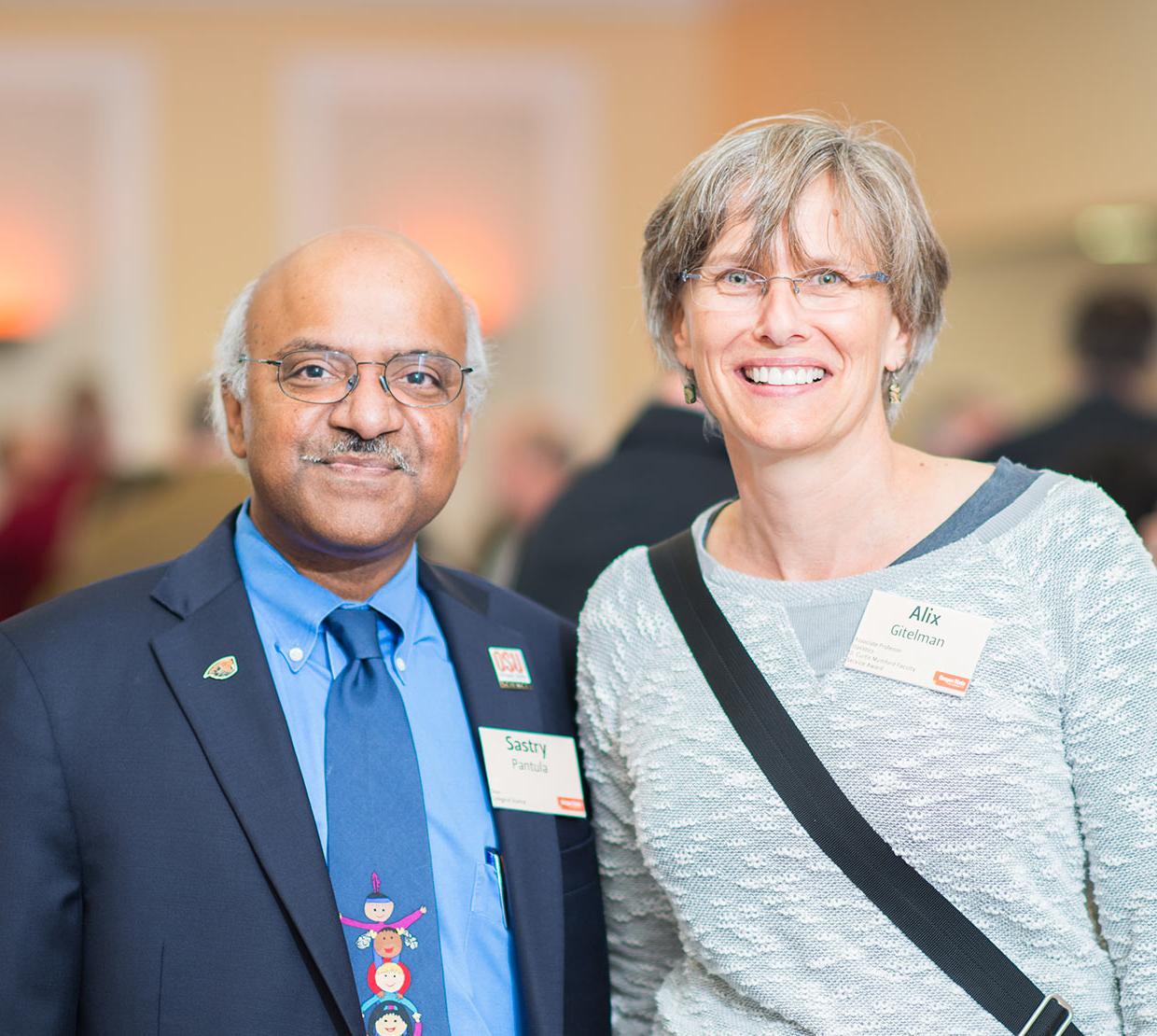
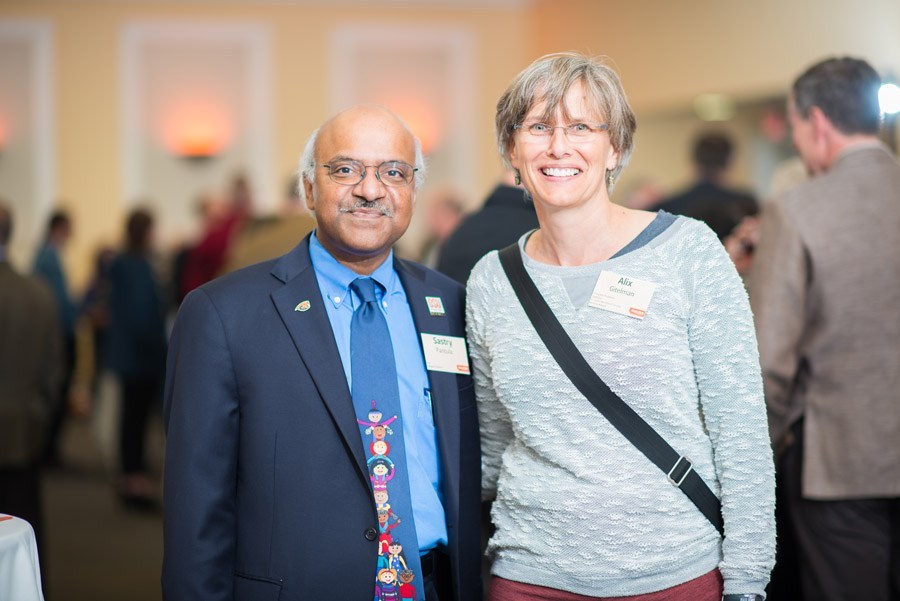
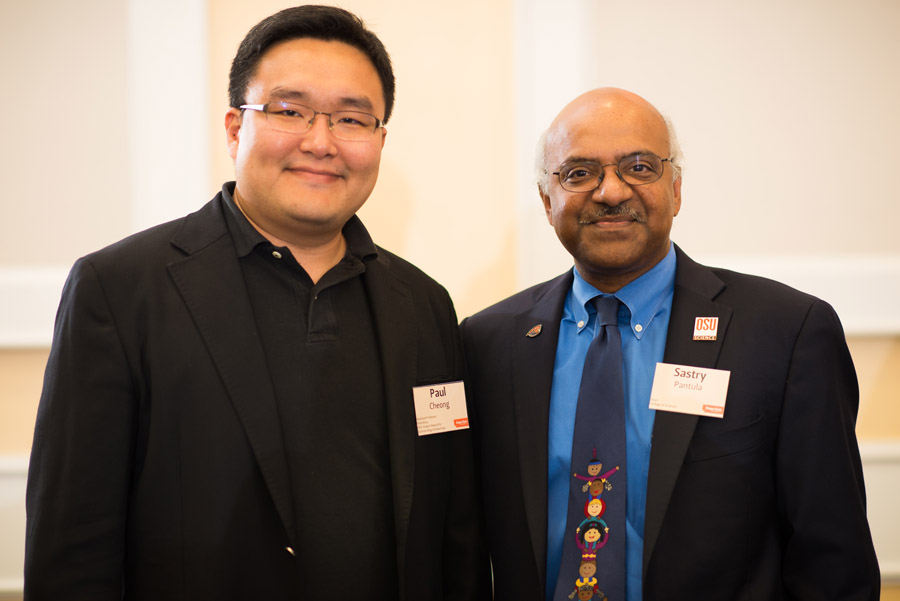
Sastry Pantula and Alix Gitelman standing next to each other

Science scores big on University Day 2015

Dean Sastry Pantula and D. Curtis Mumford Faculty Service awardee Alix Gitelman, Statistics

»If you missed 2015 University Day, watch the Keynote presentation and President Ray's remarks.

Oregon State University ushered in the new academic year by honoring the accomplishments of its outstanding faculty, students and staff on 2015 University Day held September 21.

Not surprisingly, faculty and students of the College of Science won quite a few of the most prestigious university awards for excellence in professional achievement, research, teaching and dedicated service.

“I am extremely proud of our faculty and students. I am happy to see their excellence in scholarship, service, teaching and mentoring recognized across the university,” said Sastry G. Pantula, dean of the College of Science. “Keep up the excellent work!”

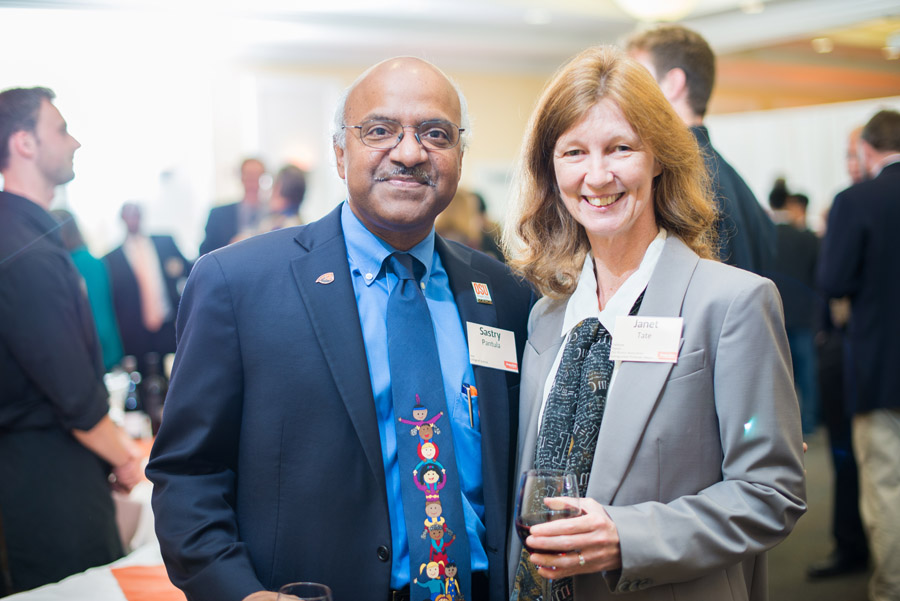
The OSU Alumni Association Distinguished Professor Award recognizes a person who demonstrates outstanding professional achievement through teaching and scholarship, service to the university and the community, and professional leadership, nationally and internationally. In 2015, the honor was presented to Janet Tate, professor in the Department of Physics. Tate also received the College’s FA Gilfillan Memorial Award for Distinguished Scholarship in Science.

The D. Curtis Mumford Faculty Service Award recognizes individuals for exceptional, ongoing, dedicated and unselfish concern for and service to OSU faculty. 2015's honoree is Alix Gitelman, professor in the Department of Statistics.

The Promising Scholar Award recognizes the scholarship of junior faculty. The 2015 recipient is Lan Xue, an associate professor in the Department of Statistics.

The OSU Impact Award for Outstanding Scholarship recognizes OSU faculty who have demonstrated outstanding scholarship in a specific project or activity resulting in substantial impact beyond the university setting. This year's honoree is Paul Ha-Yeon Cheong, associate professor in the Department of Chemistry.

The University Mentoring and Professional Development Award recognizes those who excel in supporting and encouraging OSU employees to participate in professional and/or educational development opportunities. The 2015 recipient is Staci Simonich, professor in the Departments of Environmental and Molecular Toxicology and in Chemistry. Simonich received double honors, also receiving the Excellence in Graduate Mentoring Award, which honors graduate faculty who have extraordinary records of excellence and effectiveness in mentoring graduate students.

The Herbert F. Frolander Graduate Teaching Assistant Award recognizes graduate students who have excelled in their capacity as teaching assistants. For 2015, this honor is given to Christopher Almlie, a graduate teaching assistant with the Department of Chemistry and to Emerald Stacy, a graduate teaching assistant in the Department of Mathematics. Read more on Emerald Stacy.

Other University Day events included the 2015 University Day OSU Expo designed to showcase the work and opportunities provided by units at OSU to fellow staff and faculty as well as a free lunch for attendees.

Welcome remarks were delivered by Faculty Senate President, Mike Bailey and the keynote presentation was made by Executive Director of Gallup Education, Brandon Busteed.

Note: Ironically, Dr. Simonich is not pictured because she took five of her graduate students to Bordeaux, France for a conference to present their research and could not attend the award dinner.

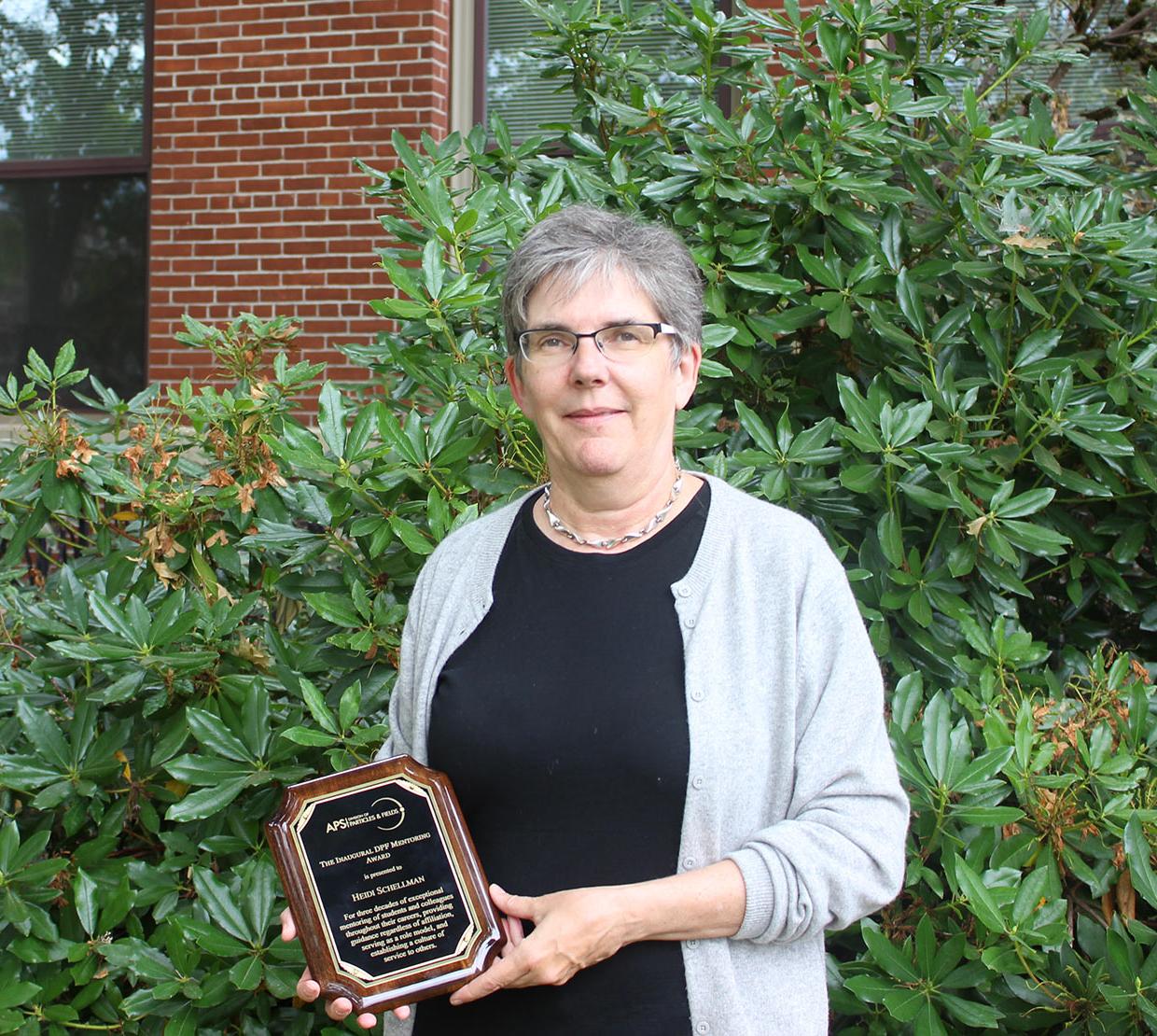
Heidi Schellman holding award in front of shrubbery

Physics professor garners national and international honors

Heidi Schellman, professor and head of the Department of Physics

Heidi Schellman, professor and head of the Department of Physics, is the newly elected vice chair of the Commission on Particles and Fields within the International Union of Pure and Applied Physics (IUPAP). The newly elected officers met recently at the International Center for Theoretical Physics in Trieste, Italy.

IUPAP promotes international cooperation in physics and sponsors four types of international and regional conferences, including general, topical and special conferences as well as workshops in developing countries. IUPAP Commissions also sponsor Young Scientist Prizes to recognize outstanding early-career physicists in addition to awards recognizing excellence in the subfields of physics represented by the Commissions.

In addition to enhancing OSU Physics’ global reputation, Schellman has received the inaugural 2015 Mentoring Award by the American Physical Society’s (APS) Division of Particles and Fields.

The APS unit award recognizes physicists who have had an exceptional impact as mentors of particle physics scientists and students through teaching, research or science-related activities. The award honors contributions in the areas of mentoring early career physicists, including those from traditionally underrepresented backgrounds and for developing early career research and career development activities.

Schellman received the award last week at the 2015 meeting of the APS Division of Particles and Fields hosted by the University of Michigan, Department of Physics.

“I was very surprised and honored to receive this award," said Schellman. “I try to maintain connections with all of my former students and apparently they remember me, too. It has been a real thrill seeing them grow into scientific leaders.”

Schellman joined OSU’s Physics Department last year following an outstanding career as Professor and Chair of the Department of Physics and Astronomy at Northwestern University’s Weinberg School of Arts and Sciences. She had been on the faculty there since 1990. In her extensive career as a physicist, Schellman has not only made pioneering contributions in the area of experimental high energy physics, but has also had an extraordinary impact on the careers of scores of young scientists and students.

The Mentoring Award committee commended Schellman for “three decades of exceptional mentoring of students and colleagues throughout their careers, providing guidance regardless of affiliation, serving as a role model, and establishing a culture of service to others.”

At OSU, Schellman has already formed a research group with two undergraduates, Gabriel Nowak and Evan Peters. All undergraduate physics majors are required to complete a research thesis so Gabriel and Evan a getting a head start analyzing data from the MINERvA neutrino experiment at Fermilab. One of Schellman’s goals as Head of the Physics Department is to increase research opportunities for physics students, both at Oregon State across the country through national summer research programs.

“Heidi Schellman is an exceptional mentor, teacher and scientific leader,” said Sastry G. Pantula, Dean of the College of Science.

“I am thrilled that she has been recognized with this tremendous national honor which speaks to her passion to mentor generations of physicists. We are extremely fortunate to have her leadership skills in the College and in the Department of Physics where she will have an incredible impact on students.”

Schellman’s dedicated support and encouragement of early career physicists is unparalleled say her students. Her award, says former student Geralyn (Sam) Zeller, is a testament to the loyalty and admiration of a large number of early career physicists—graduate students, postdocs and junior faculty—whom Schellman has taken under her wing over the years.
“Personally speaking, I am one of the people who has been a beneficiary of Heidi’s vigilant support and continued mentoring," said Zeller, who was Schellman’s Ph.D. student at Northwestern and currently leads a team of more than 100 physicists at Fermilab on the MicroBooNE experiment.
"Being a woman in physics has not always been easy, and I would not have stayed in physics if it had not been for Heidi,” added Zeller.

At Northwestern, Schellman served as Associate Dean for Research in the Weinberg College of Arts and Sciences from 2004-2007 where she successfully reconfigured funding packages to increase guaranteed support for humanities graduate students from four to five years.

As department chair she focused on improving support for undergraduate students in Introductory Physics courses by creating smaller classes and introducing drop-in tutoring.
Schellman has also developed innovative courses to better prepare students from underrepresented groups for successful careers in academia. These include a data analysis and programming course to prepare students for research in their junior and senior years, a rigorous Qualifying Boot Camp course for graduate students and a course on research conduct.

Although widely admired for her unstinting guidance and mentorship, Schellman remains modest about her impact on the careers of many physicists.

“When I told Heidi she had won the award she was obviously surprised! She said, ‘I thought everyone did that.’ It’s proof of Heidi’s generosity and selflessness that she doesn’t realize how exceptional she really is,” said Robert Bernstein who was in charge of the Mentoring Award and is a member of the executive committee of APS’s Division of Particles and Fields (DFP).

“Everyone she works with is touched by her care and hard work for others. The DPF is honored to give her this Inaugural Award,” added Bernstein.

Schellman’s leadership and role as a mentor is matched by her achievements as a particle physicist. Her research has focused on measurements of proton structure and electroweak parameters. She is a Fellow of the American Physical Society, and is an outstanding researcher.

Schellman has served as consultant on technical issues related to high-energy and nuclear physics for the U.S. Department of Energy and is currently a member of the scientific advisory panels for the European Center for Nuclear Research (CERN), for Brookhaven National Laboratory in New York and for the Jefferson National Laboratory in Virginia.

She received her bachelor’s degree in mathematics from Stanford University and her Ph.D. in physics from the University of California, Berkeley.

Seattle, Washington Space Needle and skyline

Statistics alumni reconnect at JSM 2015

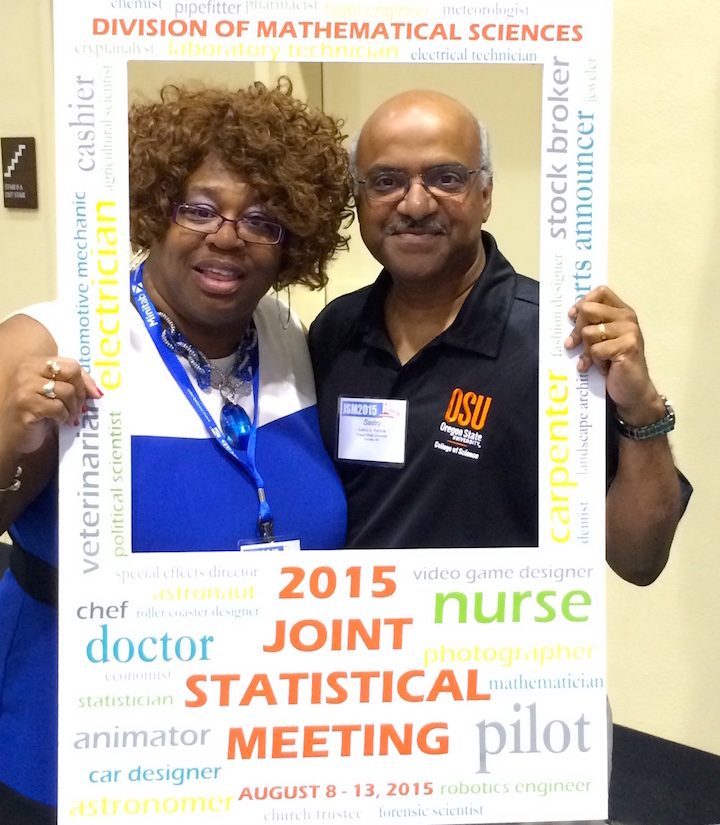
American Statistical Society's 2015 Joint Statistical Meetings (JSM) hosted in Seattle, Washington

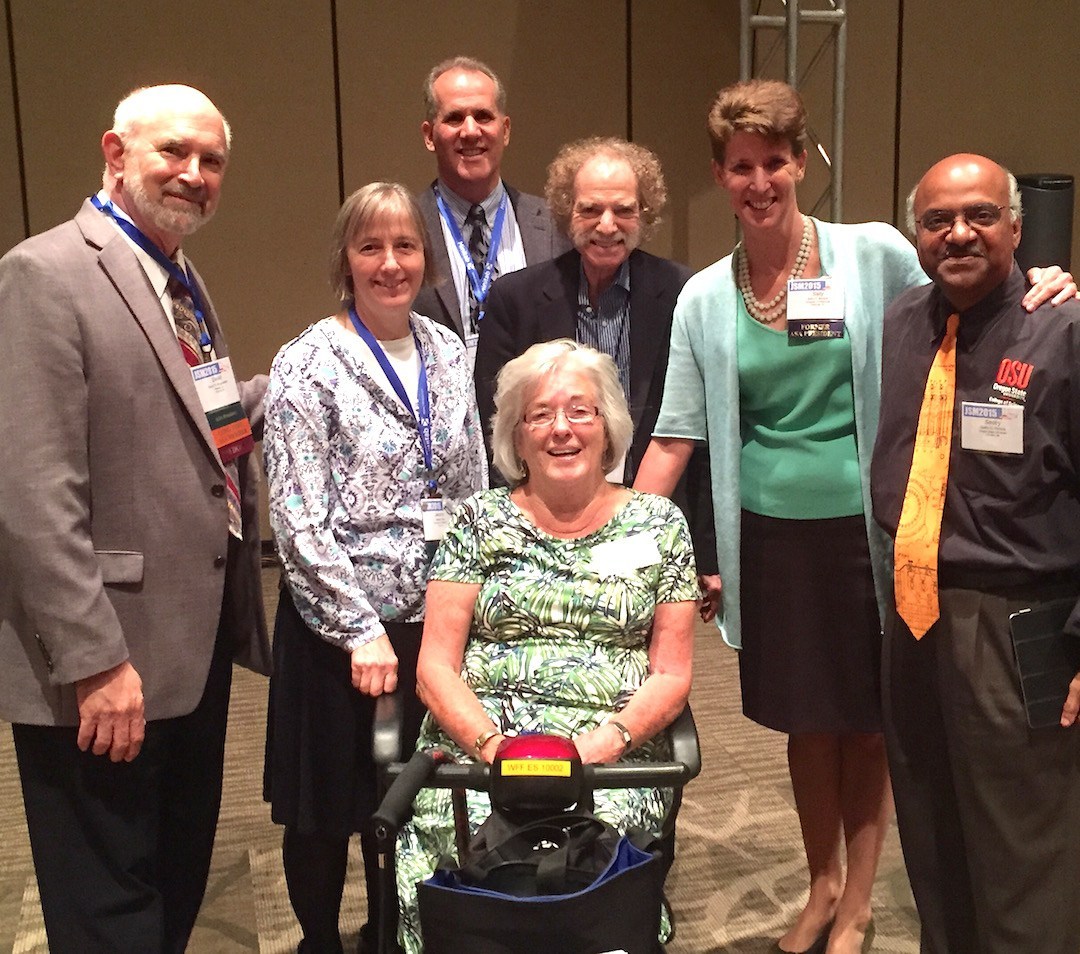
Statistics alumni had a strong showing at the American Statistical Society's 2015 Joint Statistical Meetings (JSM), which drew record attendance at its annual conference in Seattle August 8-13, 2015. The event is the largest gathering of statisticians held in North America.

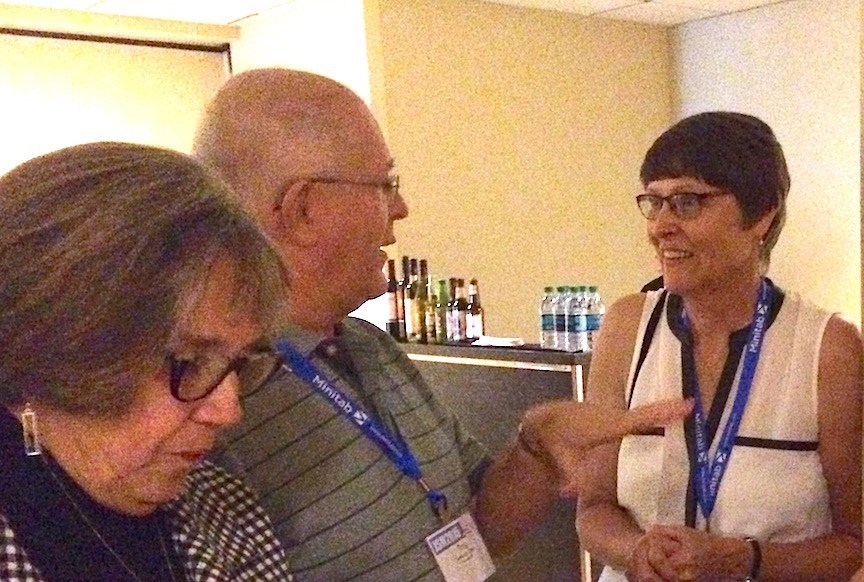
The Department of Statistics hosted an alumni event which served as a mini "reunion" for graduates of the program to reconnect with faculty and friends.

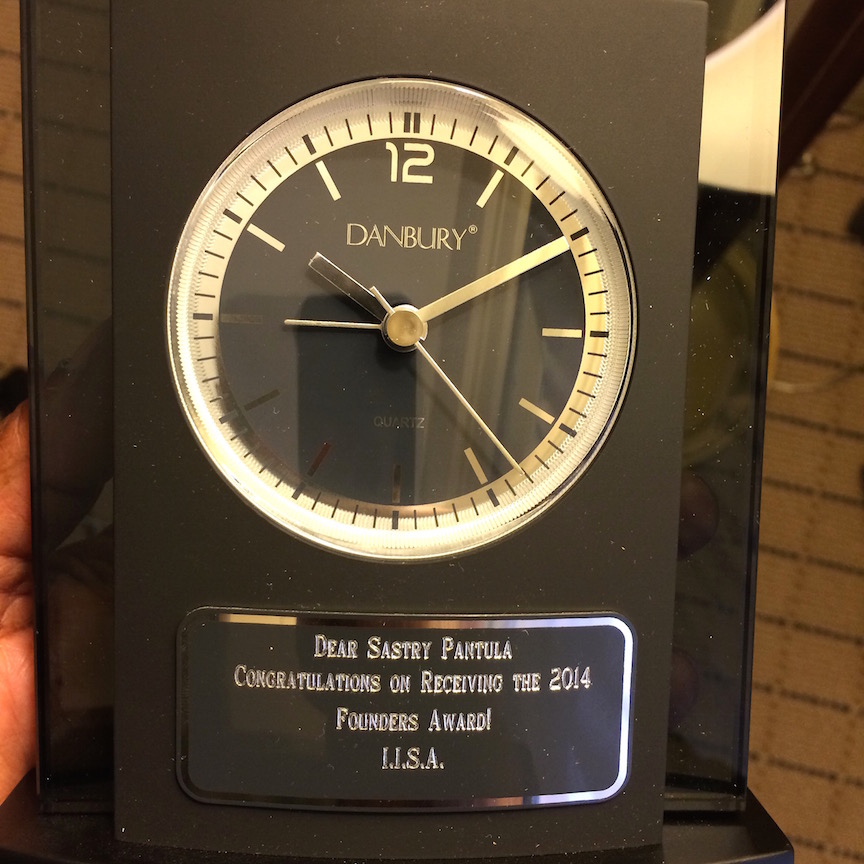
Mathematics professor Ed Waymire collected his 2014 Carver Medal and Dean Sastry Pantula was recognized with a gift from The International Indian Statistical Association (IISA) for receiving the 2014 Founders Award from ASA.

Star icon above light texture

Faculty excellence: Promotions and tenure 2015

Promotions and tenure 2015

The College of Science is proud to congratulate the following faculty for receiving promotions and/or tenure this spring. A well deserved pat on the back for their excellent work!

Tremendous consideration goes into each promotion and tenure decision. The dean’s office, department chairs, promotions and tenure committee members, faculty, external reviewers, students who offer letters of support, and of course the individual faculty member spends many hours preparing, processing and reviewing the documentation. The process is extremely rigorous in order to award the best candidates for promotion and/or tenure.

Special thanks to our College of Science Promotions and Tenure Committee for devoting a significant time this spring engaged in the review process. Also, thanks to the provost and the University Promotions and Tenure Committee for their hard work in evaluating and supporting the outstanding accomplishments of our faculty.

Biochemistry & Biophysics Department

Lanelle Connolly has been promoted to Senior Faculty Research Assistant I of Biochemistry and Biophysics, effective July 1, 2015.

Dr. Indira Rajagopal has been promoted to Senior Instructor II of Biochemistry and Biophysics, effective July 1, 2015.

Chemistry Department

Dr. Christopher M. Beaudry has been promoted to Associate Professor of Chemistry and granted indefinite tenure, effective September 16, 2015.

Dr. Ha Yeon (Paul) Cheong has been promoted to Associate Professor of Chemistry and granted indefinite tenure, effective September 16, 2015.

Dr. Jeff Walker has been promoted to Senior Instructor II of Chemistry, effective July 1, 2015.

Paula Joy Edwards Weiss has been promoted to Senior Instructor I of Chemistry, effective July 1, 2015.

Integrative Biology Department

Dr. Lesley Mae Blair has been promoted to Senior Instructor II of Integrative Biology, effective July 1, 2015.

Dr. Francis Chan has been promoted to Associate Professor, Senior Research of Integrative Biology, effective July 1, 2015.

Eileen Shin Yeu Chow has been promoted to Senior Faculty Research Assistant I of Integrative Biology, effective July 1, 2015.

Mark Lavery has been promoted to Senior Instructor II of Integrative Biology, effective July 1, 2015.

Dr. David Lytle has been promoted to Professor of Integrative Biology, effective September 16, 2015.

Mathematics Department

Dr. Christine Escher has been promoted to Professor of Mathematics, effective September 16, 2015.

Dr. Filix Maisch has been promoted to Senior Instructor I of Mathematics, effective September 16, 2015.

Microbiology Department

Dr. Linda Diane Bruslind has been promoted to Senior Instructor II of Microbiology, effective July 1, 2015.

Dr. Katharine Field has been promoted to Professor of Microbiology, effective July 1, 2015.

Statistics Department

Dr. Yanming Di has been promoted to Associate Professor in Statistics and granted indefinite tenure, effective September 16, 2015.

Dr. Alix Gitelman has been promoted to Professor of Statistics, effective September 16, 2015.

Keep up the excellent work!

Subscribe to Faculty and Staff