Faculty and Staff

Faculty and Staff

manta ray swimming though krill

Bio+Math

By Srila Nayak

Sting Ray swimming through krill near ocean surface

The ever-growing field of mathematical biosciences

In the last two years, the College of Science has focused on augmenting its expertise in data and life sciences with strategic hires in mathematical biology and bioinformatics. Almost immediately the new faculty have strengthened interdisciplinary and collaborative research in the College as well as across OSU.

These faculty have quickly connected with scientists across campus, paving the way for interdisciplinary research and broader training of graduate and undergraduate students in different areas of science.

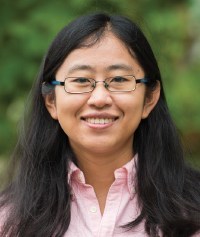
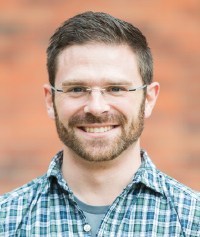
Among the key hires are David Hendrix, assistant professor of biochemistry/biophysics and computer science; Duo Jiang, assistant professor of statistics; David Koslicki, assistant professor of mathematics; Patrick De Leenheer, professor of mathematics and integrative biology; Thomas Sharpton, assistant professor of microbiology and statistics.

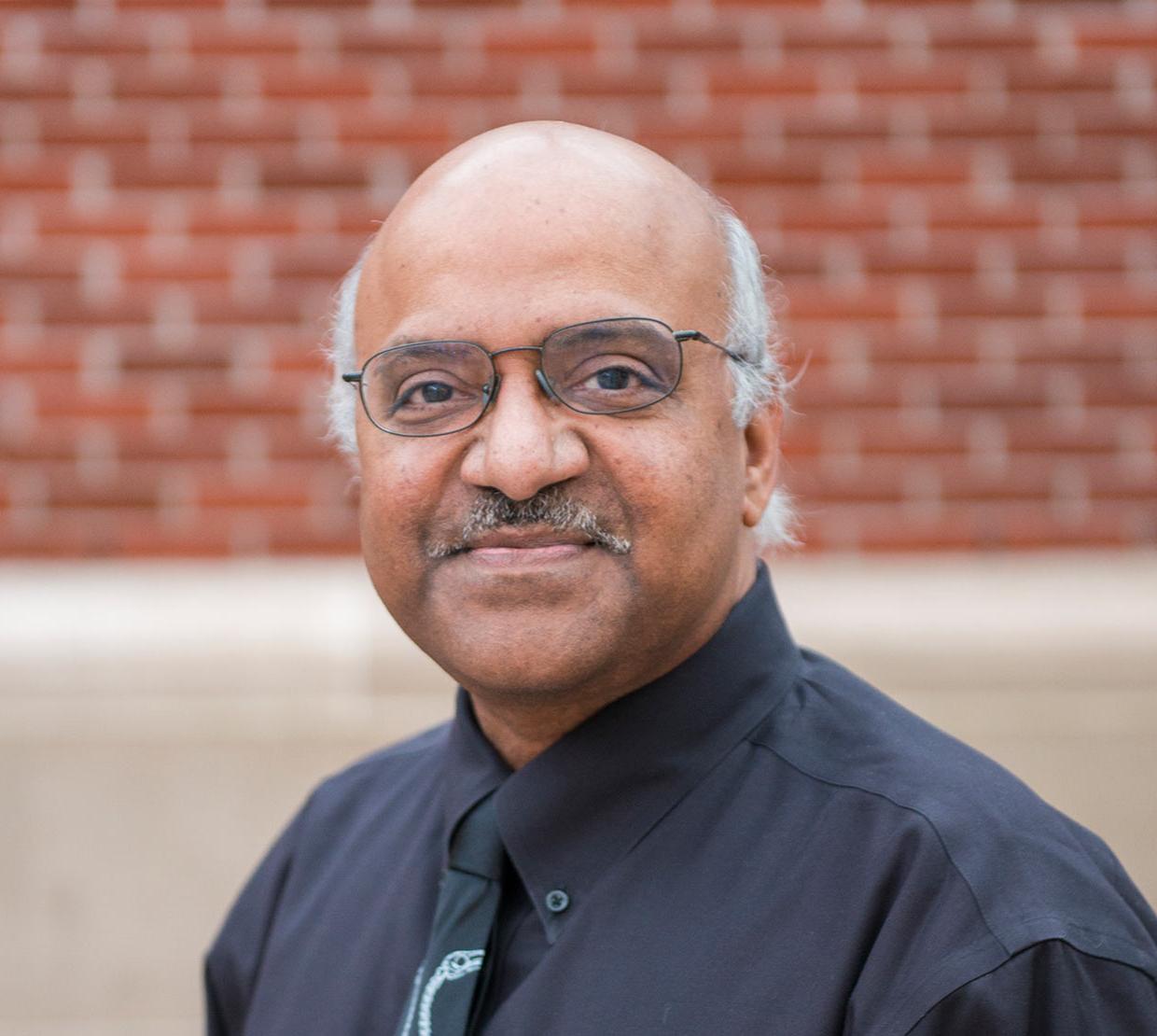
“I am thrilled to welcome this extraordinarily talented cohort to the College,” said Sastry G. Pantula, dean of the College of Science.

“They will strengthen our foundation in fundamental sciences while building bridges to enable discoveries in other sciences, engineering and education.”

While the need for mathematical biosciences has grown rapidly due to massive sets of data in life sciences, computational and mathematical algorithms and new statistical methodology, the current community of mathematical bioscientists remains relatively small. The new faculty will strengthen the College’s efforts to advance research at the intersection of mathematical, statistical and biosciences research and nurture a new generation of scientists in a comprehensive, systematic way.

Mathematical Biology: What is it?

De Leenheer is one of a growing number of researchers worldwide who works in both the mathematical and biological sciences. De Leenheer uses mathematics to better understand how a variety of biological systems behave.

Although mathematical biology evolved throughout the twentieth-century, only in the last couple decades has it become its own branch of applied mathematics, primarily because research in biology and medicine has become more dependent on mathematics and computation. To illustrate, federal agencies such as NSF have initiated programs in Mathematical Biology and Research at the Interface of Biological, Mathematical and Physical Sciences.

De Leenheer uses dynamical mathematical models that describe and illuminate biological processes ranging from the cellular to the ecological scale. Currently, he is developing new modeling approaches for the analysis and design of Marine Protected Areas (MPA) to enhance fisheries as part of an NSF-funded project. This work will be instrumental in better informing policymakers on MPA implementation.

Bioinformatics: The new age of data

Bioinformatics professors David Koslicki and Thomas Sharpton have found Oregon State particularly favorable for their research, thanks to the extremely collaborative culture and the high-quality biological and computing resources at the Center for Genome Research and Biocomputing.

“A transdisciplinary field, bioinformatics requires expertise in biology, computer science, mathematics and statistics. It's rare that one researcher has sufficient expertise in all these areas so collaboration is often needed to solve a problem,” says Sharpton.

“OSU is easily the most collaborative environment that I have been a part of, and the supportive and interactive nature of my colleagues helps produce more impactful bioinformatic discoveries at a faster rate.”

Bioinformatics, which is the creation of software tools, algorithms and databases to analyze biological data, evolved into a discipline in the 1970s with the development of DNA sequencing. The explosive quantities of genomics-related data have spurred the growth of bioinformatics databases and tools for a variety of biological fields: medicine, microbiology, ecology, pharmacology, and many more.

“We have massive data sets that have the ability to transform many different fields,” says Koslicki. “But you need algorithms that are extremely efficient to be able to analyze these things.”

So, what does a bioinformatics project look like?

Koslicki invented a bacterial community reconstruction tool in which he sequenced the DNA of an environmental sample to determine which bacteria were present. Using an optimization technique derived from mathematical theory, Koslicki developed a swifter, more accurate method of classifying bacteria.

“Simultaneously, we were able to develop the algorithm to help the biology as well as learn some new mathematics about these compressed sensing techniques that hadn’t been observed before,” remarked Koslicki.

Spanning microbiology and statistics, Sharpton’s lab researches DNA sequences of microorganisms that live on the human body, known as the human microbiome, to understand how they influence health.

“Bioinformatics is critical to our work,” says Sharpton.

“We develop and apply computational and statistical methods to ascertain which microbes comprise the human microbiome, their biological functions, and their association with human health.”

The College of Science is investing in young, diverse faculty whether it’s to advance OSU’s Marine Studies Initiative or national priorities like precision medicine. Currently we are recruiting a quantitative biologist, two computational biologists and senior leaders in mathematics and statistics.

Teaching the next generation of students

Mathematical biology has a reputation for being one of the most difficult branches of applied mathematics, but that only spurs Leenheer and Koslicki’s determination to mentor and train the next generation of students who will work at the intersection of mathematics and biology.

“The important thing as I train graduate students is that they should have a solid mathematical background,” says Koslicki. “Presently, I am teaching the probability sequence. Probability is key for the kinds of things I do. In addition, students need to be able to program and to work with these big data kind of problems."

De Leenheer adds, "In the next five years, I hope to see biology students who have taken certain math courses in order to go to that next step and start using math as a tool in their own research. That would be fantastic."
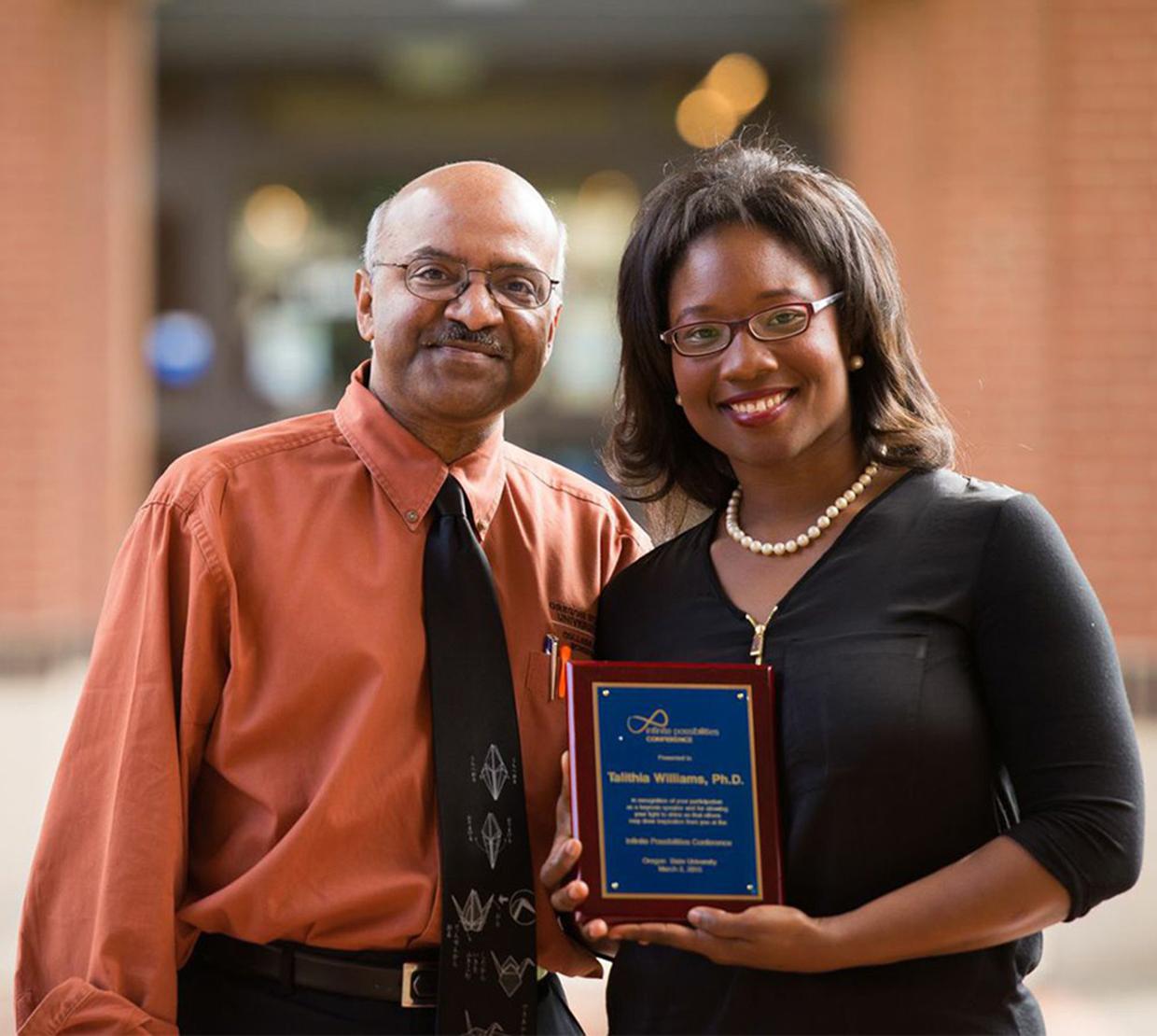
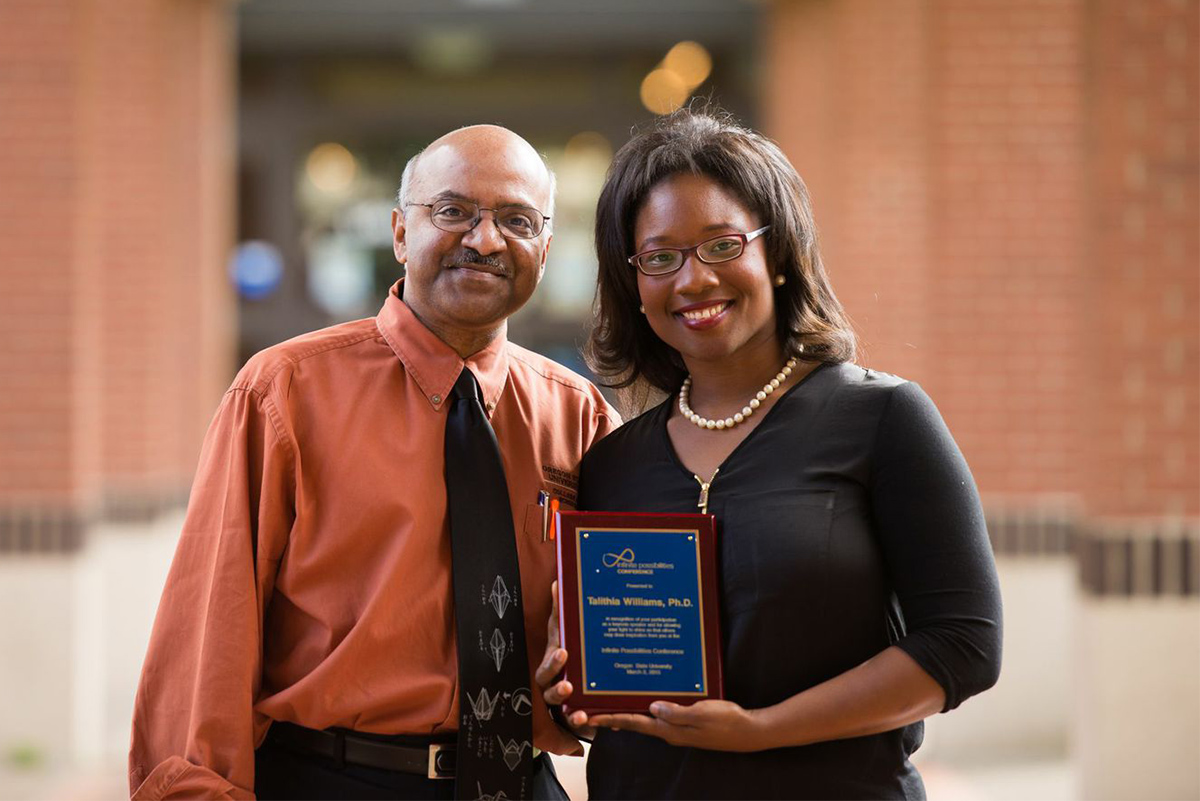
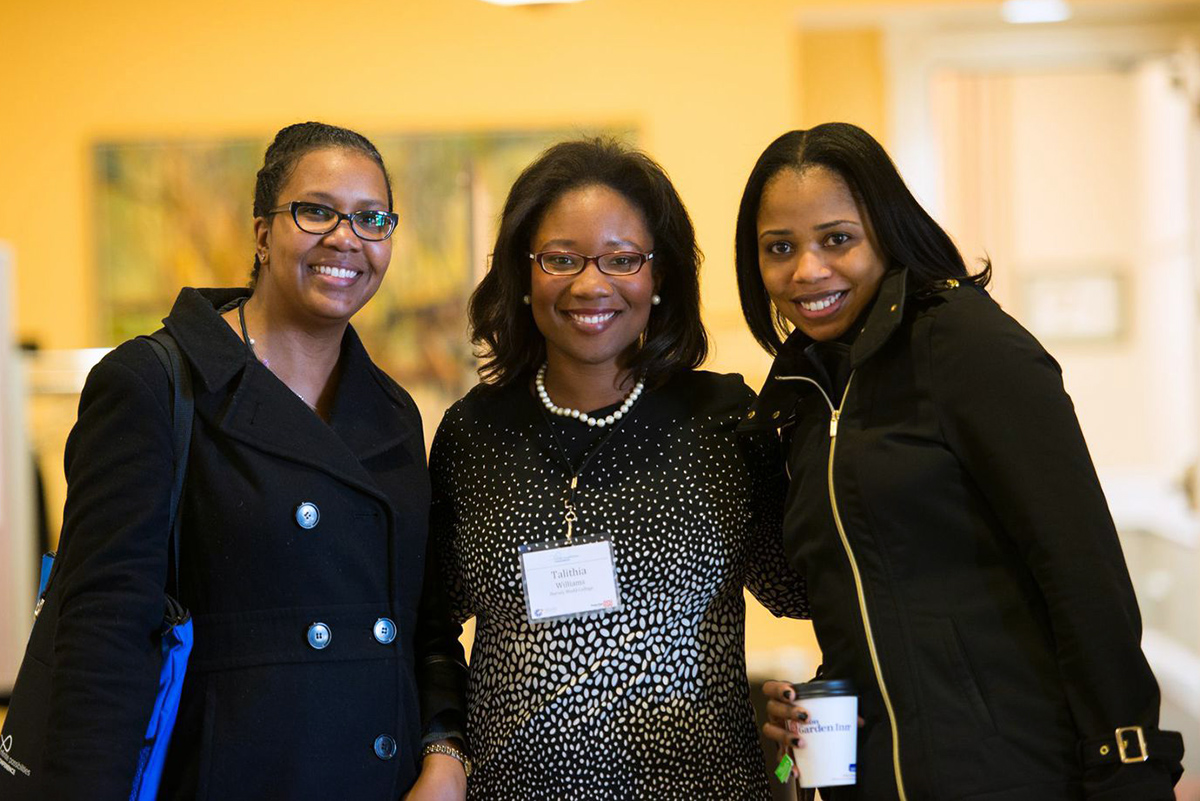
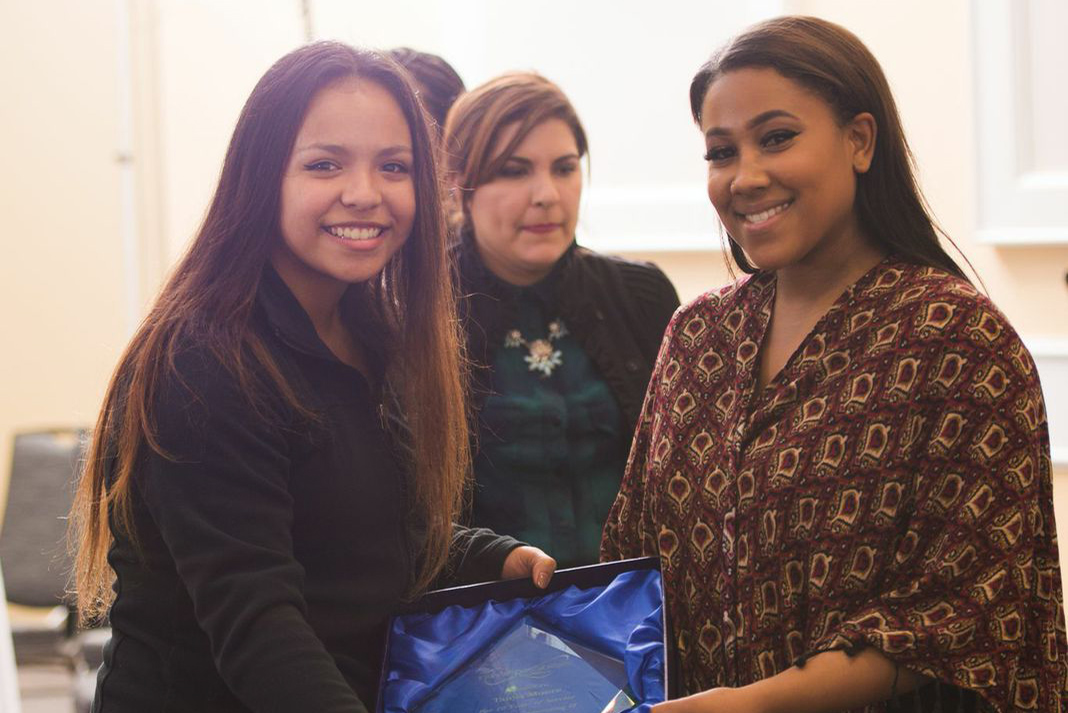
Talithia Williams receiving award from Sastry Pantula

Infinite Possibilities Conference held at Oregon State University

By Srila Nayak

Photography by Hannah O'Leary

Dean Pantula and Talithia Williams

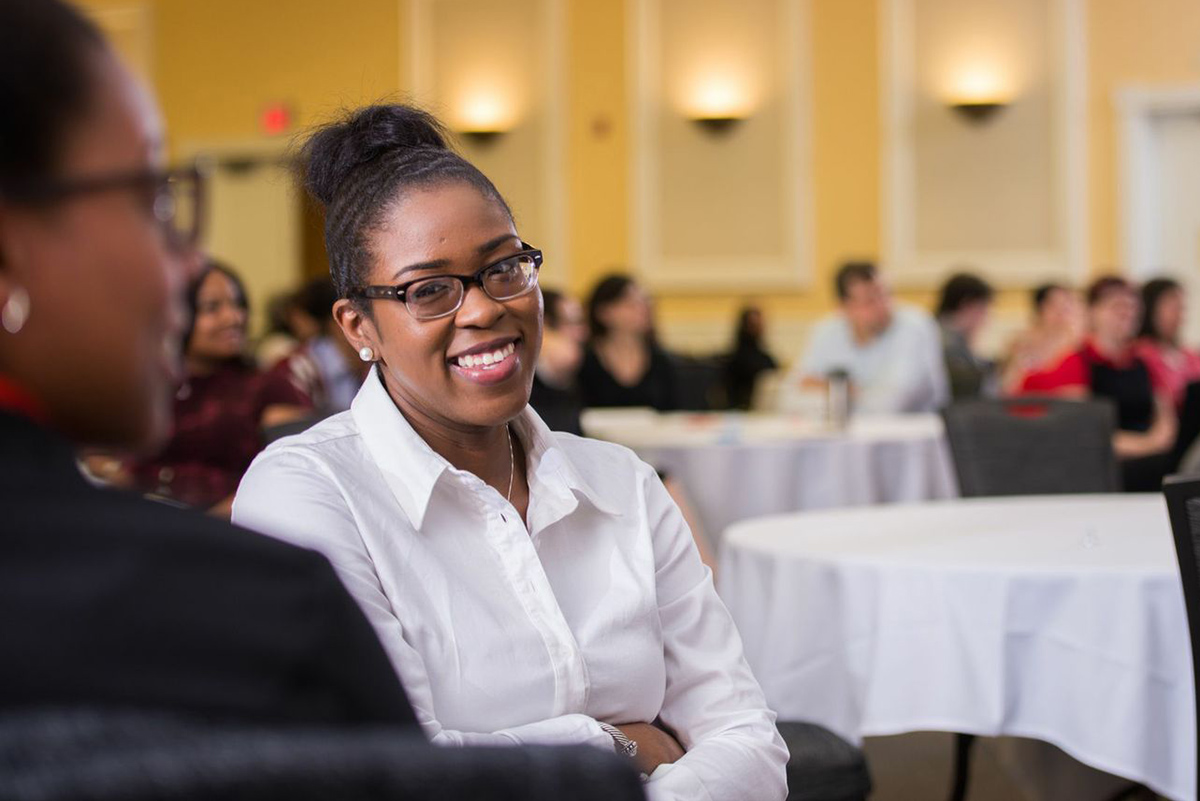
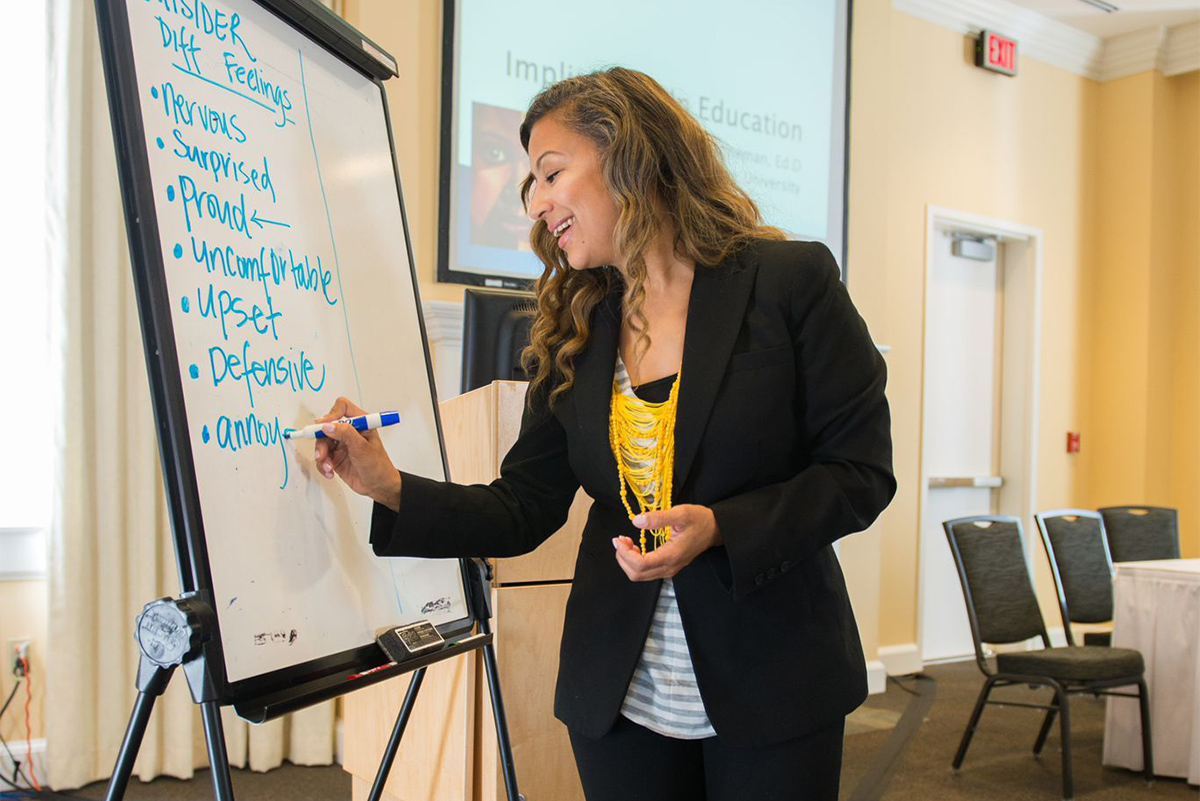
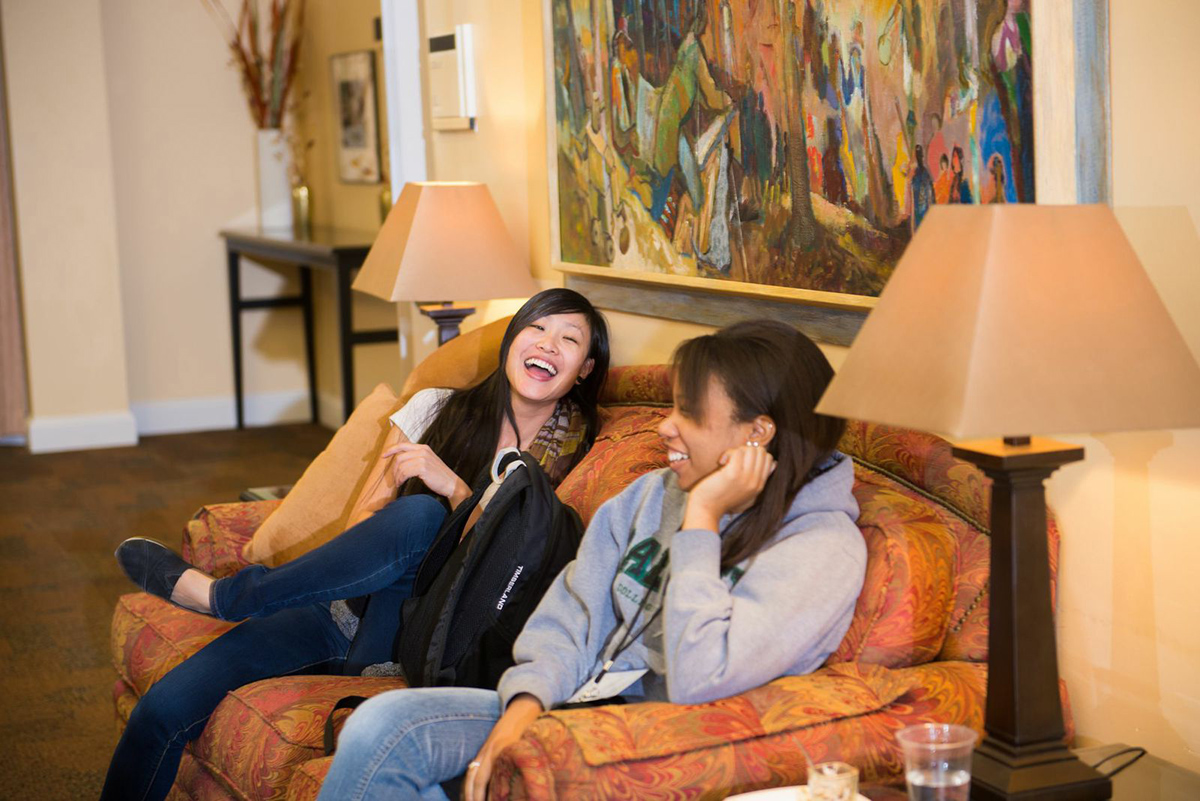
OSU Mathematics Ph.D student Kalei Titcomb, a first generation college graduate, says she rarely sees women like herself in mathematics. Titcomb was the only native Hawaiian in her mathematics classes at Pacific University where she received her undergraduate degree.

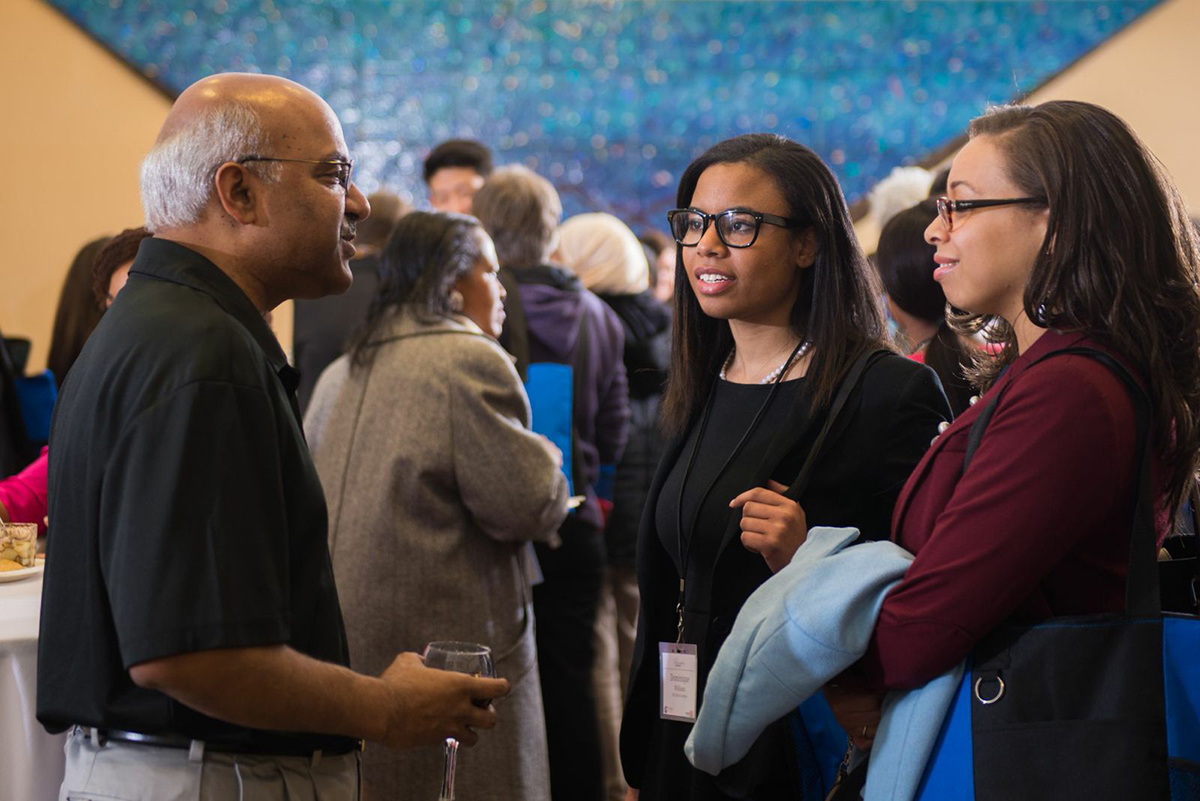
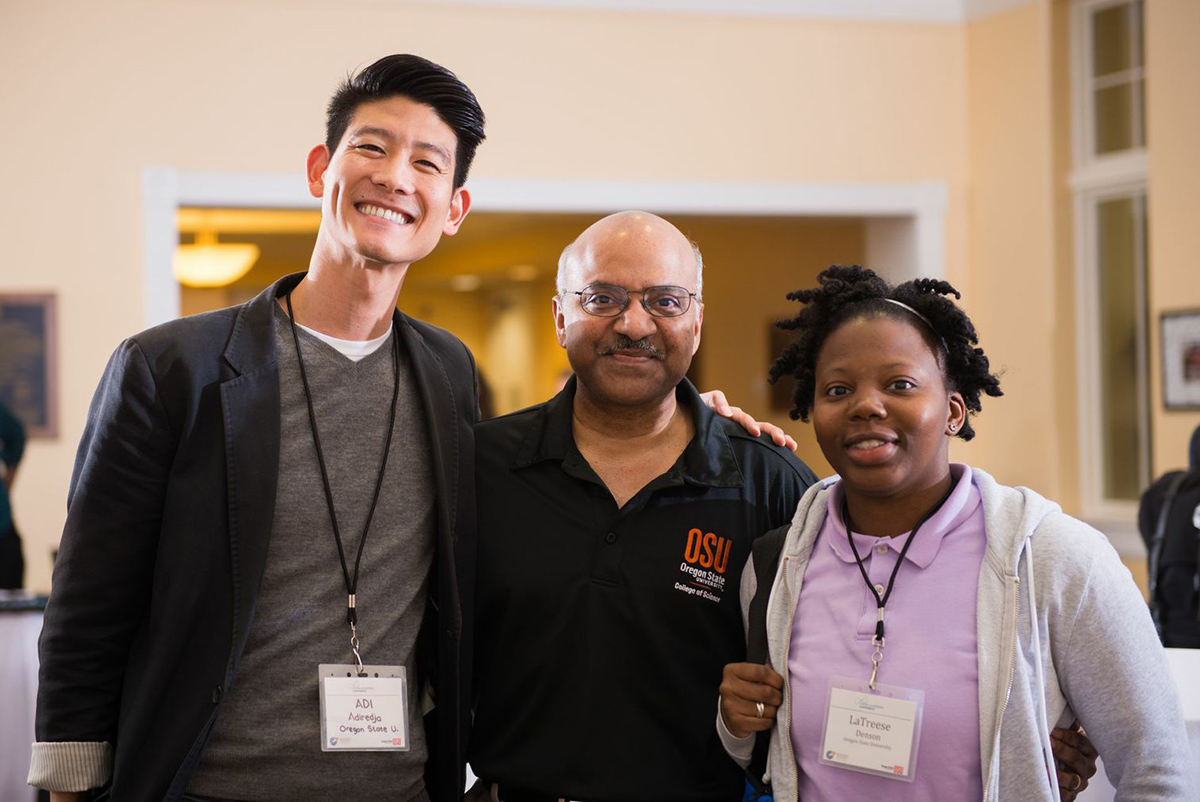
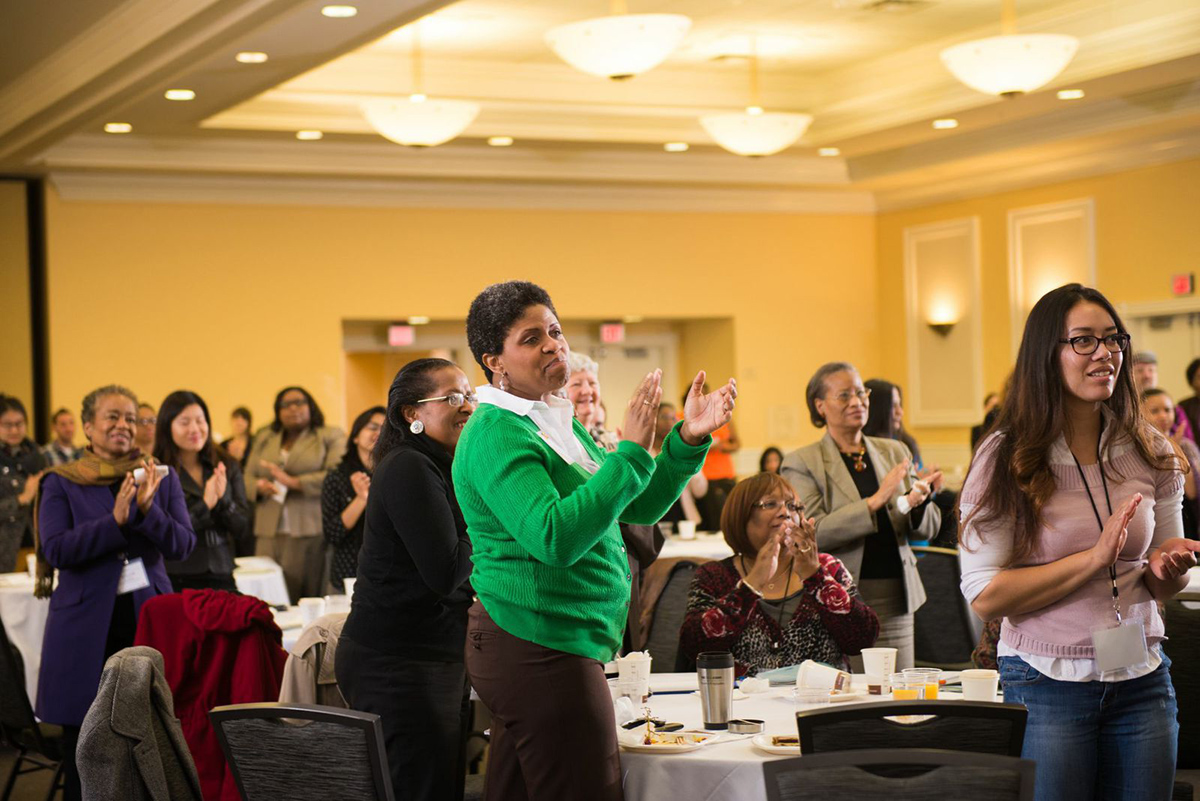
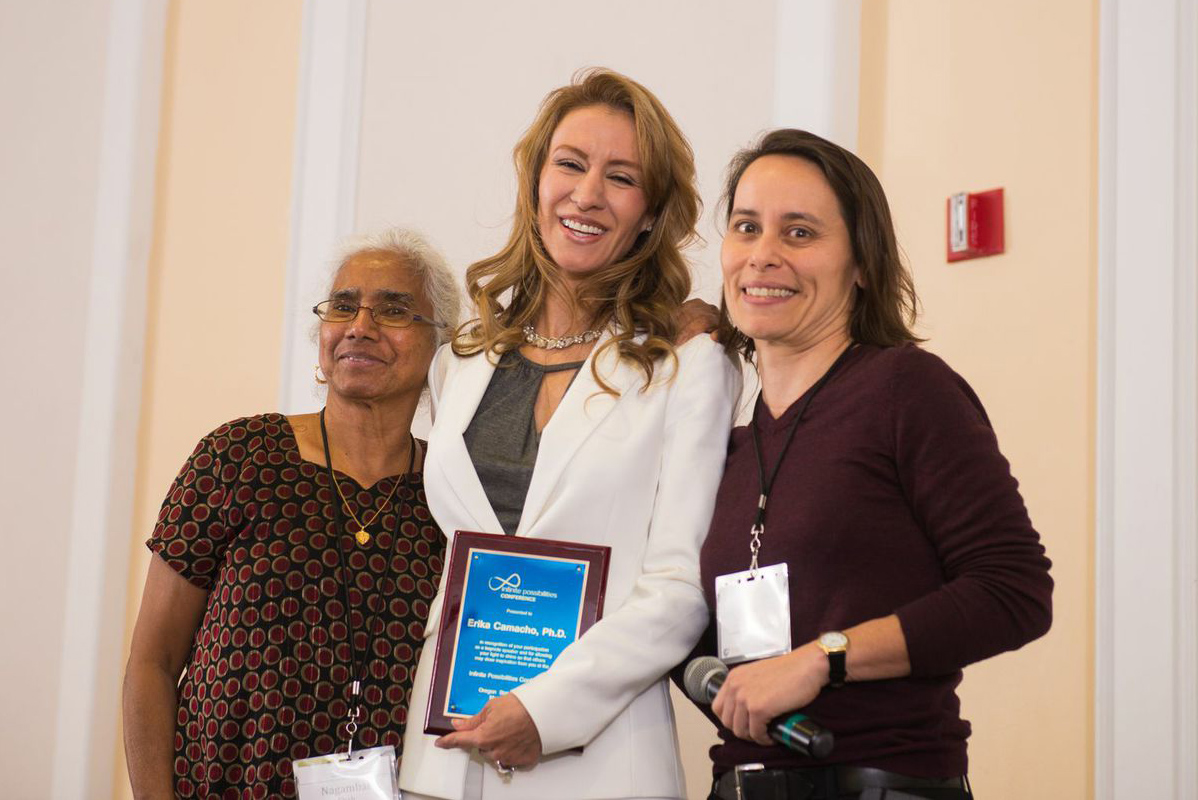
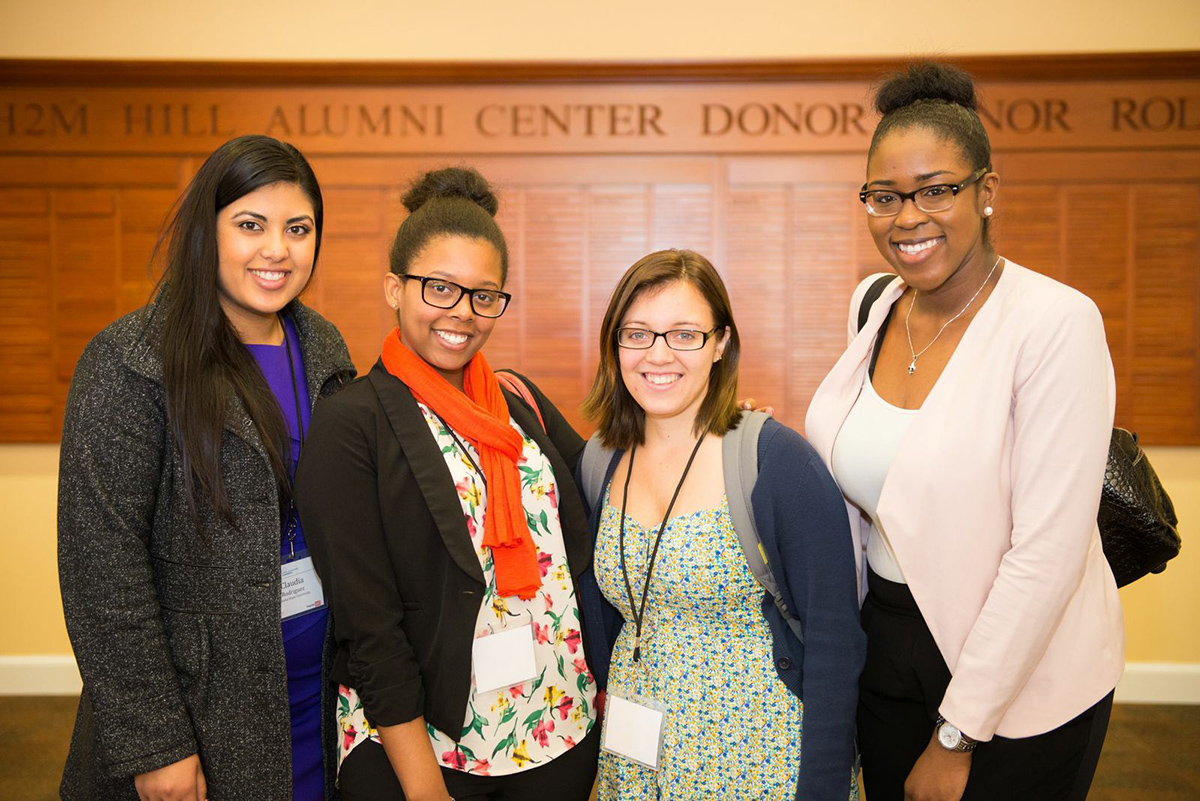
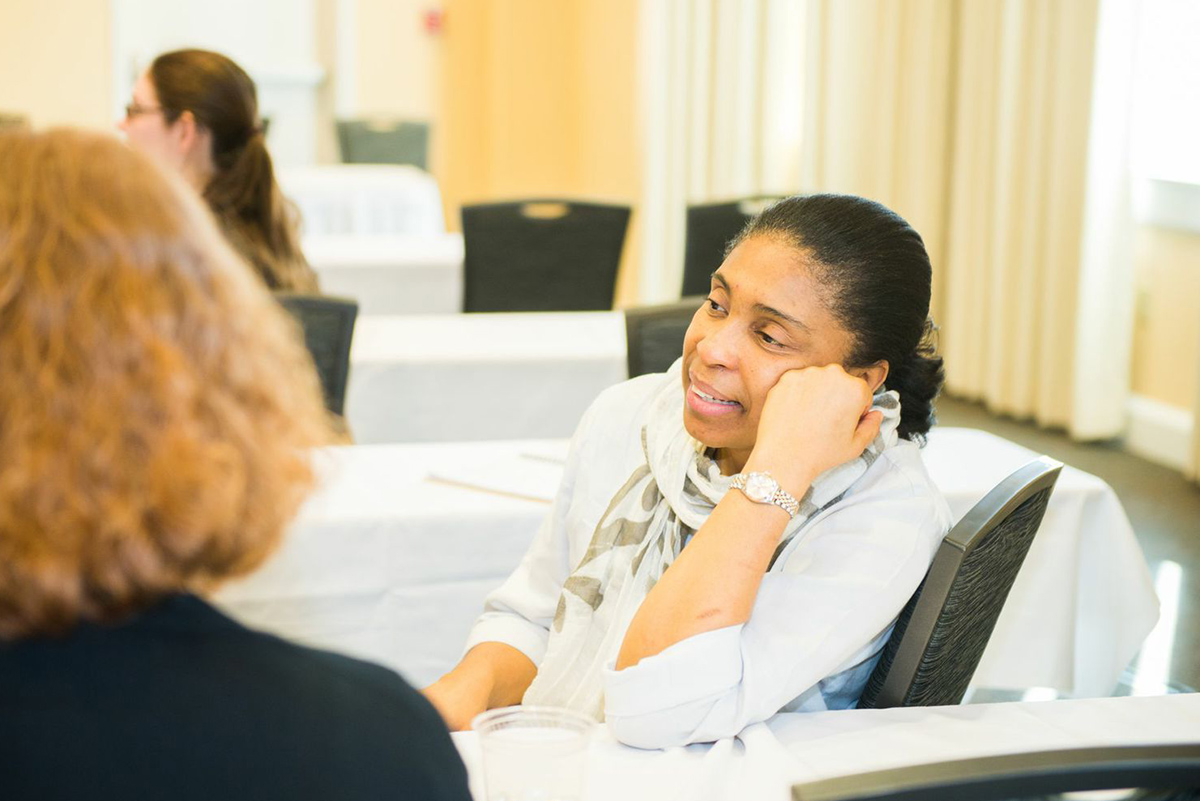
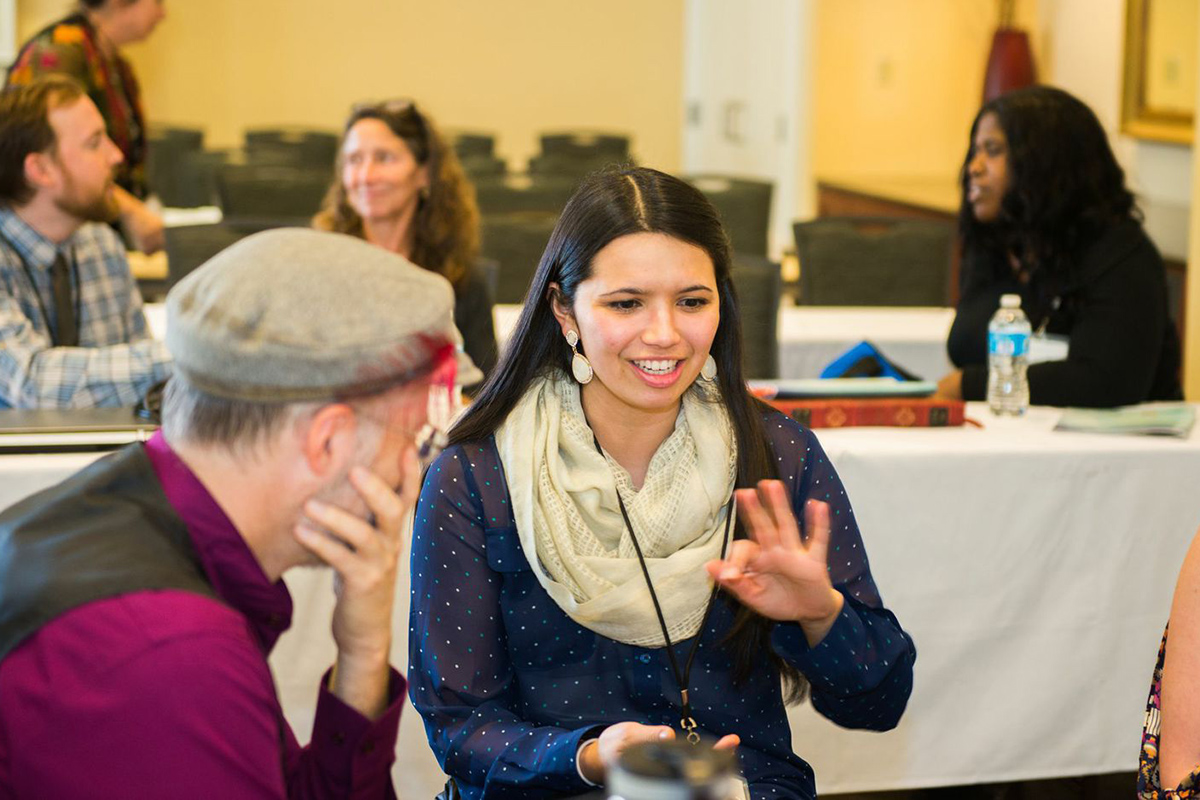
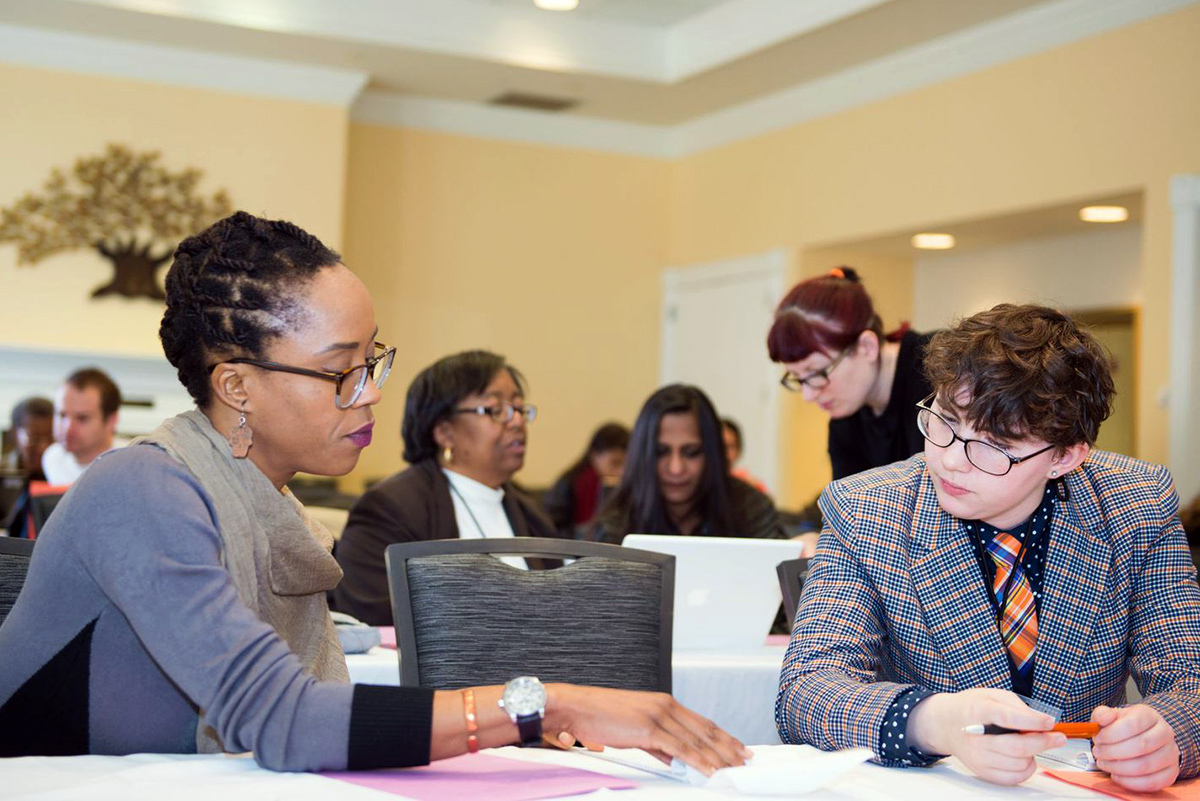
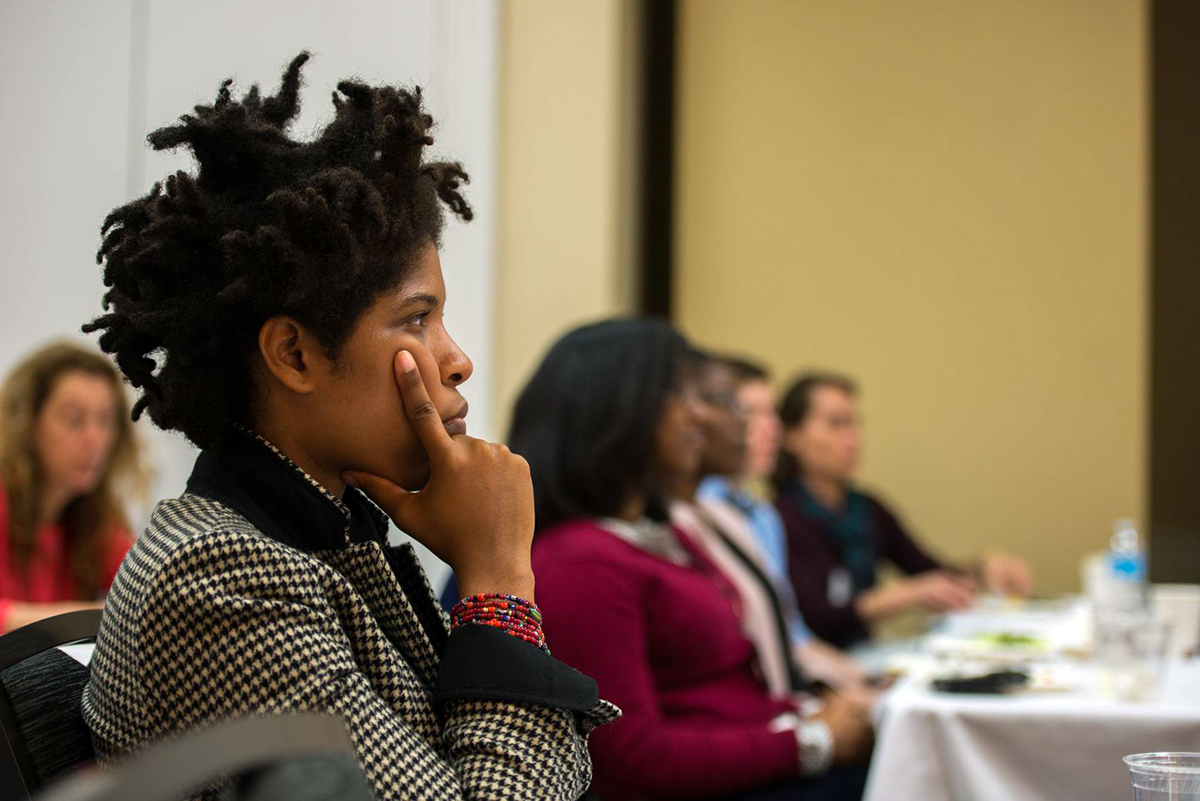
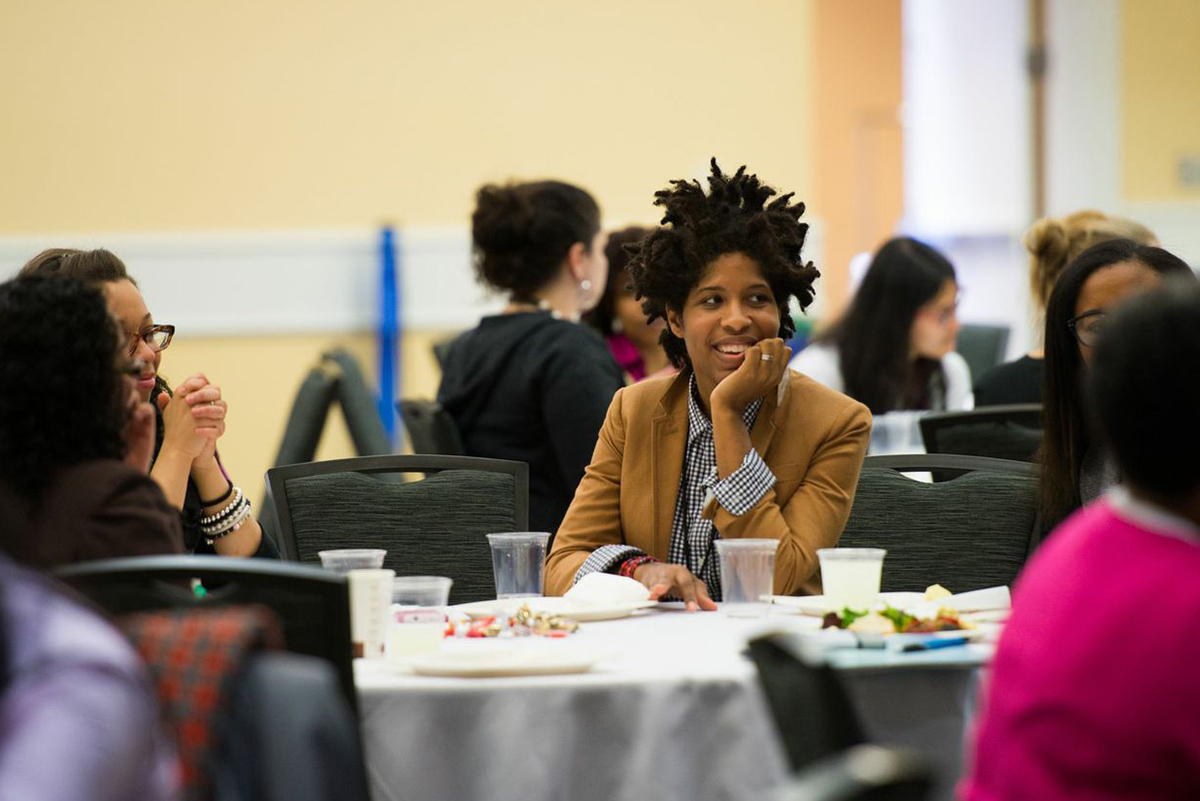
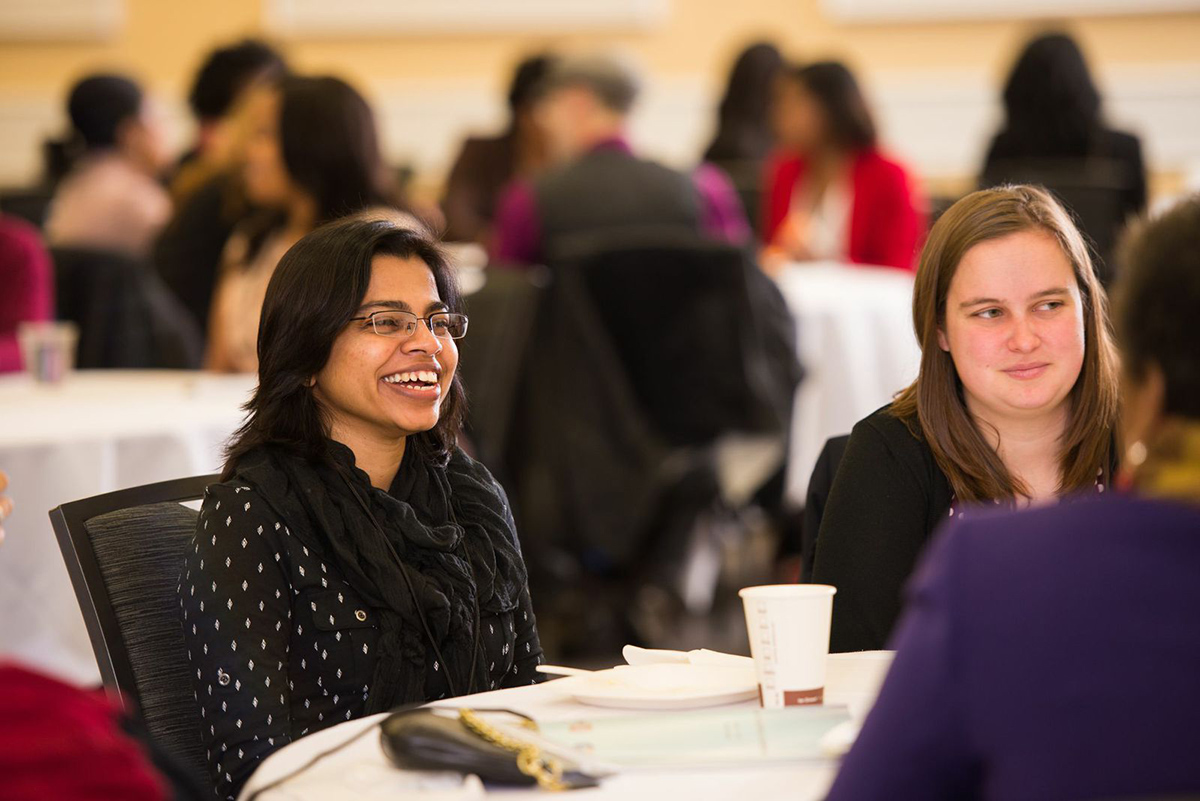
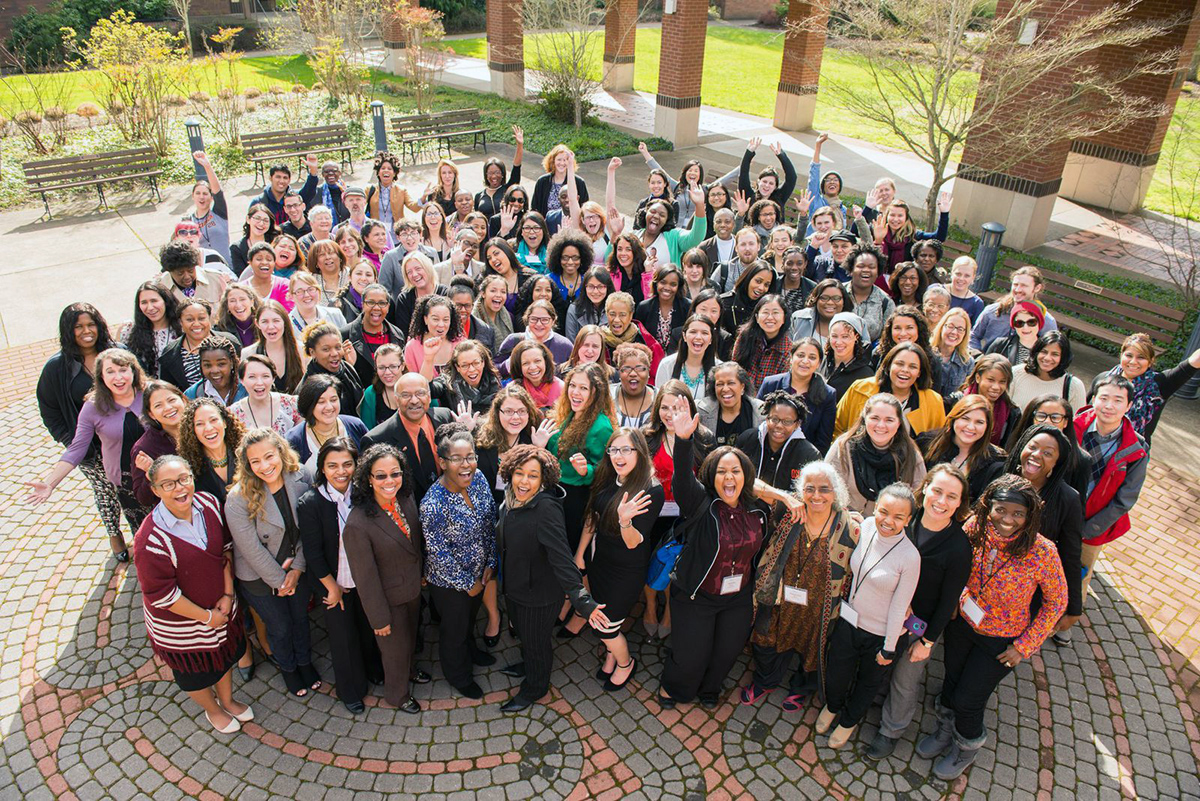
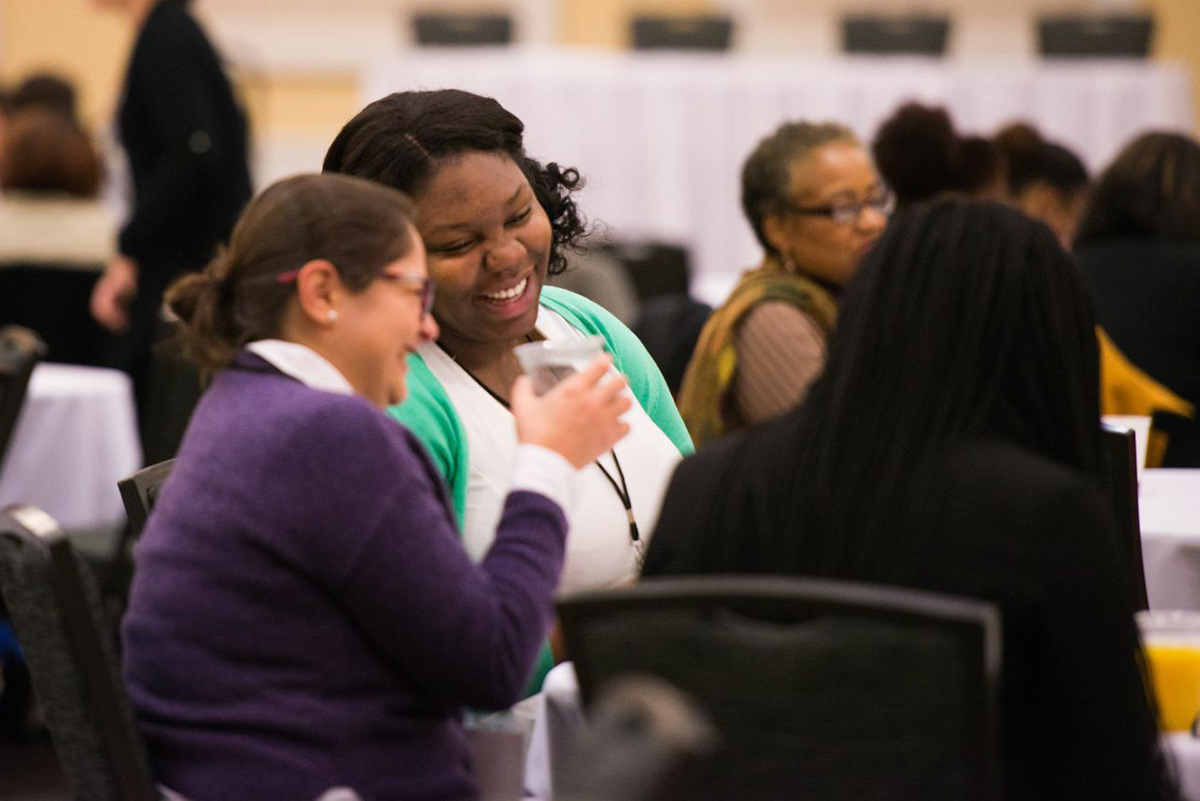
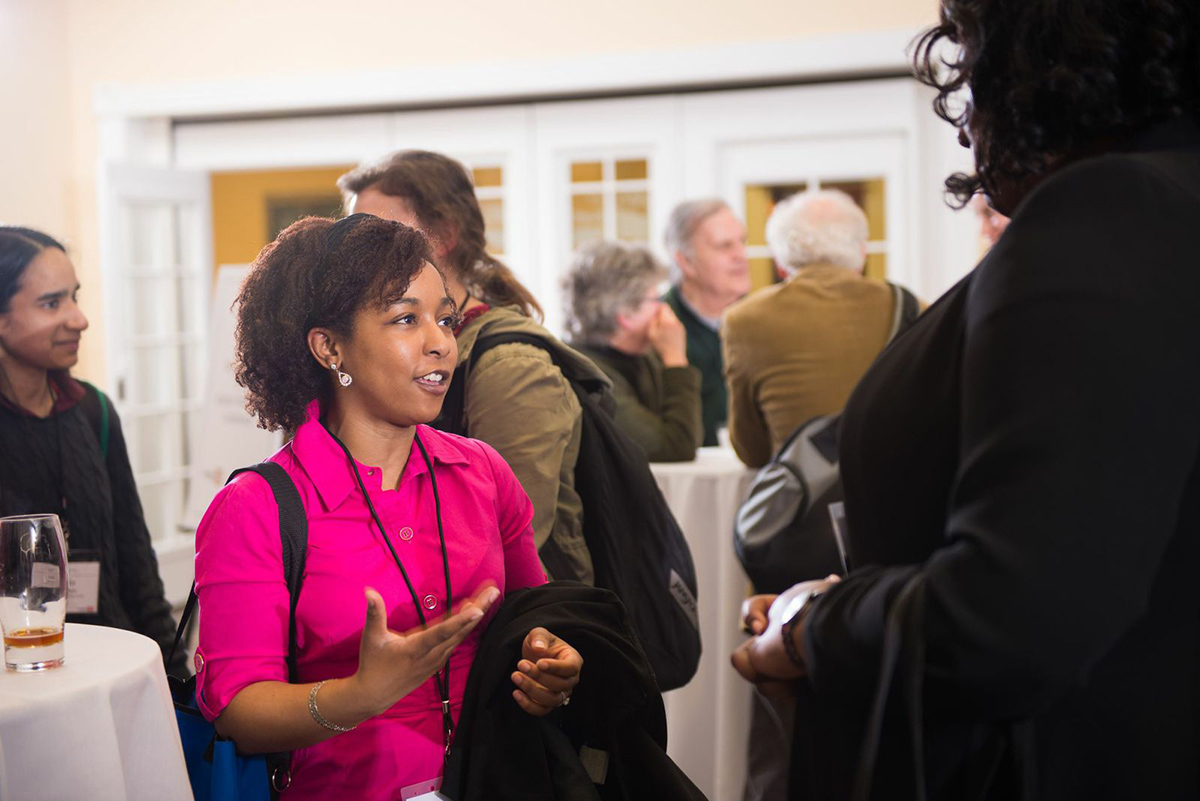
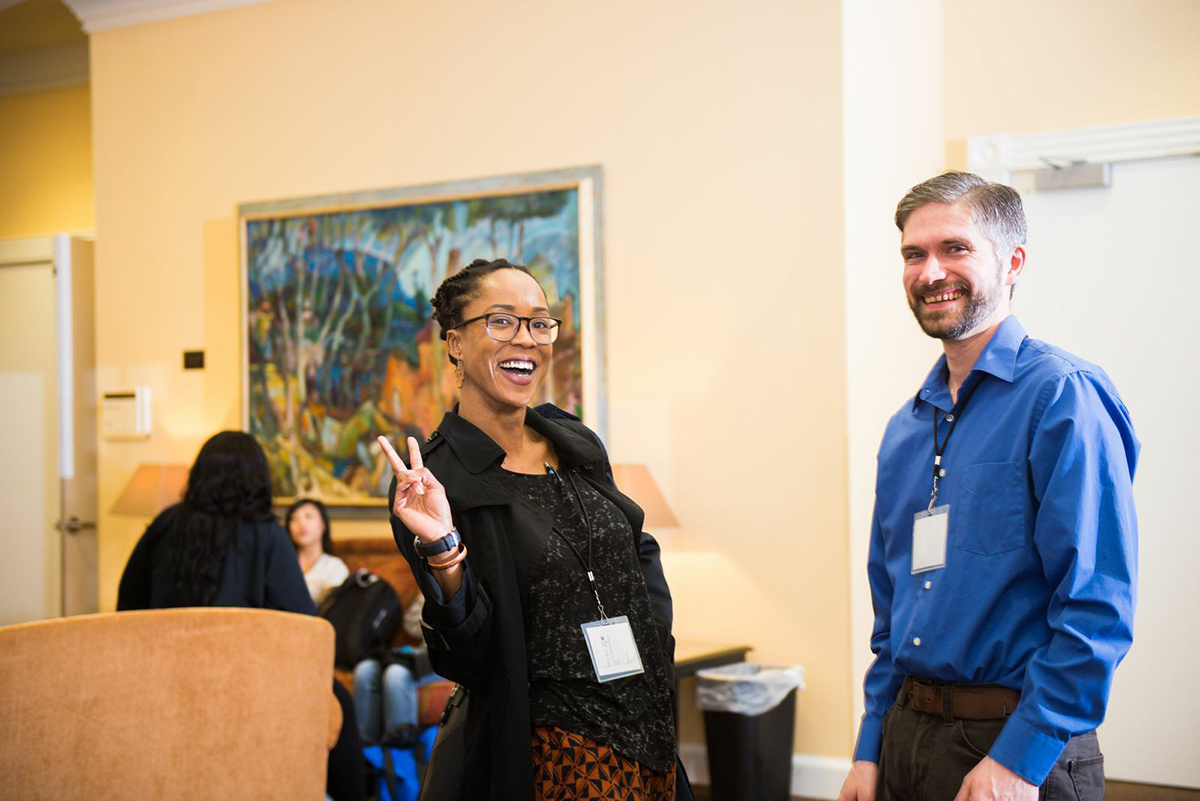
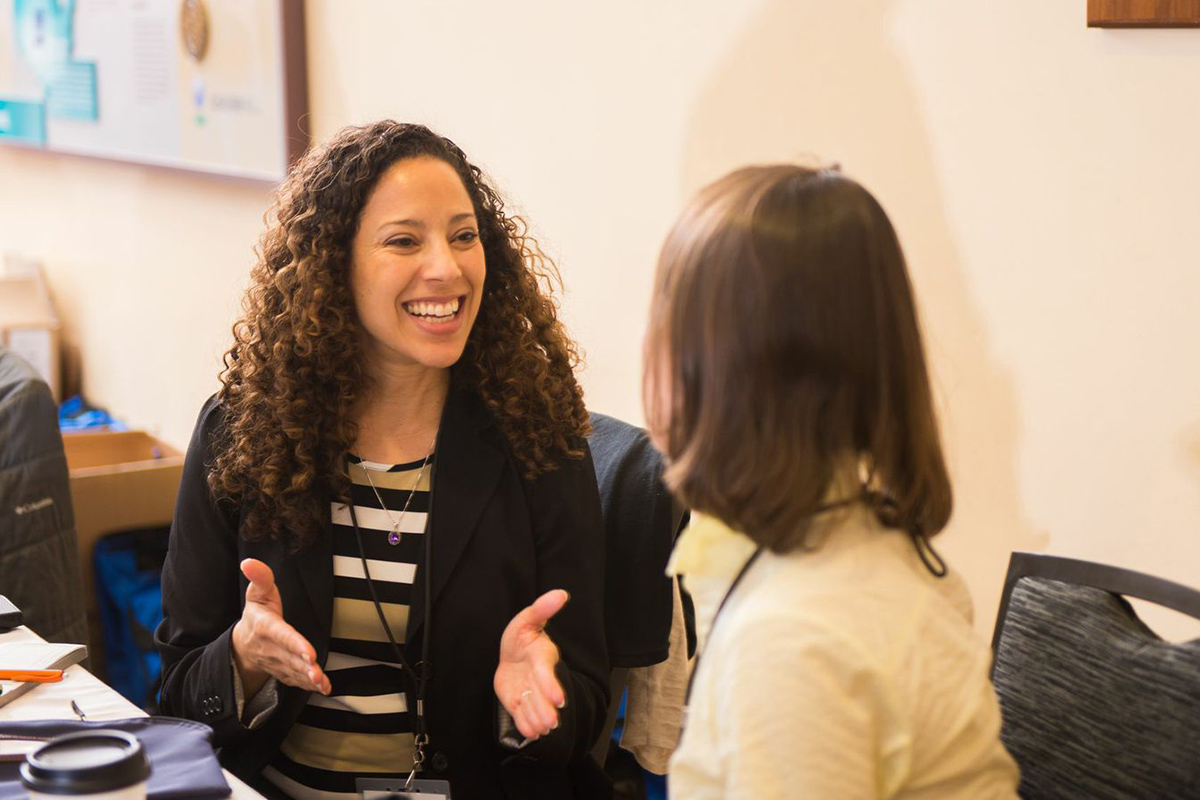
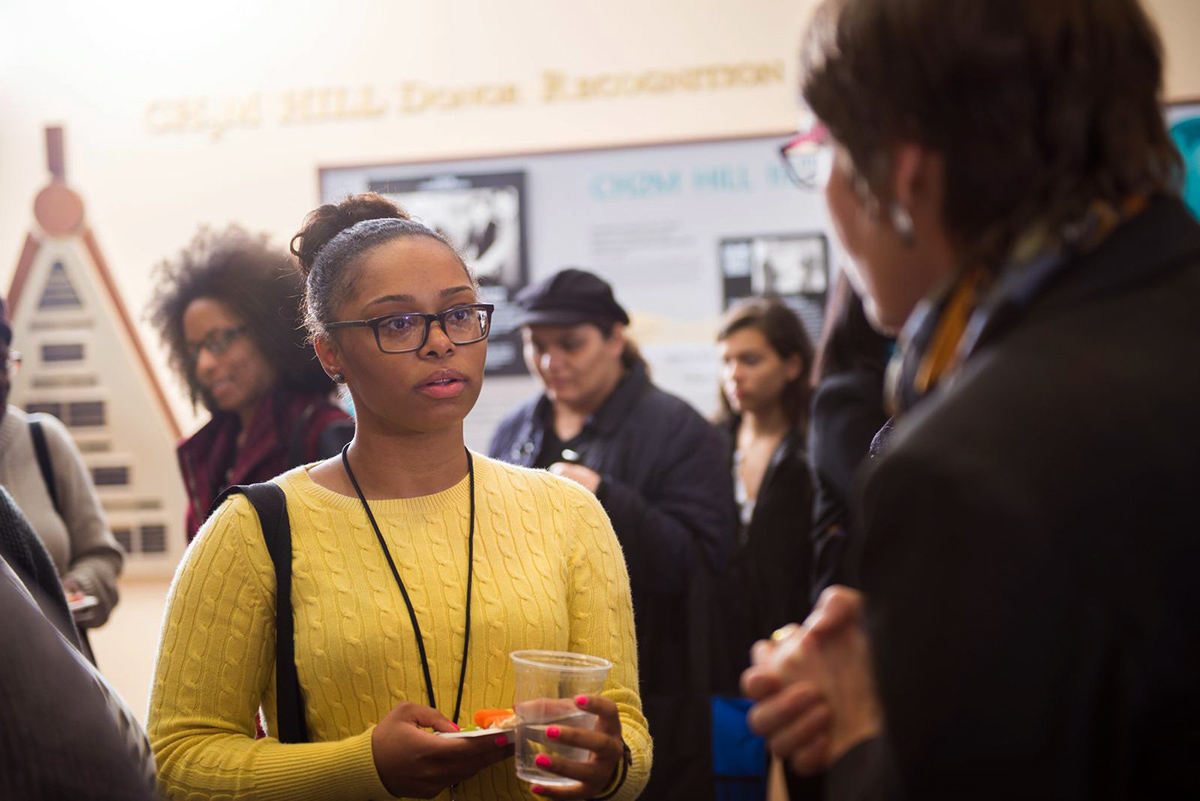
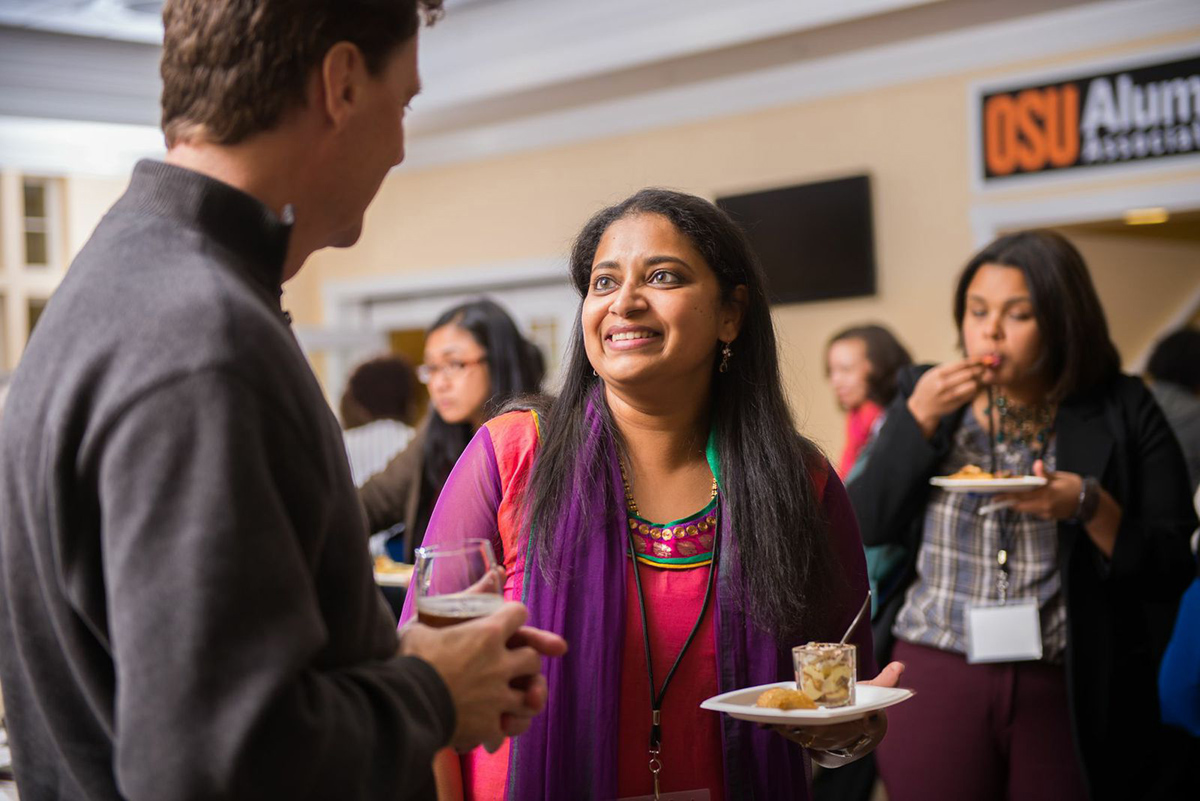
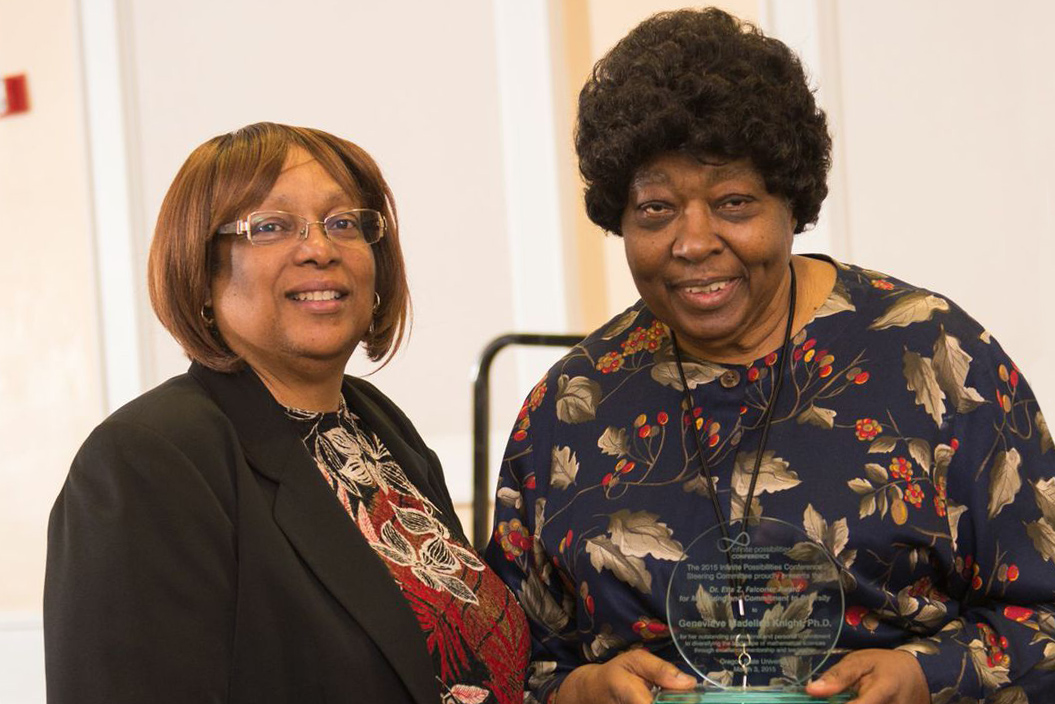
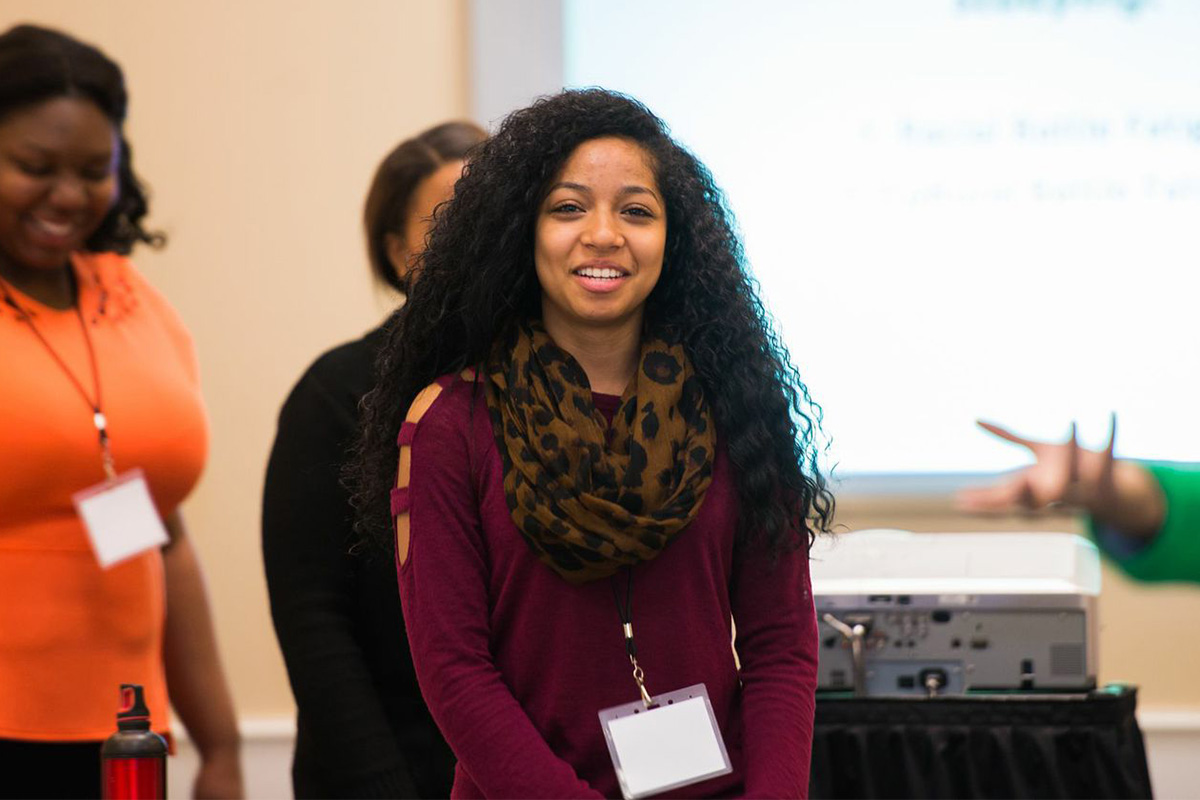
Recently, she participated in the biennial 10th Infinite Possibilities Conference (IPC) held at Oregon State University (OSU) on March 1-3. This one of a kind national academic event focused on empowering, educating, celebrating and promoting the careers of underrepresented minority women in mathematical and statistical sciences.

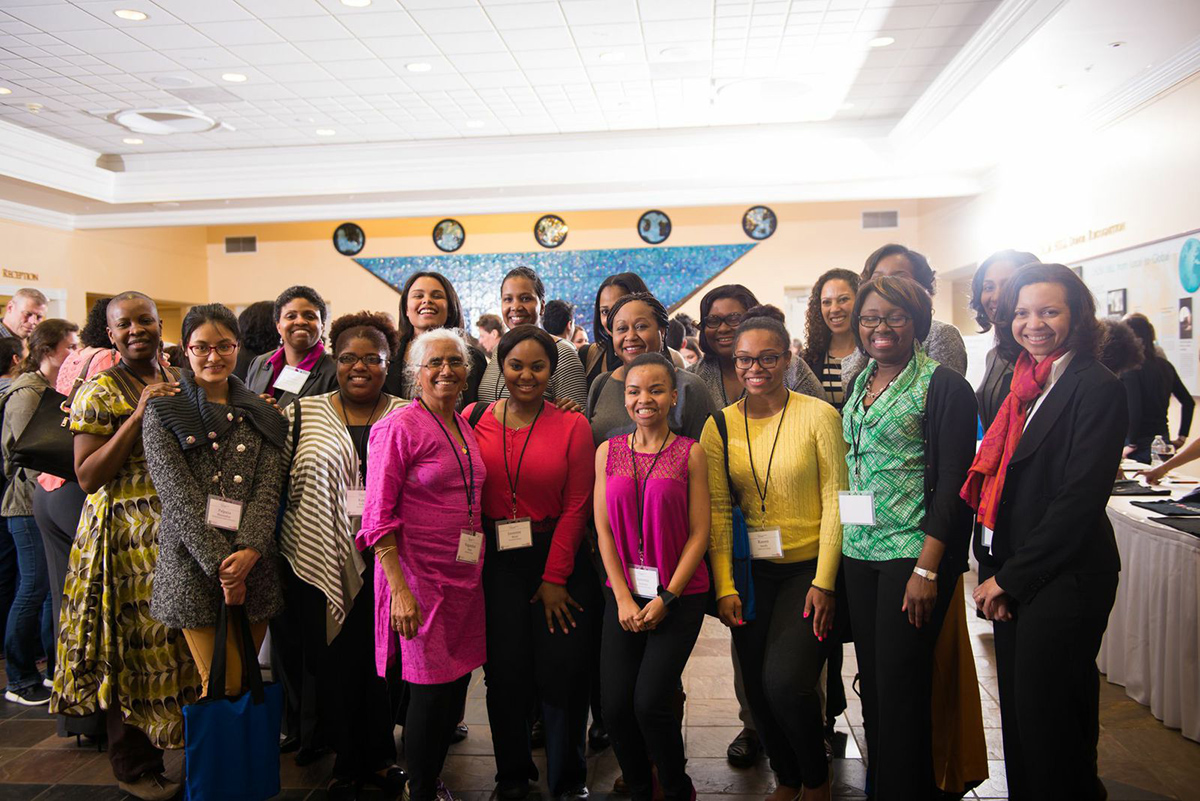
"It is nice, especially, to have a conference where we all come out in these numbers, so that other people in our position will see and think, wow, look at how many of us are there! We all can do this and take to heart the message that no particular discipline is reserved for any particular race or nationality," said Titcomb.

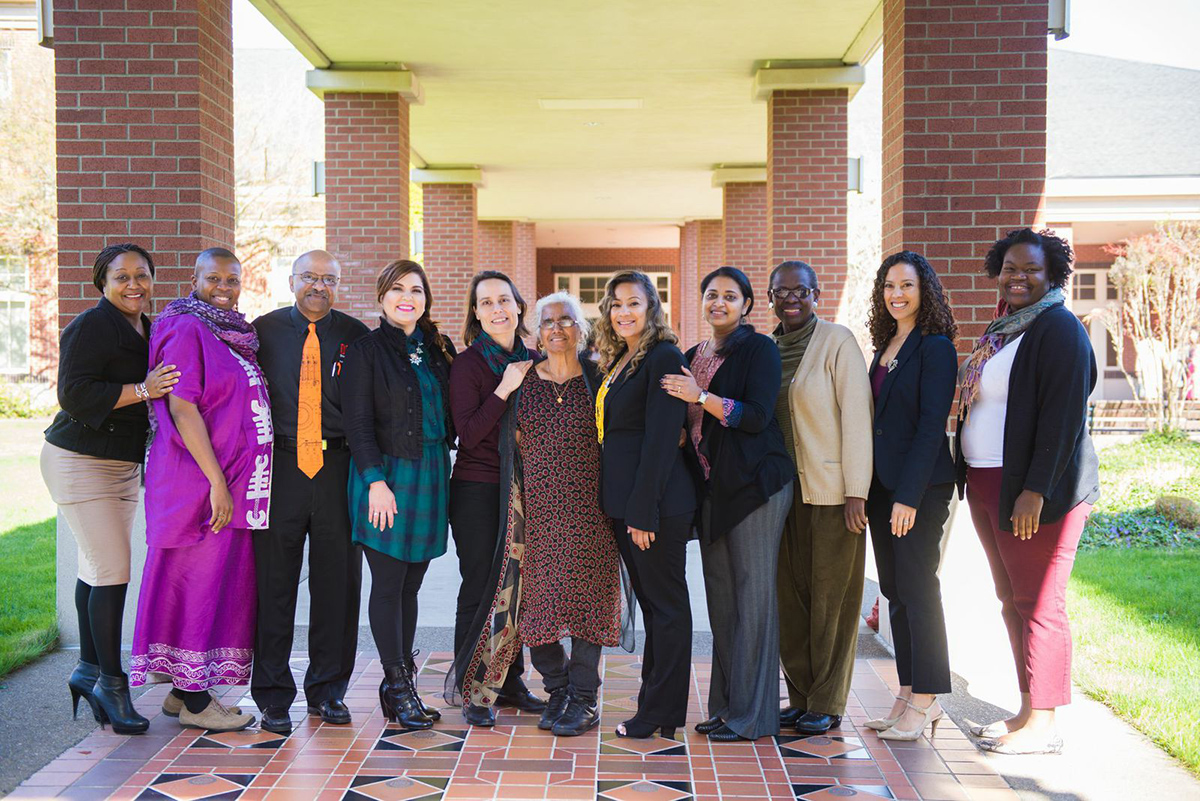
The conference attracted more than 230 diverse participants from 19 states, Mexico and Puerto Rico. The Departments of Statistics and Mathematics at OSU proudly co-hosted IPC 2015, which has received generous support from the National Science Foundation, the National Security Agency and Oregon State University. IPC is a program of Building Diversity in Science (BDIS), a nonprofit organization that encourages diverse students to enter STEM disciplines. The model for the annual conference is joint hosting between a University Partner and the nonprofit.

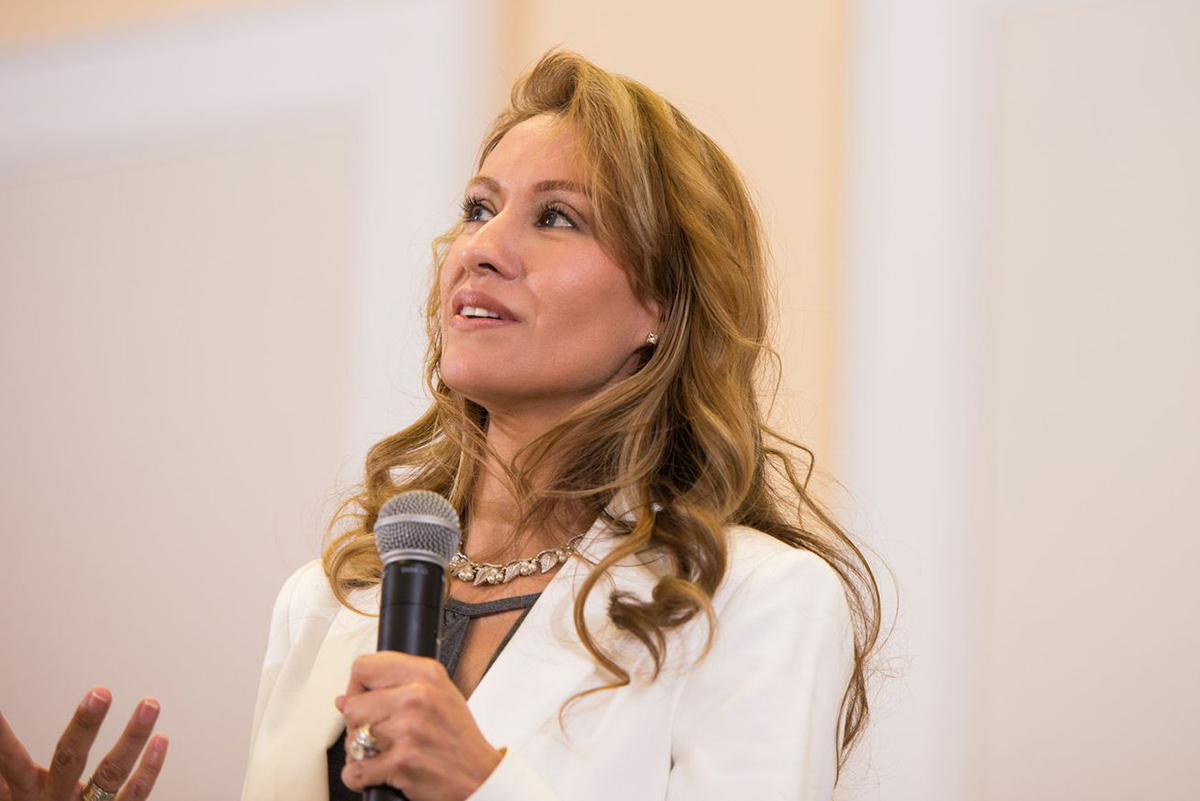
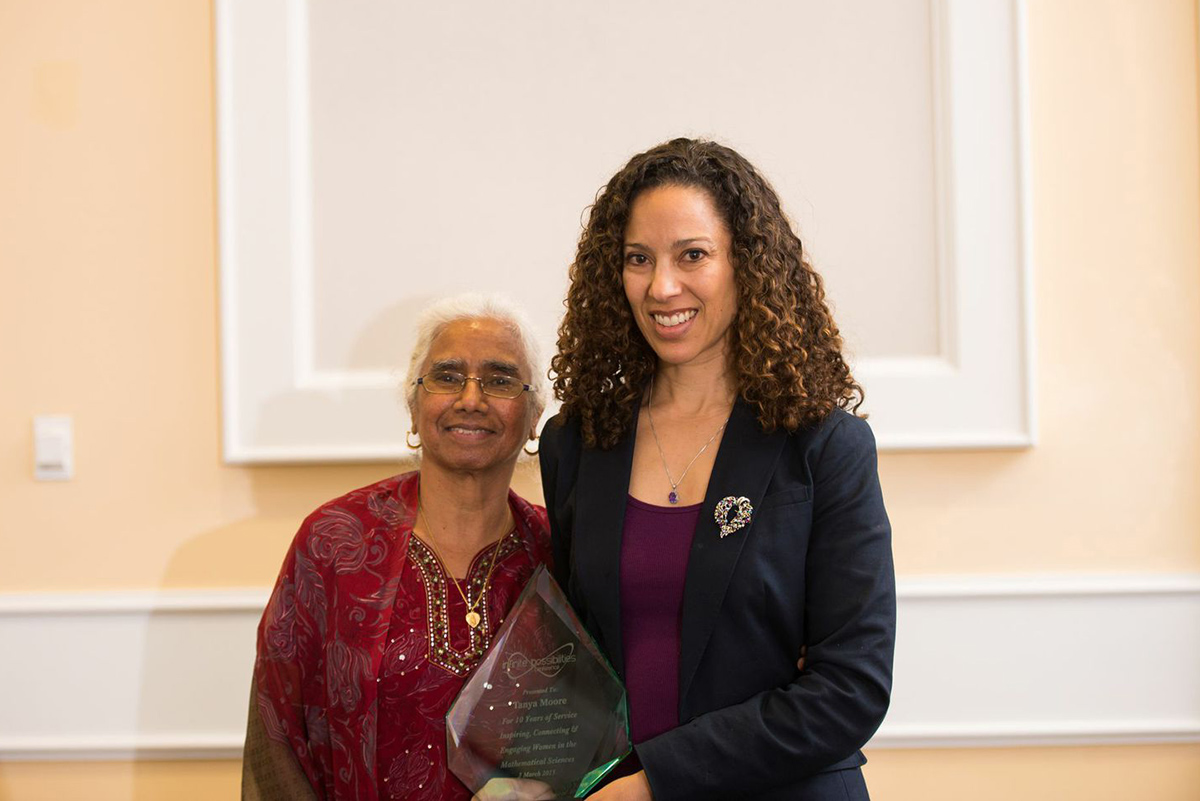
IPC was started in 2005 by Tanya Moore and a few of her former Spelman College mathematics professors and classmates. Moore, a biostatistician who works as education policy adviser in San Francisco, excelled as a mathematics major in Spelman—a historically black college for women—but struggled to connect with her peers and professors in her graduate program at Johns Hopkins University. She eventually transferred to the University of California at Berkeley.

Moore says that her "challenging and instructive experiences in graduate school, combined with the understanding that math provides a path to many careers" led her to form the IPC after completing a doctorate in biostatistics from UC-Berkeley.

It appears that initiatives such as the IPC are needed now more than ever. A 2015 statistical study by the National Science Foundation shows that representation of African-Americans, Hispanics and Native Americans in math-intensive fields is lower than in other STEM fields. In 2012, only 5.4% of bachelor’s degrees in mathematics and statistics were awarded to underrepresented minority women.

"We are committed to supporting and enhancing diversity in mathematics and science at OSU."
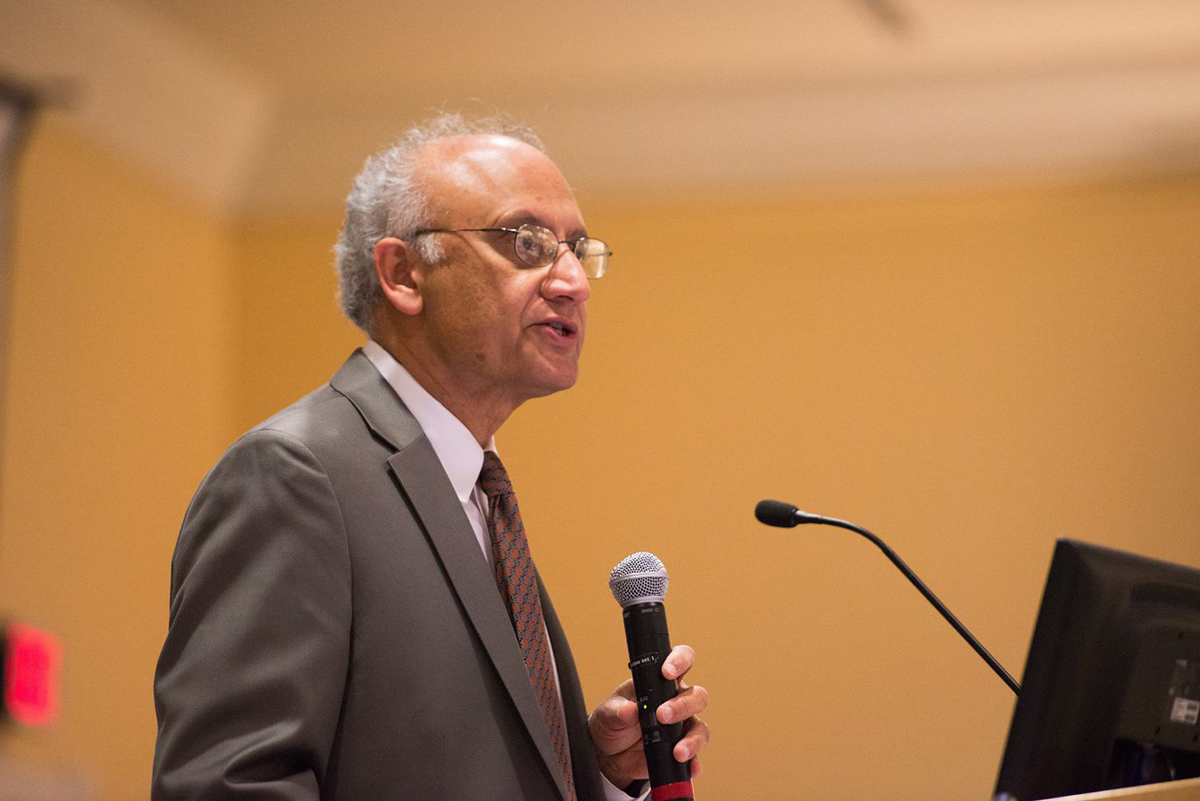
"I am thrilled to welcome the IPC to campus, which has done so much in the last decade to mentor, empower and increase participation of minority women in the mathematical and statistical sciences," said Sastry G. Pantula, dean of the College of Science. "It is truly a pleasure to celebrate the successes of women of color in mathematical and statistical sciences at OSU."

Pantula, who successfully lobbied to bring the IPC to Oregon State this year, also helped host the 2007 IPC at North Carolina State University when he was chair of its statistics department. IPC 2015 presents a unique opportunity to female students in mathematics and statistics at OSU.

“There is a remarkable enthusiasm about the Infinite Possibilities Conference among the OSU students I know who attended the conference. It is rewarding to contribute to the organization of a conference driven by such enthusiasm,” says Mina Ossiander, mathematics professor and co-chair of the local IPC organizing committee with Lan Xue, a statistics professor.

Numerous studies have shown that a lack of peers, professors and role models who look like them discourage minorities from enrolling in mathematics and science programs. In order to give opportunities to learn from role models and encourage networking, the IPC brought together undergraduates, graduates and high school students as well as an impressive cohort of high-achieving women of color statisticians and mathematicians working across the country in academia, industry and top-level scientific bodies.

You never see anything quite like it. In general, because women of color are under-represented in mathematical fields, until everyone comes together, we may not even know we are there for each other,” says Lily Khadjavi, mathematics professor at Loyola Marymount University and a member of the IPC Advisory Board. “For students—frankly for everyone, at every stage of one’s career—a lack of mentors and role models can be a particular issue.”

IPC 2015 offered a short course on biostatistics for conference participants on March 1. The conference included a rich mix of research talks on mathematics, professional development workshops and panels on race/gender in the context of mathematics. IPC aims to spark interest among high school students in careers in the mathematical sciences as well as instill greater awareness in undergraduate and graduate students about issues uniquely faced by women of color in STEM disciplines.

wooden cube on a table with math homework

Who wants to be a Mathematician

math activities on campus

This past weekend the Department of Mathematics hosted the 34th Annual Oregon Invitational Mathematics Tournament. Top high school math students from across the state arrived on campus at 7:45 a.m. on a Saturday morning to take exams and participate in math activities.

The love of math and the possibility of winning cash prizes were apparently compelling to draw them to Corvallis.

Students are invited to compete based on their performances at regional contests held across the state. Those with exceptional scores on the AMC-10 and AMC-12 exams may also be invited or simply register.

Students compete for cash and prizes by answering multiple choice mathematics questions. For example, assigned team events tackled both Precalculus/Calculus and Geometry/Algebra II. The day culminated in a final competition called “Who wants to be a Mathematician.”

American Mathematical Society (AMS) representative Mike Breen and DePaul University Professor William Butterworth, who developed the national "Who Wants to be a Mathematician" competition, hosted the contest. AMS donates cash prizes for the annual statewide math contests.

The eight finalists were: Andrew Bai of Jesuit High School, Markab Han of Sunset Middle School, Andrew Yang of Westview High School, Ashwin Sah Jesuit High School, Tyler Snook and Yiting Zhou both of Valley Catholic High School, Justin Bao of Stoller Middle School and Swati Garg of Westview High School.

This year’s overall winner was Ashwin Sah of Jesuit High School in Portland who received $3,000. Hear Ashwin talk about his victory on YouTube. He has finished second in MathCounts the past two years. Andrew Yang was the runner up who received $2,000.

For a little math humor, the oversized representative checks pictured were numbered “pi” and “e.”

College of Science Dean Sastry Pantula offered remarks at the closing awards ceremony to the high school students, their parents and teachers. Mathematics Department chair Tom Dick worked with students and faculty all yearlong to plan, prepare for and organize the day’s festivities.

The Oregon Council of Teachers of Mathematics donated the award medal to the top 10 contestants in each exam category. The Mathematics Department of Linn-Benton Community College and Oregonians for Science Reason attended to offer their support and encouragement to the young mathematicians.

To see more photos from the day, click here.


Read more stories about: faculty and staff, mathematics, outreach


Sastry Pantula standing in front Kidder Hall

Diversity: Women Leaders in Statistics

Sastry Pantula gave a lecture at the Women in Statistics conference in Cary, North Carolina

College of Science Dean Sastry Pantula spoke to the Women in Statistics conference in Cary, North Carolina, via video on May 16, 2014.

Click here to listen to Dean Sastry's 10-miniute talk about the importance of valuing diversity and mentoring young emerging scholars. He also discusses the achievements, leadership and scholarly excellence of female leaders in statistics as well as the important role that emerging women leaders will play in the field of statistics.


Read more stories about: faculty and staff, women in science, statistics


Sastry Pantula standing in SEC awning

Announcing Dean Sastry Pantula

By Debbie Farris

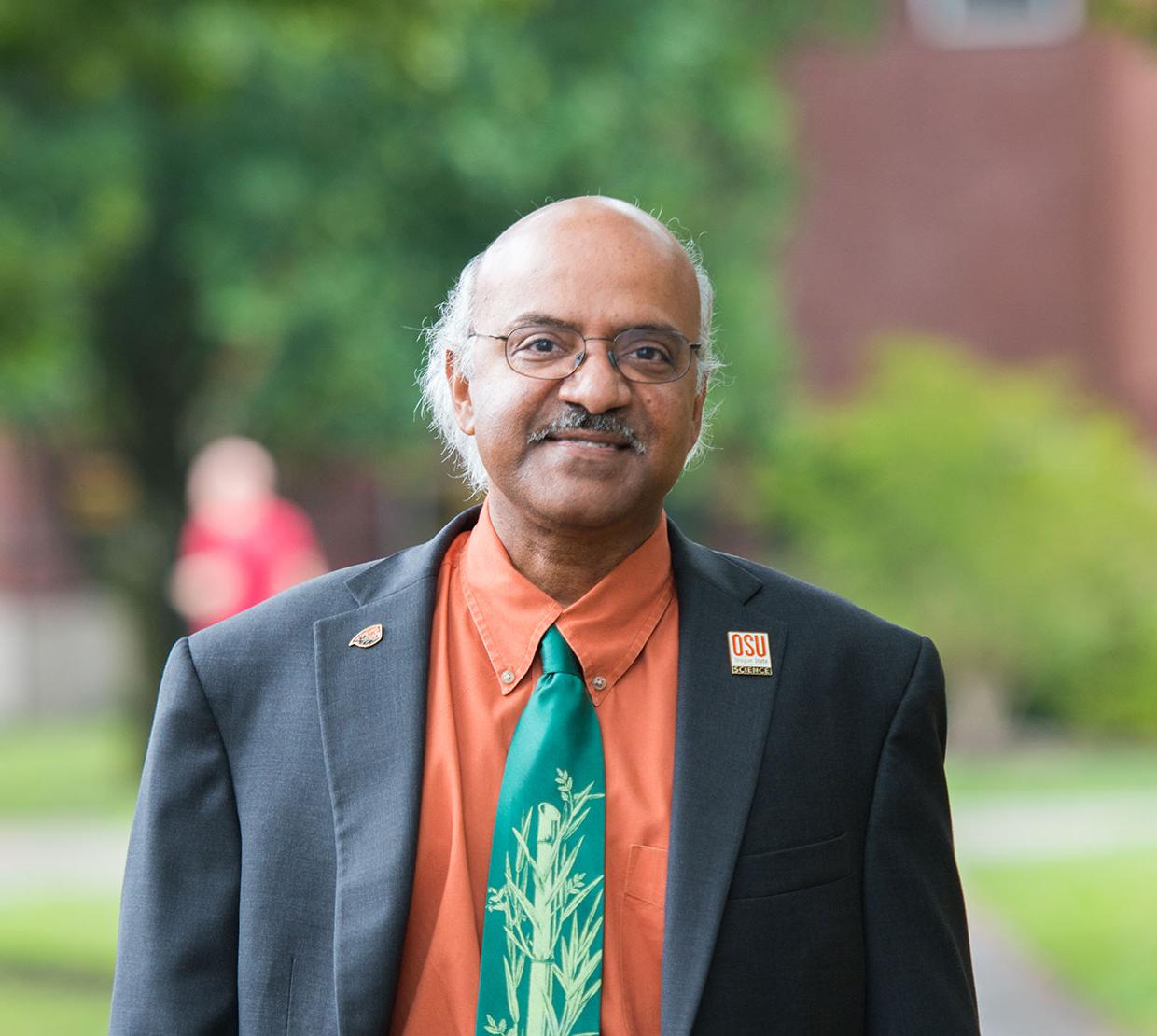
Dean Sastry Pantula

Oregon State University has named Sastry Pantula, a statistics professor at North Carolina State University who since 2010 has served as director of the National Science Foundation’s Division of Mathematical Sciences, as dean of OSU’s College of Science. Pantula, who will begin his new duties on August 30, succeeds interim dean Vince Remcho. A fellow of the American Statistical Association, he served as president of the organization in 2010. He also is a fellow of the American Association for the Advancement of Science.

“Sastry Pantula has a distinguished career during which he consistently has demonstrated his ability to help develop outstanding opportunities for undergraduate and graduate students and collaborative research, as well as build strong and diverse faculty,” said Sabah Randhawa, OSU provost and executive vice president.

The College of Science, and Oregon State University, will benefit from his excellent organizational and leadership skills.

Pantula has been on the North Carolina State faculty since 1982. He headed the statistics department there for eight years, and also directed the university’s Institute of Statistics. During his tenure, he worked with his dean and the college foundation to create three $1 million endowments for distinguished professors. Since 1999, working with colleagues and alumni, he also has secured more than $7 million in funding from the National Science Foundation and other agencies and industries to promote graduate student training and mentorship. His own research focuses on time series analysis and econometric modeling, with a broad range of applications. He has worked with the National Science Foundation, U.S. Fish and Wildlife Service, U.S. Environmental Protection Agency, and U.S. Bureau of Census on projects ranging from population estimates to detecting trends in global temperature.

As dean of OSU’s College of Science, Pantula will provide leadership for some of OSU’s most recognized disciplines, including nationally noted programs in physics, ecosystem informatics, water resources, environmental health science and more. The college is a major reason that OSU has gained the top ranking in the United States for conservation biology in recent years, and two other departments have been ranked in the top 10 by the Chronicle of Higher Education – zoology and science education. Diversity of sciences in the college, including mathematical and statistical sciences, provide innovative opportunities for fundamental and multidisciplinary research collaborations across the campus and around the globe.

Pantula has bachelor’s and master’s degrees from the Indian Statistical Institute in Kolkata, India, and a Ph.D. in statistics from Iowa State University.

Subscribe to Faculty and Staff