Events

Events

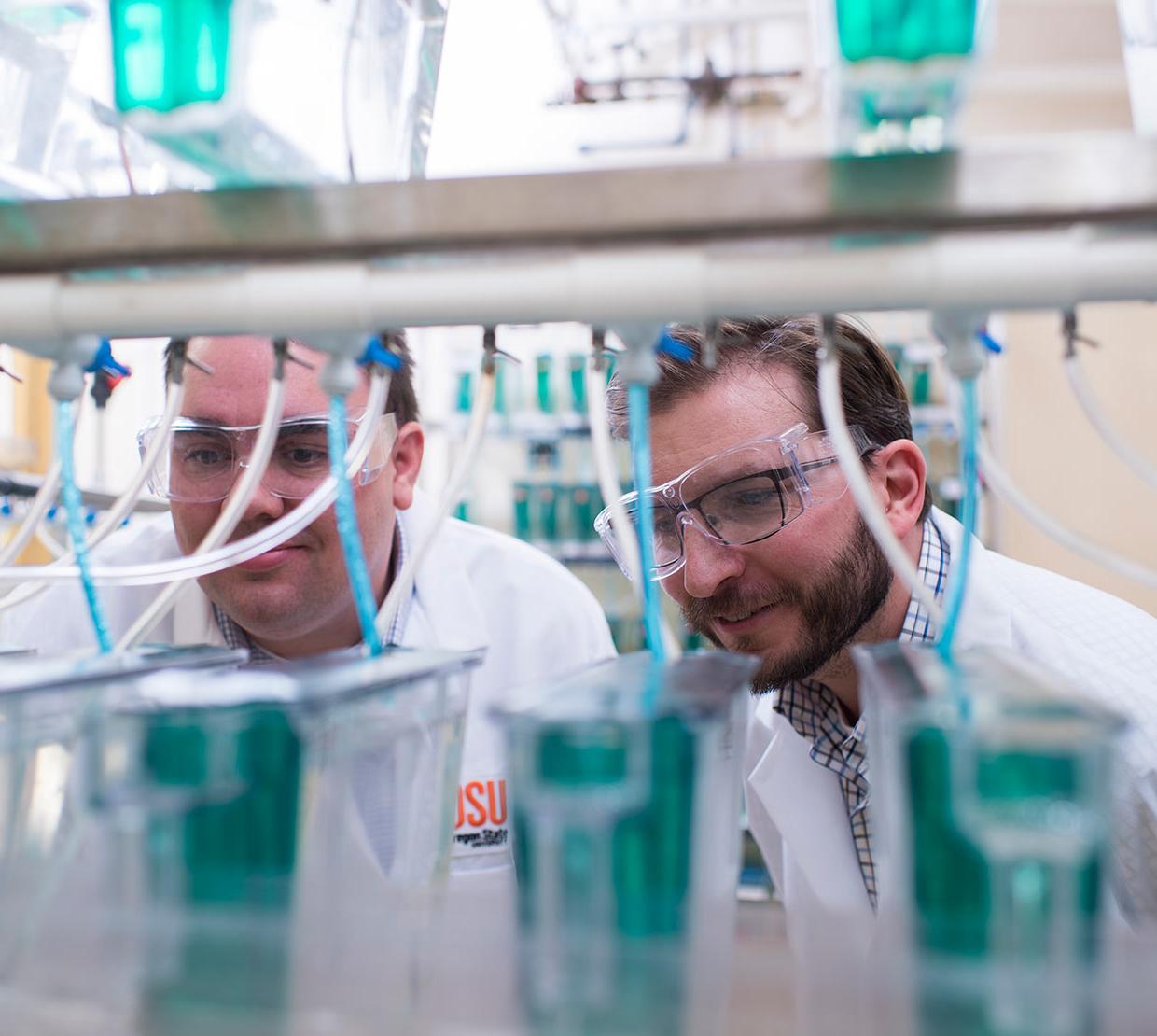
Thomas Sharpton with colleague looking at samples in lab

From scientific ideas to innovative solutions in the marketplace

Innovation Days

The College of Science is launching a transformative program to support and strengthen innovation and entrepreneurship that will enable us to better identify, validate, and develop the commercial impact of basic research. Innovation Days will bring together faculty, faculty research assistants and research associates to discuss and learn about moving basic research ideas and discoveries from the lab to commercial applications and practical solutions.

Co-hosted by the College of Science and the Office of Commercialization and Corporate Development (OCCD), Innovation Days will host its first session on January 7, 2019, 2:30-5 pm followed by a reception from 5-6 p.m. The deadline to register is December 14, 2018. Additional sessions to follow on February 4, April 1 and April 29.

Innovation Days is designed to build awareness and engagement with experts who will help advance and propel the OSU innovation enterprise. Workshop participants will learn about resources to:

  • Leverage basic research and research funding opportunities toward application
  • Increase the impact of basic research through patents and commercialization
  • Validate broader impacts of research projects to enhance proposal success
  • Connect with local innovation ecosystem and identify pathways to translate research to application
  • Create opportunities with industry
  • Integrate invention disclosures, patent applications, and company formation into day-to-day work to advance your career

Facilitators represent and support the many pathways available to successfully transfer technology and commercialize scientific research. The workshop series includes: Berry Treat, director of OCCD, who will provide an overview of his office and how it supports the research to industry pathway; Joe Christison, senior intellectual property and licensing manager at OCCD, who will introduce participants to technology transfer at OSU; Katie Pettinger, commercialization catalyst at OSU Advantage Accelerator, who will discuss startup support available to OSU researchers; chemistry professor Rich Carter, who will share his success story as an inventor; and Chris Stoner, senior industry contracts manager, OCCD, who will discuss the development of appropriate and effective research agreements with companies.

earth from space

Bridging computer science and statistics to optimize results from "Big Data"

The Spring 2017 Milne Lecture on big data

The spring 2017 Milne Lecture features Michael I. Jordan, the Pehong Chen Distinguished Professor in the Department of Electrical Engineering and Computer Science and the Department of Statistics at the University of California, Berkeley. He will discuss “On Computational Thinking, Inferential Thinking and Data Science."

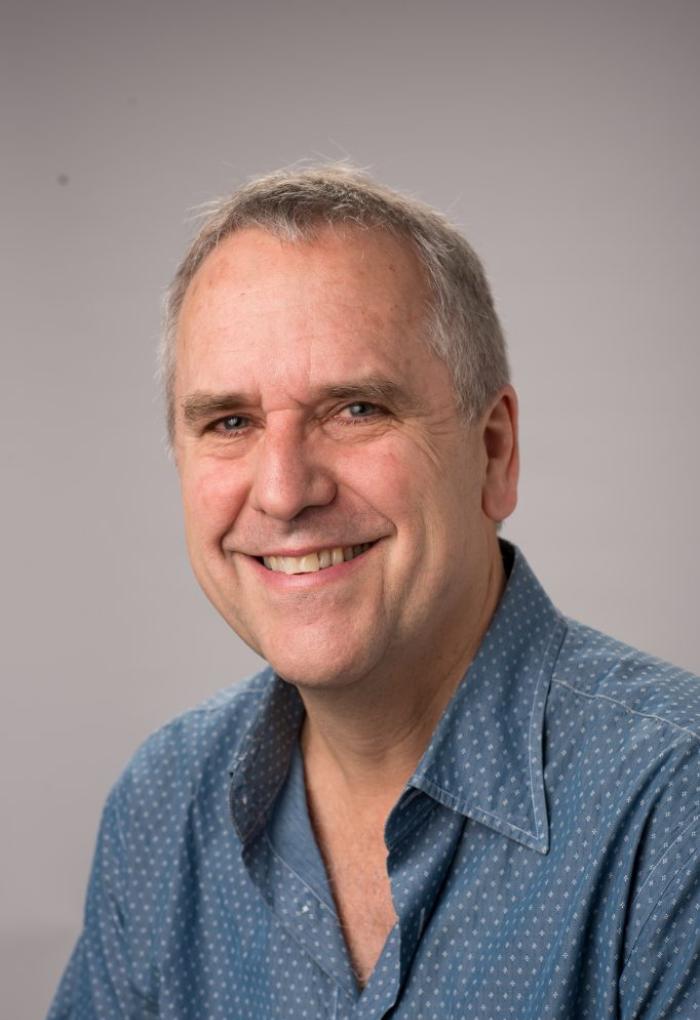
Professor Michael I. Jordan in front of grey backdrop

Professor Michael I. Jordan

Hosted by the Department of Statistics, the spring Milne Lecture will be held on Tuesday, May 16 at 4 pm in the Learning and Innovation Center, Room 128. The Milne Lecture in Mathematics, Statistics and Computer Science is a collaborative series of distinguished lectures launched in 1981 to honor founding Mathematics Department Chair and William Edmond Milne, a pioneer in numerical analysis.

In his lecture, Jordan will discuss how the rapid growth in the size and scope of datasets in science and technology has created a need for novel foundational perspectives on data analysis that blend the inferential and computational sciences. That classical perspectives from these fields are not adequate to address emerging problems in "Big Data" is apparent from their sharply divergent nature at an elementary level. In computer science, for example, the growth of the number of data points is a source of "complexity" that must be tamed via algorithms or hardware, whereas in statistics the growth of the number of data points is a source of "simplicity" in that inferences are generally stronger and asymptotic results can be invoked.

On a formal level, the gap is made evident by the lack of a role for computational concepts such as "runtime" in core statistical theory and the lack of a role for statistical concepts such as "risk" in core computational theory. Jordan will present several research vignettes aimed at bridging computation and statistics, including the problem of inference under privacy and communication constraints, and methods for trading off the speed and accuracy of inference.

Michael I. Jordan is the Pehong Chen Distinguished Professor in the Department of Electrical Engineering and Computer Science and the Department of Statistics at the University of California, Berkeley. He received his Masters in Mathematics from Arizona State University, and earned his Ph.D. in Cognitive Science in 1985 from the University of California, San Diego. He was a professor at Massachusetts Institute of Technology from 1988 to 1998. His research interests bridge the computational, statistical, cognitive and biological sciences, and have focused in recent years on Bayesian nonparametric analysis, probabilistic graphical models, spectral methods, kernel machines and applications to problems in distributed computing systems, natural language processing, signal processing and statistical genetics.

Professor Jordan is a member of the National Academy of Sciences, a member of the National Academy of Engineering and a member of the American Academy of Arts and Sciences. He is a Fellow of the American Association for the Advancement of Science. He has been named a Neyman Lecturer and a Medallion Lecturer by the Institute of Mathematical Statistics. He received the International Joint Conference on Artificial Intelligence Research Excellence Award in 2016, the David E. Rumelhart Prize in 2015 and the Association for Computer Machinery (ACM)/Association for the Advancement of Artificial Intelligence (AAAI) Allen Newell Award in 2009. He is a Fellow of the AAAI, ACM, American Statistical Association, Cognitive Science Society, Institute for Electrical and Electronics Engineers, Institute of Mathematics and Statistics, International Society for Bayesian Analysis and Society for Industrial and Applied Mathematics.

Support for the Milne Lectures comes from a generous gift from the Milne family as well as support from the College of Science’s Departments of Mathematics and Statistics, the College of Engineering‘s School of Electrical Engineering and Computer Science and from the Center for Genome Research and Biocomputing at OSU.

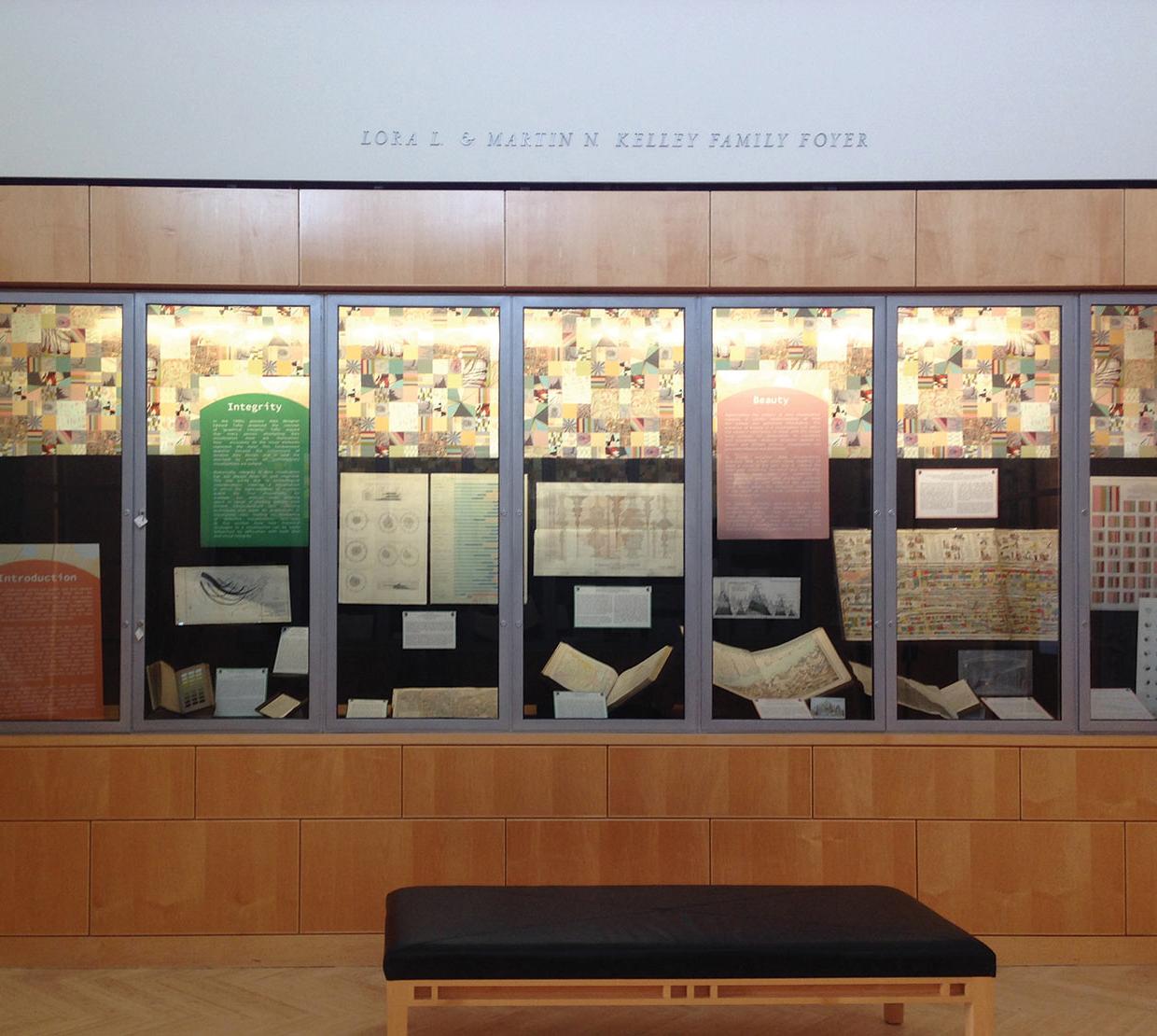
Data Visualization Exhibit in hallway

Data visualization exhibit spans six centuries

By Srila Nayak

Does the term “data visualization” sound like a dyed-in-the-wool twenty-first century phenomenon? If the phrase only conjures images of computer generated infographics, that constitutes just a snapshot of the long history and tradition of data visualization.

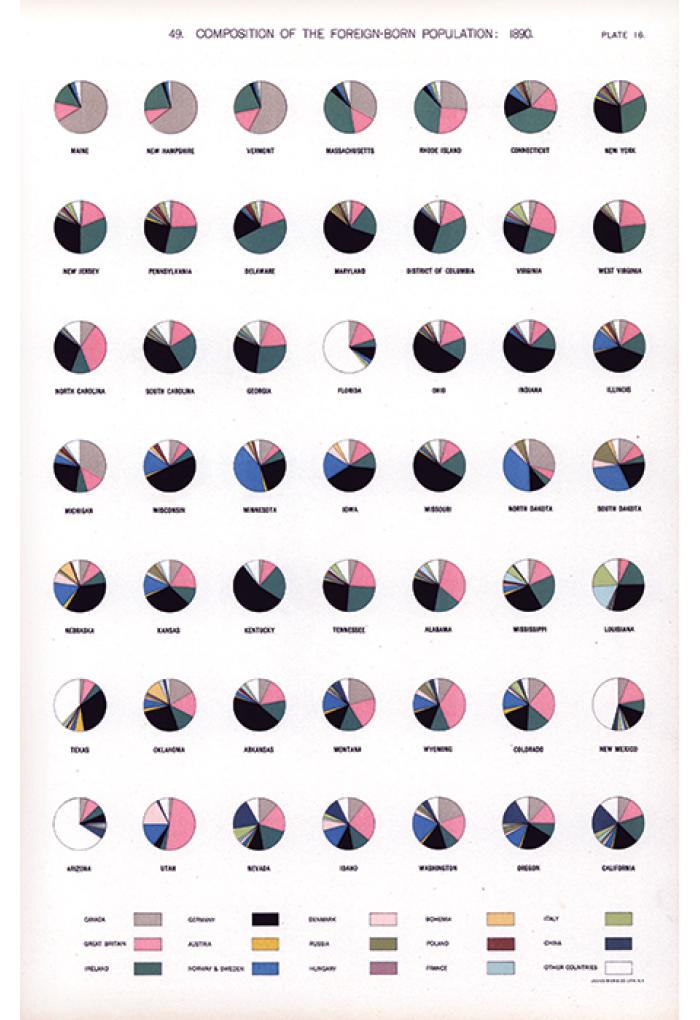
Diagram of pie charts

Image credit: Gannett, Henry. Statistical Atlas of the United States: Based on Results of the Eleventh Census. Mis. Doc. (United States. Congress. House), 1898.

Data visualization which is a way of making information easier to understand through visual presentation and arrangement has its origins in diagrams of celestial bodies, maps and thematic representations of the known world, some of which date to the 7th millennium BC.

These pictorial presentations combine art, science and statistics to map everything from time, distance and space to geology, economics, demography and health data.

A new exhibit at Oregon State University, Beautiful Science, Useful Art, explores the evolution of graphics through six centuries as new forms of data visualization developed in response to technological innovations (color, lithography, printing press and computers), social conditions, cultural values and advances in visual thinking and cognition.

The exhibit is co-curated by Anne Bahde, rare books and history of science librarian, and Charlotte Wickham, assistant professor of statistics. It is open to the public until August 2017 in the Special Collections and Archives Research Center (SCARC), 5th floor of the Valley Library.

The exhibit showcases how the practice of visualizing data has inspired new insights in numerous fields and encouraged collaboration across disciplinary boundaries. Using examples of visualization from 1500-2016, the curators have grouped the great variety of data visualization into four different categories: integrity, beauty, utility, and novelty.

Bahde and Wickham have been working on the exhibit since July 2016. They combed through hundreds of archival collections and rare books held in SCARC to come up with illustrative examples that tell a very full and rich story of how data visualization has progressed to become a powerful and pervasive element of communication and knowledge in the present day.

“We are trying to show a diversity of visualization types and have taken examples from the papers of renowned scientists, artists, and researchers. The exhibit carries historical specimens with data from the sciences, social sciences, history, art, economics, natural resources, agriculture and more,” said Bahde.

Several events will take place around the exhibit. On Wednesday, May 3, a lecture panel will bring together three experts from different disciplines to examine the impact of data visualization on their work, and to explore the interdisciplinary connections that bring new insight to the study and production of visualized data. The speakers are:

Ehren Pflugfelder, “Elusive Elegance in Data Displays.” Assistant professor of rhetoric in the School of Writing, Literature and Film.

Ben Dalziel, “Data as Wilderness.” Assistant professor in the departments of integrative biology and mathematics.

Daniel Rosenberg, “Against Infographics.” Professor of History at the University of Oregon, co-author of Cartographies of Time: A History of the Timeline.

The lecture will begin at 5:00 pm in SCARC, 5th floor Valley Library. The exhibit is a part of SPARK: A Year of Arts + Science, a yearlong celebration of the intersection of the arts and science.

Two women working on iPads in the Learning Innovation Center

Statistician speaks at Women in Data Science event

Women in Data Science event

Associate Professor of Statistics Sarah Emerson gave a presentation at the Corvallis Women in Data Science (WiDs) satellite event on February 3, 2017, which was organized by the Department of Mathematics. Emerson presented her talk on sparse methods for clustering as part of the Applied and Computational Math Seminar. The presentation was a satellite event of the second annual 2017 WiDs Conference at Stanford University.

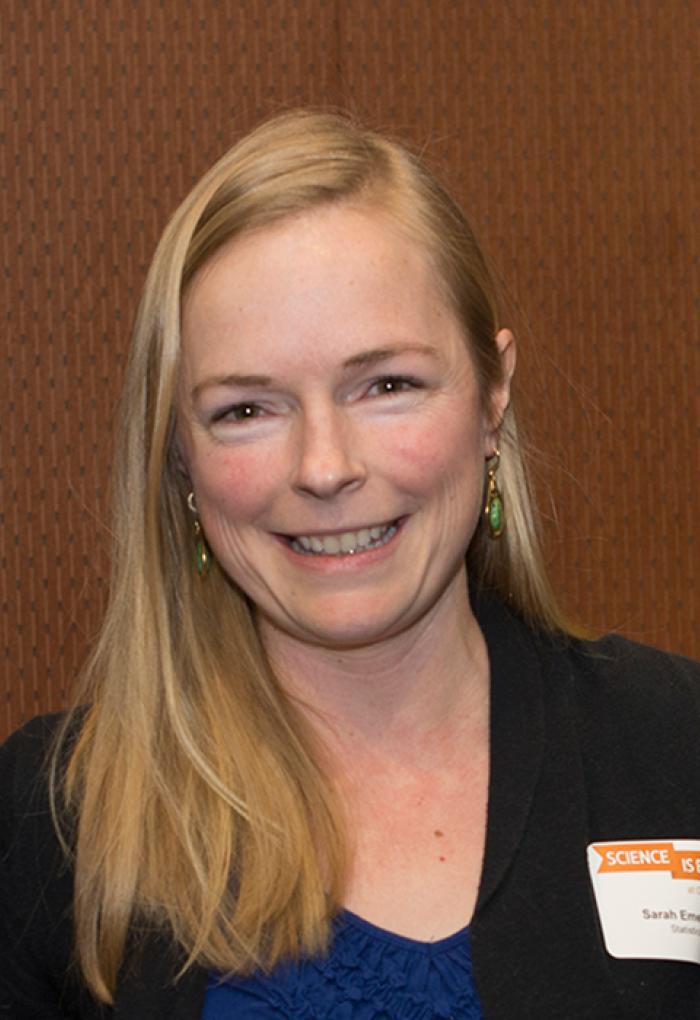
Sarah Emerson in front of wooden backdrop

Sarah Emerson, Associate Professor of Statistics

WiDs inspires and educates data scientists worldwide, regardless of gender, and supports women in the field. The conference, hosted at Stanford and more than 75 locations worldwide, including Oregon State, focused on the latest data science related research, applications in multiple domains and how leading-edge companies are using data science for success.

Emerson's research focuses on the areas of clinical trial design, biomarker evaluation and statistical genetics applications, as well as methodological and theoretical work in high-dimensional data settings and statistical learning.

Watch the video of Emerson's presentation online.

diploma icon above light texture

Celebrating excellence in teaching and advising

2017 College of Science Teaching and Advising Awards

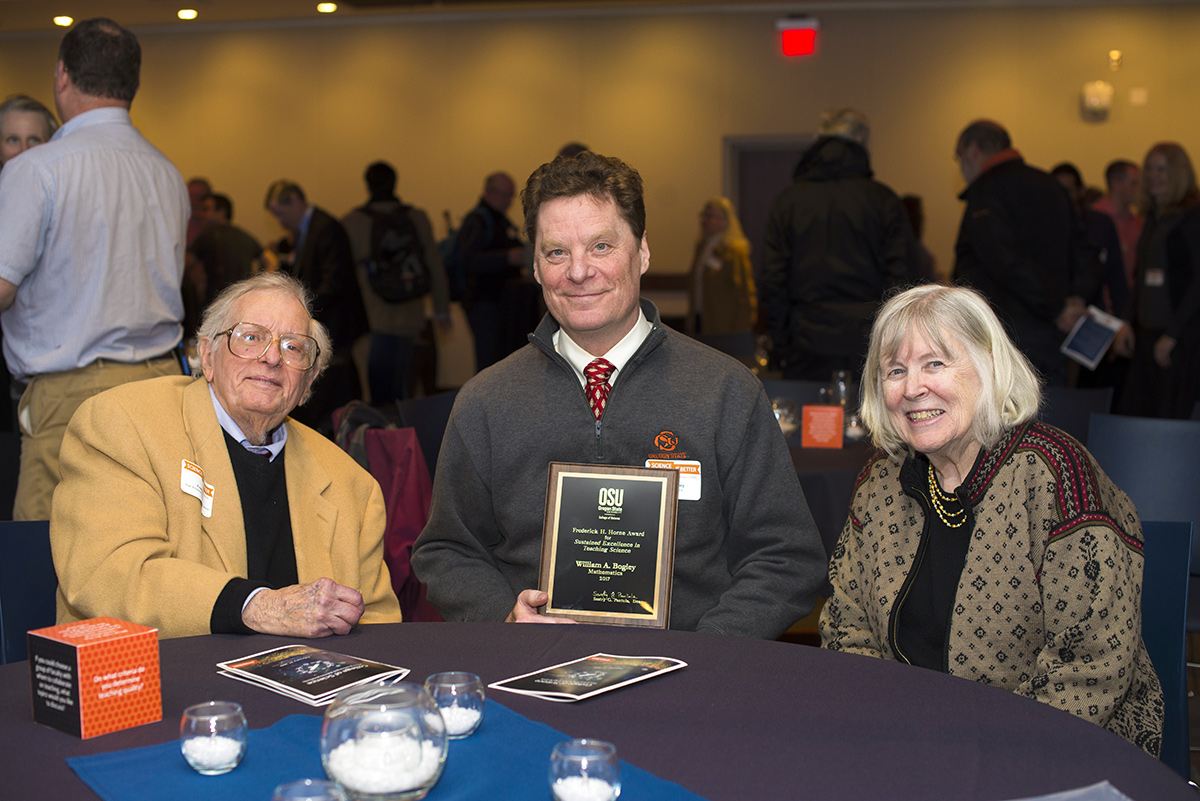
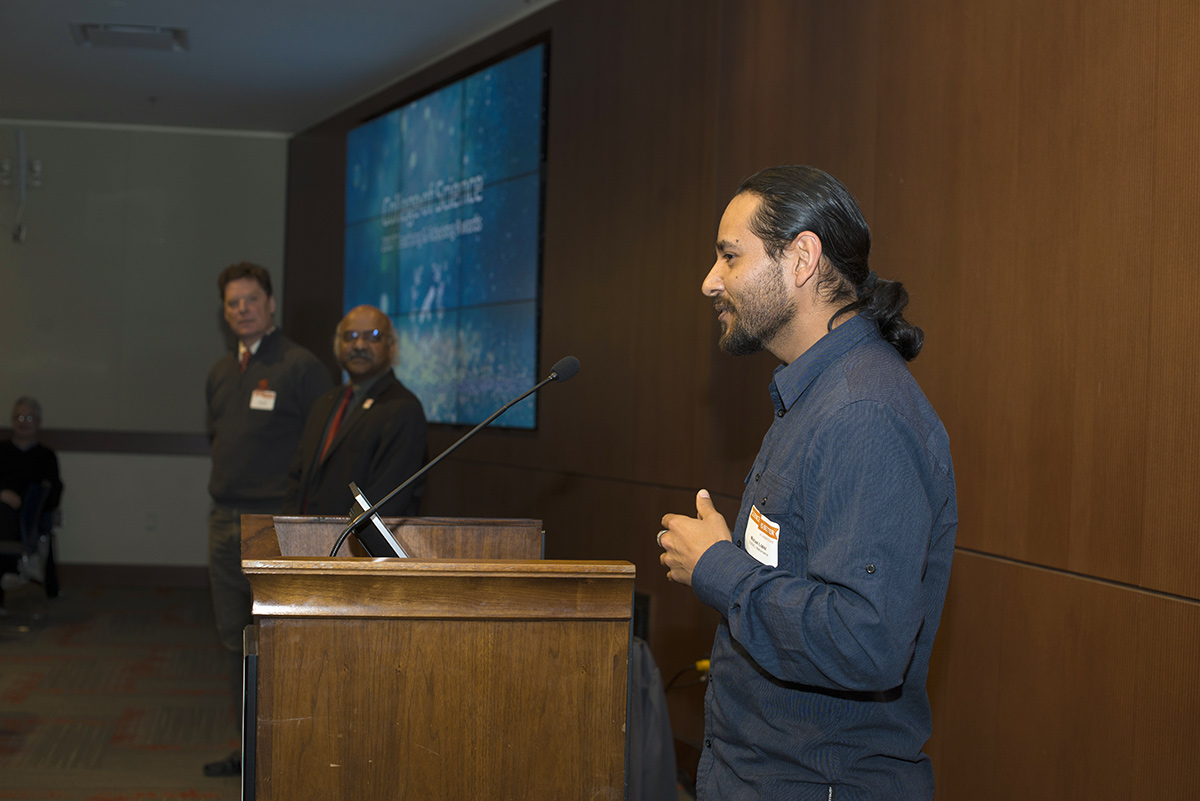
The College of Science celebrated its 2017 Winter Teaching and Advising Awards with faculty, advisors and students on February 27, which recognized excellence in teaching and advising, both hallmarks of our College. We are deeply committed to the success of all our people—faculty, advisors, staff and of course, our students. We want everyone in our OneScience community to thrive, not just survive.

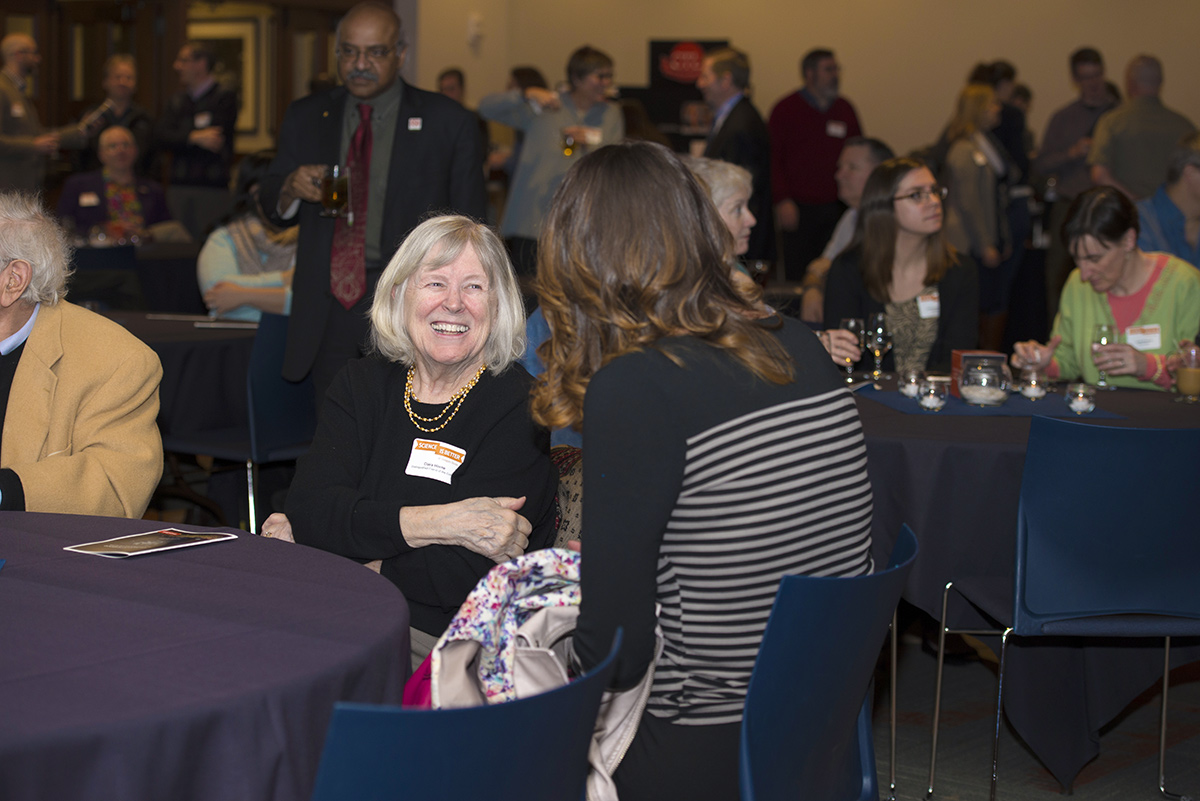
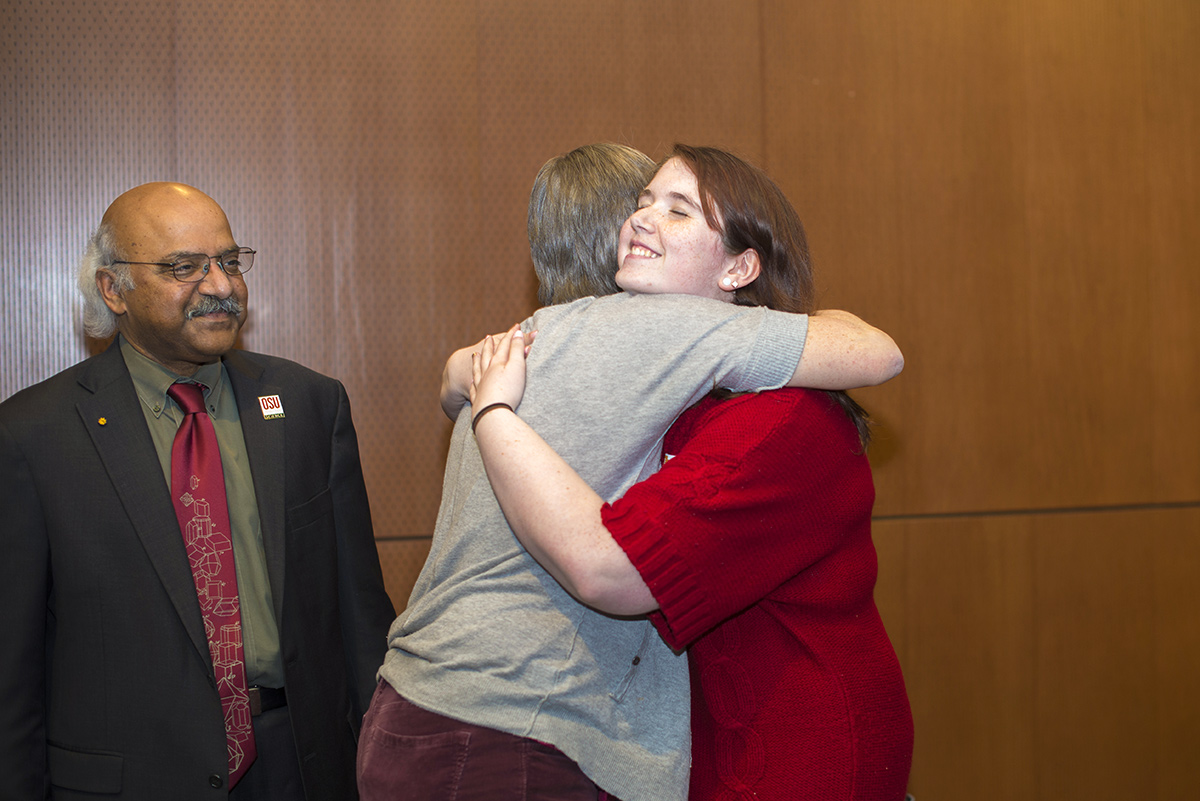
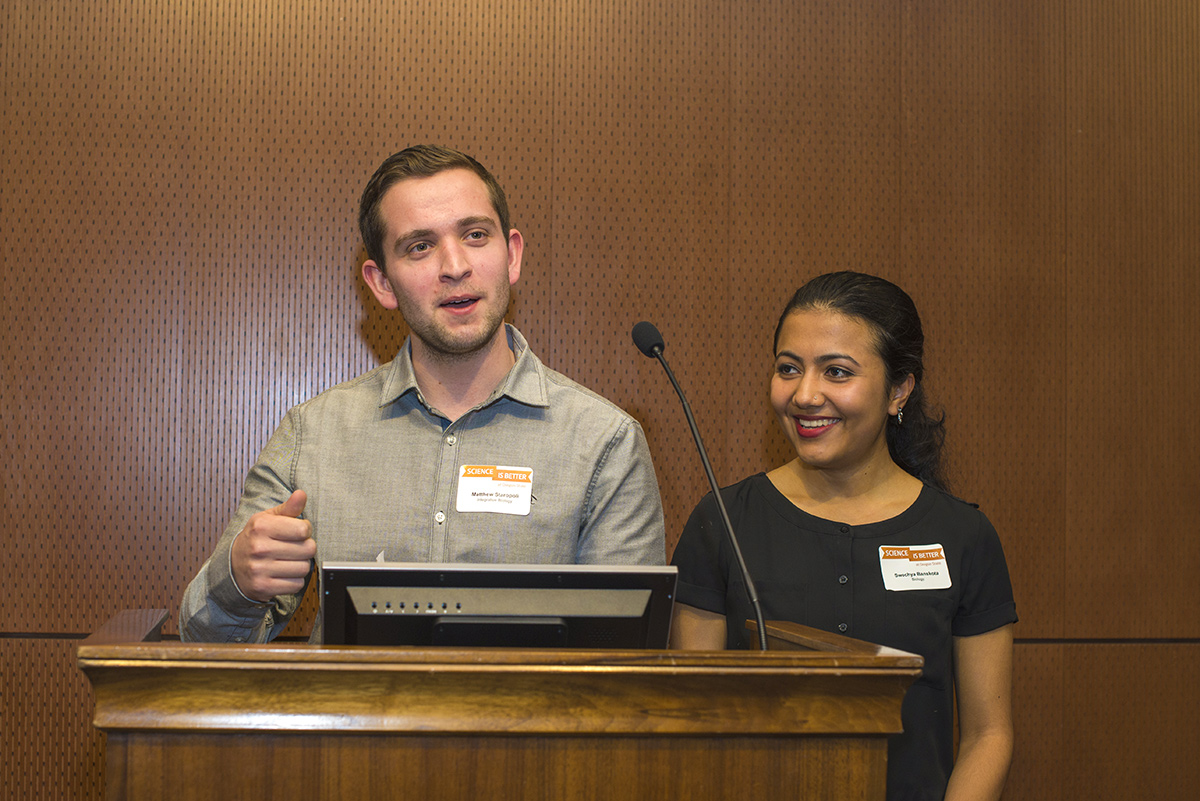
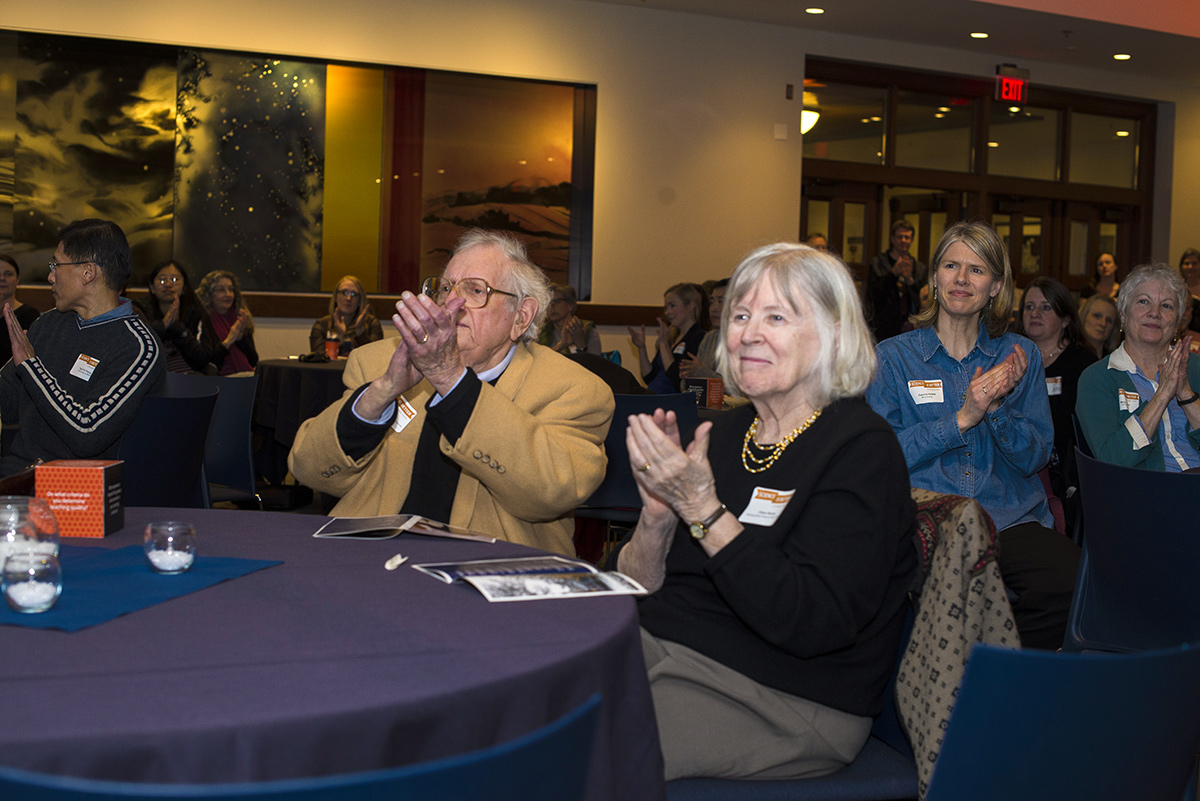
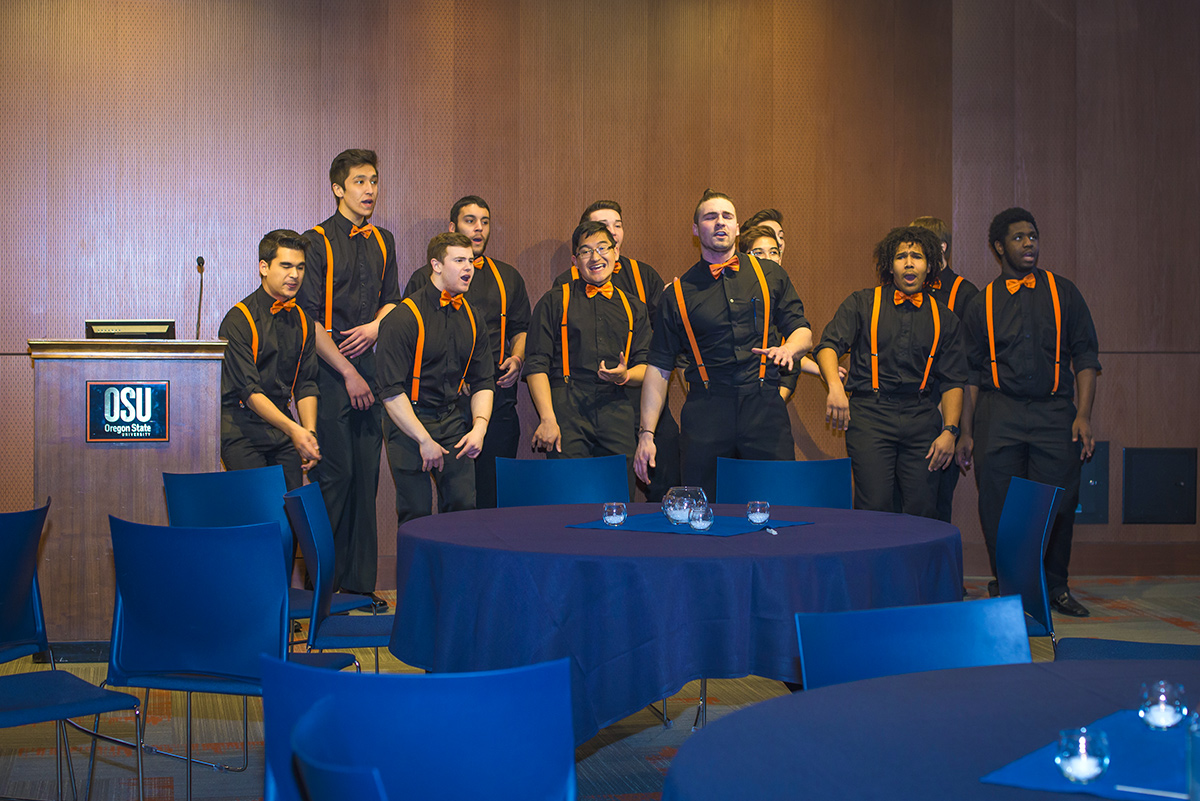
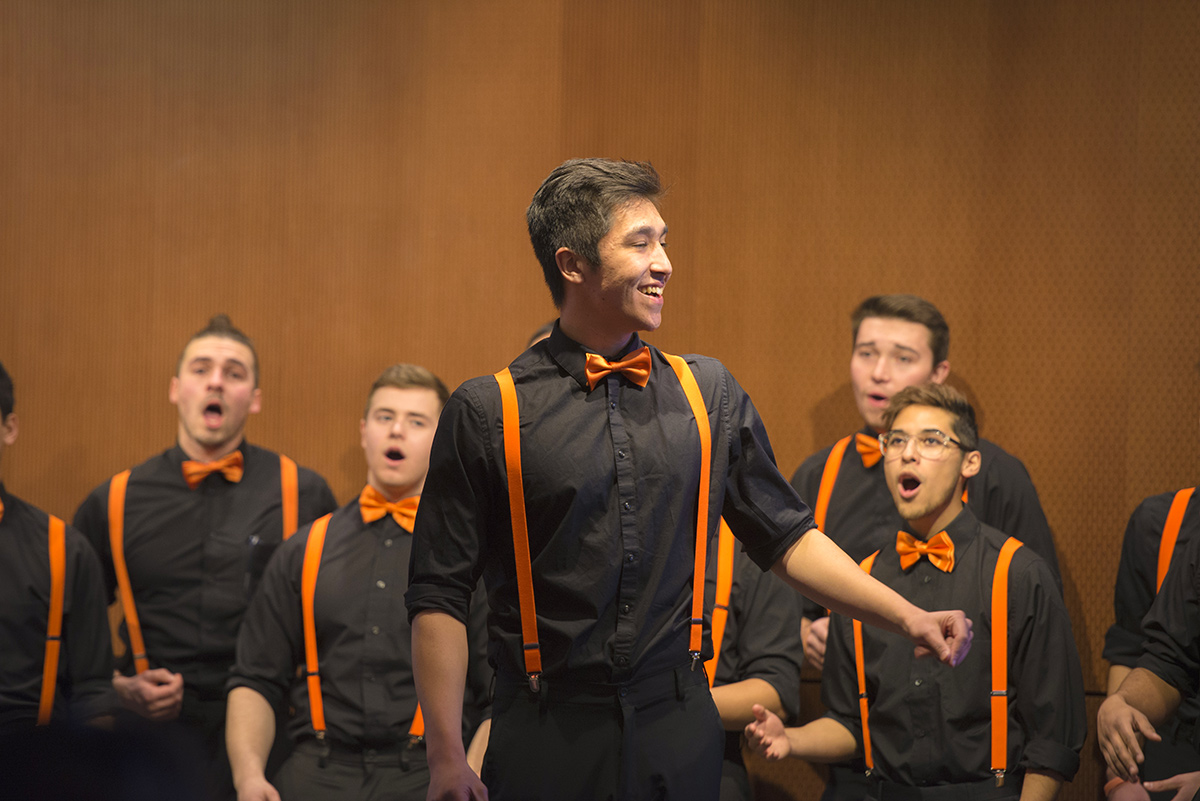
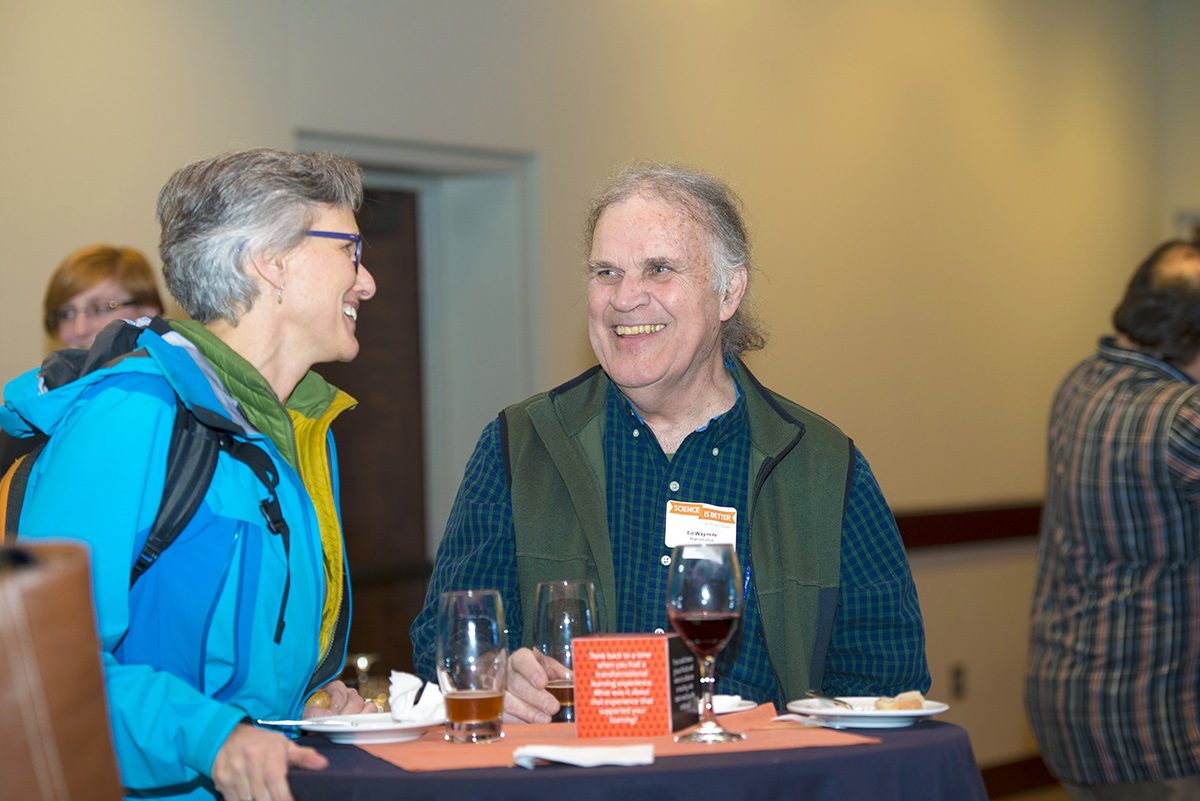
Enjoy the photos from the event below.

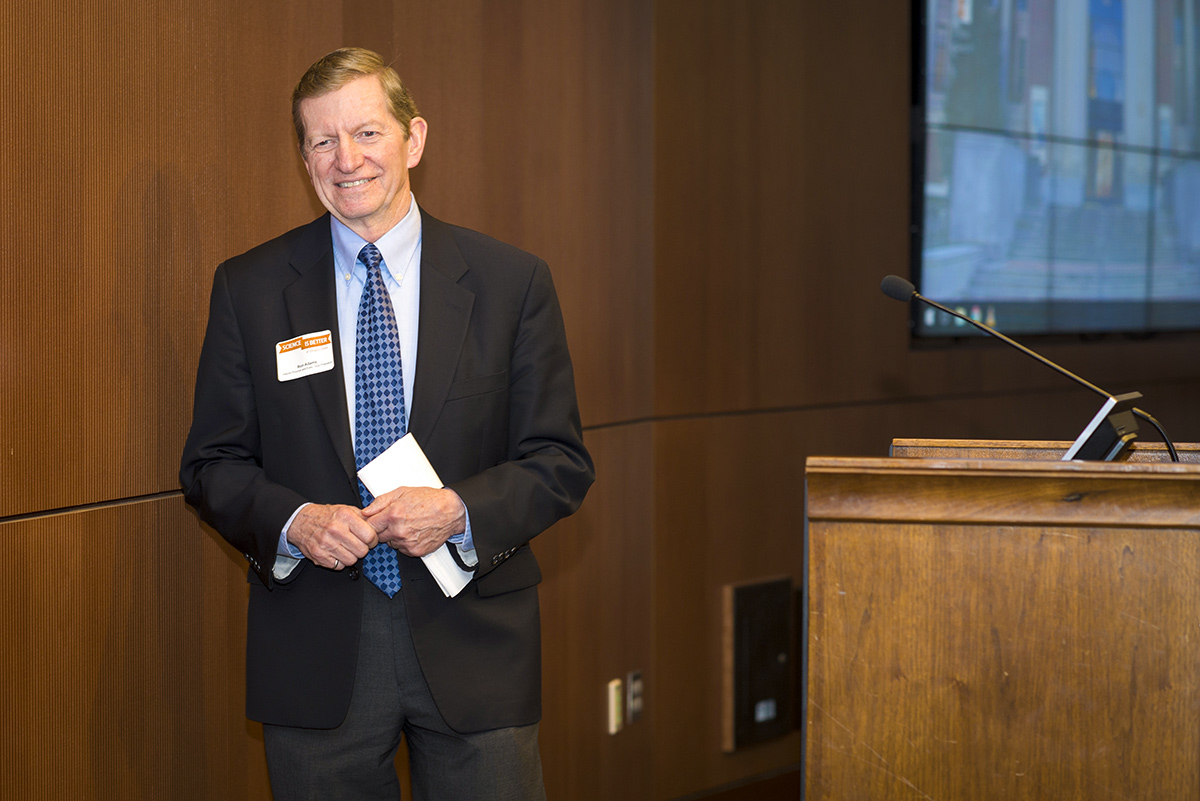
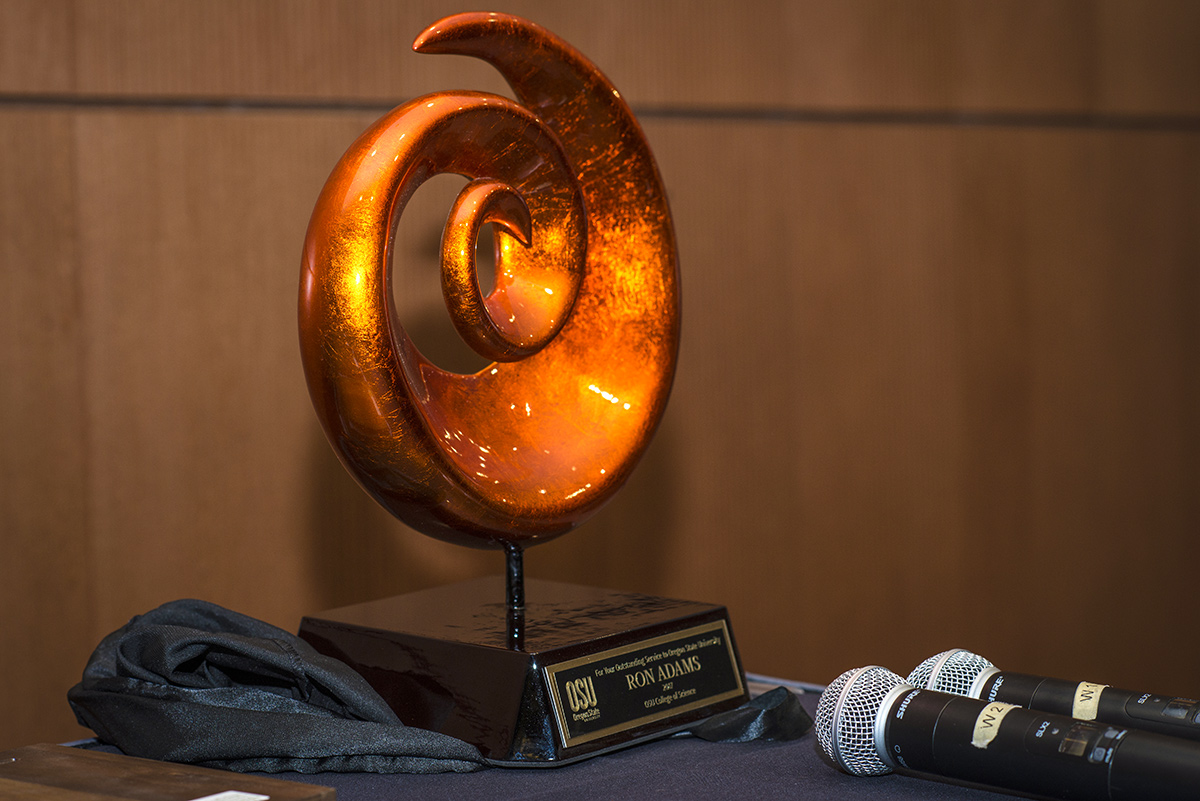
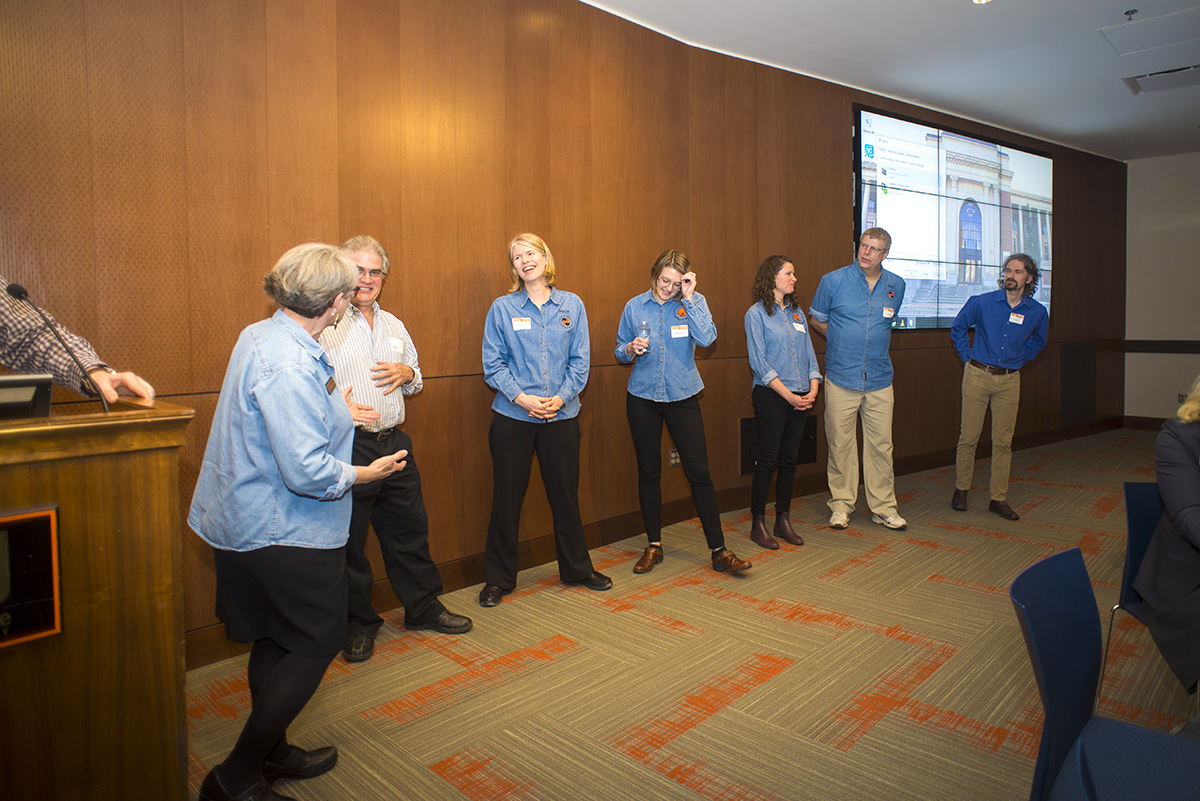
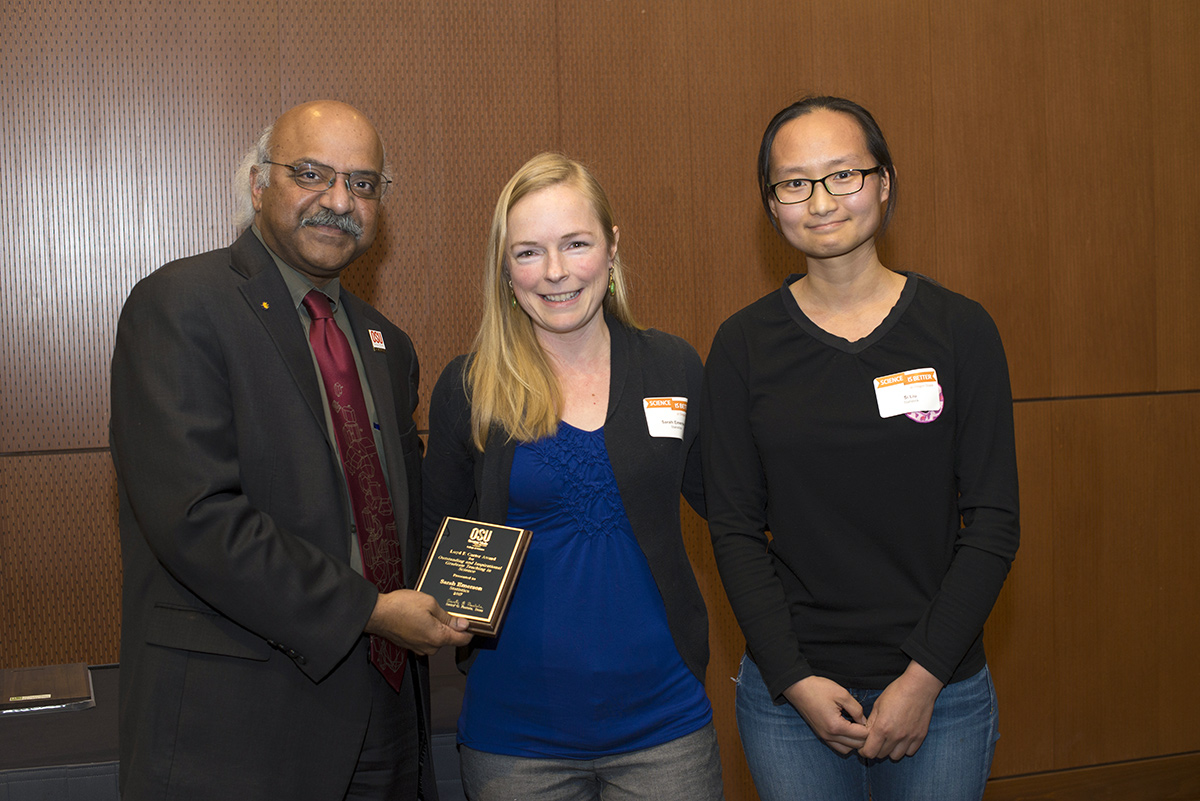
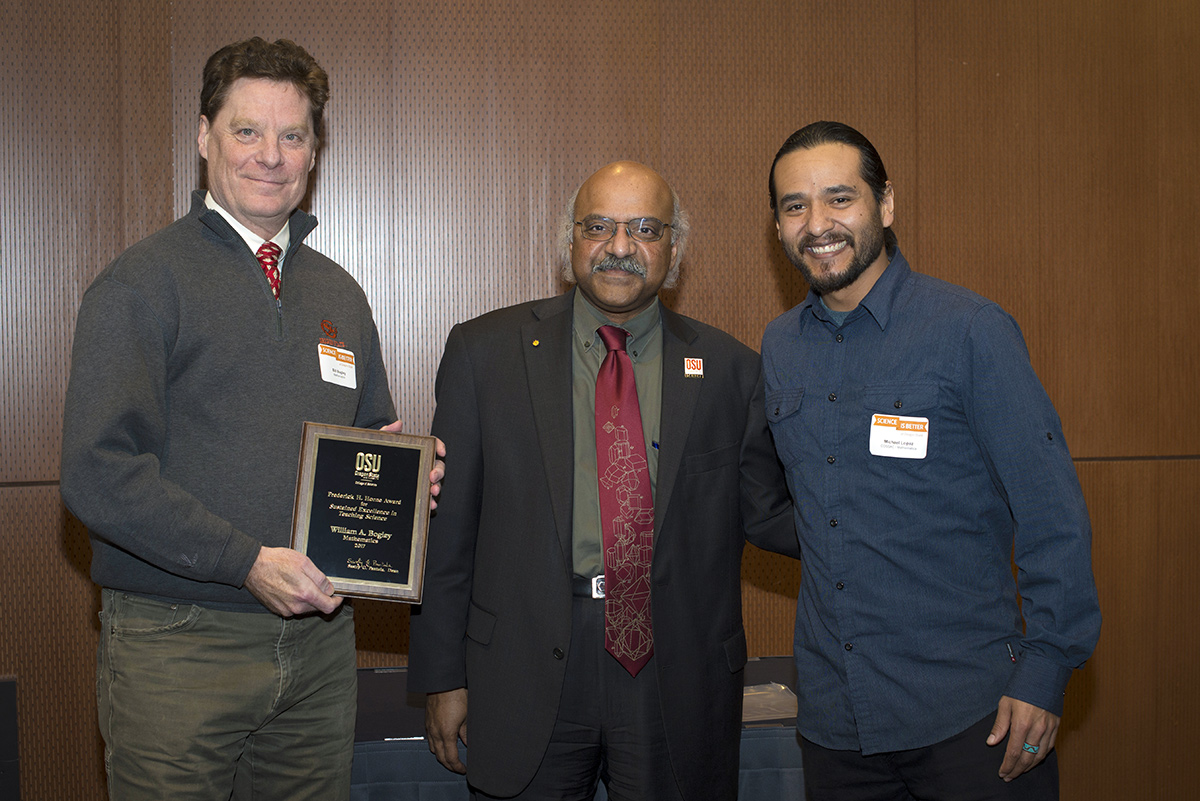
Dean Sastry Pantula welcomed everyone and Associate Dean Staci Simonich emceed the event. Guests included Interim Provost Ron Adams, who was presented with a special award acknowledging his service and dedication to the College and to OSU and to representatives from the Center for Teaching and Learning (CTL), a year-round resource offering professional development courses as well as individual consultations for faculty.

CTL advances excellence in teaching at OSU and beyond by providing a forum for discussion and hands-on activities supporting evidence-based methods and practices. The Center helps faculty who want to transform their curriculum, transcend traditional academic boundaries, incorporate more experiential learning, innovate with a hybrid or “flipped” classroom, or simply polish what’s already working well.

Watch this video to hear science faculty discuss how a professional learning community with CTL impacted their teaching.

Congratulations to all of our nominees and award winners! They exemplify deep commitment, skill, effectiveness and impact in teaching and advising, which helps build strong leaders in science. They are truly transforming lives.

2017 Award Winners

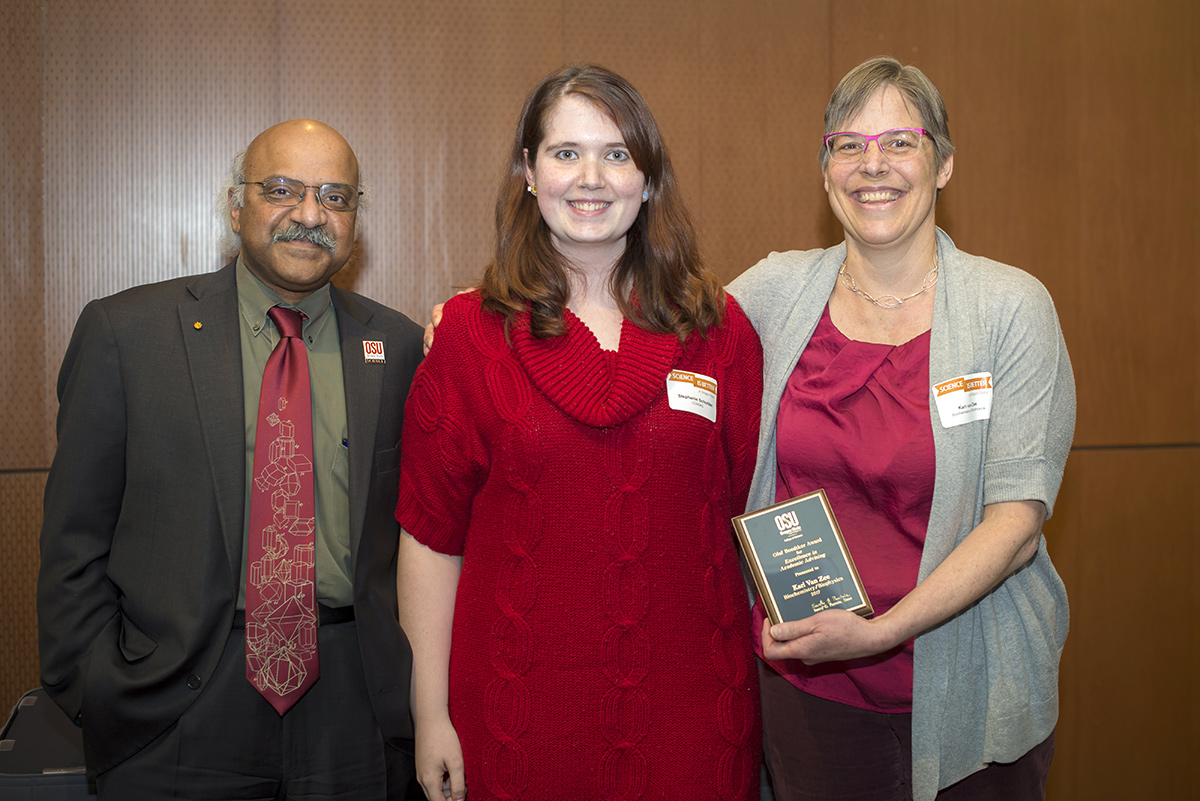
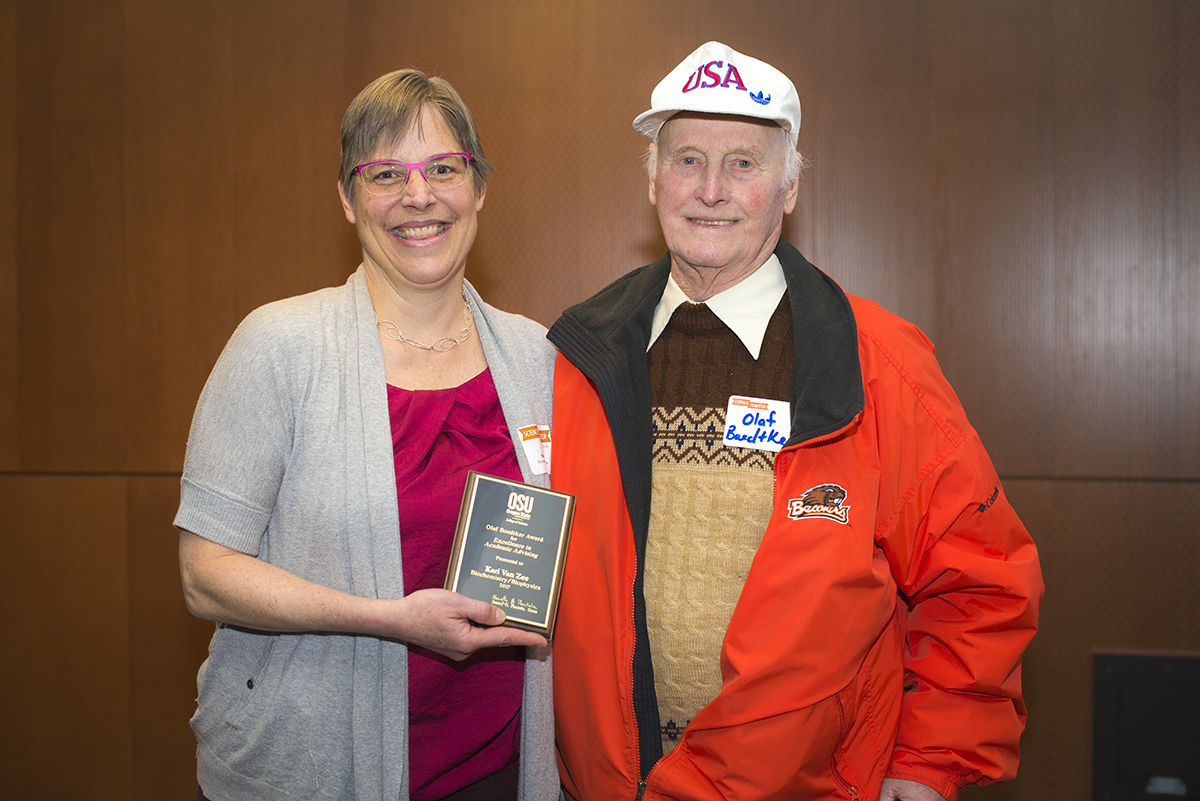
Olaf Boedtker Award for Excellence in Academic Advising

Nominees: Brock McLeod, Integrative Biology; Geneva Anderson, Microbiology; Elise Lockwood, Math; Sandra Loesgen, Chemistry

Winner: Kari van Zee, Biochemistry and Biophysics

Instructor and advisor Kari van Zee is dedicated to preparing undergraduate and graduate students for a variety of careers in the life sciences and for life-long learning in STEM. She has also been heavily involved in outreach to Oregon high school students and teachers and is Program Coordinator of STEPs (Scientists and Teachers in Education Partnerships).

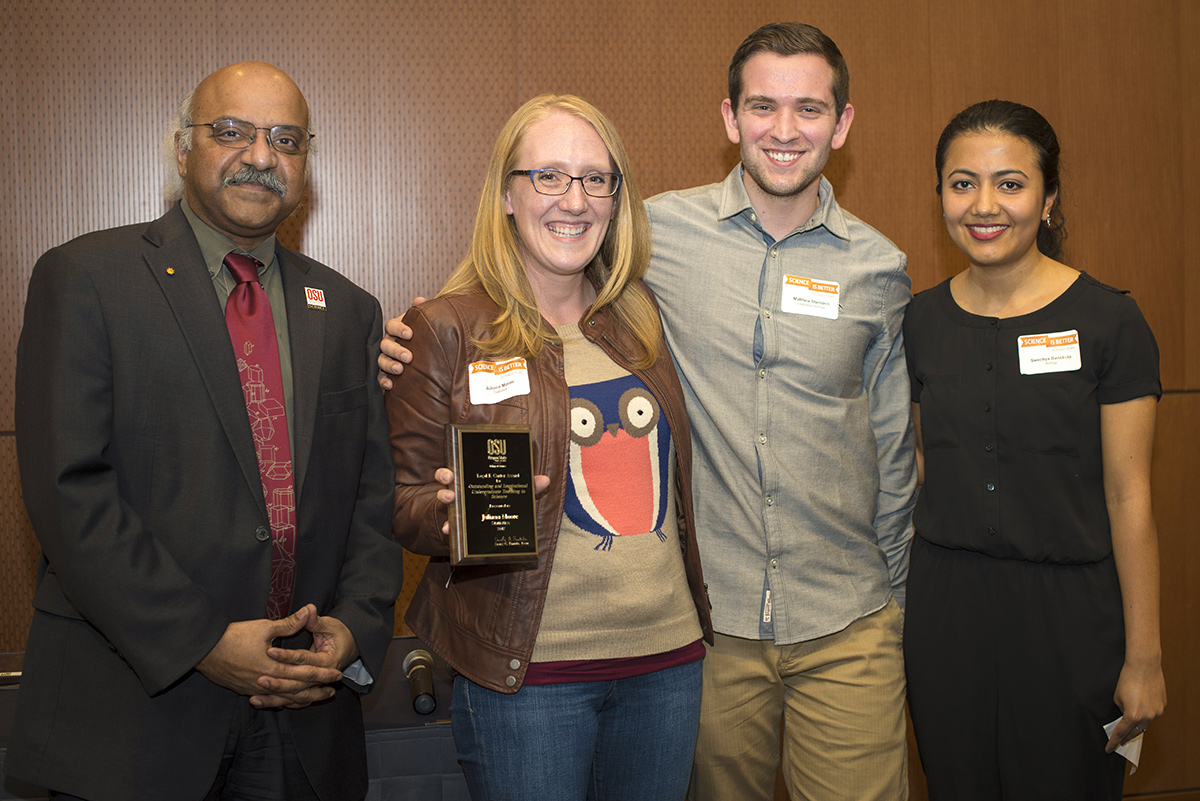
Loyd F. Carter Award for Outstanding and Inspirational Teaching in Science, Undergraduate

Nominees: Viviana Perez, Biochemistry and Biophysics; Bob Mason, Integrative Biology; Lindsey Biga, Microbiology and Biohealth Sciences; David Koslicki, Mathematics

Winner: Juliann Moore, Statistics

Instructor Juliann Moore fell in love with statistics as a psychology undergraduate at Oregon State after taking upperlevel statistics courses with Jeff Kollath, and went on to pursue an M.S. in Statistics, graduating in 2011. While a graduate student, she worked as a teaching assistant and fell in love a second time, with teaching! Now in her dream job, Juliann has enjoyed being involved in iteratively improving statistics classes, particularly statistics 201. The improvements have had a positive impact on student grades, reducing the DFW rate (the rate at which students receive D-grades, F-grades or Withdrawals) by 14%.

Loyd F. Carter Award for Outstanding and Inspirational Teaching in Science, Graduate

Nominees: Lindsay Biga, Integrative Biology; Sean Burrow, Chemistry; David Hendrix, Biochemistry and Biophysics

Winner: Sarah Emerson, Statistics

Associate Professor Sarah Emerson is a highly dedicated and effective teacher who has thrice received the Outstanding Teaching Award for “Significant Contribution the Educational Experience of Statistics Students” from the department’s students. She has been closely involved with developing the curriculum and the course contents for the department’s newly launched master’s program in Data Analytics.

Fred Horne Award for Excellence in Teaching Science

Winner: Bill Bogley, Mathematics

Professor Bill Bogley is an inspirational teacher who learned early on to drop his formal lecture notes and become a "participant" in the class, working Socratically from a few written objectives and responding spontaneously from there to students' reactions and questions. This interactive style of teaching helped his students "become the kind of thinkers who can work on a problem while they are walking across the quad or eating breakfast - consciously or unconsciously." Bogley is also a very early online ed-preneur, who in 1996 with co-author Robby Robson, developed what is arguably the world's first complete web-based course in differential calculus, the basis for OSU's online course until 2010.
Two women working on homework in the Learning Innovation Center

Mapping a Data-Driven Career Path

Pursuing a graduate degree or certificate in statistics? Versed in data analytics? A numbers junky? You are more than in luck. Statistics-related jobs are predicted to grow 34% between 2014-2024 for a net increase of more than 10,000 jobs. "Statistician" was ranked the number one job in both STEM and business in the U.S. News & World Report rankings for 2017.
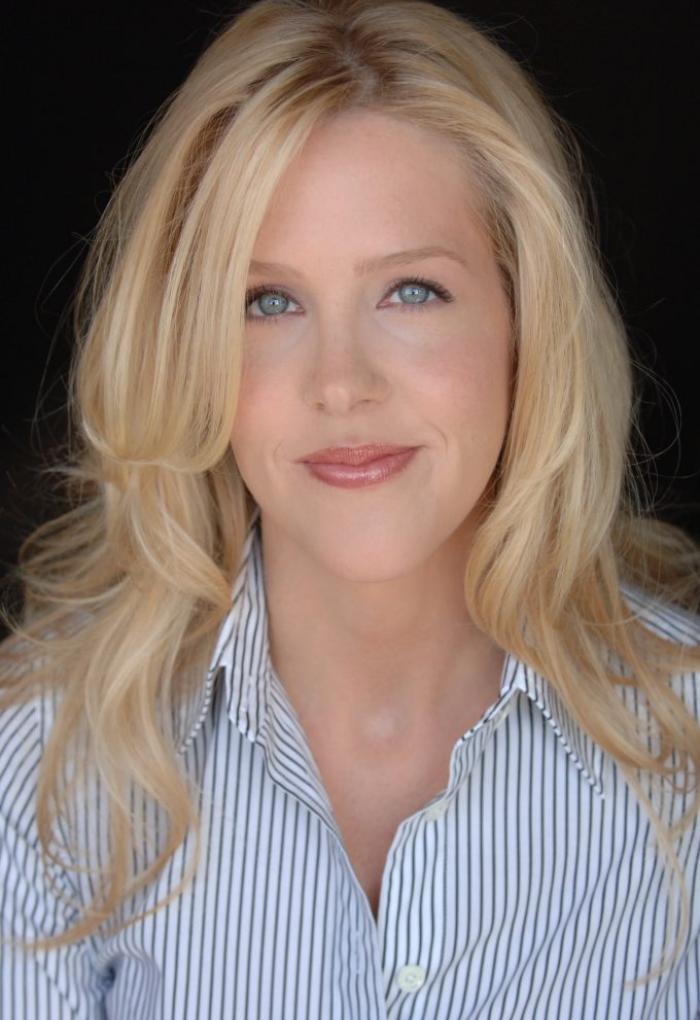
Kristin Luck in front of black backdrop

Kristin Luck, serial entrepreneur based in Bend, OR

In this hot job market, you won't want to miss the opportunity to get a helicopter view of statistics' evolving role in industry from data-driven marketer Kristin Luck, who will share her journey from math flunky to research assistant to entrepreneur to globetrotting growth strategy consultant. She will explain not only how she’s used data science to shape her own career but also the businesses of her Fortune 500 clientele.

Luck will present a public seminar, "From Research Assistant to Entrepreneur: Mapping a Data Driven Career Path," on March 6, 2017, from 4:00-5:00 p.m. with light refreshments served at 3:55 p.m. in Weniger Hall, Room 149. The event is hosted by the Statistics Department.

Kristin Luck is a serial entrepreneur based in Bend, OR, and a globetrotting internationally recognized keynote speaker on marketing measurement. She’s a futurist and growth hacking expert, specializing in nontraditional marketing and branding strategies, and regularly contributes to both the commercial (Fast Company, Forbes) as well as the academic press (Research World, Journal of Brand Strategy) where she explores emerging marketing and research methods.

Luck is consistently ranked as one of the top 100 sales and marketing experts to follow on social media (check out her Twitter). She most recently served as a partner and President/CMO of Decipher until its acquisition in 2014 and currently works as a growth strategy consultant for early and mid-stage companies preparing for funding or acquisition.

A "rabid Oregonian," Luck also founded the non-profit Women in Research, which is dedicated to empowering and nurturing relationships and support for women in market research.

In addition to being "really into numbers," Luck is a fantastic storyteller and renowned public speaker. Her talk focuses on the growing reliance on data analytics by the private sector and beyond promises to intrigue the general public as well as statistics students and faculty.

"[Kristin is] a dynamic professional who is a joy to listen to and learn from. Every time she presents for us I learn something new and our conference attendees gain great value and ask for her back. That's the best kind of presenter and that's what you get with Kristin!" said Ryan Underwood, CEO of TRI Leadership Resources.

Galaxy in space

Free movie, dinner and discussion: Hidden Figures

By Srila Nayak

The College of Science will treat science students, faculty and staff to dinner and a movie followed by a lively discussion on Tuesday, January 31. The movie is “Hidden Figures,” the 2016 Oscar-nominated biographical film about pioneering yet little known female African-American mathematicians at NASA.

Based on the book Hidden Figures: The American Dream and the Untold Story of the Black Women Mathematicians Who Helped Win the Space Race by Margot Lee Sheerly, the film depicts the incredible and inspiring NASA careers of Katherine G. Johnson, Dorothy Vaughan and Mary Jackson who started working in the Jim Crow era. Johnson was a physicist and mathematician, who calculated flight trajectories for Project Mercury, the 1969 Apollo 11 flight to the moon and many other early NASA missions. Jackson went on to become NASA’s first black female engineer. Vaughan was the first African-American woman to supervise a staff at NASA.

The film shows how the three women overcame racial discrimination and other social obstacles to contribute in vital ways to NASA’s various missions at a time when black women and men were still being subjected to segregation and barred from higher education and high-skilled jobs.

After the movie, the College will host a pizza dinner and an hour-long discussion exploring issues raised by the film that go beyond NASA and the field of mathematics and connecting with many of the College’s initiatives around diversity, equity and inclusion.

If interested, faculty, students, faculty and staff can RSVP to Michael Lopez at LopeMich@oregonstate.edu

Movie: Carmike Cinema at 4:10 pm, January 31, 2017 (Tuesday). Please arrive 15 minutes early.

Discussion and Dinner: Kidder 128, 6:45 p.m.—7:45 p.m.

male student in front of orange-filtered classroom

National leader in mathematics reform to discuss student success and equalization

By Katharine de Baun

How can universities better prepare students to meet the urgent needs of the 21st century? What best practices can help enhance and equalize student success, especially among those from diverse backgrounds? These are just a few of the topics William "Brit" Kirwan, a nationally recognized authority on mathematics reform and other critical issues facing higher education, explored as part of a special lecture hosted by the College of Science on Tuesday, January 24, 2017.

Watch a his lecture on YouTube.

Dr. Kirwan is currently the executive director of the Transforming Post-Secondary Education in Mathematics project, and Chancellor Emeritus of the University System of Maryland (USM). His talk “The Student Success Imperative: Challenges, Opportunities, and Responsibilities,” came at an opportune time given the state and national dialogue taking place.

Kirwan presented evidence-based strategies and pedagogies, on both a university-wide and classroom-level, that provide hope for greater and more diverse student access and success, even in a time of diminishing public investment in higher education. He also highlighted key trends, including making smart use of new technologies, developing an active learning “emporium model” and defining alternative pathways for degree requirements in mathematics, among others.

Nationwide, colleges of science, where foundational courses are taught in mathematics, statistics and sciences, play a critical role in student success, and ultimately in college completion. Kirwan offered a clear picture of how universities and faculty must evolve quickly to increase students’ quantitative literacy, driven by the reality that math is the single largest roadblock for many to affordable degree completion and because in today’s data-driven world, mastery of mathematical and statistical concepts has become essential for success in highly desirable STEM disciplines and careers.

Many contend that mathematics and statistics can make us better thinkers. Kirwan explained that math is not just a linear winnowing process to weed out the (white, male) Einsteins from the masses, but a fundamental tool for all that should be opening more doors than it closes.

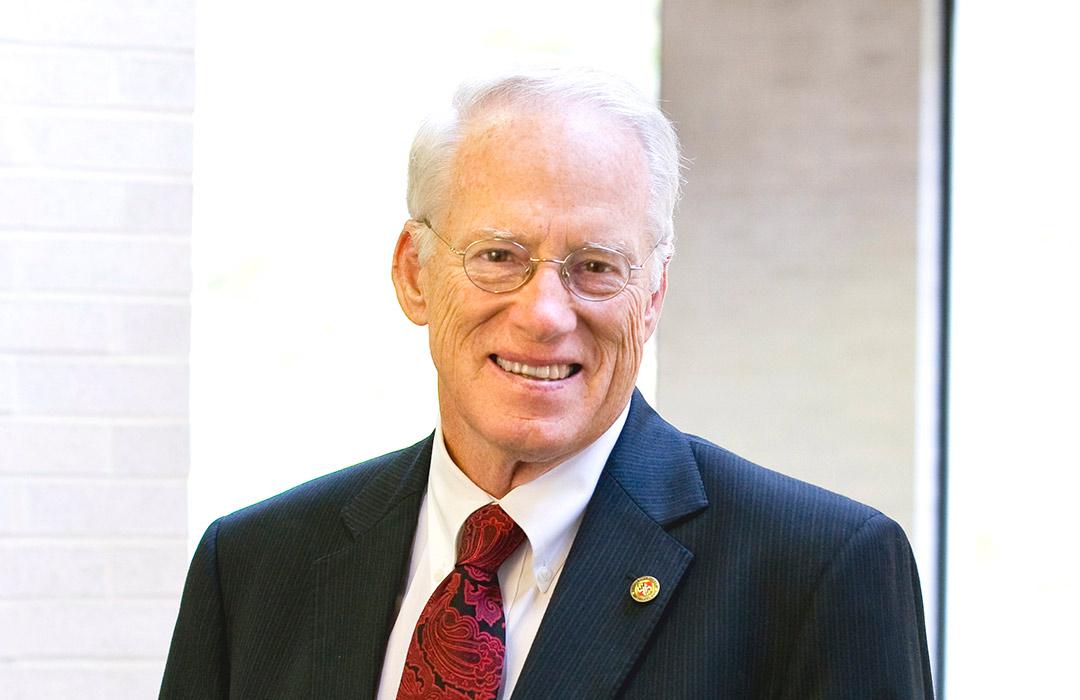
William Kirwan standing in office space

William “Brit” Kirwan, Chancellor Emeritus of the University System of Maryland

Kirwan also explored how a sea-change is needed in how trajectories in K-12, college-level, and graduate-level math education are viewed. Too often, implicit bias or “expectancy effects” on the part of teachers not only restricts what could be a broader, more diverse stream of students into higher math (i.e. calculus and beyond), but shortchanges math at all levels as a discipline benefiting clear thinking and analysis across the curriculum.

While on campus, Kirwan met with OSU leaders and administrators, faculty in the Departments of Mathematics and Statistics as well as education faculty and students to explore some of the above topics in more depth.

Prior to his Chancellorship at USM (2002-2015), Kirwan served as President of The Ohio State University from 1998-2002 and previously as President of the University of Maryland, College Park for 10 years and a mathematics professor there for 24 years.

Among Kirwan's many honors is the 2010 TIAA-CREF Theodore M. Hesburgh Award for Leadership Excellence. Considered one of the nation's top higher education honors, this award recognizes outstanding leadership and commitment to higher education and contributions to the greater good. Dr. Kirwan was elected a Fellow of the American Academy of Arts and Sciences in 2002.


Read more stories about: events, mathematics, statistics


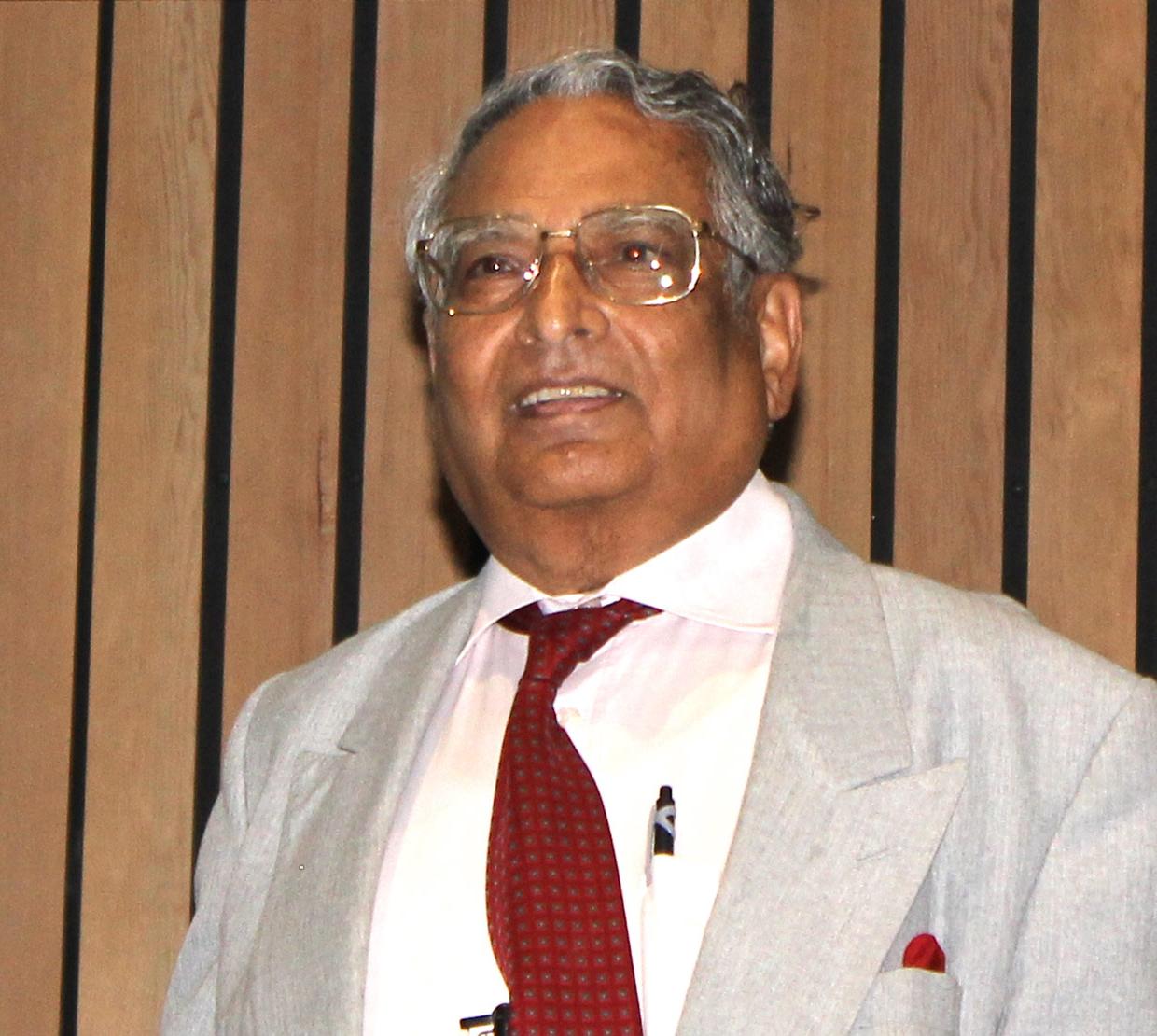
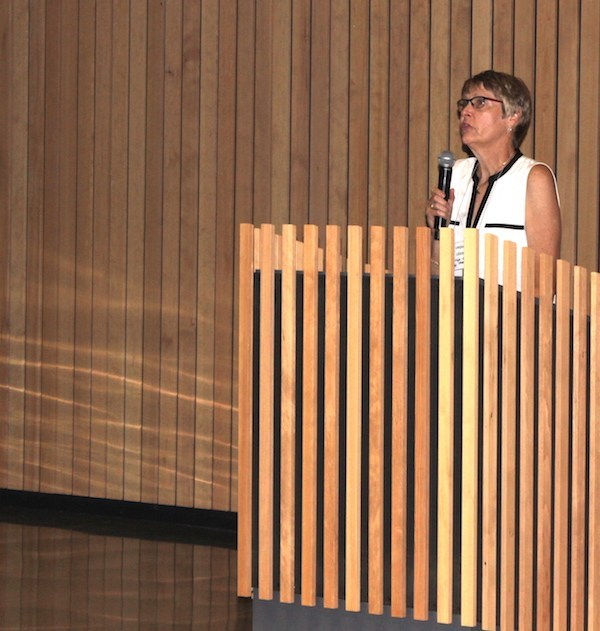
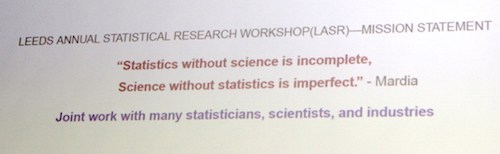
Kanti Mardia presenting in LINC

Welcoming hundreds of statisticians to campus

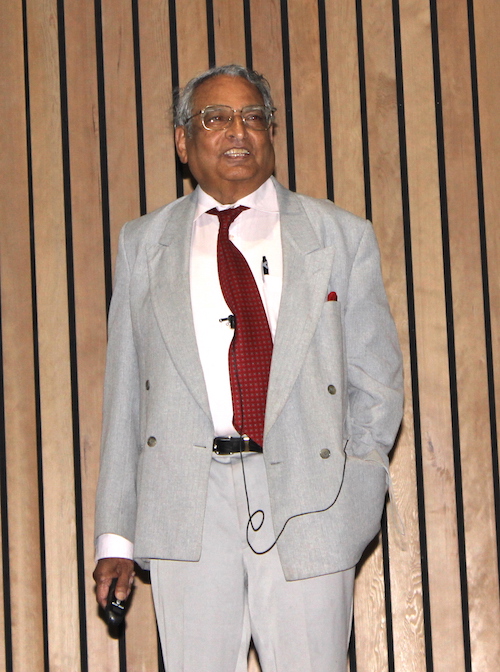
Kanti Mardia, Department of Statistics, University of Leeds and University of Oxford

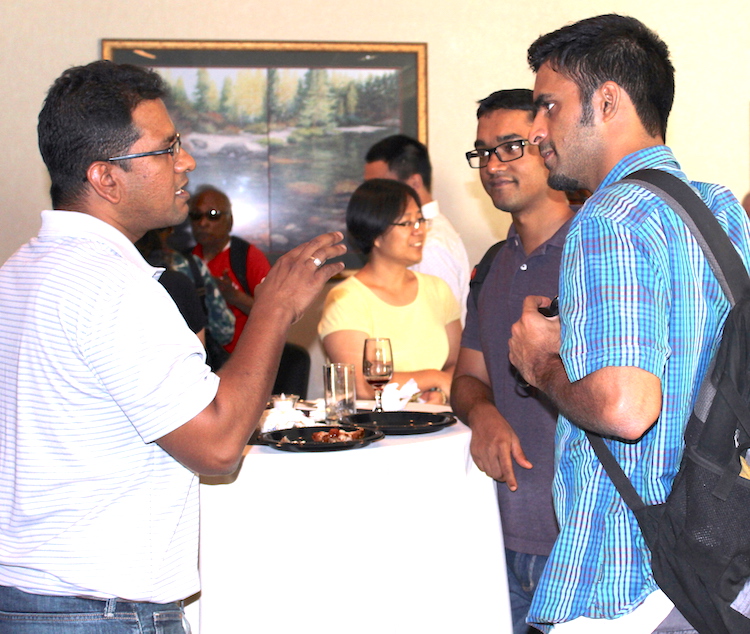
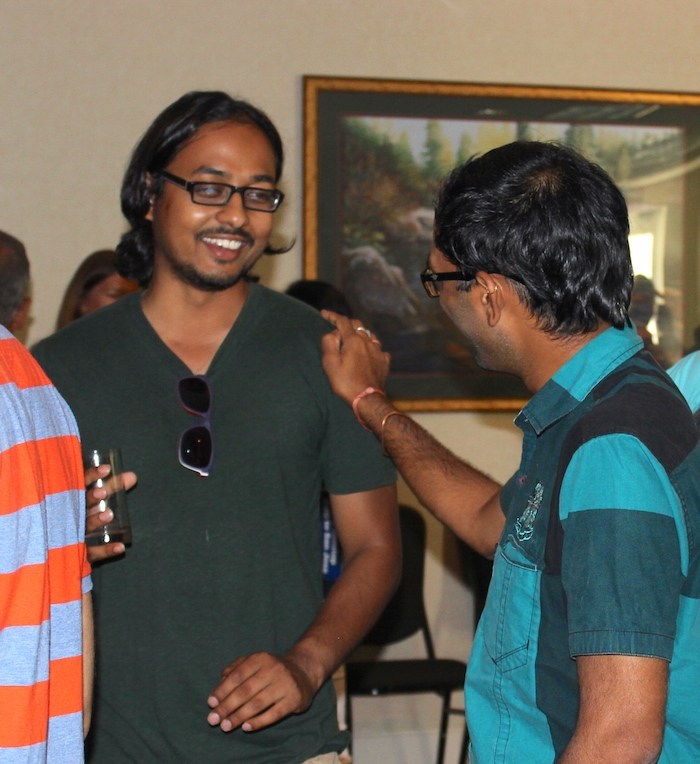
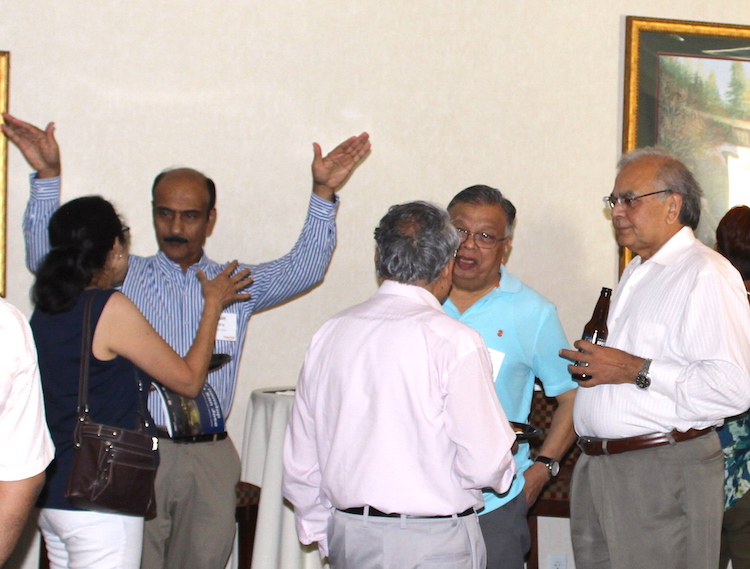
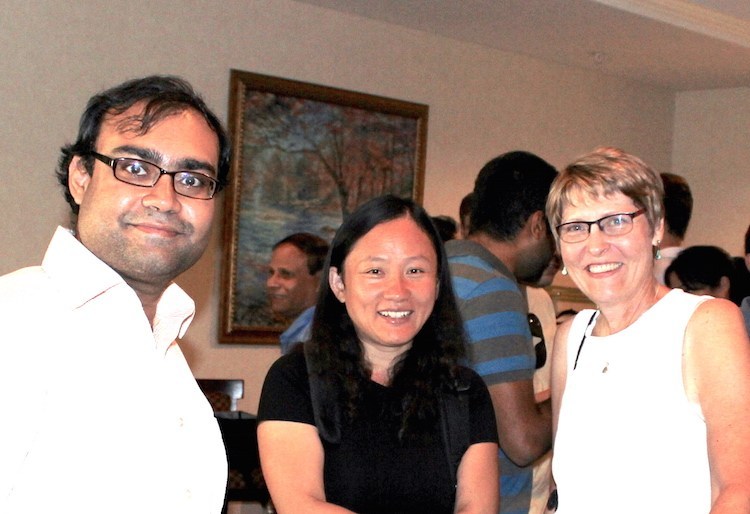
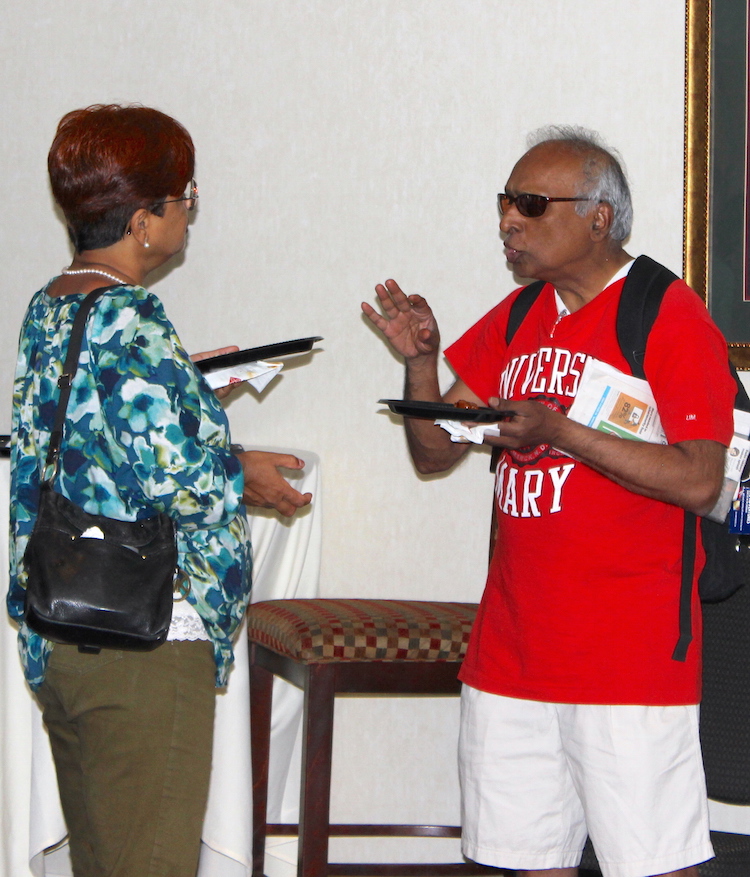
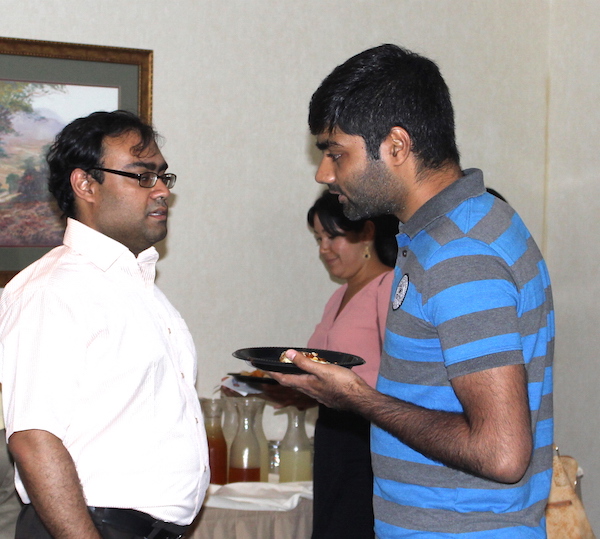
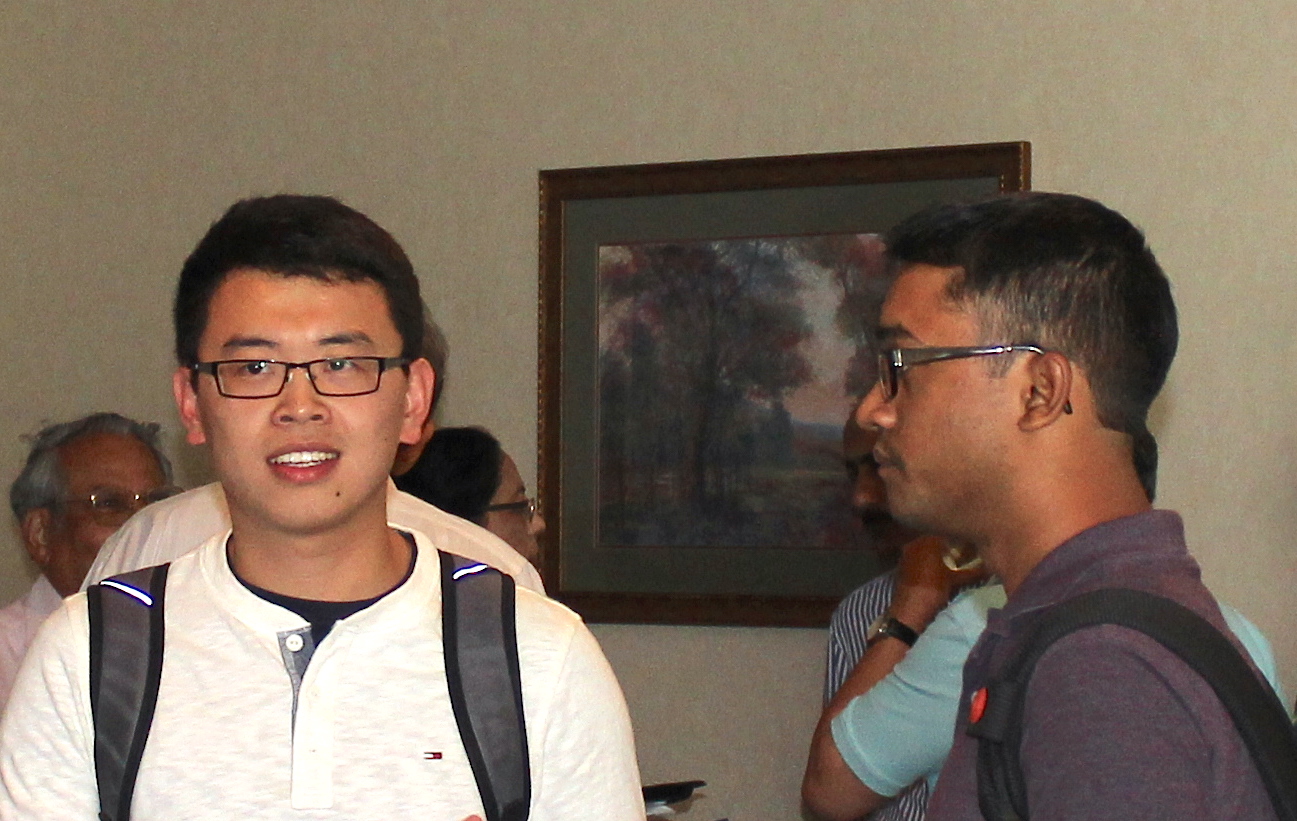
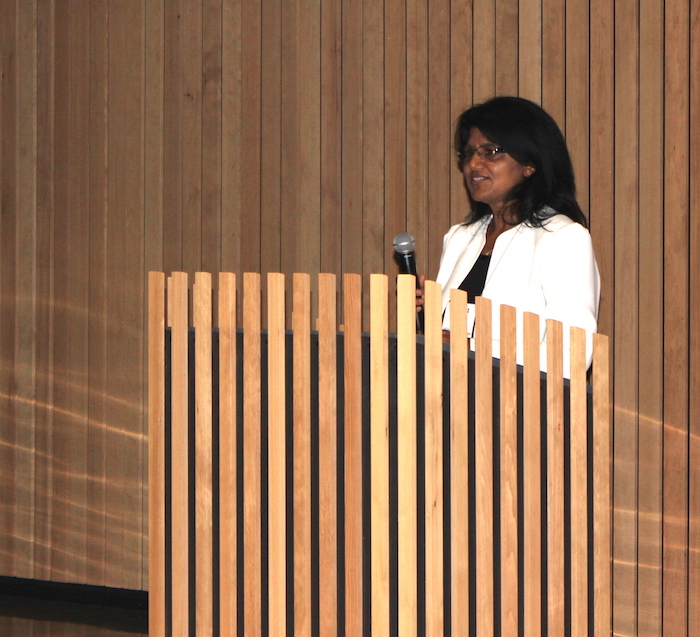
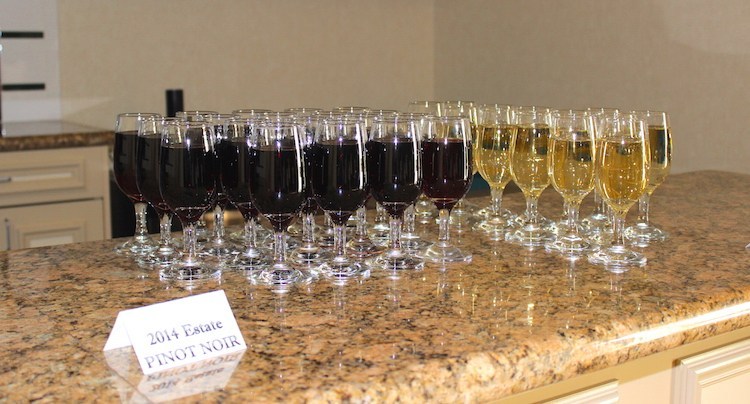
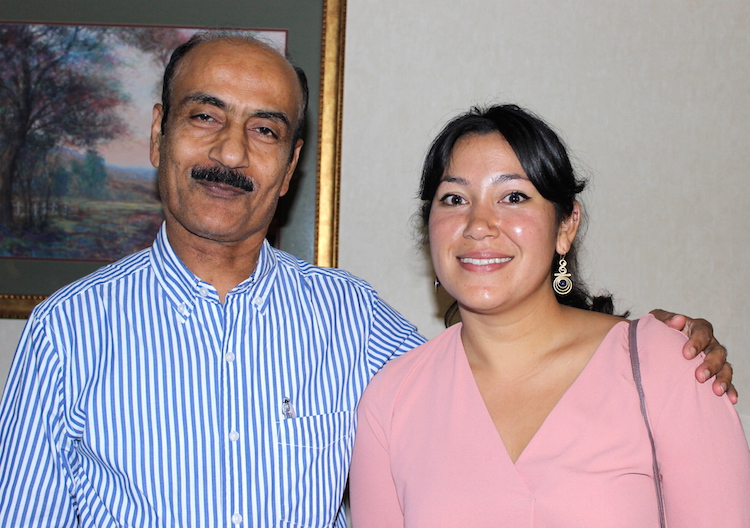
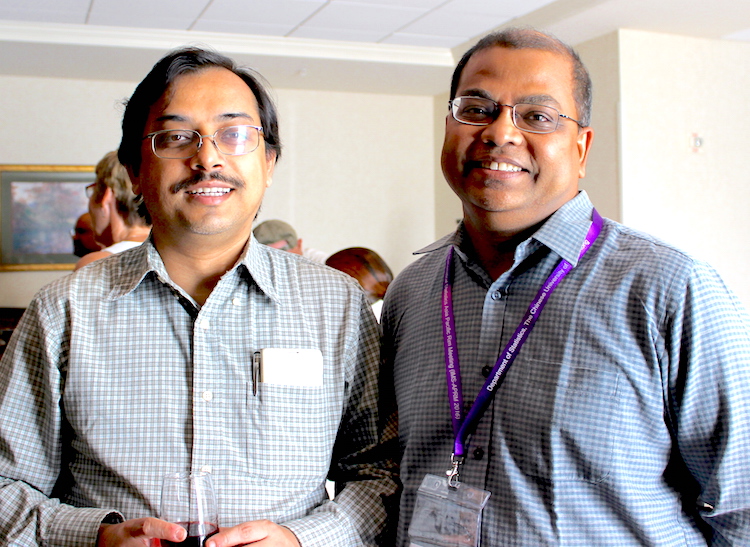
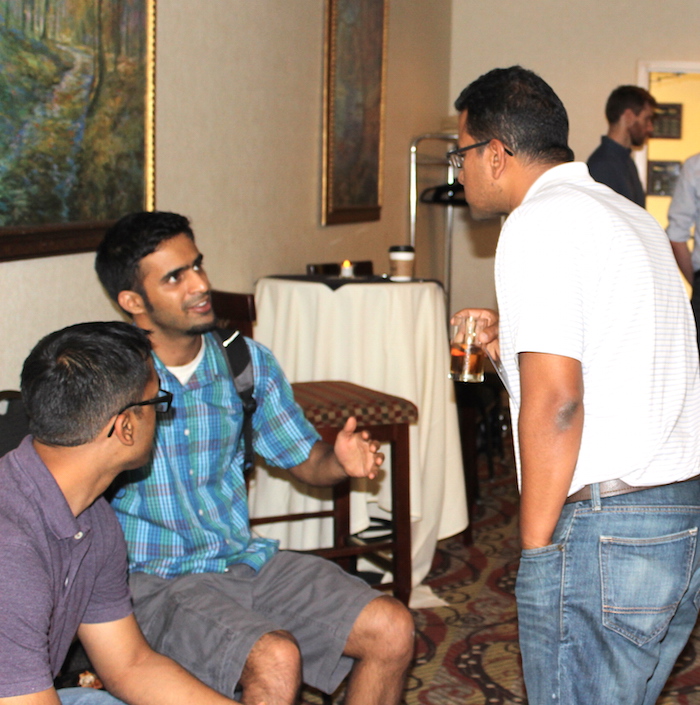
The College of Science extends a warm and hearty welcome to the 200 participants of the 2016 International Indian Statistical Association (IISA) Conference August 18-21. The conference kicked off with a lively and convivial wine and cheese reception at the Hilton Garden Inn Thursday evening.

Earlier in the day, graduate students from OSU and other universities participated in four short pre-conference short courses taught by visiting statisticians from Columbia University, Northwestern University, the University of California at Los Angeles and SAS Institute.

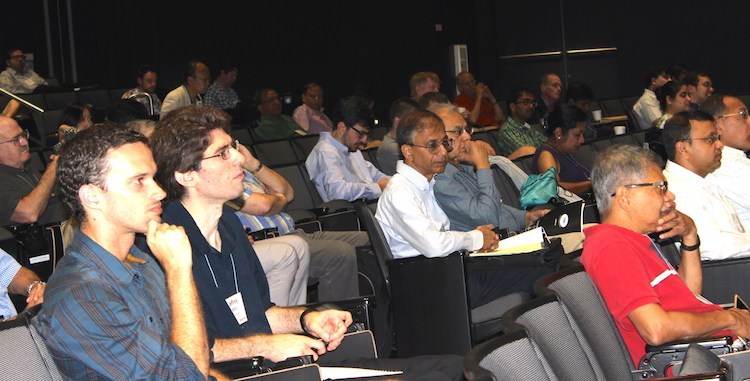
With a theme of “Statistical and Data Sciences: A Key to Healthy People, Planet and Prosperity,” the conference offers attendees more than 50 panel discussions on statistical innovation and applications in areas, ranging from big data to genomics, climate science, public health and biomedical science. Featuring talks by many award-winning and distinguished statisticians from varied professions, the conference is a unique, landmark event in the field of statistical sciences in Oregon.

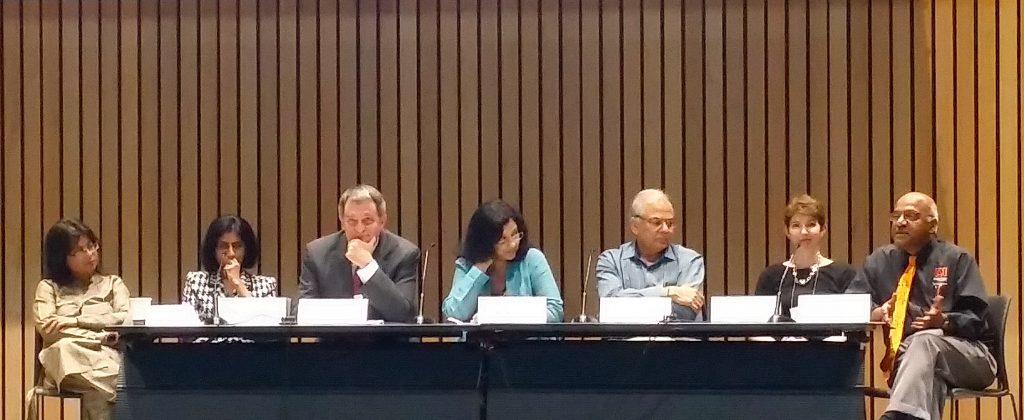
Mousumi Banerjee, Shanthi Sethuraman, John Eltinge, Susmita Datta, Ram Tiwari, Lisa Lupinacci, Sastry Pantula presenting in a panel in the LINC

Sastry G. Pantula, Dean, OSU College of Science (far right); Lisa Lupinacci, VP of Late Development Statistics, Merck; Ram Tiwari – Director, Division of Biostatistics, FDA; Susmita Datta, Professor of Biostatistics, University of Florida; John Eltinge, Associate Commissioner for Survey Methods Research, US Bureau of Labor Statistics; Shanthi Sethuraman, Sr. Director of Global Statistical Science for Diabetes, Eli Lilly; Mousumi Banerjee, Director of Biostatistics, University of Michigan.

Hosted by OSU's Department of Statistics, the IISA Conference has attracted statisticians worldwide, including participants from Japan, China, the United Kingdom, Nigeria and Egypt, across academia, industry, government and research institutes who will discuss the latest statistical developments and challenges in data sciences and related fields.

Read more about the 2016 IISA conference.

Below are highlights from the welcome reception.

arial shot of Chicago skyscrapers at sundown

Statistics researchers well represented at JSM

JSM 2016 hosted in Chicago

Statistics faculty and researchers from the College of Science and across OSU participated at the Joint Statistical Meetings in Chicago this week. Many presented invited talks at JSM 2016, one of the largest statistical events in the world with over 6,000 attendees from 52 countries.

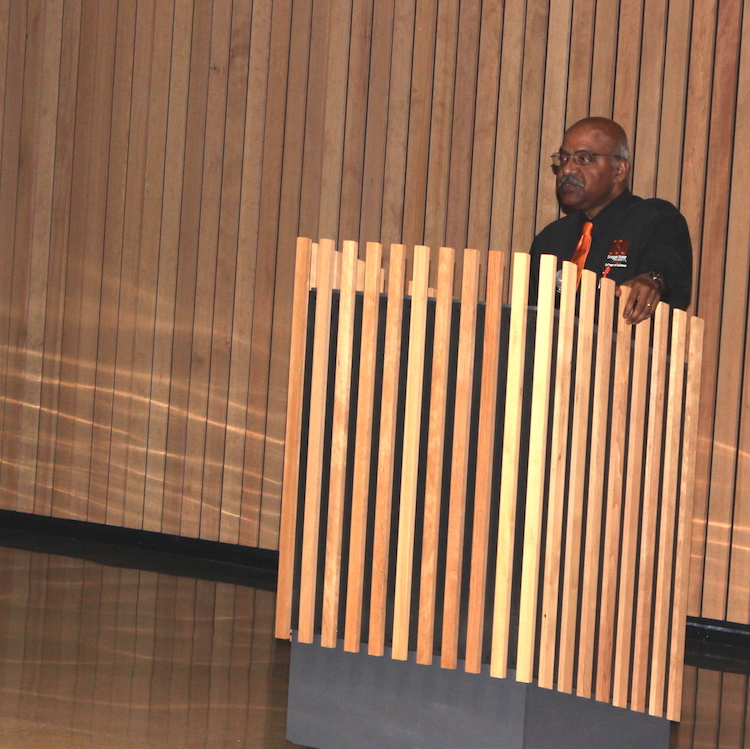
Dean Sastry Pantula spoke on three panels on diversity and mentoring andnhe served as a mentor to several students at the JSM Diversity Workshop and Mentoring Program this year. Dean Pantula is an impassioned advocate for increasing minority representation in statistical education and the sciences, and has been a dedicated mentor to young statisticians for the past 30 years.

Pantula was honored for his outstanding and extensive service to the statistics profession with the 2016 Paul Minton Service Award from the Southern Regional Council On Statistics (SRCOS) at the JSM.

 Jessica Utts, Joe Palca, and Sastry Pantula sitting in audience of JSM presentation

ASA President Jessica Utts; Joe Palca, NPR; and Dean Sastry Pantula, former ASA President.

The following statistics faculty presented talks and posters or chaired sessions:

Sharmodeep Bhattacharyya
Resampling Methods for High-Dimensional Inference (Author)

Yanming Di
New Advances in Clustering Algorithms (Author)

Sarah Emerson
Methods for Next-Generation Sequencing Data (author)
Contributed Poster Presentations: Section for Statistical Programmers and Analysts (author)

Claudio Fuentes
Methods for Next-Generation Sequencing Data (Author)
Semiparametric Methods for Longitudinal and Event Time Data (Author)

Duo Jiang
SPEED: Advances in Statistical Genetics (author)
SPEED: Advances in Statistical Genetics, Part 2B (author)

Yuan Jiang
Statistical Methods in Integrative Genomics (Chair)
Methods and Theory for Integrative Data Analyses (Author)
New Challenges in Complex Data Modeling I (Author)

Virginia Lesser, Chair, Department of Statistics
SPEED: Advances in Survey Research Methodology (author)
SPEED: Advances in Survey Research Methodology, Part 2A (author)

Sastry Pantula, Dean, College of Science
KISS (Korean International Statistical Society) Panel on Leadership Development Workshop
Committee on Minorities panel, “Best practices for recruiting and retaining students and faculty” with roundtable discussion including DuBois Bowman, Louise Ryan, and Bill Velez.
Committee on Minorities panel” “Influential communication: Principles of making a good argument” with Aarti Shah from Eli Lilly.

Lan Xue
Nonparametric Methods for Longitudinal Data (Author)

Miao Yang
Computational Issues in Modeling (Author)

Wanli Zhang
New Advances in Clustering Algorithms (Author)

Jianfei Zheng
Nonparametric Methods for Longitudinal Data (Author)

Kalbi Zongo
Contributed Poster Presentations: Section for Statistical Programmers and Analysts (author)

Other faculty from across OSU participated in the JSM as well.

Ping-Hung Hsieh, College of Business
Contributed Poster Presentations: Section on Statistical Education (author)

Xiaohui Chang, College of Business
High-Frequency and Other Financial Econometric Topics (Chair)
Contributed Poster Presentations: Section on Statistical Education (Author)

Andrew Olstad, College of Business
Contributed Poster Presentations: Section on Statistical Education (author)

Subscribe to Events