Events

Events

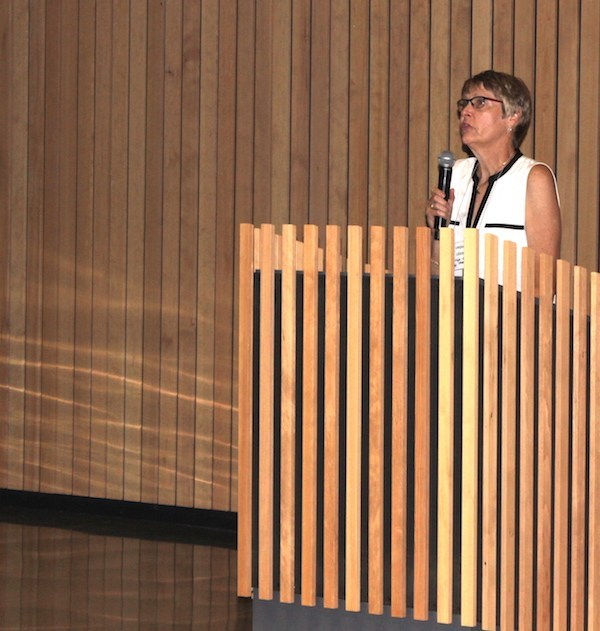
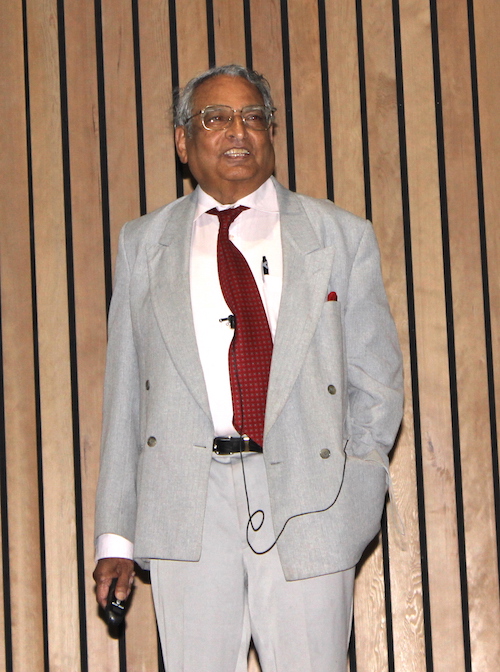
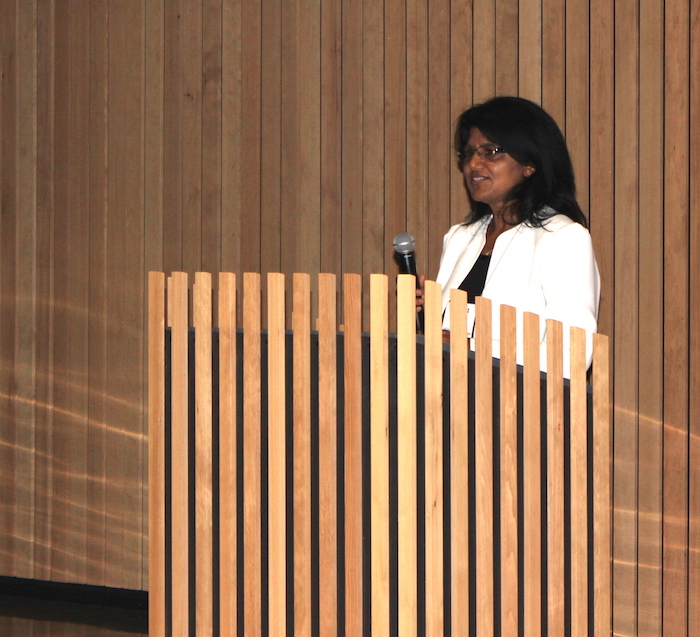
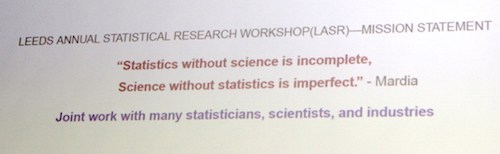
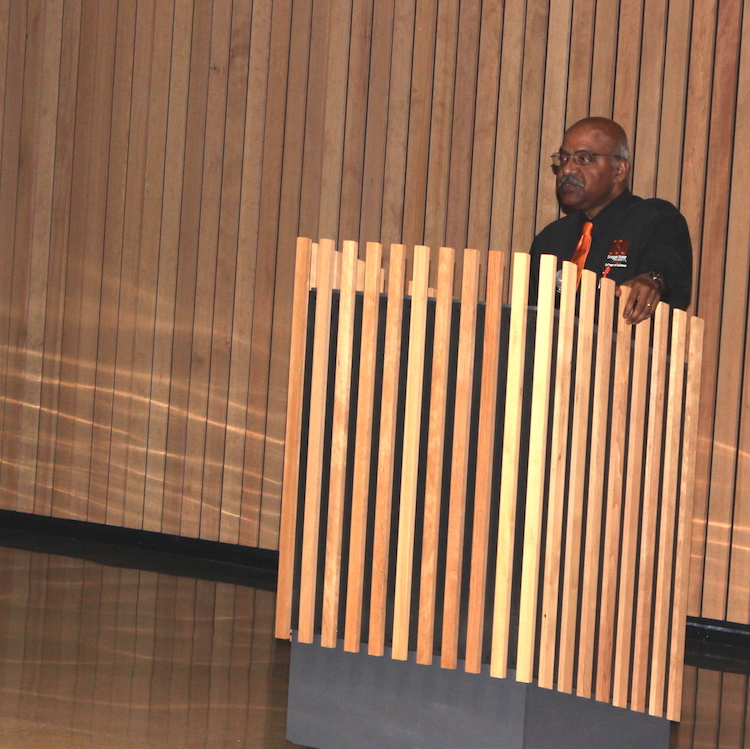
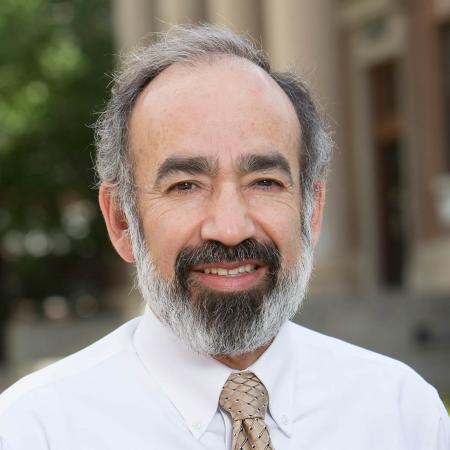
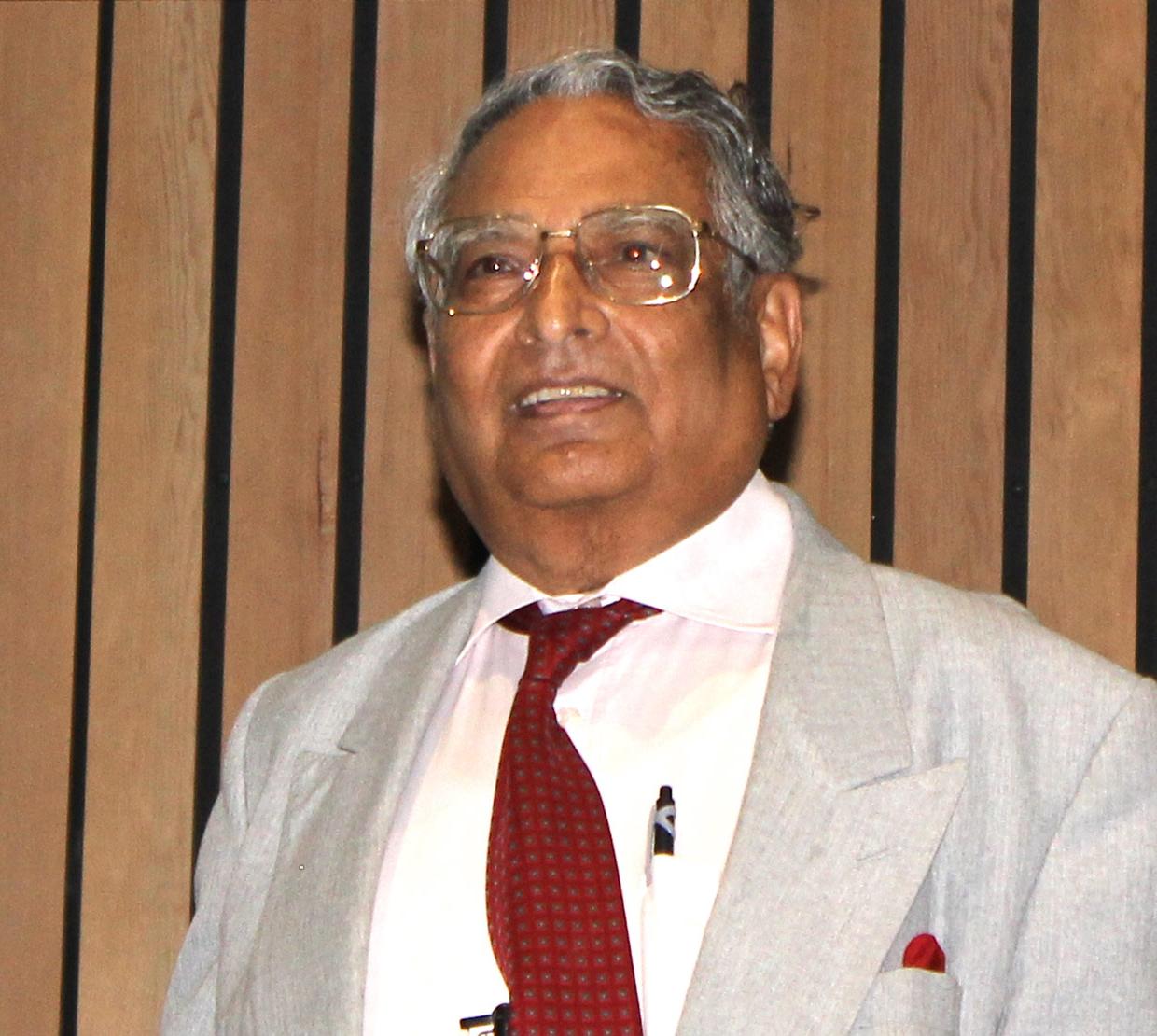
Kanti Mardia presenting in LINC

Welcoming hundreds of statisticians to campus

Kanti Mardia, Department of Statistics, University of Leeds and University of Oxford

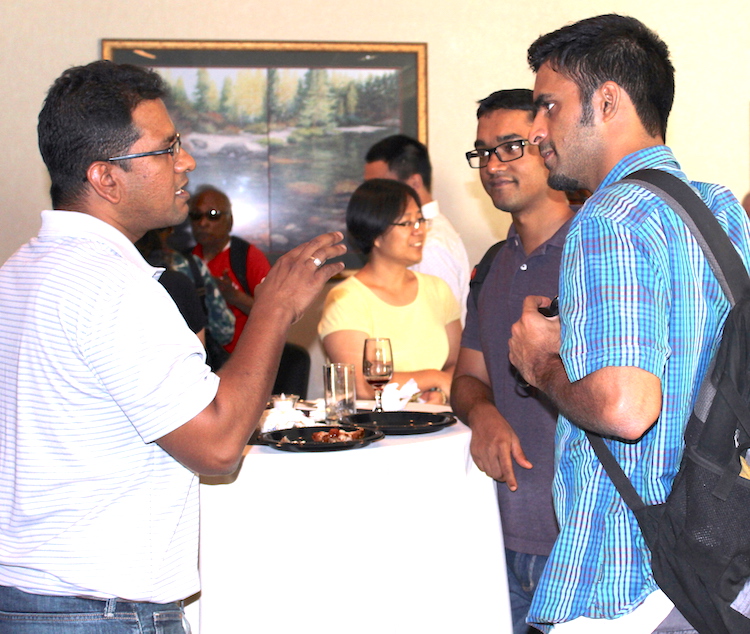
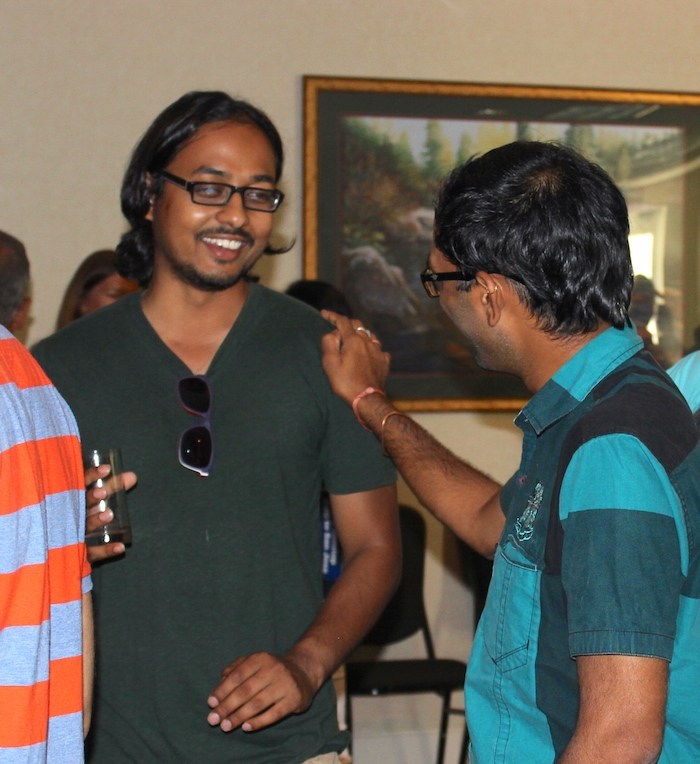
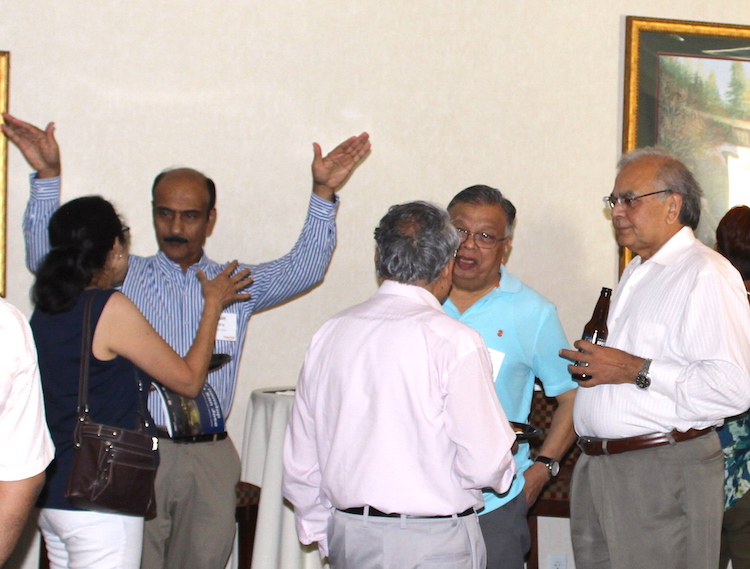
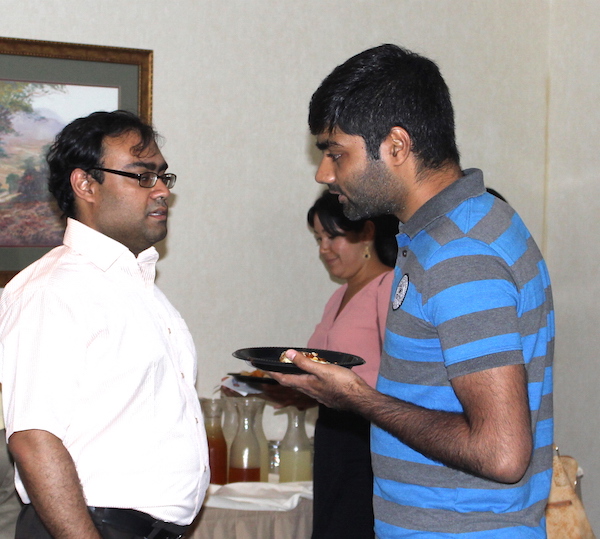
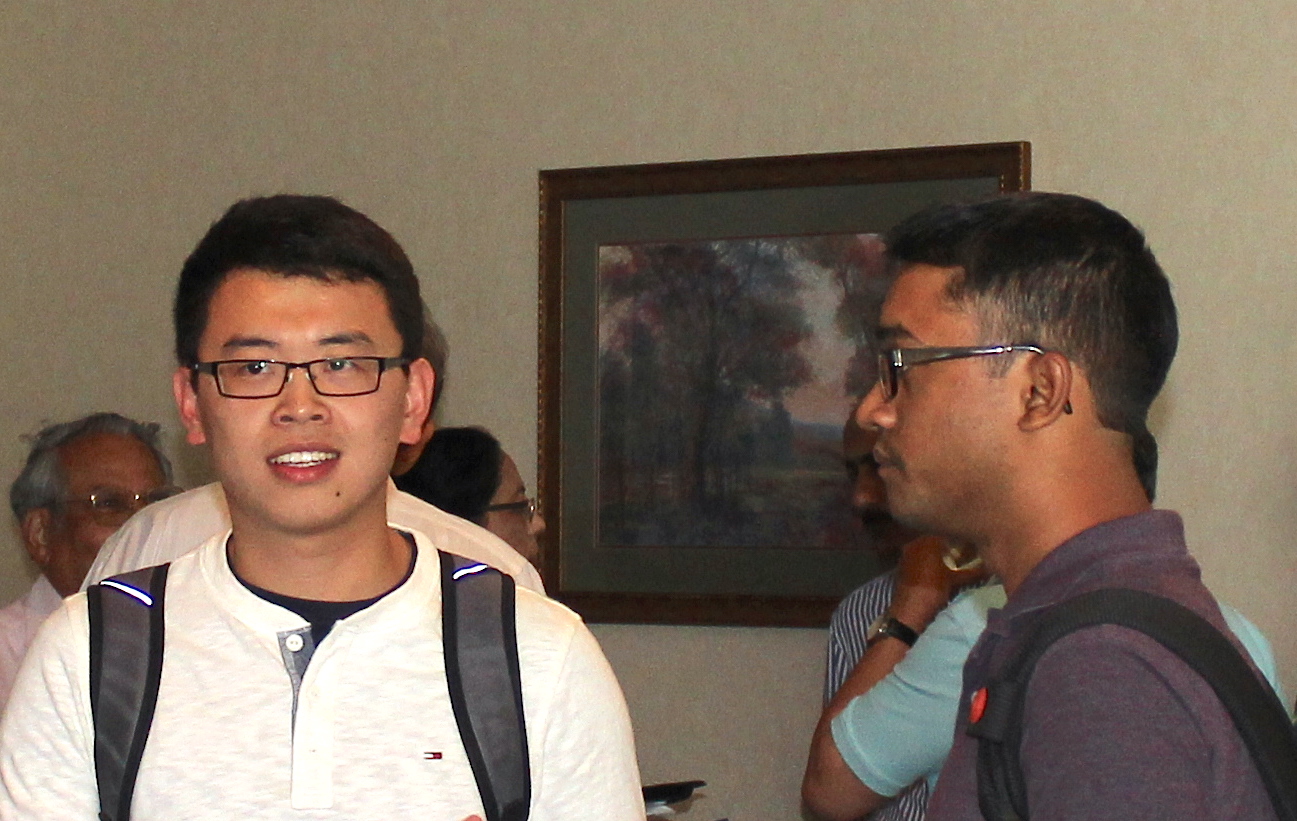
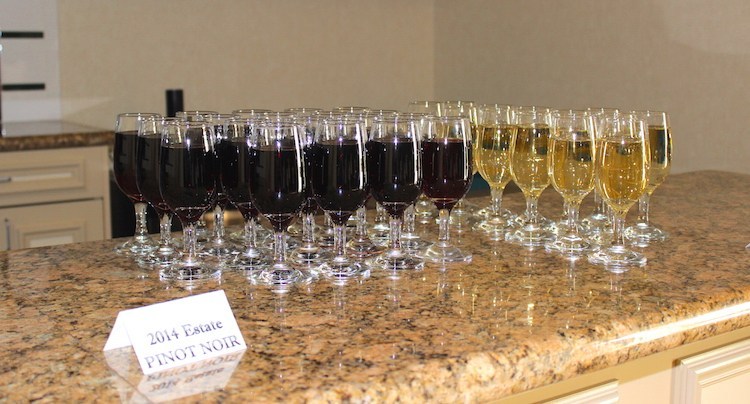
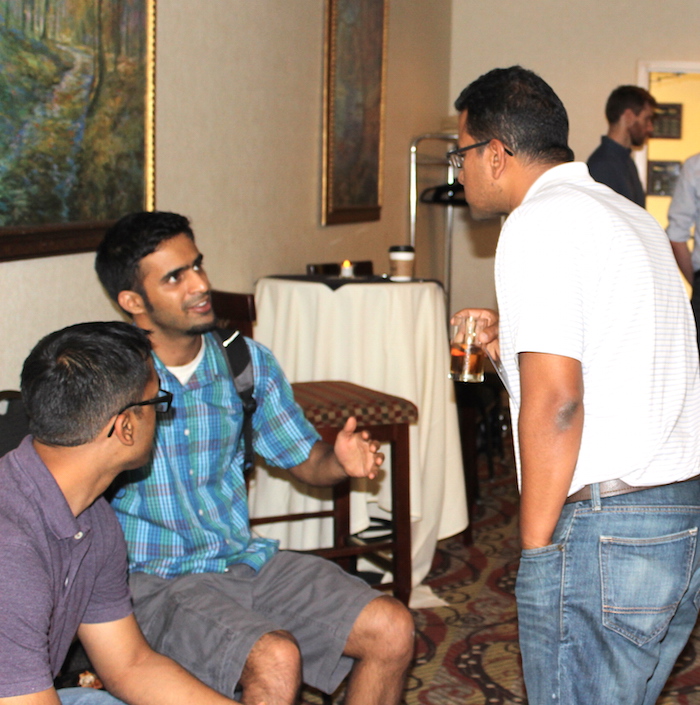
The College of Science extends a warm and hearty welcome to the 200 participants of the 2016 International Indian Statistical Association (IISA) Conference August 18-21. The conference kicked off with a lively and convivial wine and cheese reception at the Hilton Garden Inn Thursday evening.

Earlier in the day, graduate students from OSU and other universities participated in four short pre-conference short courses taught by visiting statisticians from Columbia University, Northwestern University, the University of California at Los Angeles and SAS Institute.

With a theme of “Statistical and Data Sciences: A Key to Healthy People, Planet and Prosperity,” the conference offers attendees more than 50 panel discussions on statistical innovation and applications in areas, ranging from big data to genomics, climate science, public health and biomedical science. Featuring talks by many award-winning and distinguished statisticians from varied professions, the conference is a unique, landmark event in the field of statistical sciences in Oregon.

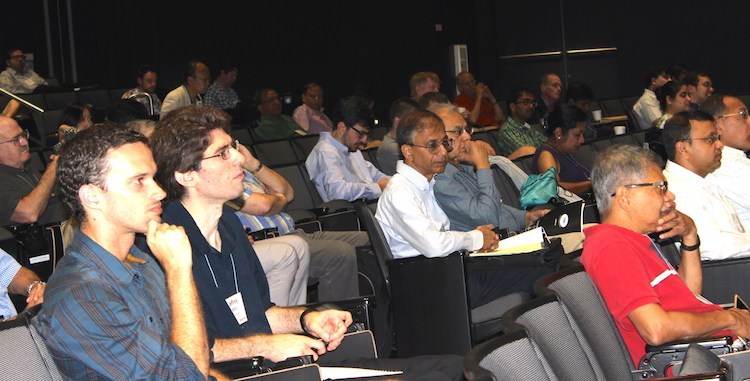
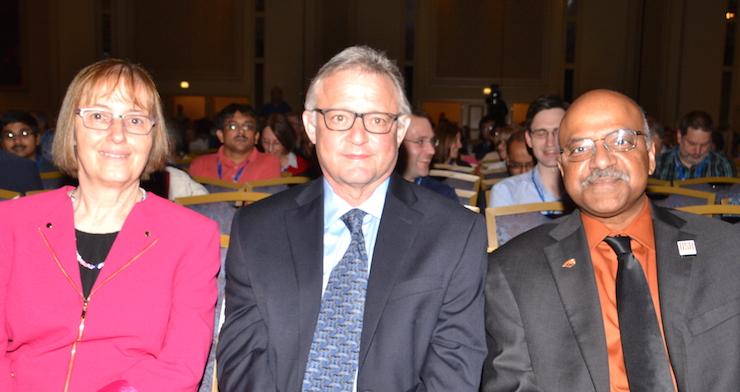
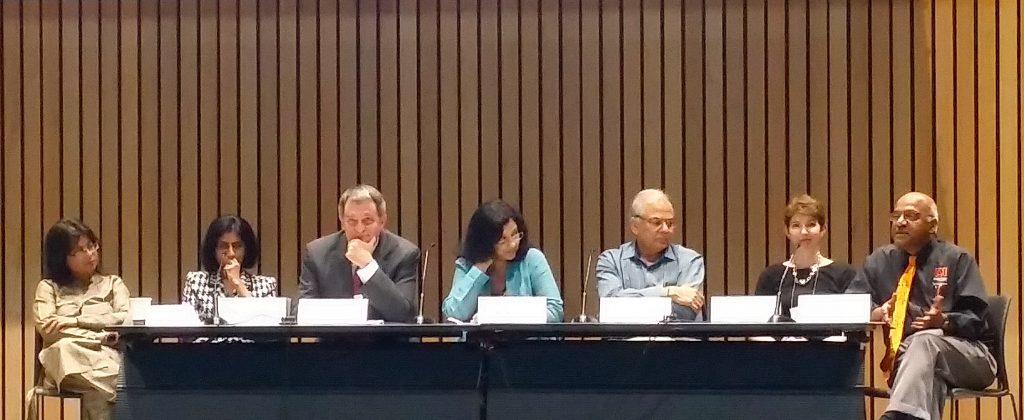
Mousumi Banerjee, Shanthi Sethuraman, John Eltinge, Susmita Datta, Ram Tiwari, Lisa Lupinacci, Sastry Pantula presenting in a panel in the LINC

Sastry G. Pantula, Dean, OSU College of Science (far right); Lisa Lupinacci, VP of Late Development Statistics, Merck; Ram Tiwari – Director, Division of Biostatistics, FDA; Susmita Datta, Professor of Biostatistics, University of Florida; John Eltinge, Associate Commissioner for Survey Methods Research, US Bureau of Labor Statistics; Shanthi Sethuraman, Sr. Director of Global Statistical Science for Diabetes, Eli Lilly; Mousumi Banerjee, Director of Biostatistics, University of Michigan.

Hosted by OSU's Department of Statistics, the IISA Conference has attracted statisticians worldwide, including participants from Japan, China, the United Kingdom, Nigeria and Egypt, across academia, industry, government and research institutes who will discuss the latest statistical developments and challenges in data sciences and related fields.

Read more about the 2016 IISA conference.

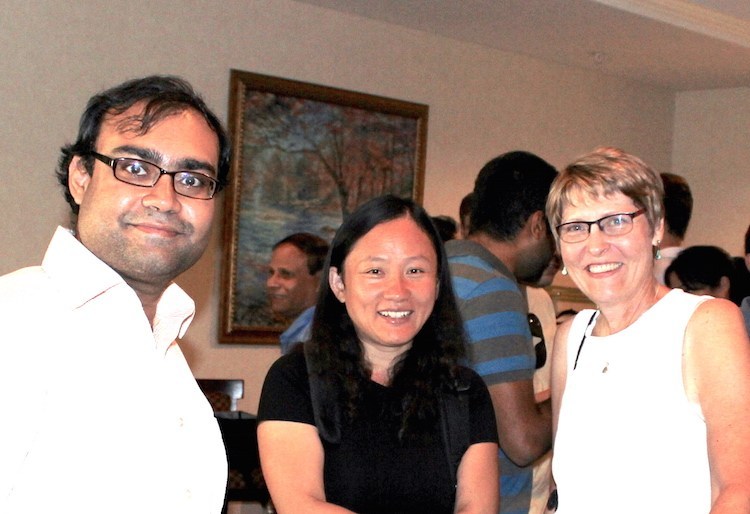
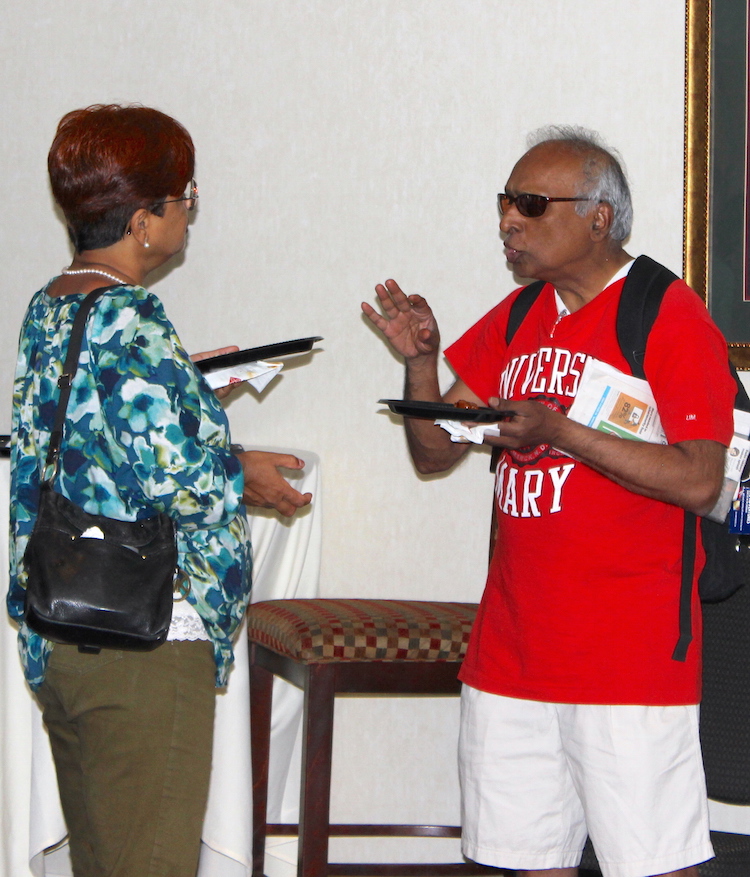
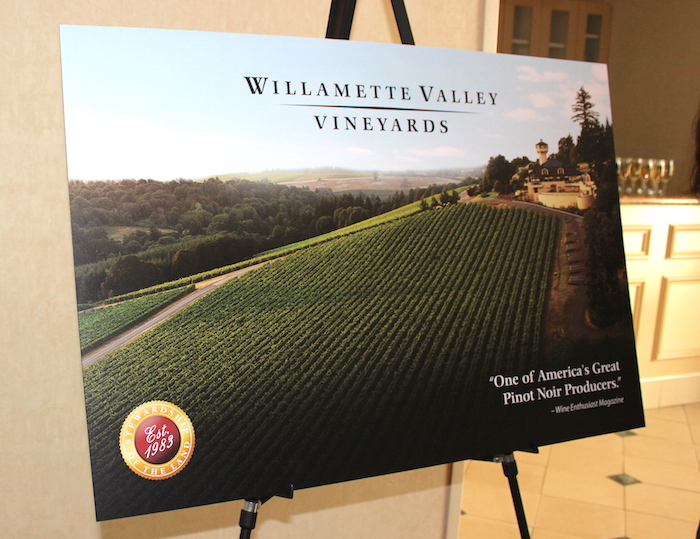
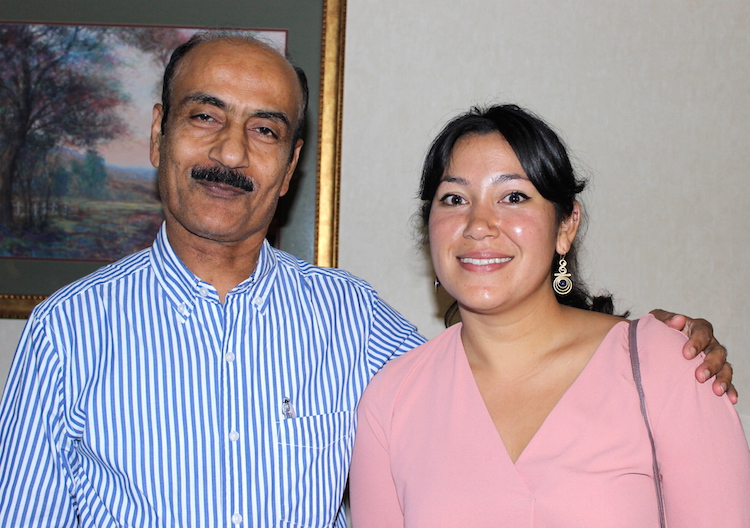
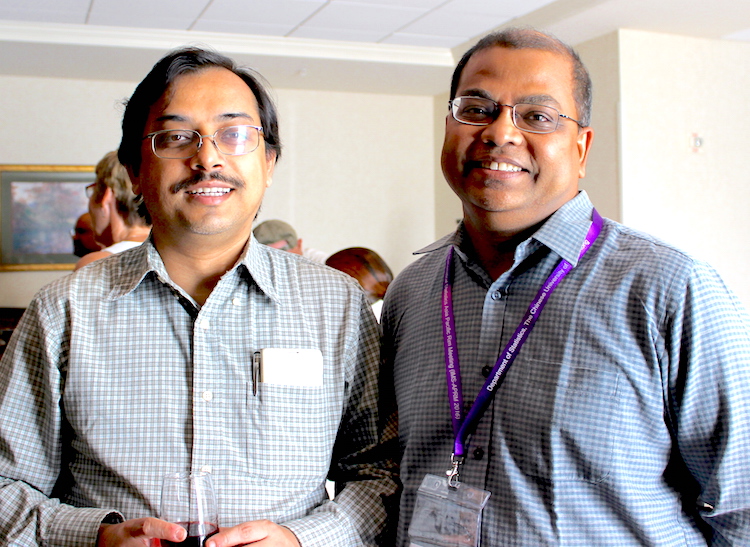
Below are highlights from the welcome reception.

arial shot of Chicago skyscrapers at sundown

Statistics researchers well represented at JSM

JSM 2016 hosted in Chicago

Statistics faculty and researchers from the College of Science and across OSU participated at the Joint Statistical Meetings in Chicago this week. Many presented invited talks at JSM 2016, one of the largest statistical events in the world with over 6,000 attendees from 52 countries.

Dean Sastry Pantula spoke on three panels on diversity and mentoring andnhe served as a mentor to several students at the JSM Diversity Workshop and Mentoring Program this year. Dean Pantula is an impassioned advocate for increasing minority representation in statistical education and the sciences, and has been a dedicated mentor to young statisticians for the past 30 years.

Pantula was honored for his outstanding and extensive service to the statistics profession with the 2016 Paul Minton Service Award from the Southern Regional Council On Statistics (SRCOS) at the JSM.

 Jessica Utts, Joe Palca, and Sastry Pantula sitting in audience of JSM presentation

ASA President Jessica Utts; Joe Palca, NPR; and Dean Sastry Pantula, former ASA President.

The following statistics faculty presented talks and posters or chaired sessions:

Sharmodeep Bhattacharyya
Resampling Methods for High-Dimensional Inference (Author)

Yanming Di
New Advances in Clustering Algorithms (Author)

Sarah Emerson
Methods for Next-Generation Sequencing Data (author)
Contributed Poster Presentations: Section for Statistical Programmers and Analysts (author)

Claudio Fuentes
Methods for Next-Generation Sequencing Data (Author)
Semiparametric Methods for Longitudinal and Event Time Data (Author)

Duo Jiang
SPEED: Advances in Statistical Genetics (author)
SPEED: Advances in Statistical Genetics, Part 2B (author)

Yuan Jiang
Statistical Methods in Integrative Genomics (Chair)
Methods and Theory for Integrative Data Analyses (Author)
New Challenges in Complex Data Modeling I (Author)

Virginia Lesser, Chair, Department of Statistics
SPEED: Advances in Survey Research Methodology (author)
SPEED: Advances in Survey Research Methodology, Part 2A (author)

Sastry Pantula, Dean, College of Science
KISS (Korean International Statistical Society) Panel on Leadership Development Workshop
Committee on Minorities panel, “Best practices for recruiting and retaining students and faculty” with roundtable discussion including DuBois Bowman, Louise Ryan, and Bill Velez.
Committee on Minorities panel” “Influential communication: Principles of making a good argument” with Aarti Shah from Eli Lilly.

Lan Xue
Nonparametric Methods for Longitudinal Data (Author)

Miao Yang
Computational Issues in Modeling (Author)

Wanli Zhang
New Advances in Clustering Algorithms (Author)

Jianfei Zheng
Nonparametric Methods for Longitudinal Data (Author)

Kalbi Zongo
Contributed Poster Presentations: Section for Statistical Programmers and Analysts (author)

Other faculty from across OSU participated in the JSM as well.

Ping-Hung Hsieh, College of Business
Contributed Poster Presentations: Section on Statistical Education (author)

Xiaohui Chang, College of Business
High-Frequency and Other Financial Econometric Topics (Chair)
Contributed Poster Presentations: Section on Statistical Education (Author)

Andrew Olstad, College of Business
Contributed Poster Presentations: Section on Statistical Education (author)

blue numbers and code loading on translucent screen with black backdrop

International statistics conference comes to campus

2016 International statistics conference

The 2016 International Indian Statistical Association (IISA) Conference "Statistical and Data Sciences: A Key to Healthy People, Planet and Prosperity" will be hosted by the Department of Statistics at Oregon State University in the state-of-the art Learning Innovation Center August 18-21. The conference has attracted 200 statisticians worldwide, including from Japan, China, the United Kingdom, Nigeria and Egypt, across academia, industry, government and research institutes who will discuss the latest statistical developments and challenges.

Sessions at the conference range from statistical innovation and applications in big data, biomedical sciences, network analysis, high dimensional data, genomics, climate sciences, public health and ecology to probability theory and advances in bayesian techniques, biostatistics and spatial statistics. Panels on career development, women is statistics, and collaboration across organizations offer fresh perspective on such topics of interest. The conference also includes a wine and cheese networking reception, banquet dinner featuring Indian food, and an award ceremony.

Debashis Mondal, assistant professor of statistics at OSU, is the organizer and program committee chair of the conference. This past year, several committeesworked collaboratively to plan and execute IISA 2016, including an executive, program, scientific advisory and local organizing committees.

The conference will feature presentations by internationally acclaimed statisticians, such as plenary addresses by Kanti Mardia, an award winning statistician from the University of Leeds and Oxford University, and Xiao-Li Meng, dean of the Graduate School of Arts and Science and statistics professor at Harvard University.

Keynote talks will be delivered by Katherine Ensor,Vice-President of the American Statistical Association and chair of the Department of Statistics, Debashis Ghosh, chair of the Biostatistics Department at University of Colorado, Kannan Natarajan, senior vice president and global head of biometrics and data management at Novartis Pharmaceuticals, and Ajit Tamhane, senior associate dean and professor at Northwestern University.

In addition to the technical talks, the conference will offer sessions on early career development; collaborations across academic, industry and government organizations; and funding opportunities in industry and federal agencies through three panel discussions. Dean Pantula will moderate a panel on career development.

Graduate students from Oregon State and beyond will participate in four pre-conference short courses on applied and statistical software use offered by visiting statisticians from Columbia University, University of California at Los Angeles, Northwestern University and SAS Institute. Students were able to register for the conference and attend the courses at no cost thanks to a grant from the National Science Foundation.

The conference’s focus on data sciences and their role in human health and industry is very timely given the deluge of data in our everyday lives. Everything from health records to environmental monitoring, agriculture and online behavior are being measured and captured in clicks, “likes,” tweets and purchases. With this proliferation of data, the ability to analyze large data sets—big data—has caused incredible demand for people trained in the statistical and data sciences.

“Data science is a key area of growth in the College of Science because it is highly relevant, we have an obligation, we have key strengths and there is tremendous opportunity,” said Sastry G. Pantula, dean of the College of Science at OSU.

“I am thrilled that OSU is the place to convene leading statisticians from across academia, industry and government. We will have some of the brightest minds in the field of data science on our campus. It is an incredible honor and opportunity for our university and our community.”

IISA seeks to promote education, research and application of statistics and probability throughout the world with a special emphasis on the Indian subcontinent.

“The conference will provide platform for statisticians to collaborate across diverse areas of interest, foster partnership across various statistical organizations to move forward the evolving field of statistics and nurture the need of young statisticians” said Amarjot Kaur, IISA President and Executive Director of Biostatistics at Merck.

“Many thanks to the Statistics Department and Oregon State University for providing this beautiful venue for the IISA 2016 conference.”

The conference is sponsored and supported by the National Science Foundation, Merck, TEOCO, Cytel, the American Statistical Association, Elsevier, SAS Institute, International Chinese Statistical Association, Korean International Statistical Society and OSU’s College of Science, Ecampus and International Progams.
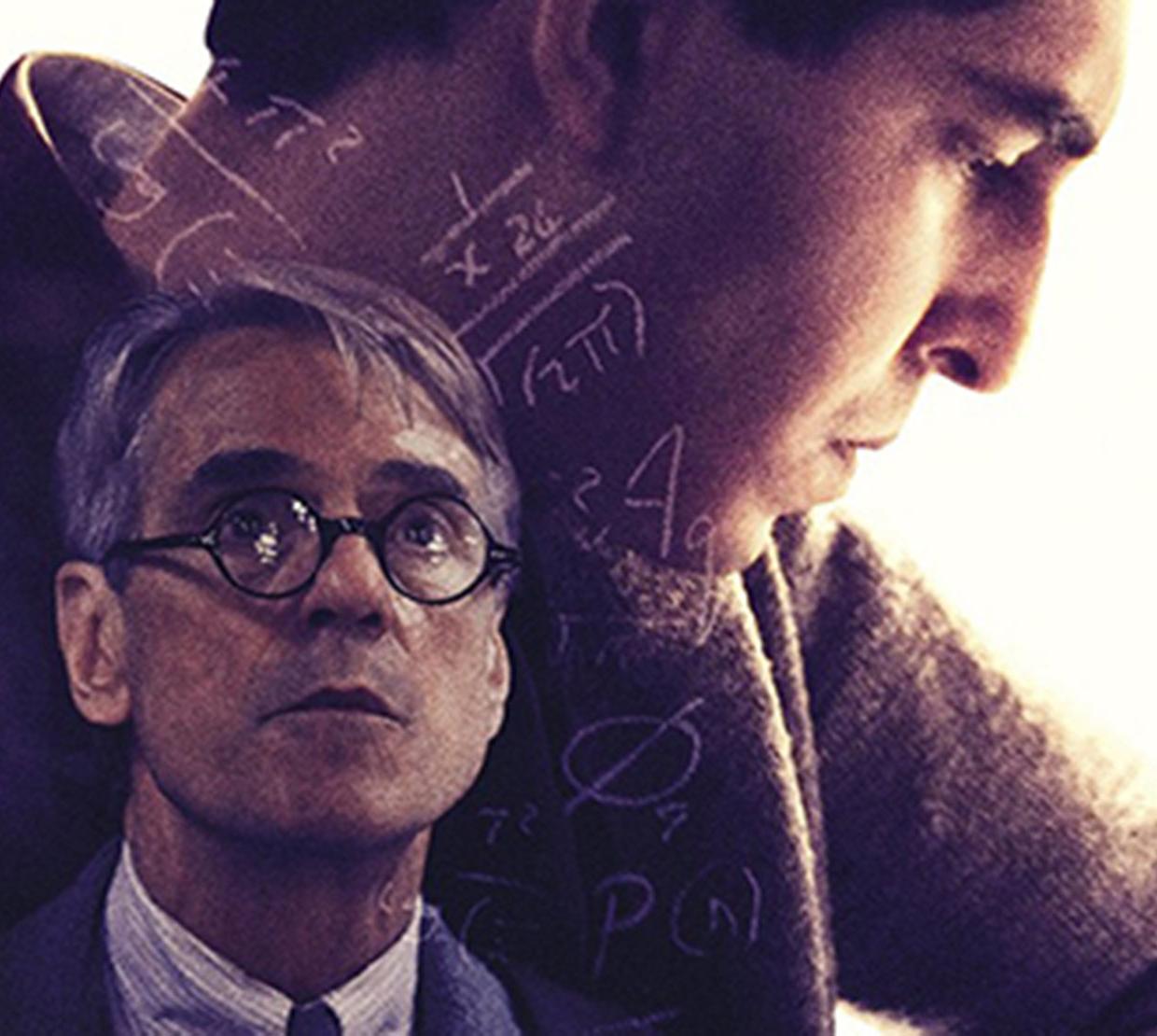
The man who knew infinity movie poster

Free movie, dinner and discussion: The man who knew infinity

The man who knew infinity screening

The College of Science will treat mathematics, physics and statistics students and faculty to an evening of movie, dinner and a Skype discussion with OSU alumnus (BS & MS '60) and world famous mathematician, Dr. George Andrews on Thursday, May 26. The group will watch "The Man Who Knew Infinity" the recently released biographical drama film on the life of Indian mathematical genius, Srinivasa Ramanujan at Darkside Cinema at 3:30 pm.

The film portrays the relationship between Ramanujan and University of Cambridge number theorist G.H. Hardy in the early 1900s and Ramanujan's experiences with English racism during his visit to Trinity College.

After the movie, the College of Science will host a 45-minute Skype discussion with professor Andrews, who is the Evan Pugh Professor of Mathematics at Pennsylvania State University and a member of the National Academy of Sciences. Among his many towering mathematical achievements, Andrews is perhaps best known for his work on Ramanujan's "Lost Notebook" as it is called in the mathematical community.

A few months before he passed away, Ramanujan had spoken about his new work on theta functions which physicists use in their study of the heat equation. However, he didn't leave behind any published work on the subject and nothing more was known about his contributions to this branch of mathematics until Andrews' amazing find.

Andrews discovered Ramanujan's "Lost Notebook" in a library of Trinity College, Cambridge in 1975. Excitedly leafing through the 100-odd loose pages, Andrews found they contained 600 equations in all—revolutionary mathematical findings on mock theta functions—of which only a fifth had been independently discovered in the years after Ramanujan's death in 1920. In the decades following his discovery, Andrew has co-authored several books that provide proofs of most of the theorems listed in "the Lost Notebook."

Delicious pizza will be served during the discussion. The movie and discussion will give students a renewed appreciation of the human dimensions of mathematics and a fascinating peek at the history and legacy of twentieth-century mathematics.

Mathematics, physics and statistics students and faculty can click here to RSVP today

Source: http://www.pnas.org/content/102/13/4663.full

Richard Tapia in front of grey backdrop

Renowned mathematician uses math to enhance his personal life

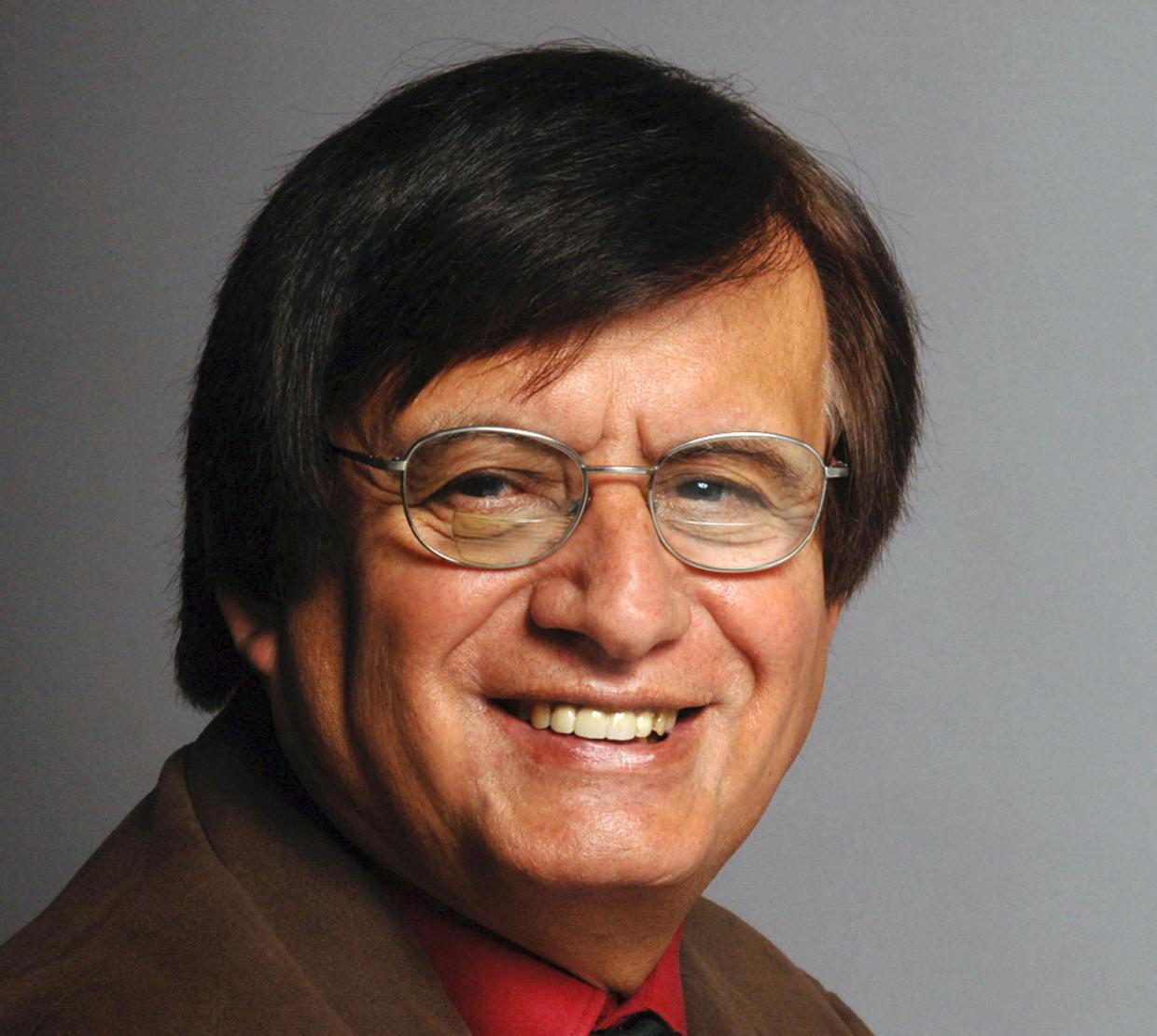
Richard Tapia, professor in mathematics at Rice University

The College of Science welcomes renowned mathematician Richard Tapia who will present a public science lecture entitled, "Using Mathematics to Enhance My Personal Life," for faculty and students. The event will be held May 11 at 3:00 pm in Snell International Forum at 2150 SW Jefferson Way on campus. REGISTER here. Dr. Tapia is a University Professor in Rice University’s Computational and Applied Mathematics Department, the university’s highest academic title awarded to only seven faculty in its history.

For many years, Dr. Tapia was involved in BMX bicycle racing as a supportive father for his son. He will kick off his talk using several lively videos to identify and illustrate what he calls the "Curse of Lane 8" or "The Fair Lane Assignment Problem in BMX Bicycle Racing." Next, he will use his mathematical training to formulate the issue as a mathematical problem and then solve the problem using a computer while describing the solution technique.

In the second part of this talk, Dr. Tapia will show and describe how he made a riveting video with the help of a dual art and math undergraduate at Rice University that ended up accompanying him as he showed his 1970 Chevelle Malibu SS at car shows across the country. Both the car and video are named, “Heavy Metal.” Check out an interview of Dr. Tapia at the Detroit Autorama 2008.

1970 Chevelle in front of grey backdrop

Dr. Tapia’s 1970 Chevelle SS, “Heavy Metal”

The video depicts the late 1960’s and early 1970’s, an era marked by muscle cars, heavy metal music and social rebellion. The psychedelic images in the video were constructed entirely using mathematics. Numerical simulations of fluid in and around the car were developed using numerical methods to solve the Navier-Stokes partial differential equations that govern fluid flow.

By being creative with the mathematical parameters and solution techniques, Tapia and the student created some highly striking and interesting images and patterns. Using video, they were able to demonstrate that mathematics can take us places where physics can’t.

Dr. Tapia is the 2011 awardee of the National Medal of Science, the highest honor bestowed by the U.S. government on scientists and engineers. He has received the National Science Board’s Vannevar Bush Award, has been elected to the National Academy of Engineering--the first Hispanic to receive these honors, and has served on the National Science Board from 1996-2002.

In 1990, the National Research Council named Tapia one of the 20 most influential leaders in minority mathematics education in the country. Later that year, he received the Hispanic Engineer National Achievement Award for Education from Hispanic Engineer.

Internationally recognized for his research in the computational and mathematical sciences, Dr. Tapia is also Director of Rice University’s Center for Excellence and Equity in Education. He has also been featured in a video promoting the Society for the Advancement of Chicanos and Native Americans in Science (SACNAS).

"Professor Tapia and late professor Blackwell are two folks whom I admire, first for their excellence in mathematics and statistics, and second for their leadership in enhancing diversity--two of our College's core values," said Sastry G. Pantula, dean of the College of Science.

"The Blackwell-Tapia conferences, named after these two leaders, have a great impact on building diverse leaders in science. The OSU community is in for a treat. We can all learn a lot from Dr. Tapia's experiences."

The renowned mathematician holds honorary doctorates from Carnegie Mellon University, Colorado School of Mines, University of Nevada, and Claremont Graduate University. He also has two professional conferences named in his honor: the Richard Tapia Celebration of Diversity in Computing Conference and the Blackwell-Tapia Mathematics Conference.

Dr. Tapia presents the Mathematics Department’s 31st annual Lonseth Lecture May 10 at 4:00 pm in LaSells Stewart Center, Construction & Engineering Hall, following the annual Mathematics Awards ceremony at 3:30 pm. This scientific talk, “The Remarkable Journey of Isoperimetric Problem: From Euler to Steiner to Weierstrass,” will offer an overview of the history of the impactful isoperimetric problem. A reception will follow the events.

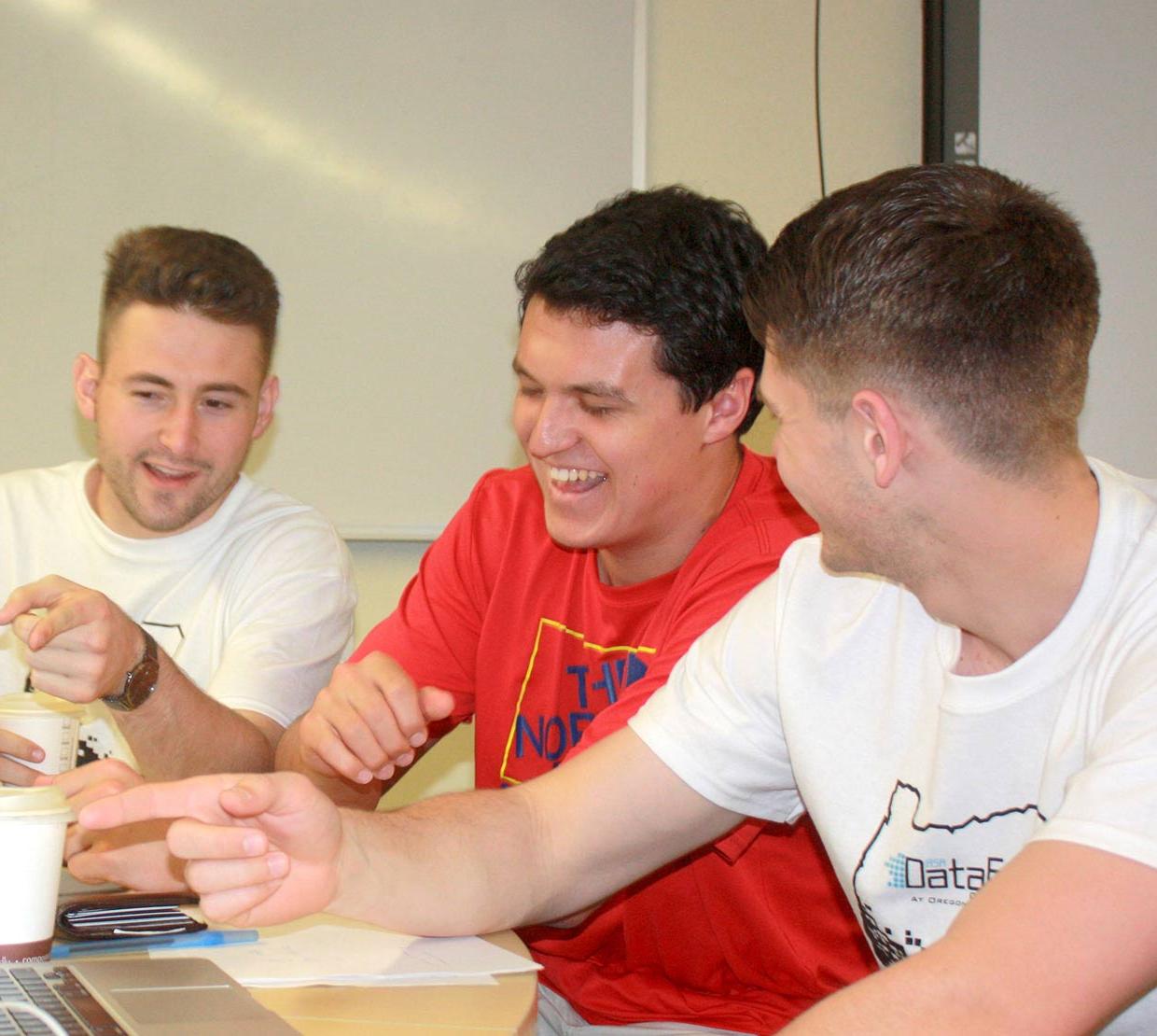
Male students interacting with data fest booth

DataFest Oregon delivers mind-numbing fun

The American Statistical Association’s Datafest

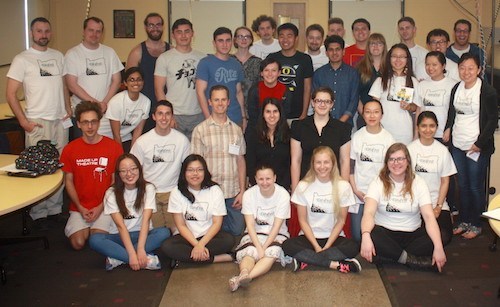
The American Statistical Association’s Datafest, a nationally coordinated data analysis competition that brings together the data science community, was held at Oregon State University April 15-17, 2016. Nine teams comprising 37 students and faculty from OSU, University of Oregon and Reed College matched up in data competitions and learned more about data science and statistics than you might think is humanly possible in one weekend.

The competitions kicked off at 7:30 pm Friday, April 15 in Weniger Hall and continued through Sunday, April 17 at 4 pm. Students came prepared with laptops locked and loaded with data analysis software and tools.

DataFest Oregon is a celebration of data in which teams of undergraduates work around the clock to find and share meaning in a large, rich, and complex data set. It’s a good way to meet other students interested in data.

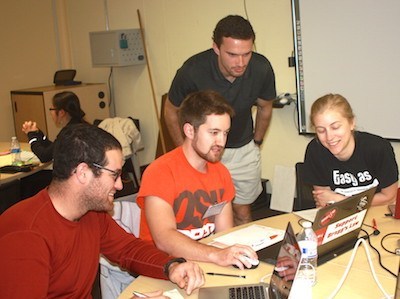
Undergraduate and graduate students did the work, working under pressure as part of a team and examined their own critical thinking processes, with assistance from a cadre of roving consultants, including graduate students, faculty, and industry professionals.

After two days of intense data wrangling, analysis, and presentation design, each team developed a mere two presentation slides in just a few minutes in hopes of impressing the panel of judges.

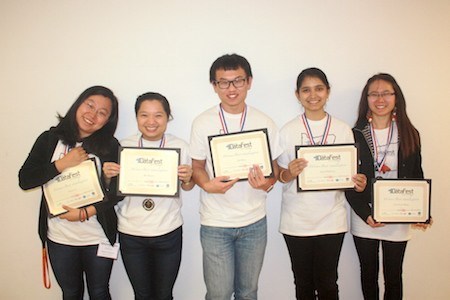
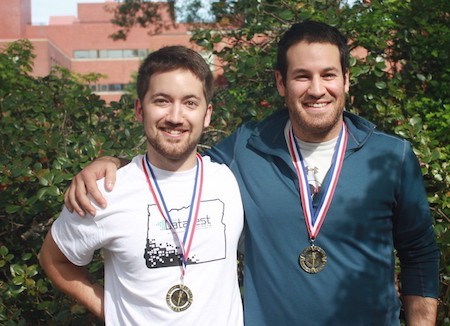
Did we mention the prizes? Prizes, fame and glory (and cool T-shirts) went to the following students who were awarded Best Insight, Best Use of External Data, and Best Visualization. Winners received medals, a book bundle, and a one-year membership to the American Statistical Association.

Best Visualization

Minions of StatisticsXiaoxi GuOregon State UniversityStatistics
Minions of StatisticsMei MengOregon State UniversityStatistics
Minions of StatisticsArpita MukherjeeOregon State UniversityStatistics
Minions of StatisticsMai NguyenOregon State UniversityStatistics
Minions of StatisticsYiran (Rain) WangOregon State UniversityStatistics

Best use of external data

Very Big TeamBret LorimoreOregon State UniversityComputer Science
Very Big TeamChris VlessisOregon State UniversityComputer Science
Very Big TeamGeorge HarderOregon State UniversityComputer Science

Best insight

Pretty TerrestrialAndrew BreretonOregon State UniversityBiochemistry and Biophysics
Pretty TerrestrialMichelle WileyOregon State UniversityBiochemistry and Biophysics
Pretty TerrestrialSteven FriedmanOregon State UniversityBiochemistry and Biophysics
Pretty TerrestrialCamden LopezOregon State UniversityStatistics

Charlotte Wickham, Assistant Professor in the Department of Statistics at OSU, was instrumental in bringing ASA DataFest to campus for the first time, championing the student competitions, and leading planning and organizing efforts.

DataFest Oregon was sponsored by the College of Science, Department of Statistics, the American Statistical Association, Google and DataCamp and Oregon State University.

Read more about ASA DataFests.

Photos from DataFest Oregon 2016:

Lisa Haney painting of bacteria characters driving human car

Gut check: More than butterflies in our stomach

Illustration by Lisa Haney

Thomas Sharpton, a professor in both microbiology and statistics, will present a Science Pub to clarify exactly what the microbiome is, how it is studied and why it is important to our everyday lives. Sharpton will also discuss how our understanding of the microbiome will ultimately facilitate important social and medical transformations.

This Science Pub event will be held April 11, 2016, from 6 - 8 pm at the Old World Deli, 341 SW 2nd St. in Corvallis.

Recent research has revealed that the human body is covered in a diverse array of microorganisms. Most of these bacteria, viruses and fungi are located in the gastrointestinal tract. This community is collectively referred to as the gut microbiome and plays an important role in human health: disease resistance, some cancers, cardiovascular disease and our mental state. Changes in the microbiome have been linked to acute and chronic diseases and can even affect behavior. These observations raise the issue of what it means to be human.

During a postdoctoral research fellowship at the Gladstone Institute in San Francisco, Tom Sharpton developed new ways to analyze microbiome data.

“We take DNA from an entire consortium of cells that comprises the microbial community and sequence them all simultaneously. What we get is an alphabet soup,” he explains. “We use the computer to determine what DNA came from what organism.”

The Science Pub presentation is free and open to the public. Sponsors of Science Pub include OSU's Terra magazine, the Downtown Corvallis Association and the Oregon Museum of Science and Industry.

Check out upcoming Science Pubs.


Read more stories about: events, faculty and staff, microbiology, statistics


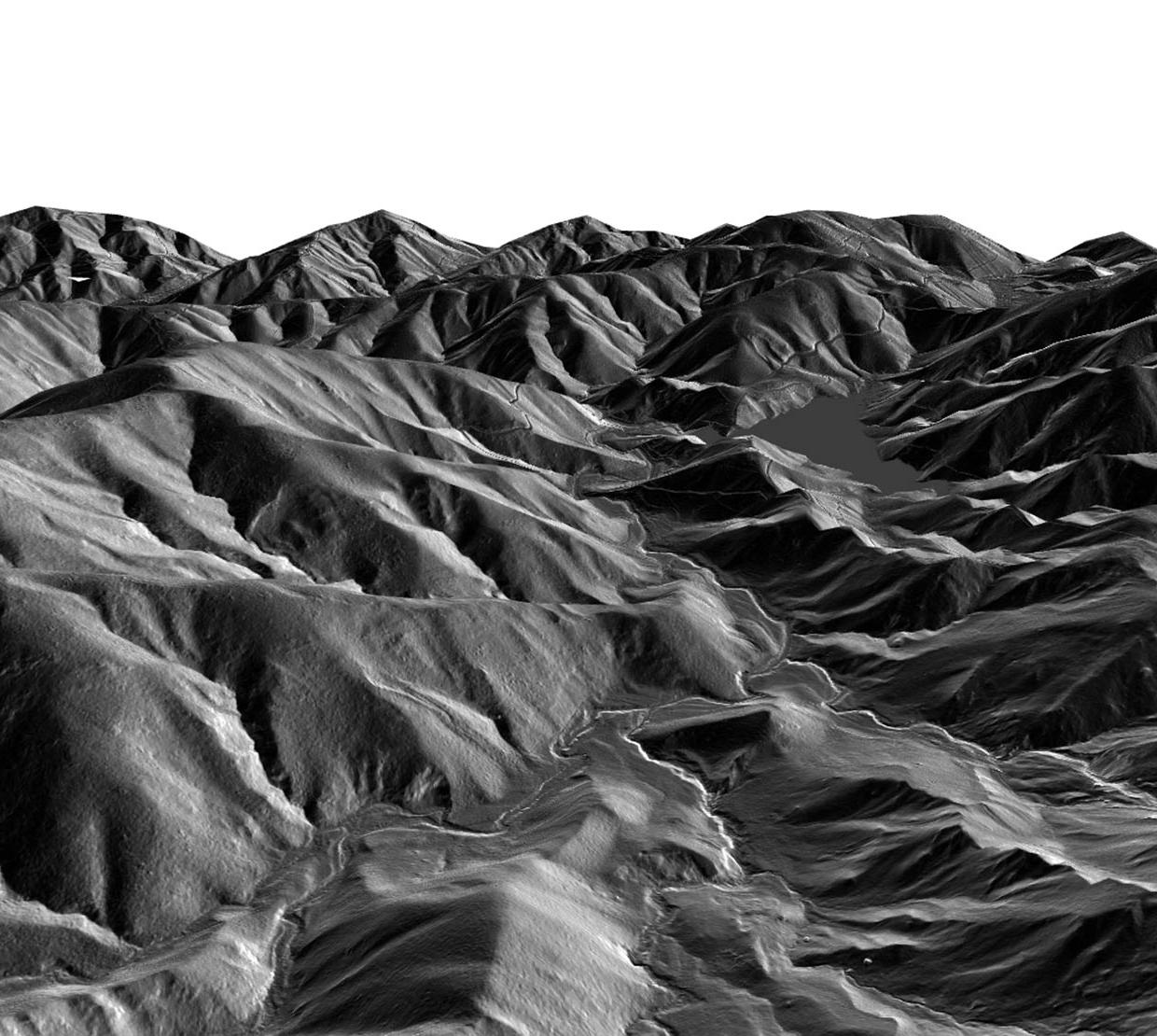
Black and white digital elevation models of mountains and hills

Big Data and Data Science Programs at NSF

image credit = LINZ Data Service

Chaitan Baru, Senior Advisor for Data Science for the Computer and Information Science and Engineering (CISE) Directorate at NSF, will visit campus January 15 to present a seminar on current NSF Big Data and Data Science program and activities. Science faculty and students are invited to attend the seminar, which will be held at 9 am in the Valley Library, Willamette Industries Seminar Room (room 3622) on the third floor.

Chaitan Baru in office space

Chaitan Baru, Senior Advisor for Data Science at NSF

Baru will present an overview of current programs and activities related to Big Data and Data Science at NSF and highlight inter-agency engagements within this area. He will also discuss future directions for Data Science research, education, and infrastructure.

NSF's BIGDATA program seeks novel approaches in computer science, statistics, computational science, and mathematics, along with innovative applications in domain science, including social and behavioral sciences, geosciences, education, biology, the physical sciences, and engineering that lead towards the further development of the interdisciplinary field of data science. Read more about NSF's BIGDATA program current solicitation. Deadline for proposals is February 9, 2016.

Considering that Data Science is a rapidly emerging, evolving field and discipline, Baru will take questions and allow ample time for discussions about where the field ought to be going given what we know today.

Currently on assignment with NSF, Baru is a Distinguished Scientist and Associate Director of Data Initiatives at the San Diego Supercomputer Center (SDSC), at the University of California, San Diego where he works on applied and applications-oriented research problems related to data management and data analytics. He leads the Advanced Cyberinfrastructure Development (ACID) Group at SDSC and is also Director of the Center for Large-scale Data Systems research (CLDS).

Baru has participated in a number of "data cyberinfrastructure" initiatives, including as Principal Investigator (PI) of the OpenTopography project; Cyberinfrastructure Lead, Tropical Ecology, Assessment and Monitoring network (TEAM); Co-Investigator of the Cyberinfrastructure for Comparative Effectiveness Research project (CYCORE); Member of the founding Senior Management Team of the National Ecological Observatory Network (NEON) and Co-PI of the NEON Cyberinfrastructure Testbed; Co-PI of the CUAHSI Hydrologic Information Systems (CUAHSI-HIS); Director, NEES Cyberinfrastructure Center (NEESit); PI/Project Director, Geosciences Network (GEON); and member of the How Much Information? project.

Sastry Pantula with conference attendees in Dhaka

Dean Pantula addresses international statistics conference in Dhaka

Dean Sastry G. Pantula at 2nd International Conference on Theory and Application of Statistics in Dhaka

College of Science Dean Sastry G. Pantula was a special guest and keynote speaker at the 2nd International Conference on the Theory and Application of Statistics, which was organized by the Dhaka University Statistics Department Alumni Association (DUSDAA) and began on Sunday, the 65th anniversary of the department’s founding. The Department of Statistics at the University of Dhaka is one of the oldest of its kind in the world and was founded by the late National Professor Qazi Motahar Husain, the first academic statistician of East Bengal (now Bangladesh) and founder of the Institute of Statistical Research and Training in 1964.

Held December 27-29, the conference aims to bring statisticians together from around the world to explore new frontiers of developments of statistical theory and applications in teaching, research, and the use of statistics in government and non-government policy making with special focus on developing countries, such as Bangladesh.

Dhaka University Vice-Chancellor Dr. AAMS Arefin Siddique kicked off the three-day conference, calling for the need to upgrade the quality of statistics and statistical analysis to ensure transparency, accountability, credibility and morality. He called for statisticians to work together to fulfill the dream of making Bangladesh a country free from poverty, hunger, malnutrition, illiteracy and fundamentalism.

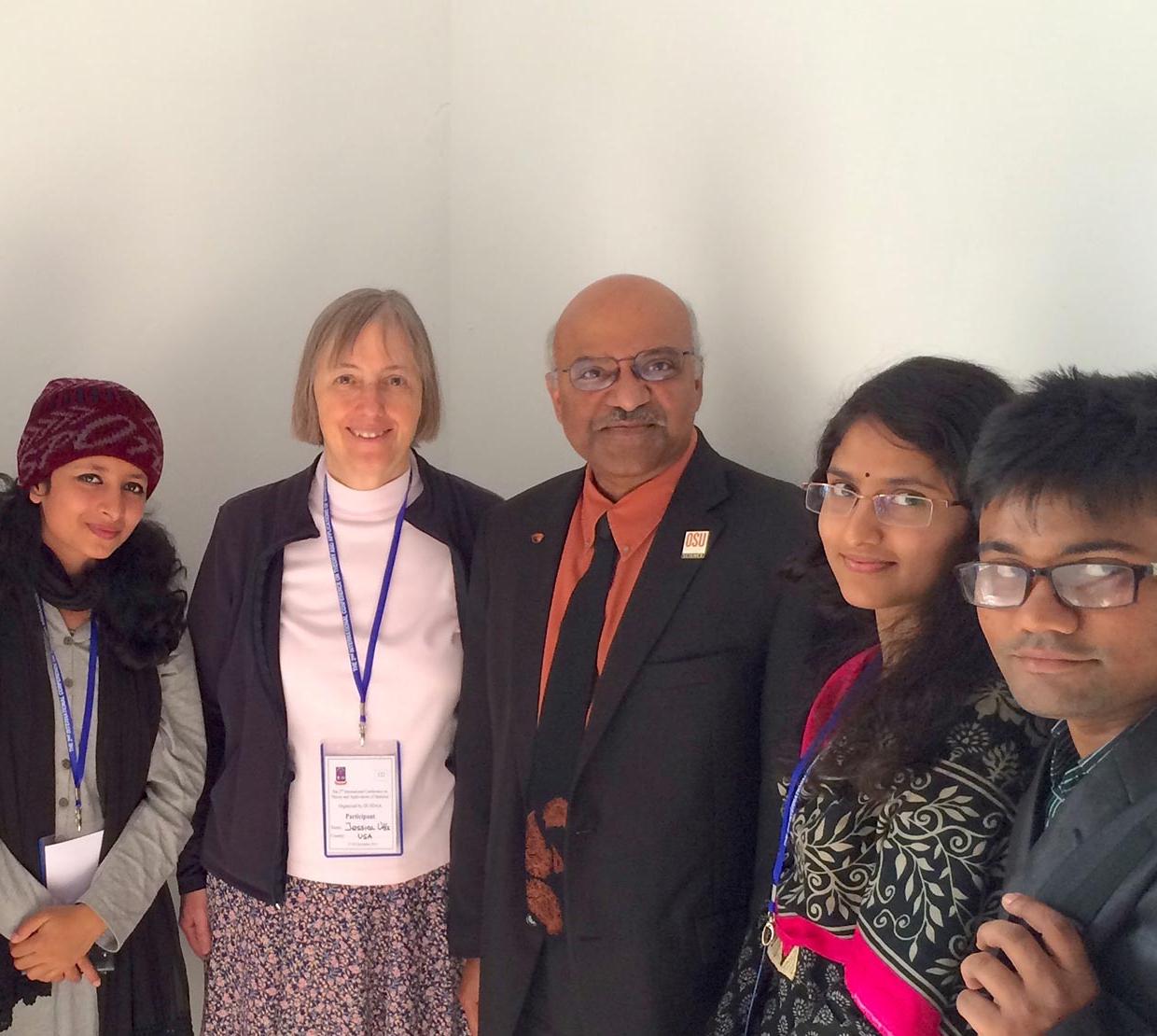
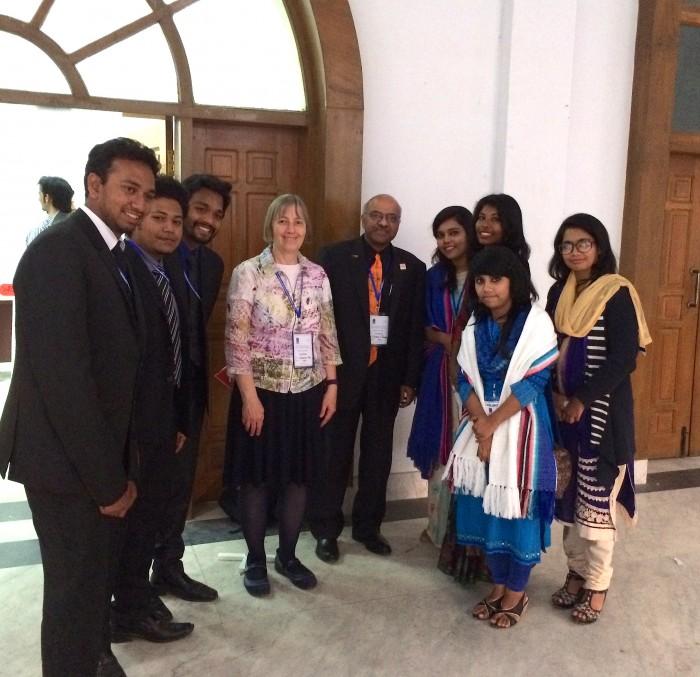
Sastry and students of Dhaka
Dean Pantula with students and colleagues in statistics at Dhaka University in Bangladesh.

The President of DUSDAA Kazi Saleh Ahmed presided over the inaugural session. President of American Statistical Association Jessica Utts, chair of the Department of Statistics at the University of California, Irvine, and Dean Pantula addressed the conference as special guests. M. Ataharul Islam, chairman of the Conference Convening Committee, delivered opening remarks.

Dean Pantula greeted the international audience with “As-salaam alaikum, Namoshkar, and good morning” and offered welcome remarks, thanking everyone for the warm hospitality during his first visit to Dhaka and Bangladesh. Pantula expressed his excitement about being part of the conference to celebrating the statistics profession and to discuss how statistics is important for populations and the development of countries worldwide.

“Statistics, especially official statistics, are how a country or a government or a city like Dhaka knows what it needs,” said Pantula. “It is a great time to be a statistician or a data scientist. We are flooded with data: it is your job, my job or any statistician's job to use our training to help convert data to useful knowledge and help solve major societal issues related to climate, quality of life, poverty and terrorism.”

Dean Pantula is presenting a session on Big Data that highlights the incredible growth of data, the important role the field of statistics plays in our data-centric world and the tremendous opportunities big data offers.

Spanning three days with multiple parallel sessions, the conference offers keynote speeches, plenary sessions and invited and contributed paper sessions from diverse topics. Many successful DUSDAA alumni will give talks, including professor Abdus Wahed, who is a biostatistics professor and Director of the Ph.D. Graduate Program in the School of Public Health at the University of Pittsburgh.

The conference features a Student Poster Competition with three awards for the best posters as well as a Young Researchers Award that offers three awards for young researchers.

The event has received national press coverage in Bangladesh from the Daily Sun and the Financial Express. Students pose for selfies with Dean Pantula.


Read more stories about: events, people, statistics, data, ai and robotics


colleagues showing each other documents in meeting room

Internationally renowned statistician addresses statistics as the “transfer science”

The fall 2015 Milne Lecture

The fall 2015 Milne Lecture features Peter J. Bickel, a leading figure in the field of statistics and Emeritus Professor of Statistics at the University of California, Berkeley. He will discuss, “Statistics: The transfer science, Big Data and an experience with ENCODE." The ENCODE project is the Encyclopedia of DNA Elements.

Peter Bickel in front of shrubbery

Peter Bickel, Emeritus Professor of Statistics, University of California, Berkeley

Hosted by the Department of Statistics, the fall Milne Lecture will be held on Monday, November 23 at 4 pm in the Memorial Union, Horizon room with a reception and cash bar from 5 - 7 pm. The Milne Lecture in Mathematics, Statistics, and Computer Science is a collaborative series of distinguished lectures launched in 1981 to honor founding Mathematics Department Chair and William Edmond Milne, a pioneer in numerical analysis.

Bickel is widely recognized as a leading statistician in any metric: breadth, depth or productivity. He will use illustrative examples to show how statistics is the transfer agent for methodology related to extracting information from aggregates.

In his talk, Bickel will address the new challenges posed by “big” and complex data as well as discuss a significant experience with the ENCODE project, a public research project that aims to identify all functional elements in the human genome and serves as one of the follow-ups to the Human Genome Project.

Credited with a wide range of contributions to the field of statistics, Bickel has conducted pioneering research in statistical sub-disciplines and has made important contributions in many areas of statistics, including robust statistics, decision theory, semiparametric modeling, the bootstrap, nonparametric modeling, machine learning, computational biology, and other areas where statistics and quantitative approaches play an important role.

“The message that statistics is a “transfer science” which enables discoveries in every area of science and most other disciplines is becoming a universal truth,” said Sastry G. Pantula, dean of the College of Science. “I am thrilled to have one of the top minds in statistical and data sciences come to Oregon State to talk to our community about how statisticians convert Big Data to useful knowledge.”

Bickel’s scientific findings have helped reshape aspects of statistical theory and methodological development. His research has influenced developments in other quantitative disciplines, including branches of engineering, economics, finance, computational biology, public health, among others. He is a co-author of the textbook, Mathematical Statistics: Basic Ideas and Selected Topicsv.I and II.

Bickel served as president of The Institute of Mathematical Statistics, The Bernoulli Society and the Board of Trustees of the National Institute of Statistics. Nationally, he has held leading positions within the National Academy of Sciences and the National Research Council.

Bickel has received many awards and honors, including being named the Wald Lecturer and Rietz Lecturer of the Institute of Mathematical Statistics. He was the first to receive the COPSS Presidents’ Award from the Committee of Presidents of Statistical Societies, which includes current and past presidents and presidents-elect of five professional societies of statisticians in Northern America. Three of Bickel’s students have also received the COPSS Presidents’ Award.

His work has also been recognized outside of the statistical profession through the John D. and Catherine T. MacArthur Foundation and Guggenheim Fellowships; and election to the American Academy for Arts and Sciences (AAAS), the National Academy of Sciences and the Royal Netherlands Academy of Arts and Sciences.

Born in Bucharest, Romania, Bickel earned a Ph.D. from the University of California, Berkeley at the age of 22. The Hebrew University, Jerusalem and the ETH (Eidgenossische Technische Hochschule, Zurich) awarded him honorary doctorate degrees. Although he officially retired in 2006, Bickel maintains an active research program in the Department of Statistics at Berkeley.

Support for the Milne Lectures comes from a generous gift from the Milne family as well as support from the College of Science’s Departments of Mathematics and Statistics, the College of Engineering‘s School of Electrical Engineering and Computer Science and from the Center for Genome Research and Biocomputing at OSU.

Subscribe to Events