Biochemistry & Biophysics

Biochemistry & Biophysics

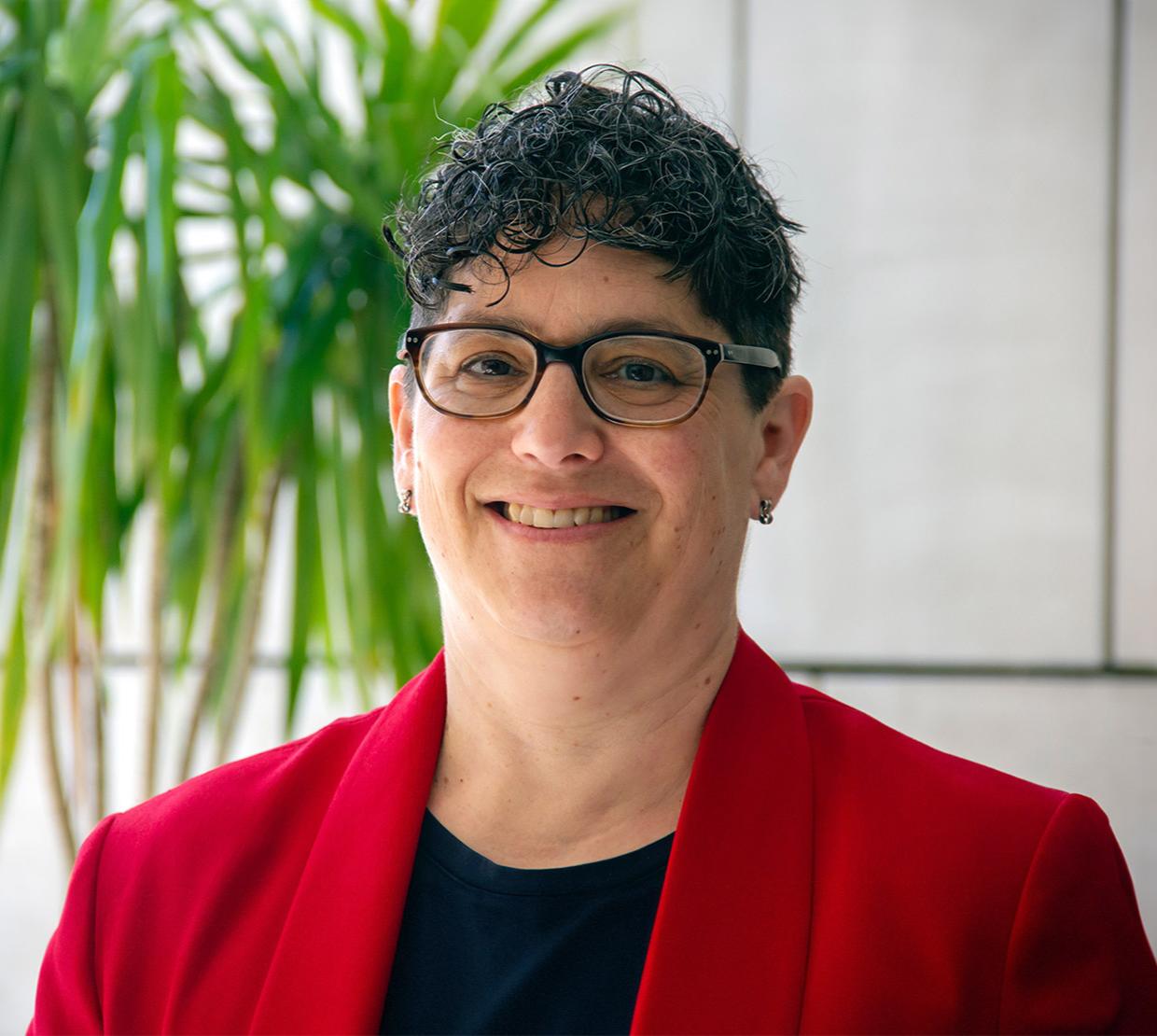
A woman with short dark hair poses for a headshot wearing a black shirt and red suit jacket.

Oregon State names new College of Science dean

By Sean Nealon

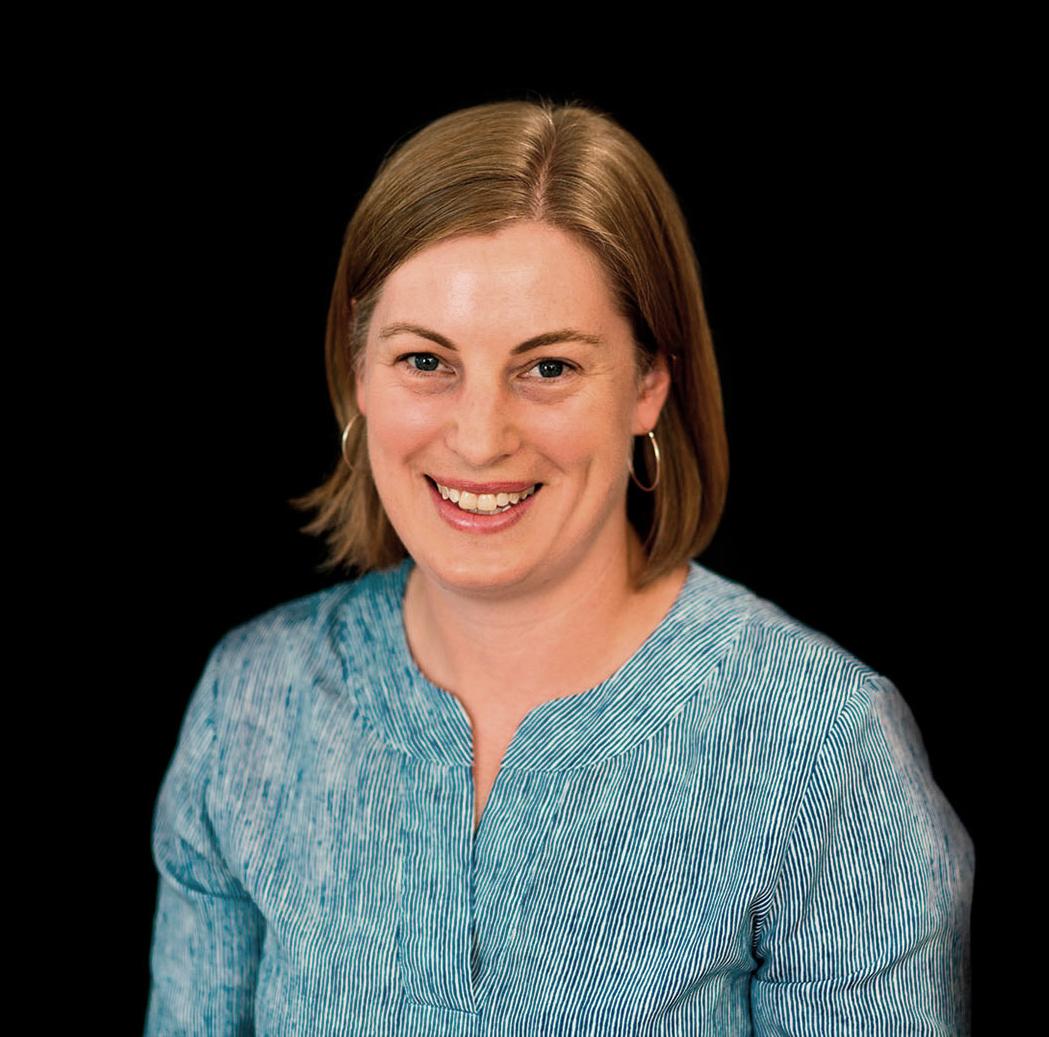
Eleanor Feingold, a statistical geneticist and associate dean with nearly 20 years of leadership experience at the University of Pittsburgh, has been named dean of Oregon State University’s College of Science. She will start Oct. 31.

“I am passionate about creative approaches to STEM education, diversity, equity and inclusion and research that has an impact on the state, nation and world,” Feingold said. “The College of Science and Oregon State University have tremendous strengths in these areas, and I am excited to further advance these endeavors.”

Oregon State’s College of Science is home to the life, statistical, physical and mathematical sciences. The college supports more than 4,000 students and brought in more than $18 million in research funding during the 2022 fiscal year.

“Dr. Feingold brings deep experience as a senior administrator in one of the nation’s leading research universities, and she has amassed an impressive portfolio of scholarship and teaching over the course of her career,” said Edward Feser, OSU provost and executive vice president. “As dean, she will be prioritizing further strengthening the College of Science’s research enterprise and advancing OSU’s goals in student success at both the undergraduate and graduate levels.”

Feingold has worked at the University of Pittsburgh since 1997. She has served at the university’s School of Public Health as associate dean for education, vice dean, chair of the Department of Human Genetics, and most recently associate dean for data analytics and special projects.

Read more here.

A physicist works to zoom in on a microscope

New grants to support breakthrough discoveries

By Hannah Ashton

Four-dimensional tissue self-assembly, integrated river health and ultra-tiny spectrometers: The 2022 College of Science Research and Innovation Seed (SciRIS) award recipients will use collaboration to fill critical knowledge gaps across numerous scientific disciplines to drive real-world impact.

The SciRIS program funds projects based on collaborative research within the College of Science community and beyond. There are two tracks through the program: SciRIS (Stages 1-3) and the SciRIS individual investigator award (SciRIS-ii).

SciRIS Stages 1-3 funds teams in three stages of increasing funding to support training, research and capacity-building, accelerating work toward external funding opportunities. SciRIS-ii funds individual faculty to establish research relationships with external partners, enabling them to demonstrate the feasibility of their ideas and quickening the pace of scientific discovery.

SciRIS-ii Awardees

The following three scientists received SciRIS-ii awards: Bo Sun, Clayton Petsche and Ethan Minot.

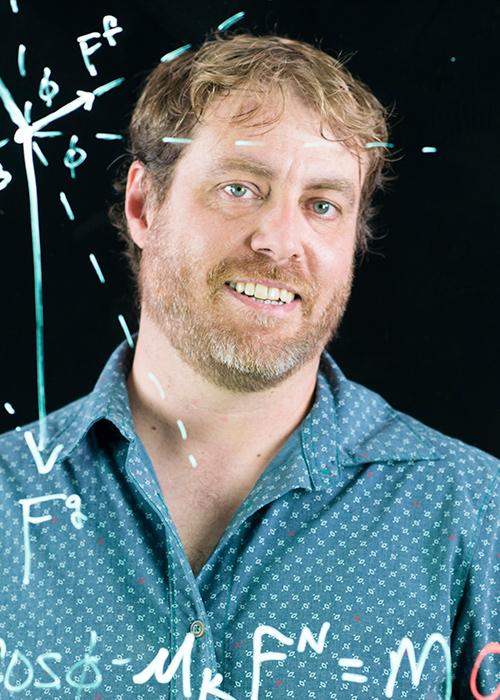
Associate Professor of Physics Bo Sun’s research aims to lay the foundation for programmable four-dimensional tissue self-assembly. Current technologies have been unable to harness these naturally occurring processes to assemble dynamic tissue structures for biomedical and therapeutic applications. Four-dimensional tissue self-assembly is critical for many physiological processes including acute wound healing and in lethal tumor metastasis.

Sun and his collaborator, Yang Jiao from Arizona State University, will be building on eight years of collaborative research in the field of cell mechanics and cell migration that has resulted in eight publications.

Associate Professor of Mathematics Clayton Petsche will use his SciRIS grant to help three graduate students complete sub projects within the realm of arithmetic dynamical systems. The research will be entirely student-focused and will help establish their research credentials before entering the postdoctoral job market.

Professor of Physics Ethan Minot will use his award to bring ultra-miniaturized spectrometer technology to Oregon State and pursue follow-up opportunities.

In 2022, with co-authors from Finland, Minot was part of a study published in Science that resulted in a powerful, ultra-tiny spectrometer. Contributing to a field known as optical spectrometry, their discovery could improve everything from smartphone cameras to environmental monitoring.

Minot plans to bring the technology to Oregon to grow the new field of research.

SciRIS Stage 1 Awardees

Four groups of scientists received SciRIS Stage 1 awards up to $10K.

Associate Professor of Statistics Yuan Jiang, along with Anna Jolles, professor in the Department of Integrative Biology, received a SciRIS Stage 1 grant for a project which will help fill a knowledge gap and provide crucial tools to understand microbial community dynamics.

The team will develop a novel analytical pipeline that harnesses longitudinal microbiome data to define the ecological roles of host-associate microbes. Although the accumulation of microbial communities is essential to animal health, there are few statistical routes adequate for characterizing microbial community dynamics through time.

Integrative Biology Professor Anna Jolles and Carson College of Veterinary Medicine Professor Claudia Häse will use their SciRIS Stage 1 award to study eco-evolutionary host-bacterial-phage dynamics. Collaborating with a researcher from the University of Louisiana, the group will be using the Pacific oyster and shellfish pathogen Vibrio coralliilyticus as a model system.

In a project entitled “Bioinformatics for integrated river health,” Integrative Biology Professors David Lytle and Anna Jolles, along with Justin Sanders from the Carson College of Veterinary Medicine, will bring together expertise across disciplines to provide an integrated approach to understanding river health. The group will combine expertise in bioinformatic and genetic methods for characterizing aquatic invertebrate communities, aquatic parasite and pathogen communities, and fish microbiomes. Samples will come from the lower Colorado River, an ecologically and culturally significant ecosystem.

Biochemistry and Biophysics Associate Professors David Hendrix and Colin Johnson, along with Professor of Chemistry Claudia Maier and Patrick Reardon, director of the Nuclear Magnetic Resonance Facility at Oregon State, received a SciRIS Stage 1 award to create a pipeline of computational and experimental methods for the prediction, identification and functional characterization of microproteins. Previously dismissed due to their small size, microproteins are now thought to play significant physiological roles including pathological roles in cancer progression.

Disease Mechanism and Prevention Fund

Researching Parkinson’s disease, Associate Professor of Biochemistry and Biophysics Alysia Vrailas-Mortimer received a grant from the College of Science Disease Mechanism and Prevention Fund for a project entitled “Why is a fly a good model to study my grandmother’s tremors?”

Similar to the SciRIS-ii, the fund is focused on assisting individual faculty efforts to establish research relationships with external partners for projects specifically related to health science.

Using fruit flies, Vrailas-Mortimer’s goal is to determine how a stress response protein protects against Parkinson’s-associated iron-induced oxidative damage. Parkinson’s affects over one million people in the U.S. and her research could provide the basis for future therapeutic strategies.

Alysia Vrailas-Mortimer

Alysia Vrailas-Mortimer

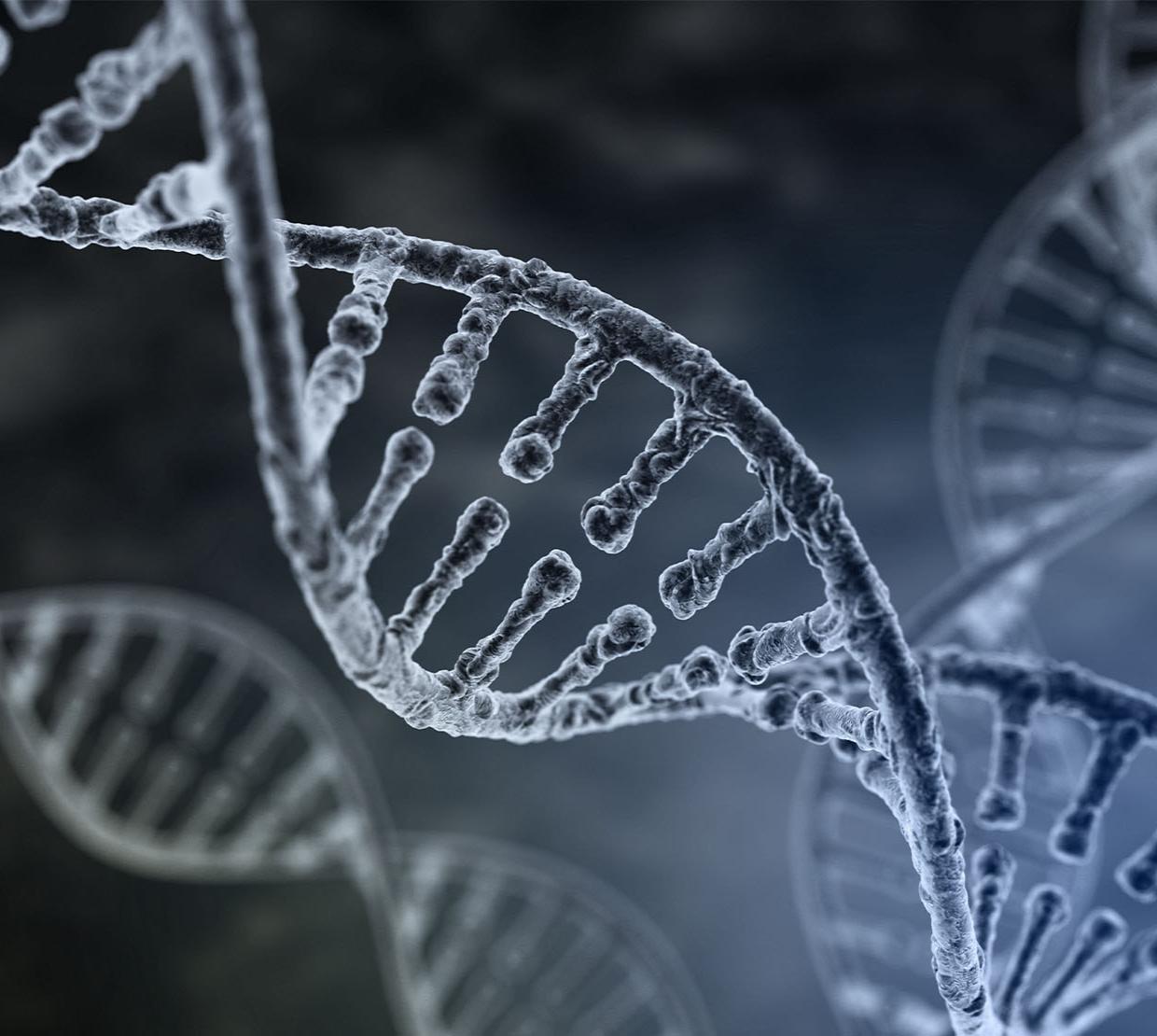
DNA strands.

Research grants to seed the next great idea

By Grace Peterman

College seed funding supports diverse projects with the power to directly impact human quality of life.

Seed funding from the College of Science Research and Innovation Seed (SciRIS) program continues to bolster ambitious and expansive projects, empowering our scientists to delve into fundamental research discoveries and translate them into revolutionary applications. Founded in 2018, the SciRIS program provides funding for collaborative projects that pursue fundamental discoveries and create societal impact, accelerating the pace of research, discovery and innovation in the College of Science.

Between 2019 and 2021, the SciRIS program provided $763K in seed funding to scientists leading research projects in both basic and applied science and mathematics, with the potential to produce practical solutions for industry, people and the planet.

There are two pathways through this program, the SciRIS Stages 1-3 awards and the SciRIS individual investigator award (SciRIS-ii). The SciRIS Stages 1-3 program funds teams in three stages, ranging from $10K to $125K, to foster team development, build capacity and accelerate project development for procuring larger external grants, while the SciRIS-ii program provides funds ranging from $10K to $20K to individual investigators to establish partnerships, accelerate project development, generate data and manuscripts and foster proposal submissions.

The 2022 Science Research and Innovation Seed Individual Investigator awards (SciRIS-ii) are catalyzing initiatives that will open fresh pathways in science.

Supporting pure and applied mathematics, agriculture, gene therapy, molecular movie technology and quantum mechanics

Radu Dascaliuc, a man with glasses and a beard.

Radu Dascaliuc, associate professor of mathematics

Dascaliuc researches stochastic cascades and energy transfer in equations of fluid dynamics. The mathematics of fluid flows allow us to understand and predict the complexity of behaviors exhibited in fluids. Deeply rooted in questions of applied science and engineering, the proposed research is a part of a larger program aimed at exploring connections between the mathematics of equations of fluid motions and physics of fluids.

Part of the proposal is to organize a two-week summer collaborative research program for graduate and undergraduate students. This program will be devoted to attracting students from backgrounds traditionally underrepresented in STEM and especially in the field of fluid dynamics. The project will be structu­­red so that students without advanced knowledge in differential equations, mathematical analysis and probability can contribute and hopefully become interested and motivated to learn more about the mathematics involved. Funds for Dascaliuc’s SciRIS-ii project titled, “Stochastic Cascades and Energy Transfer in Equations of Fluid Dynamics” are provided by a generous gift made to the Robert W. Lundeen Science Faculty Development Award Fund.

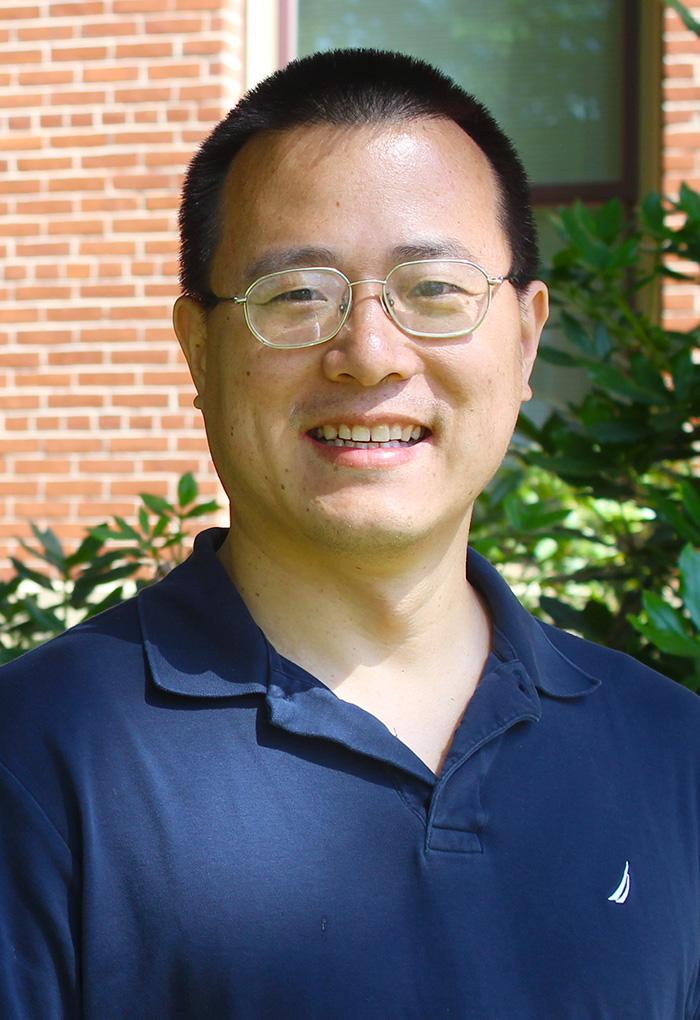
Yanming Di, a man with glasses standing outside.

Yanming Di, associate professor of statistics

In partnership with the Oregon State Seed Lab, Yanming Di innovates seed sampling devices and protocols. Seeding testing — used for determining seed lot quality and establishing seed value — is a fundamental phase of the agricultural marketing system. Getting an accurate subsample of seed depends on the accuracy and precision of the device used.

Devices and protocols developed by the OSU Seed Lab and the USDA in the 1970s are still considered state of art today, leaving ample room for further improvements. With SciRIS funding, Di and collaborators aim to start a new wave of groundbreaking innovations by incorporating recent advances in robotics, computer vision, machine learning and stochastic modeling into seed testing. Funds for Di’s SciRIS-ii project entitled “Innovating Seed Sampling Devices and Protocols” come from the College of Science’s Education & General Funds.

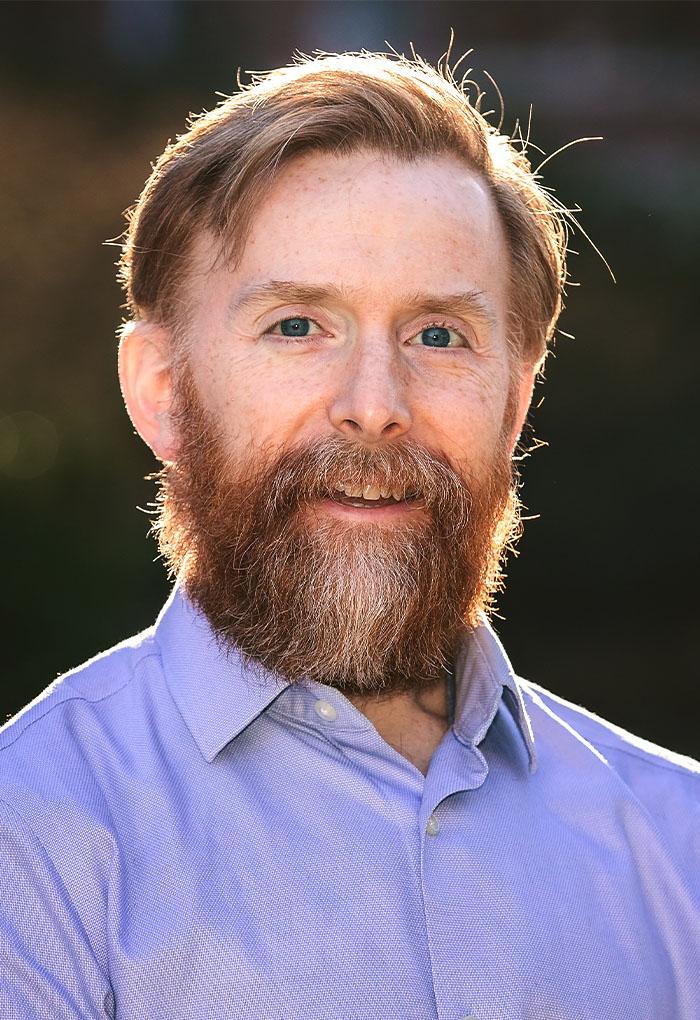
Colin Johnson, a man with a red beard.

Colin Johnson, associate professor of biochemistry and biophysics

Colin Johnson’s research uncovers new connections between the ferlin family of genes and disease. Mutations in dysferlin are linked to muscular dystrophy, while mutations in otoferlin and myoferlin have been linked to deafness and breast cancer, respectively. Previous research led by Johnson uncovered key components of otoferlin gene therapy, moving one step closer to restoring hearing for the congenitally deaf.

In partnership with collaborators from the College of Engineering and College of Agricultural Sciences, Johnson’s new project will focus on ferlin gene Fer1L6, which has been linked to ovarian failure and neural tube development deficiencies. It will be the first study to unpack the effects of Fer1L6 on organismal development and neural tube defects. Funds for Johnson’s SciRIS-ii project, entitled “Establishing a Zebrafish model for the study of the Ferlin gene Fer1L6,” come from the College’s Education & General Funds.

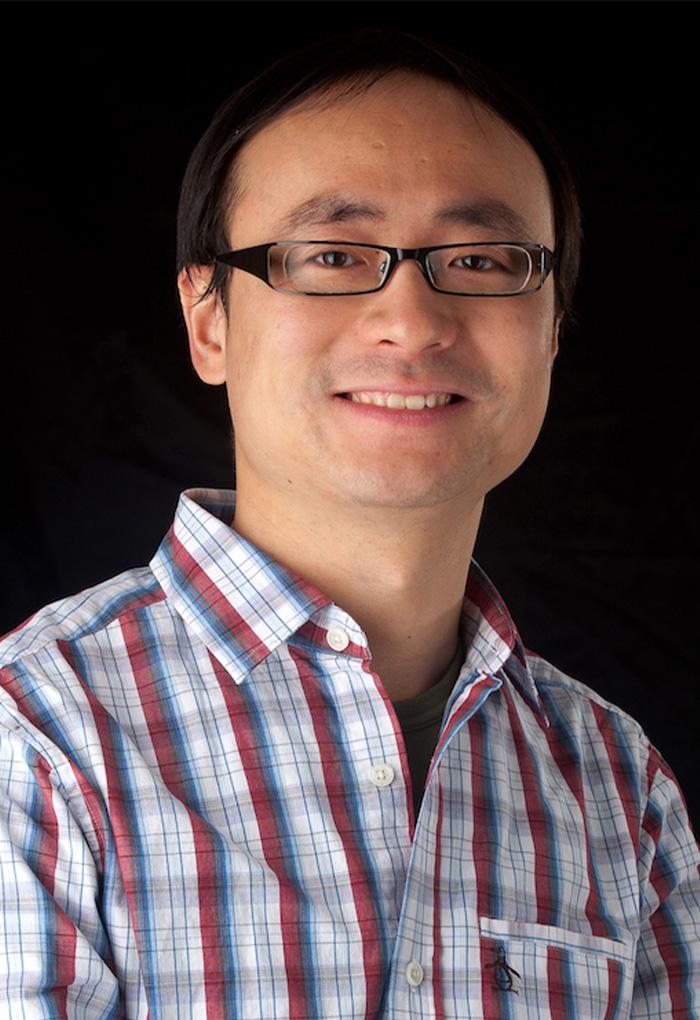
Chong Fang, a man in glasses.

Chong Fang, associate professor of chemistry

SciRIS-ii funding will support a research collaboration between OSU and Stanford University led by Chong Fang. The project will implement state-of-the-art femtosecond laser spectroscopy at the Linus Pauling Science Center. By advancing the mechanistic knowledge and rational design of reversibly photoswitchable fluorescent proteins, this emergent tool for super-resolution microscopy and bioimaging will elevate both labs’ research to new heights while further enhancing the visibility and impact of “molecular movie” technology at OSU.

Funds for Fang’s SciRIS-ii project, entitled “Elucidating primary events of engineered photoswitchable fluorescent proteins with a powerful ultrafast spectroscopy toolset,” are provided by a generous gift made to the Ben and Elaine Whiteley Materials Research Fund.

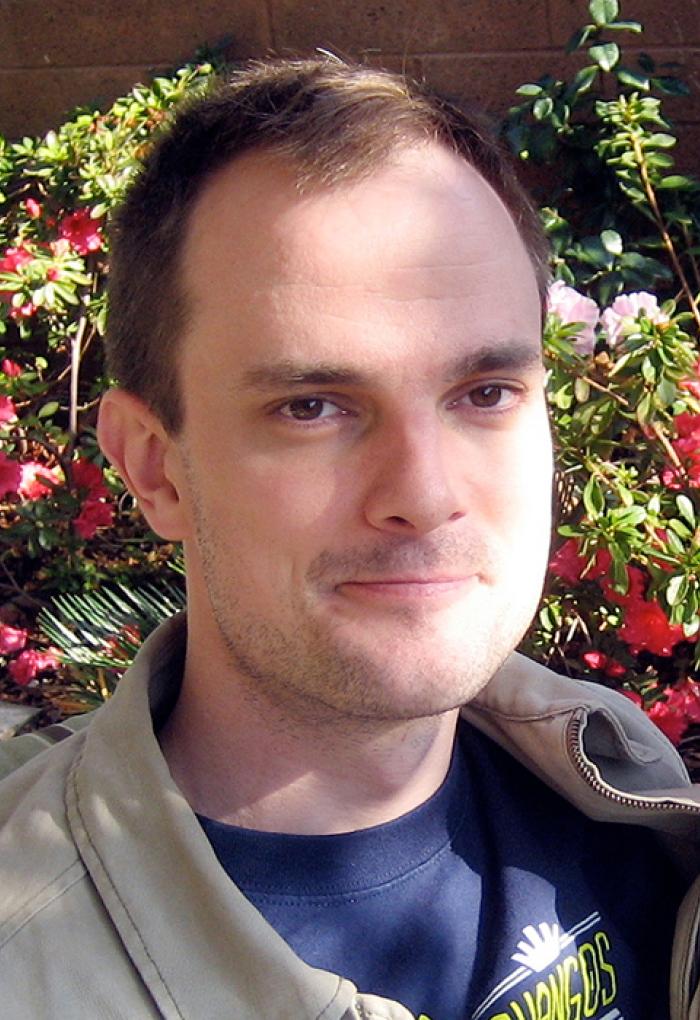
Man smiling in front of a bush of flowering azaleas

Clay Petsche, associate professor of mathematics

Petsche is working with graduate students Chifan Leung, Chatchai Noytaptim and Peter Oberly to develop new ways to measure the arithmetic complexity of dynamical systems – a mathematical construction which takes input data and feeds it through a repetitive process – and to show that certain families of arithmetic dynamical systems can be divided into the simple and the complex. Using mathematical techniques including Galois theory, which is the study of symmetry in the solutions to polynomial equations; potential theory; and the analytic theory of Berkovich spaces, a fully modern construction that has recently given mathematicians the ability to apply classical analytic techniques toward modern number theory applications.

Funds for Petsche’s SciRIS-ii project, entitled “Exceptional maps in arithmetic dynamical systems,” are provided by a generous gift made to the Robert W. Lundeen Science Faculty Development Award Fund.

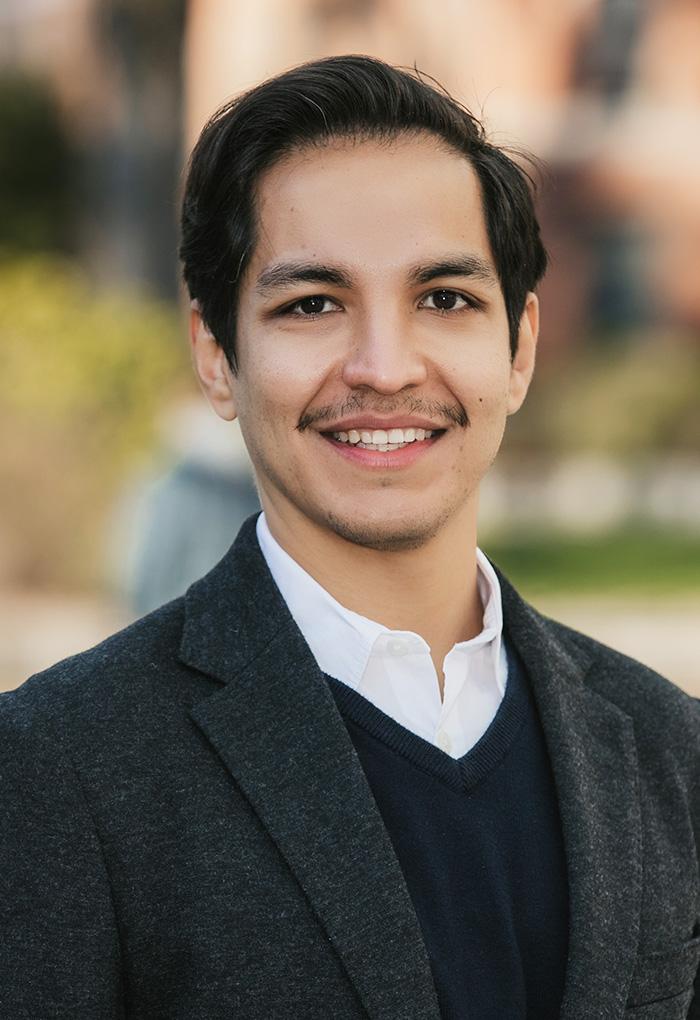
 Axel Saenz Rodriguez, a man with dark hair.

Axel Saenz Rodriguez, assistant professor of mathematics

According to quantum mechanics, we can only know the probability for the location of an electron at any given moment. Yet, if the electrons are confined to a one-dimensional space, the system exhibits certain symmetries that may allow one to obtain exact formulas for the statistics of the electrons. Axel Saenz Rodriguez aims to develop the mathematical theory to determine these statistics and to host a conference focused on this research topic. The two-day conference at OSU in Fall 2022 will build a regional network of collaborations; develop research projects suitable for grant proposals; and build research activity and a community on campus for graduate students and faculty. Funds for Saenz Rodriguez’s SciRIS-ii project, entitled “Probability law for 1D quantum electrons,” are provided by a generous gift made to the Robert W. Lundeen Science Faculty Development Award Fund.

Bolstering medicine through interdisciplinary research

As part of the SciRIS program, the College of Science offers other donor-funded awards to bolster research and innovation. The Disease Mechanism and Prevention Fund (DMPF) supports research into the mechanism, diagnosis, treatment and prevention of human disease by the College of Science faculty. These funds are provided by a generous gift from David and Donna Gould. The awardees are Swati Patel, assistant professor of mathematics and Adrian Gombart, professor of biochemistry and biophysics.

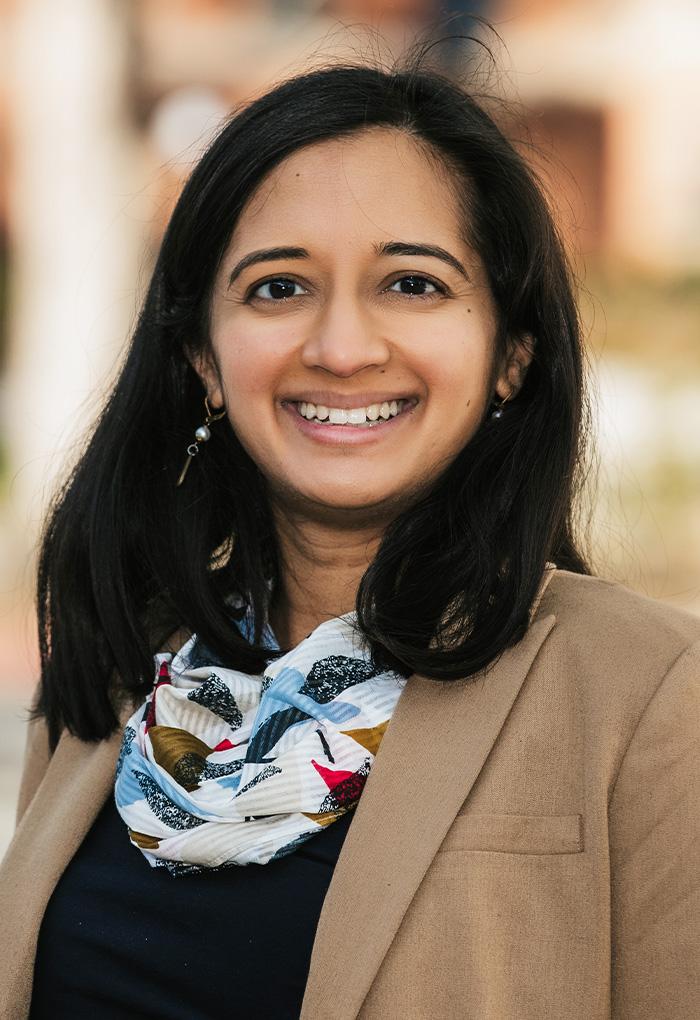
Swati Patel, a woman with dark hair.

Swati Patel, assistant professor of mathematics

Swati Patel’s DMPF proposal is titled “Mathematical modeling of Anthelmintic resistance in soil-transmitted Helminths.” Patel’s research addresses soil-transmitted helminths (STH), parasitic worms that infect an estimated 1.5 billion people worldwide, particularly in developing tropical countries that lack adequate sanitation systems. Periodic de-worming is necessary to treat and prevent infection, but STH are developing resistance against the drugs used. Patel develops projects to investigate the mechanisms that lead to resistance and strategies to prevent it through systematic mathematical modeling.

Adrian Gombart, professor of biochemistry and biophysics.

Adrian Gombart, professor of biochemistry and biophysics

Gombart’s DMPF project, “The role of the cathelicidin antimicrobial peptide in the development of Alzheimer’s disease,” continues work from a previous DMPF award, studying the potential use of an antimicrobial peptide called cathelicidin to curtail the development of Alzheimer’s. Vitamin D and other nutrients regulate expression of the peptide. Gombart’s project could lead to further development of effective preventative therapies or treatments of Alzheimer’s disease. Gombart is a principal investigator at the Linus Pauling Institute and is known for his extensive research on the uses and functions of vitamin D, including using it to combat infection via wound dressings and sutures.

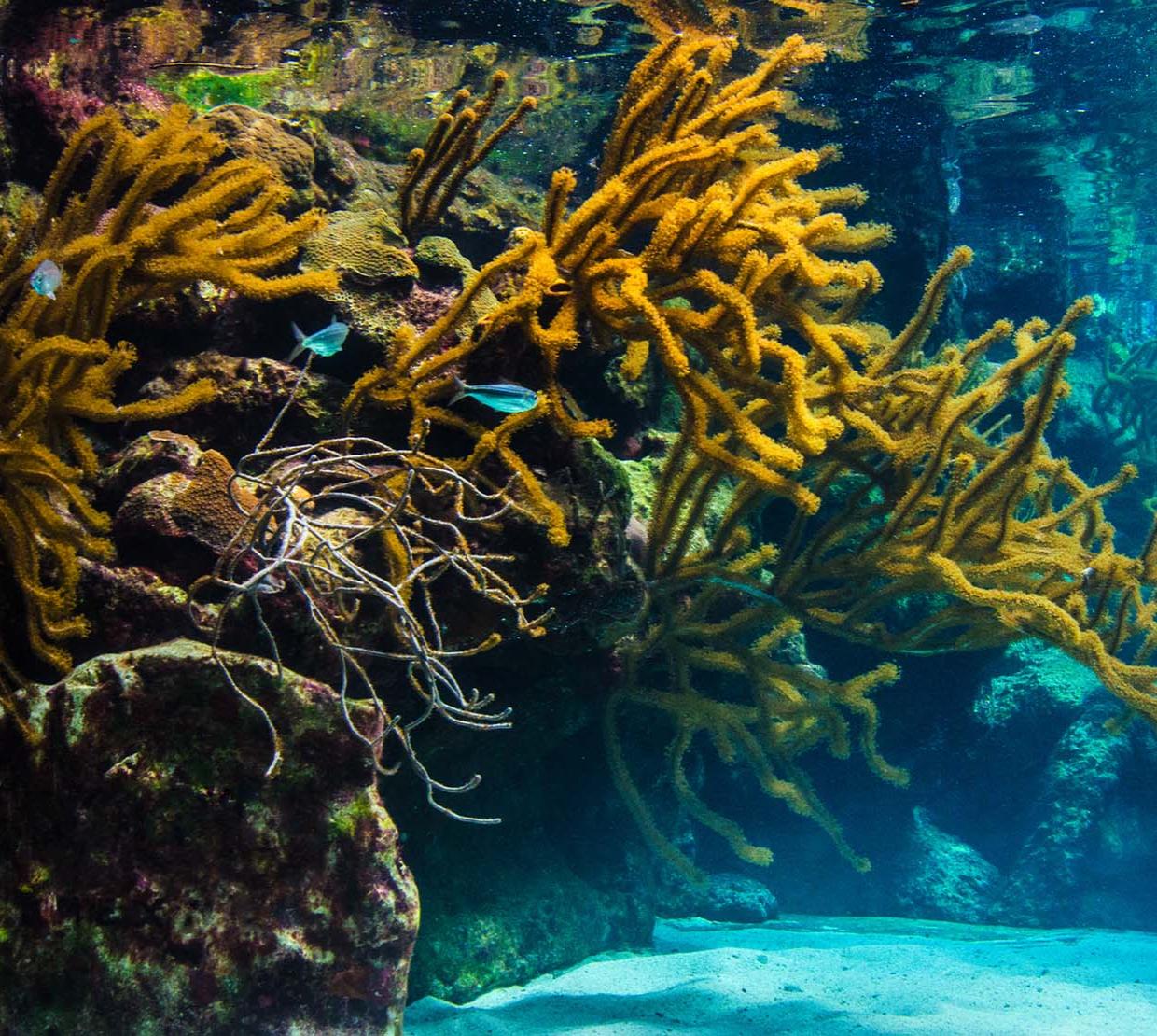
Underwater coral reef landscape background in the blue sea with fish and marine life.

Innovation grants to build model reef at OSU, catalyze biological and materials research

By Grace Peterman

New funding bolsters research on coral reefs, heat waste and more.

The inner workings of a cell, more powerful mass spectrometry and building a tropical reef at Oregon State: The 2021 College of Science Research and Innovation Seed (SciRIS) awards are empowering initiatives that will open fresh pathways in science.

The SciRIS program funds projects based on collaborative research within the College of Science community and beyond. There are two tracks through the program: SciRIS (Stages 1-3) and the SciRIS individual investigator award (SciRIS-ii). SciRIS Stages 1-3 funds teams in three stages to support training, research and capacity-building, accelerating work toward external funding opportunities. SciRIS-ii funds individual faculty to establish research relationships with external partners, enabling them to demonstrate the feasibility of their ideas and quickening the pace of scientific discovery.

The newly-established College of Science Innovation Award provides critical resources for projects that take a new direction, utilize a new technology or are in the “proof-of-concept” phase.

Three groups of scientists received SciRIS Stage 1 awards, two at $10K each and one at $20K. One group received the Innovation Award at $10K.

Professor of Microbiology Rebecca Vega Thurber and her colleagues will use their award to develop a model tropical reef facility within Oregon State’s world-renowned John Fryer Aquatic Animal Health Lab.

The model will allow College of Science researchers across biology, chemistry and ecology to perform highly controlled, repeatable experiments on reef ecosystems, which are under increasing threats from climate change, pollution, habitat destruction and disease. By bringing the reef to researchers, carbon emissions associated with travel are also reduced.

The facility will also serve as an outreach platform, bringing awareness of far-off ecosystems to the local community. By interacting with the lab, citizens will learn about how humans affect these fragile habitats and how they personally can potentially mitigate and reverse reef decline.

Chemistry Professor Wei Kong and Statistics Professor Lan Xue will use their SciRIS grant to develop more effective mass spectrometry through inclusion of electron diffraction. With this addition, future mass spectrometers will be able to reveal not only the mass composition of an unknown species, but also the three-dimensional arrangement of the constituent atoms. This capability can change the paradigm of nanomaterial synthesis, allowing intelligent design and quality control of custom-made materials applicable in medical diagnostics and therapeutics, in energy harvesting and storage, and in catalysis.

Biochemistry and Biophysics Professor Elisar Barbar and collaborators received a SciRIS award to integrate structural biology with cell and organismal biology. Capitalizing on Oregon State’s high concentration of expertise and resources for studying dynamic protein complexes across scales, the team aims to establish new technologies to investigate cancer related complexes and host-parasite interactions. Their eventual goal is to submit a proposal to the NSF Biology Integration Institute, which supports interdisciplinary projects that translate discoveries from the molecular scale to the cellular level of organisms and vice versa.

Associate Professor of Physics Matt Graham and colleagues received the College of Science Innovation Award support their work converting waste heat to electricity, contributing to a more sustainable world through the recovery of energy losses and reducing greenhouse gas emissions. The team will develop a prototype of an ultralow bandgap semiconductor device that converts residual waste heat to electricity. The award will support their work optimizing the efficiency of the device’s waste heat to energy conversion and validating the current extraction model related to the device prototype.

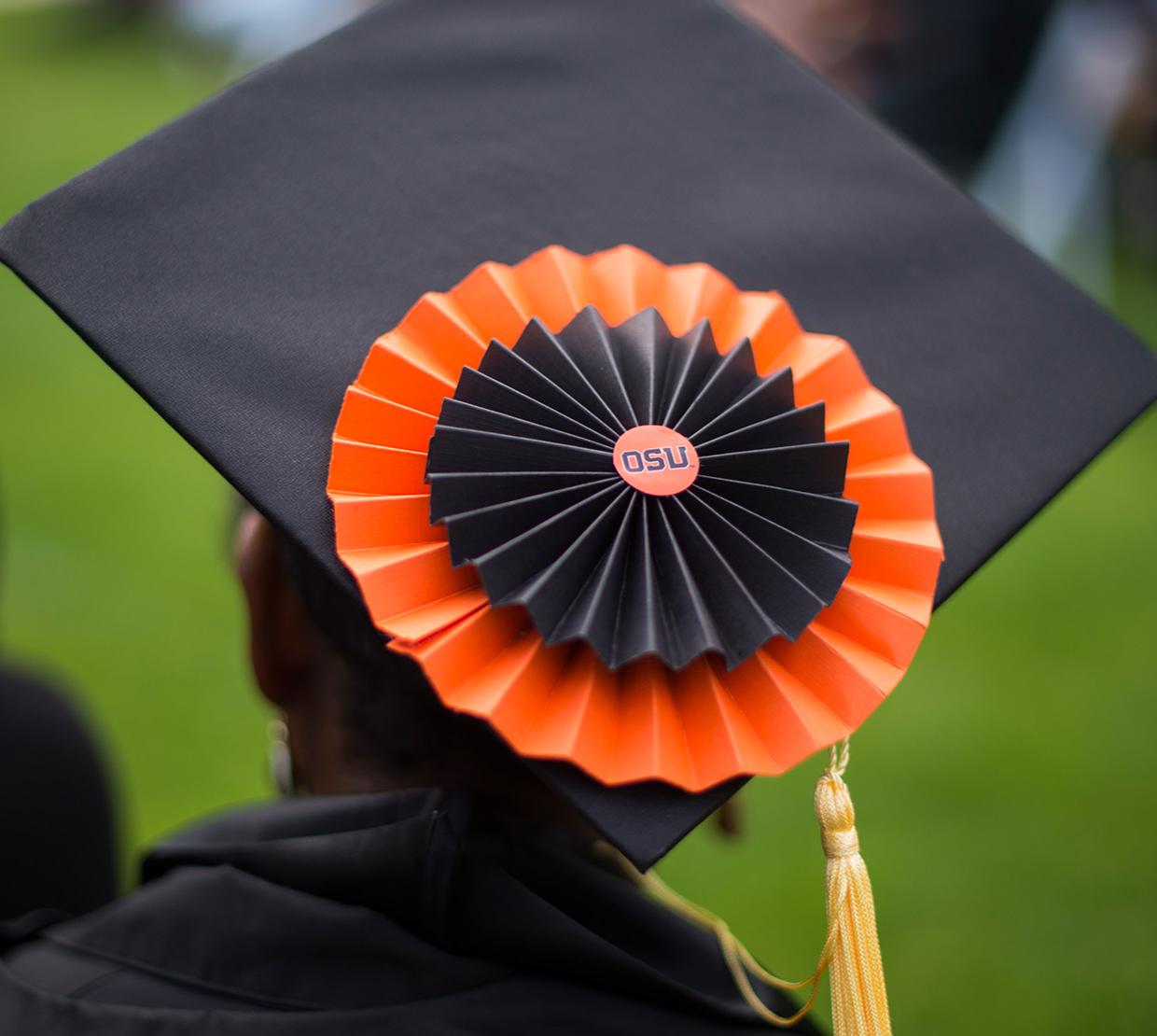
OSU Graduation cap

The Class of 2021 succeeds against all odds

By Srila Nayak

Congratulations to the Oregon State College of Science Class of 2021! This class faced enormous challenges due to the pandemic. On the spur of the moment, the class of 2021 transitioned to remote learning, virtual interaction with professors, mentors, peers, friends and experiential learning in online formats. They have also faced increased financial burdens and other stressors. Our students have persevered, showing admirable determination, resilience and fortitude that will serve them well in their lives and careers.

Succeeding against odds while making history, College of Science graduates have found ways during this pandemic to participate and make an impact on state-wide public health endeavors through the TRACE-CVOID-19 project. They have gained enduring skills and done outstanding work in adapted science labs and with science communication in the virtual domain. Our seniors have been instrumental in helping Oregon State succeed at remote teaching in their roles as peer learning assistants and tutors.

Science graduates have led the way by dint of their academic achievements, selfless service and committed leadership. Supported by awards, scholarships and dedicated advisors, our seniors have collaborated with faculty mentors to create new knowledge and achieve major scientific breakthroughs.

Check out our Commencement page to celebrate our graduates. Read their compelling stories below containing reflections on undergraduate experiences at Oregon State and their dreams for the future.

This year’s graduates include Fulbright and Ford Foundation Fellows, Gilman International Scholars, NOAA Scholars, published scientific authors, future doctors, scientists, entrepreneurs, community leaders, teachers and informed, engaged world citizens. We are exceptionally proud of our students and all they have achieved during their career as undergraduates in the College of Science at Oregon State.

By the numbers

The College graduated 670 undergraduate students with baccalaureate degrees in 2020-21, including 68 Honors graduates. More than 80% (538) of our graduates were in the life sciences, with Biology having the most graduates at 199. BioHealth Sciences came in second with 152 graduates; biochemistry and molecular biology had 71 graduates; Zoology 63; Mathematics 56; Microbiology 43; Chemistry 42; Physics 34, and; Biochemistry and Biophysics graduated 10 students.

Of the total baccalaureate graduates, 11% are underrepresented minorities and 26% are first-generation students. In addition, 10 of the 2021 baccalaureate graduates are military veterans.

The College will also award 52 doctoral degrees, 66 master’s degrees and seven certificates in online Data Analytics.

Of the 52 doctoral degrees, Chemistry had 16 Ph.D. students, followed by Integrative Biology at 11; Mathematics 9; Physics 6; Microbiology 5; Statistics 4, and; Biochemistry and Biophysics graduated one doctoral student.

The Department of Statistics awarded 15 master's degrees in statistics and 19 M.S. degrees in data analytics. Chemistry and Mathematics awarded 10 master's degrees each. Physics had 6 master's degree recipients; Microbiology three; Biochemistry and Biophysics two, and; Integrative Biology awarded one master's degree this year.

Celebrating the Class of 2021

We invite you to read the profiles of our seniors. These outstanding graduates represent an inclusive and diverse learning community in the College of Science. Here they share their inspiring and unique journeys as science majors.

A nighttime sky with an award sign overlaid on top

2020-21 College of Science awards: Celebrating excellence in teaching and advising

By Cari Longman

On April 22, the College of Science gathered virtually to recognize academic, administrative and teaching excellence at the 2020-21 Combined Awards Ceremony – a merge of our annual Faculty and Staff Awards and Teaching and Advising Awards events.

The first half of the ceremony celebrated excellence in research and administration, and the second half the ceremony focused on outstanding teaching, advising and mentoring,

The College congratulates the Teaching and Advising Awards winners below who exemplify deep commitment, skill and effectiveness in mentoring and advising to ensure student learning and success within and beyond the classroom. Effective teaching, advising and mentorship are the very heart of the College of Science’s identity as a robust and thriving community of students and scholars.

Congratulations to all the nominees and especially to the award winners.

2021 Teaching, Advising and Mentoring Award Winners

Olaf Boedtker Award for Excellence in Academic Advising

Tiffany Bolman

BioHealth Sciences Advisor Tiffany Bolman

Tiffany Bolman, biohealth sciences advisor, won the Olaf Boedtker Award for her tireless support, efforts and advocacy on behalf of undergraduate students. Olaf Boedtker was a former professor in the Department of Physics for 23 years and served as head advisor in the College for 14 years from 1973 to 1987. This award recognizes exceptional and inspirational undergraduate advising.

More than ten students nominated Bolman for this award, praising her dedication and ability to connect and encourage students to achieve their goals.

One student nominator wrote of Bolman: “During one of the hardest years of my life, I met my new advisor, Tiffany. Changing your advisor in the middle of your junior year can be stressful. The first time I met her, my meeting lasted almost two hours because we spent time getting to know each other and talking about life. The way that Tiffany has been here to support me is incredible – as an advisor, a mentor, a friend and a support system. She's helped me in countless ways this past year, not just for school and for my future, but personally. I know I would not be where I am right now without her.”

“Tiffany has guided me in my fast-paced college experience and is always courteous when I talk to her,” wrote another biohealth science student nominator. “She has provided ample opportunities for me to get involved in health care and shadowing, even during Covid-19, in order for me to be a competitive applicant for medical school. I feel as though Tiffany wants the best for all of her students, including myself, and her heartwarming encouragement never lets me down.”

Another student had similar praises for Bolman. “I transferred to Oregon State and [Tiffany Bolman] was the first faculty member I had any interactions with. She seems to truly care about the future of the students she is advising and is overall an amazing person to talk to.”

Additional nominees for the Olaf Boedtker Award included

  • Allison Evans, instructor of microbiology
  • Kari Van Zee, senior instructor for biochemistry and biophysics
  • Maureen Leong-Kee, advisor for integrative biology
  • Vince Remcho, professor of chemistry

Loyd F. Carter Award for Outstanding and Inspirational Teaching (Undergraduate)

Corinne Manogue

Professor of physics Corinne Manogue

Professor of physics Corinne Manogue won this year’s Loyd F. Carter Award for Outstanding and Inspirational Teaching in Science. Manogue teaches the nationally-recognized Paradigm in Physics courses, which are a restructuring of the traditional upper-division curriculum for physics students to a more modern, flexible and inclusive model for learning physics.

Student nominees cited Manogue’s extra efforts to ensure her students understand content, her ability to teach complex topics, and her compassion with her students in an especially tiring year.

“She is an outstanding teacher who really works to understand how her students are approaching the material and provides numerous ways for the students to actively engage with the content,” wrote one student nominator. “She is very aware that each student has a different learning style and that content needs to be restated multiple ways and in multiple forms and that each version will resonate differently with each student.”

Other student nominators had similar praises for Manogue. "She is truly fantastic at explaining complex topics in ways that relate them to us students, and it was often that many would exclaim how well they understood ideas and techniques significantly better after having an explanation from her in class," said one nominator, and another added: "Corinne convinced me that there weren't such things as 'STEM people' and that success in STEM was available to me and other students who like me had been dissuaded by a perception of being inherently 'not smart enough' to become physicists."

Manogue has received recognition at multiple levels – Oregon State University, the state of Oregon and nationally – for her teaching excellence and has previously won a number of awards recognizing her teaching excellence, including the College of Science Frederick H. Horne Award for Sustained Excellence in Teaching in 2000, an American Association of Physics Teachers Award for Excellence in Undergraduate Physics Teaching in 2008, and the 2016 Oregon Academy of Science Outstanding Educator in Science and Mathematics award.

Additional nominees for the Loyd F. Carter undergraduate award included

  • Daniel Myles, senior instructor of chemistry
  • Daniel Rockwell, senior instructor of mathematics
  • Devon Quick, senior instructor of integrative biology
  • Kimberly Halsey, associate professor of microbiology
  • Linsday Biga, senior instructor of integrative biology
  • KC Walsh, senior instructor of physics

Loyd F. Carter Award for Outstanding and Inspirational Teaching (Graduate)

Charlotte Wickham with a black background

Senior Instructor of statistics Charlotte Wickham

Senior Instructor of statistics Charlotte Whickam received the Loyd Carter award for her inspirational and superb mentorship and teaching of graduate students.

“Charlotte is an extremely talented statistician and teacher. You can tell she is extremely passionate about the things she teaches and is invested in her students learning. She is also very approachable, despite teaching an online course,” wrote one graduate student nominator. “The material I have learned in her class has been useful and applicable to all of my work as a statistician,” they added.

“Dr. Wickham really took the time and got involved with my term project topic. She understood my skill level and was really great on providing feedback,” wrote another nominator.

A specialist in R training, Wickham teaches courses in data visualization and the foundations of data analytics. In 2020 Wickham received the Oregon State Ecampus Excellence in Online Teaching and Student Engagement Award. Wickham has developed multiple Ecampus courses built around students and their learning, leveraging open source materials and engaging texts from the Valley Library at Oregon State University.

Frederick H. Horne Award for Sustained Excellence in Teaching Science

Senior Instructor for biochemistry and biophysics Kari Van Zee

Senior Instructor for biochemistry and biophysics Kari Van Zee

Senior Instructor for biochemistry and biophysics Kari Van Zee won the Frederick H. Horne Award for her exceptional qualities as a teacher and mentor. This award is named after Fred Horne, OSU Professor Emeritus of Chemistry and the former College of Science Dean for 13 years, from 1986 to 1999.

Kendra Jackson (’20, biochemistry and biophysics), praised Van Zee in her nomination letter, writing, “Kari made a great impact on my education at OSU and has empowered me to be an independent learner.”

Jackson interacted with Van Zee as a student, mentee, teaching assistant and advisee. She added in her letter that “Kari is compassionate and deeply cares about the well-being of her students.” This quality was especially apparent during the 2020-2021 school year with remote learning. “Kari constantly checked up on struggling students in each section, offered solutions for students who could not access technology or adequate study spaces, and adapted the class based on student feedback.”

Tanushri Kumar, a 2020 biochemistry graduate and Ph.D. student at the University of Washington, also wrote a nomination letter. She praised Van Zee’s personal connection with her students: “Kari is a fantastic teacher, a scholar, and a devoted mentor to all her students. It is truly rare to find a teacher as talented and as compassionate as she is. Without her guidance, I would have never discovered my own passion for research, and without her support I would not have had the courage to apply for graduate school. The impact she has had on my life has been huge, and I am incredibly grateful for having her as a mentor and instructor.”

College of Science Whiteley Faculty Scholar for Teaching Excellence Award

Devon Quick

Senior Instructor of integrative biology Devon Quick

Senior Instructor Devon Quick in the Department of Integrative Biology received this award which recognizes excellent teaching and learning innovation. This award will provide Quick with an annual stipend of $12,500 for three years.

Widely commended for her teaching of biology, human anatomy and physiology courses, Quick has received awards for her exceptional teaching in the past. In 2020, she received the Loyd F. Carter Award, and in 2016 she received university-wide recognition by receiving the OSU Faculty Teaching Excellence Award.

Quick is a co-founder of the Learning Assistants Program, which puts high-achieving undergraduate assistants in large enrollment, often first-and second-year STEM classrooms to facilitate and strengthen undergraduate learning. She also collaborated with fellow biology instructor Lindsay Biga to adapt an open source biology textbook that is freely accessible to OSU students and learners worldwide.

OSU Faculty Scholars for Teaching Excellence Award

KC Walsh

Physics instructor KC Walsh

Physics instructor KC Walsh won the Faculty Scholars for Teaching Excellence Award. This award for a three-year faculty scholar position supports excellence and innovation in teaching and carries an annual stipend of $12,500.

Walsh helped to transform OSU’s introductory physics classes by reversing the traditional learning environment. In flipped classrooms, students receive course content online outside of the classroom, freeing up classroom time for active learning. He then pioneered the flipped classroom in the online environment long before the pandemic forced all instructors and faculty to adjust to all-online teaching. The results of the flipped classroom model have been dramatic: the withdraw rate from introductory physics class dropped from 36 percent to only 12 percent with a marked increase in course satisfaction.

Walsh previously received the OSU Faculty Teaching Excellence Award for his significant and meritorious achievement in teaching and scholarship that enhances effective instruction. And in 2018, the Department of Physics received the American Physics Society (APS) Award for Improving Undergraduate Physics Education, due in part to Walsh’s pioneering flipped classrooms and his early use of online resources to increase student success.

The OSU and Whiteley Faculty Scholars for Teaching Excellence awards are made possible thanks to the generous philanthropic support of our alumni and friends and matching funds invested by the Provost’s Office.

Read more about the winners of the 2020-21 graduate and undergraduate research and administration awards.

Elisar Barbar

Women scientists at the forefront of the fight against COVID-19

By Vrushali Bokil

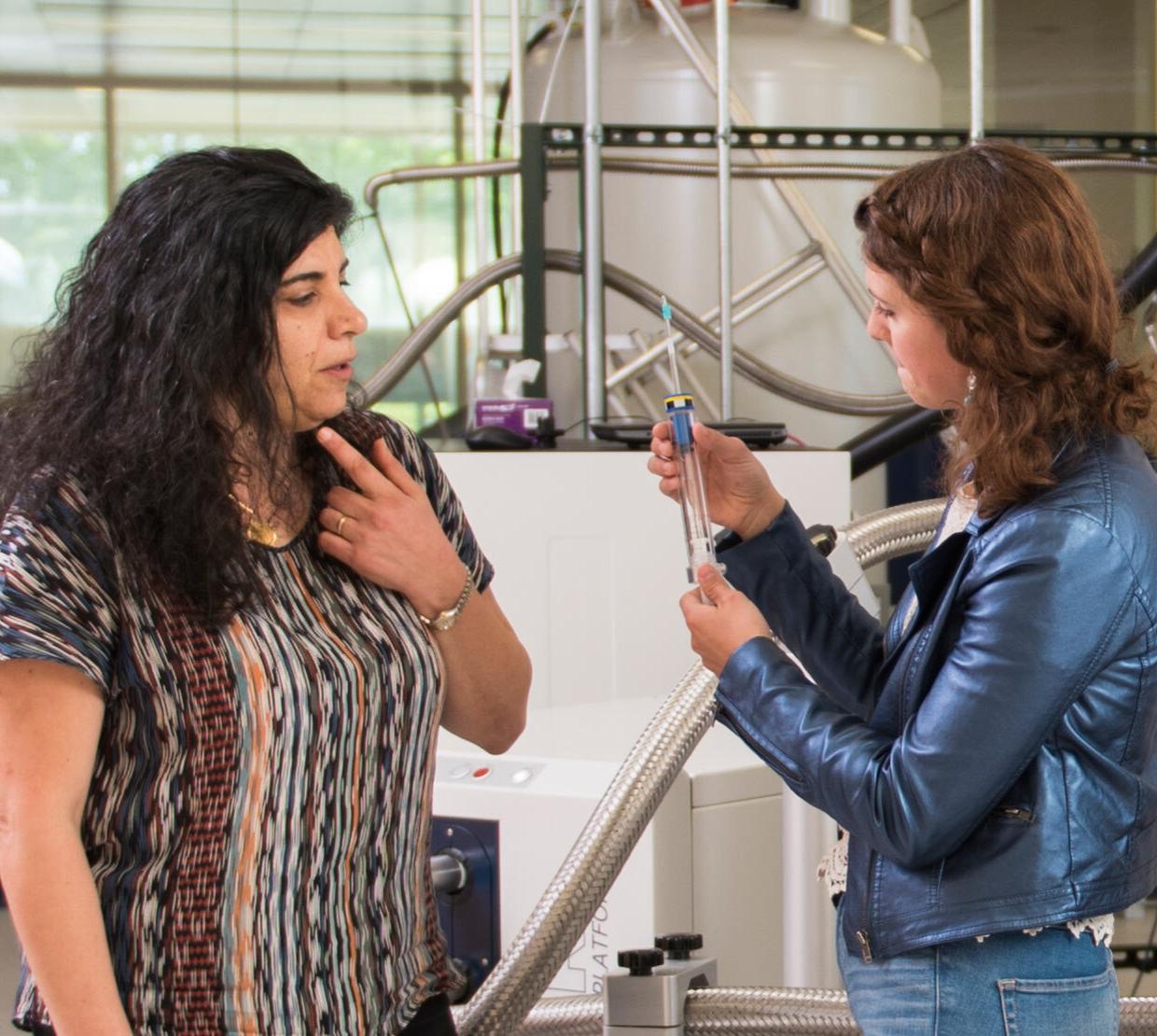
Biochemistry Professor Elisar Barbar in her lab.

In recognition of the International Day of Women and Girls in Science, held on February 11, we acknowledge the women faculty, students and alumnae of the OSU College of Science. The world’s population is 50% women, and yet only 30% of scientists identify as women.

“Women and girls represent half of the world’s population and, therefore, also half of its potential. Gender equality, besides being a fundamental human right, is essential to achieve peaceful societies, with full human potential and sustainable development.” (Source: https://www.un.org/en/observances/women-and-girls-in-science-day)

The UN main event will take place online. Additionally, the 6th International Day of Women and Girls in Science Assembly will be held at the United Nations Headquarters virtually.

The UN theme for 2021 is “Women Scientists at the forefront of the fight against COVID-19”. The COVID-19 pandemic has disproportionately affected women academics, including women scientists, who may face significant career damage, extending the gender gap in science and highlighting unequal effects and existing systemic inequities. In fact, if we are to learn from past pandemics, women are most affected by pandemics.

The Association for Women in Mathematics (AWM) endorsed an open letter, published by the European Women in Mathematics which emphasized the unequal effects of this pandemic on all women academics, especially untenured women and caregivers. They offered suggestions for universities, government and funding agencies to proactively support their most vulnerable populations.

"We did not experience the crisis equally. Untenured faculty lost more. Women lost more. Caregivers lost more. The more vulnerable the population, the greater the disadvantage. No one chooses a pandemic, but now we can choose how to respond." -- the EWM Standing Committee and the EWM Working Group on the Corona Crisis

It is also important to recognize that we cannot fold the experiences of all women into one. Covid-19 has its deadliest effects at crossroads of differing axes of oppression. To meaningfully address issues of equity and inclusion requires that we respond to the unequal effects at the intersections of race & ethnicity, gender, socioeconomic status, disability, sexual orientation, among other social axes of oppression.

And yet, women have made critical contributions to understanding and combating the virus and mitigating its effects on disadvantaged populations.

During this International day of Women and Girls in Science, we take the opportunity to highlight the contributions of OSU College of Science women, both alumnae and current faculty and students, to the fight against Covid-19.

Science faculty, students and alumnae making a difference

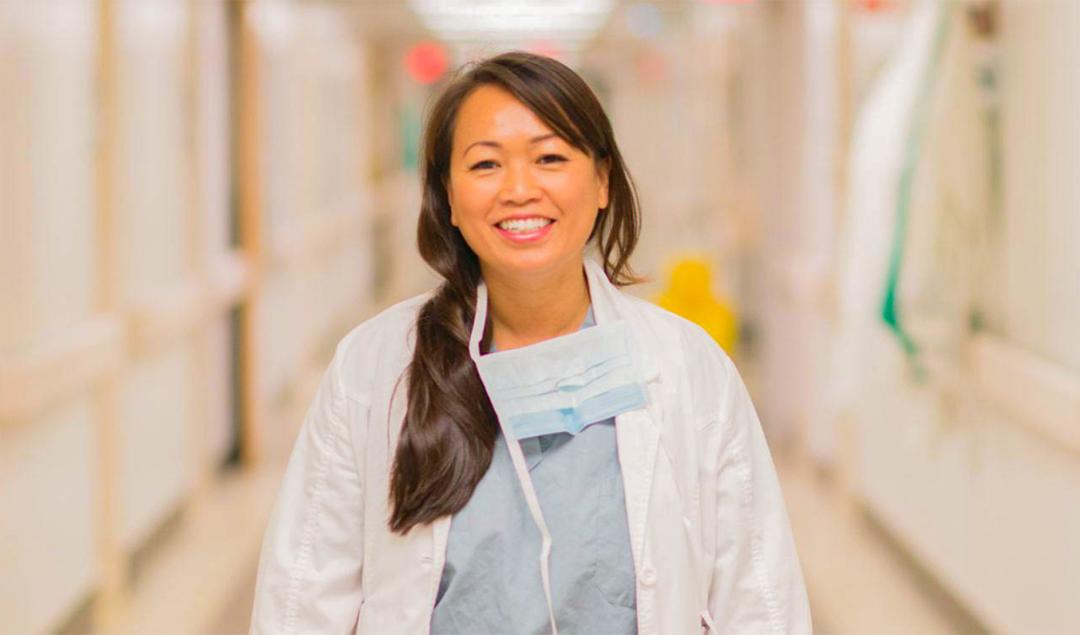
Dr. SreyRam Kuy

Dr. SreyRam Kuy

Dr. SreyRam Kuy (Microbiology '00) was honored with a 2020 Alumni Fellows Award (as an OSU Honors College nominee) at the OSU Alumni Association’s awards virtual ceremony on October 20, 2020. The award recognizes eminent alumni who have distinguished themselves in their professions and communities. Kuy is a practicing general surgeon, healthcare executive and quality improvement researcher. She currently serves as Deputy Chief Medical Officer for the Veterans Affairs Medical Center in Houston, Texas and is a professor at the Baylor College of Medicine.

As the Covid-19 pandemic emerged, Kuy developed a Covid-19 Preparation Tool to help healthcare facilities, businesses and communities rapidly gauge their preparedness for the outbreak, identify areas of weakness and strategically target resources for their greatest impact. She partnered with industry to deploy the free tool widely.

"I had such amazing support at OSU. My teachers and advisers took genuine interest in me and helped and encouraged me. It was a pivotal point in my life that helped me get into medical school and become a doctor,” — SreyRam Kuy

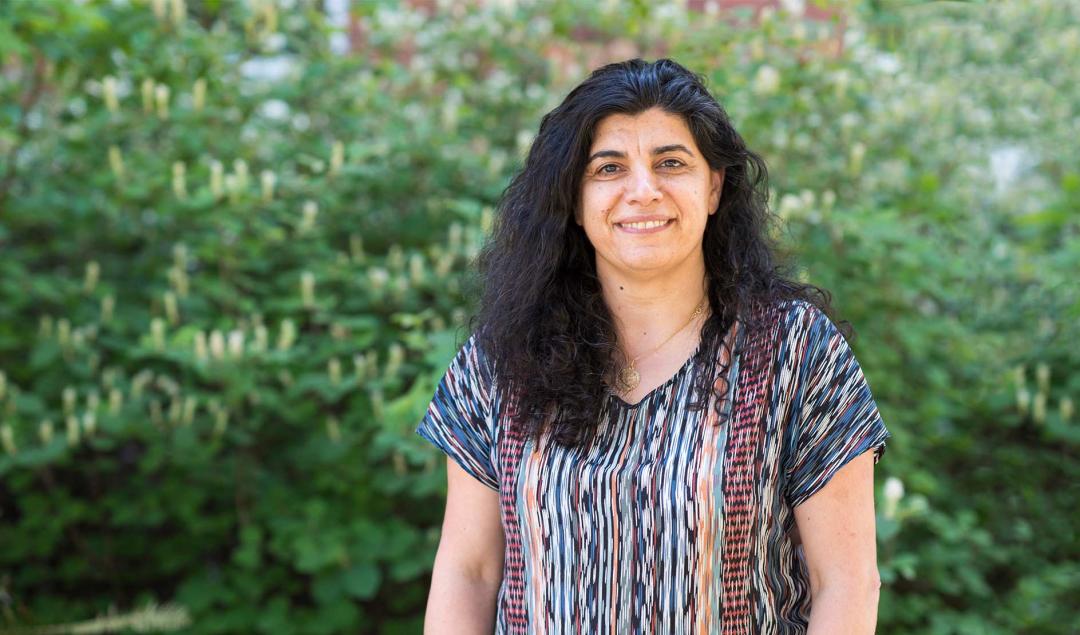
Elisar Barbar

Biochemistry Professor Elisar Barbar

Elisar Barbar, professor and head of the Department of Biophysics and Biochemistry, has received a two-year $300,000 grant from the National Science Foundation to pursue research on the SARS-CoV-2, the novel coronavirus that causes Covid-19. The research project is aimed at understanding how the N-protein of the SARS-CoV-2 performs its essential functions in viral infection and transmission.

The award was made by the NSF EAGER (Early-Concept Grants for Exploratory Research) program, which supports new, exploratory and potentially transformative research ideas or approaches that involve the application of new expertise and novel disciplinary or interdisciplinary perspectives.

“My lab is one of the few labs in the world that works on disordered proteins in viruses using NMR (Nuclear Magnetic Resonance Spectroscopy). This is an opportunity for us to lead and make an impact. We cannot afford to be spectators." — Elisar Barbar

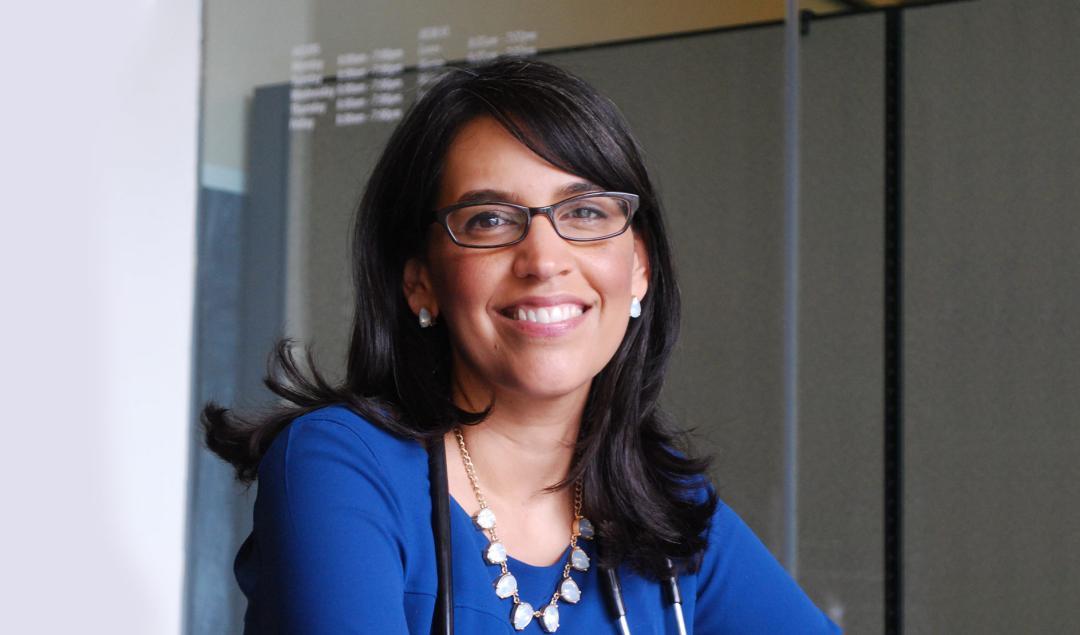
Dr. Eva Galvez

Dr. Eva Galvez

Dr. Eva Galvez (Biology ’99), a family physician at the Virginia Garcia Memorial Health Center, was honored with the 2020 Alumni Fellows Award

The daughter of immigrants, Galvez and her twin sister, Olivia, graduated from the College of Science’s biology program and went on to pursue careers in medicine. Galvez regularly speaks on panels to educate the public around health disparities. During the COVID-19 pandemic, Galvez has become a vocal advocate for mitigating health risks for Oregon’s seasonal farm workers and has addressed the Select Subcommittee on the Coronavirus Crisis in the House of Representatives.

"Much of our society has this belief that health is something that we have control over — that if we as individuals can just eat the right food and exercise the right amount and take the right medications you will be healthy. ... The reality is only about 20% of our health is determined by healthcare and our individual choice. And the rest is shaped by social factors, otherwise known as social determinants of health, and those include cultural beliefs and your values.” — Eva Galvez

Carrie Manore

Mathematics alumna Carrie Manore

Mathematics alumna Carrie Manore (Ph.D. ’11) is at Los Alamos National Laboratory working as part of the Covid-19 modeling team. Manore is a mathematical epidemiologist in the Information Systems and Modeling Group at LANL since 2013. Her work focuses on modeling mosquito-borne diseases such as Zika, chikungunya, dengue and West Nile virus. The LANL Covid-19 forecasts are part of the modeling New Mexico Department of Health officials have been using since April to prepare for and tackle the Covid-19 outbreak.

The ongoing Covid-19 pandemic has placed mathematical models in the spotlight as they have become central to public health interventions, planning, resource allocation and forecasts. OSU mathematics alumni have made important contributions to Covid-19 modeling and research at both national and regional levels.

"I got a really strong background in math at OSU, which not only helped me acquire mathematical skills, but also a way of thinking. It prepared me to work on real problems in the world like I am doing now.” — Carrie Manore

Rachael Aber

Integrative Biology graduate student Rachael Aber

Rachael Aber, Integrative Biology graduate student, has been involved in the TRACE-COVID project that involves door-to-door community surveillance to gather the information that is essential to slowing the spread and minimizing the impact of the disease. She recently spoke at the ARCS Foundation Virtual Event - Science is the Solution about her experiences. She talked about the importance of scientists interacting with the public. Aber received the ARCS Foundation Oregon Chapter Scholar Award.

She was drawn to the Department of Integrative Biology because of its strong tradition of support for interdisciplinary approaches to urgent research questions. She hopes to focus her doctoral research on investigating issues at the intersection of disease ecology and population biology in the lab of Benjamin Dalziel.

“Working in a lab that employs methods from various fields of study will be invaluable to my progress as a science professional.” — Rachael Aber

Elizanette Lopez

Microbiology graduate student Elizanette Lopez

Recent microbiology master’s program graduate Elizanette ‘Nette’ Lopez (Microbiology, M.S. '20) was selected to participate in the Oak Ridge Institute for Science and Education (ORISE) Fellowship program. Lopez was offered a position at the Center for Disease and Control (CDC) Biorepository in Lawrenceville, Georgia.

Her graduate studies were partly funded by a diversity grant from the NIH. During her time at OSU, Lopez advocated for underrepresented minorities and was an active member of the Microbiology Graduate Student Association, Ethnic Minorities United in STEM and a founding member of the Women of Color Caucus. Toward the end of her graduate studies, the COVID-19 pandemic caused widespread disruptions globally. However, the crisis also provided an opportunity for Lopez to gain experience in public health microbiology as a volunteer for the TRACE-COVID-19 project.

As a volunteer, Lopez helped process thousands of swab samples collected from participants in the field. As an ORISE Fellowship recipient, Lopez will soon process SARS-CoV-2 samples and help organize other collections in the biorepository in Atlanta, Georgia.

Katherine McLaughlin

OSU statistician Katherine McLaughlin

Katie McLaughlin is an assistant professor of statistics and co-Principal Investigator of the TRACE-COVID-19 project. McLaughlin is an applied statistician specializing in sampling methodology and social network analysis, particularly for hidden populations at high risk for infectious diseases. The pandemic has led to volumes of data which require statistical interpretation. The data gathered and analyzed by TRACE researchers provide important guidance for local and state officials deciding which public health actions make the most sense in protecting their communities.

“Thanks to all of the support we continue to receive, and thanks to Oregon State’s overarching spirit of collaboration and service, we’re able to play a key role in helping communities stay safe.” — Katie McLaughlin

In addition to the International Day of Women and Girls in Science this month, the International Women’s Day is on March 8, 2021. The UN announced the theme for 2021 is “Women in Leadership: Achieving an equal future in a COVID-19 world”, which is aligned with the priority theme of the 65th session of the Commission on the Status of Women, and calls for the full participation of women, gender equality, elimination of violence against and empowerment for all women and girls. Activities planned around this event will be announced.

Students use a variety of tools to conduct their summer research.

Summer fellowships awarded to exceptional science students

By Mary Hare

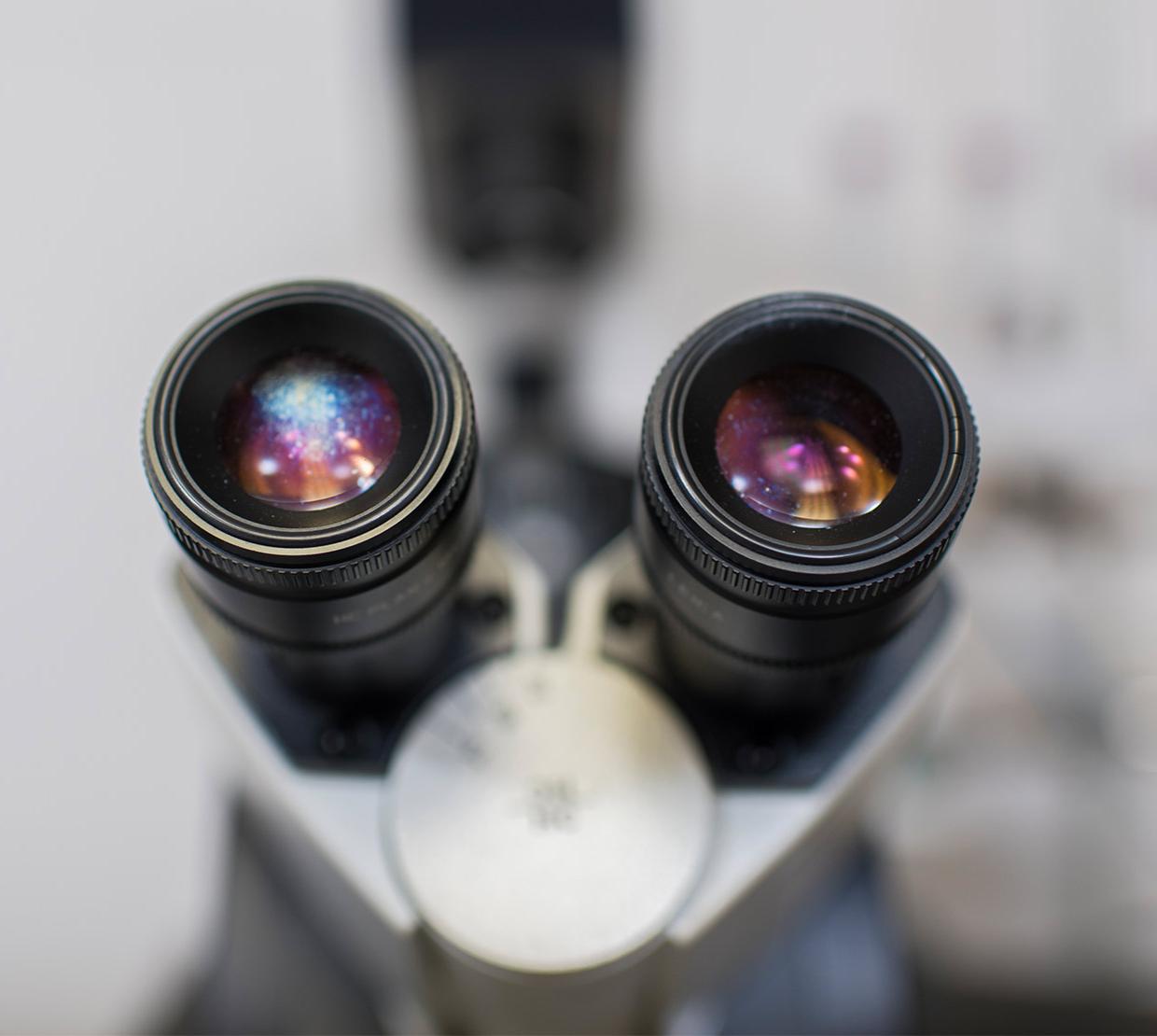
SURE Scholars use a variety of technology to fulfil their research goals, including light microscopes.

The College of Science is proud to announce that 41 science students – a record number – have received summer undergraduate research awards that will provide the opportunity and funding to pursue their research ambitions.

Undergraduate research often plays an instrumental role in developing student-faculty relationships that help students learn and grow beyond the scope of the classroom. For many OSU students, these awards provide the financial leverage to work in the field they are passionate about without being constrained to jobs that simply pay the bills.

The Summer Undergraduate Research Experience (SURE) award is available to all science students who meet the academic requirements. Participants are paid for 11 weeks of full-time research, or 440 hours, for a maximum of $5060. Awardees also receive an additional $500 for research expenses, including travel costs, materials or equipment rental.

This is also the second year that the Department of Integrative Biology offered the Alexei Lubchenco Menge Fellowship, which was awarded to Lily Miksell to support her research examining the interactions of dominant foundation species in Oregon rocky intertidal communities under the guidance of integrative biology professor Sally Hacker. The fellowship was established in memory of Alexei Lubchenco Menge, who died at age 27 in 2005. The award seeks to help one student each year within the department who exemplifies the deep love of the ocean that Lubchenco Menge personified.

SURE science awards are made possible by generous donations of College of Science alumni, faculty and supporters.

The COVID-19 pandemic has led to come changes in the SURE science program in 2020. Due to COVID-19 restrictions limiting access to laboratory space at Oregon State University, the deadline for completing SURE scholar research projects was extended to May 2021. Some students have projects that can be done entirely remotely and will complete and present their findings by the end of the summer. Some of the students below are able to work on their projects in OSU labs this summer, following OSU and Oregon Health Authority safety guidelines. For the majority of this year's awardees, the extended timeframe will allow them an opportunity to continue their research safely throughout the school year while gaining research experience.

SURE Science Scholars

Juan Altamira | Chemistry | Vince Remcho

Analysis of Explosive Compounds via Paper Microfluidic Device

Roy Anderson | Biology | Bruce Menge

Examining the Effects of Upwelling Intensity and Recruitment Limitation on Successional Trajectories in the California Current Large Marine Ecosystem

Thao Mi Anthony | BioHealth Sciences | Kyriakos Stylianou

Implication of Metal Organic Framework with Nanoparticle Composites to Deliver Medication

John Barnes | Biology | Felipe Barreto

Quantity and Quality of DNA extracted from dry vs. alcohol preserved samples of China rockfish

Elizaveta ‘Leeza’ Bliznyuk | BioHealth Sciences | Dylan Nelson

Targeting Mycobacterium abscessus pre-existing biofilms

Madeline Bloom | Chemistry | Claudia Maier

Microchip-MS Optimization of Oxylipins Analysis as a Biomarker for Cardiovascular Disease

Elizabeth Brennan | Microbiology | Stephen Giovannoni

Plankton Need Their Vitamins: Vitamin B1 Excretion by Marine Synechecoccus

Russell Campbell | Zoology | Robert Mason

Integrative Biology Collections Management

Dustin Campbell | Zoology | Robert Mason

Sexual Dimorphic growth of Harderian glands in Thamnophis sirtalis

Emily Gemmill | Biochemistry & Molecular Biology | Weihong Qiu

Keeping up with the kinesins: analyzing regulatory proteins and their effects on the motility of KlpA, a kinesin-14 motor protein

Jessica Giulietti | Biology | Patrick Chappell

Exploring regulation of osteosarcoma in vitro: Mechanisms of RANKL production by autocrine neuropeptides

Dylan Gregory | Biology | Virginia Weis

Using the Split Luciferase Complementation Assay to Identify Protein-Protein Interactions In Cnidarian-Algal Symbiosis

Joshua Griffis | Biochemistry & Molecular Biology | Richard Cooley

Optimized Phosphoserine tRNA Selection

Shelby Hansen | Biology | Brittany Poirson

How is a young mussel's life affected by coastal water conditions?

Joshua Havelind | Biology | Francis Chan

Effect of rising temperature in the ocean on Dungeness Crabs

Toren Ikea-Mario | Biochemistry & Molecular Biology | Tory Hagen

Glutathiones effect on Mitochondrial Decay

Rohal Kakepoto | Physics | Janet Tate

Hall Measurements of TiO2 Polymorphs

Rony Koluda | Chemistry | Claudia Maier

Low Dose Radiation Effect on Myelination -Associated Proteins in Mice

Chapman Kuykendall | Biochemistry & Molecular Biology | Colin Johnson

Characterizing the Biophysical Interactions between Dysferlin C2A and the H3 Helix of Syntaxin-4

Dustin Campbell | Biochemistry & Molecular Biology | Massimo Bionaz

In vivo-in vitro dose-effect response of bovine liver to rumen-protected fatty acids: implementation of a nutrigenomic approach in dairy cows

Jessica Li | Chemistry | Jan Stevens

The effects of xanthohumol on gut microbial metabolism

Maya Livni | Biochemistry & Molecular Biology | Maude David

Unraveling the impact of the gut microbiota metabolites on intestinal sensory neuronal cells and how EECs transduce signals to the brain by forming a synapse with the vagus nerve

Ruben Lopez | BioHealth Sciences | Bo Sun

Quantifying ECM Remodeling by Invasive Tumors

Christopher Markgraf | Biochemistry & Molecular Biology | Susanne Brander

Immortalization and Validation of Inland Silverside Cardiomyocytes, Hepatocytes, and Osteoblasts

Saki Nakai | Mathematics | Vrushali Bokil

Mathematical Modeling of Bipolar Disorder

Hunter Nelson | Physics | Tuan Pham

Blowup of Reaction Diffusion Equations

Jacob North | Biochemistry |Victor Hsu

Elucidating binding features of drug targets to Farnesoid X receptor by unsupervised machine learning of molecular dynamics trajectories

Sarah Olson | Microbiology | Frederick Colwell

Investigating Changes in the Microbiome of North Creek

Reina Paez | Biochemistry & Molecular Biology | Lia Danelishvili

Identifying and Purifying Non-Tuberculosis Mycobacterial Surface Antigens for the Purpose of Inducing Trained Immune Responses in Macrophages

Aneila Parra | Biology | Jiraporn Lueangsakulthai and David Dallas

Premature vs. Term Infant Milk Protein Digestome

Jacob Rauenhorst | Chemistry | Kathy Magnusson

Effects of ibuprofen on NMDA receptor expression and contribution

Alan Schultz | Physics |Hoewoon Kim

The Linearized Navier-Stokes Equations Solved on the Sphere by Fourier Transform Method

Rhea Sellitto | Biology | James Rivers

Evaluating the nutritional landscape for wild bees in managed conifer forests

Anna Sung |BioHealth Sciences| Maria Franco

Role of Redox Signaling in Development and Growth of Tumors of the Nervous System

Savannah Taggard | Biology | Molly Burke

The evolution of RoundUp resistance in the yeast Saccharomyces cerevisiae

Jessica Waymire | Physics | Matt Graham

Hyperspectral Fluorescence Imaging of Twisted Bilayer Graphene

Kaytlin Wearne | Biochemistry & Molecular Biology | Kenton Hokanson

The Effects of hsp90 on p2x7 on Human ALS Neurons

Devin Wright | Biochemistry & Molecular Biology | Michael Freitag

Zymoseptoria Tritici Mutation Accumulation Experiment

Elizaveta "Lisa" Zhivaya | Biochemistry & Biophysics | Maude David

Impact of the gut microbiota metabolites on the autism phenotype modulation
Elisar J. Barbar

Elisar J. Barbar

Subscribe to Biochemistry & Biophysics