Events

Events

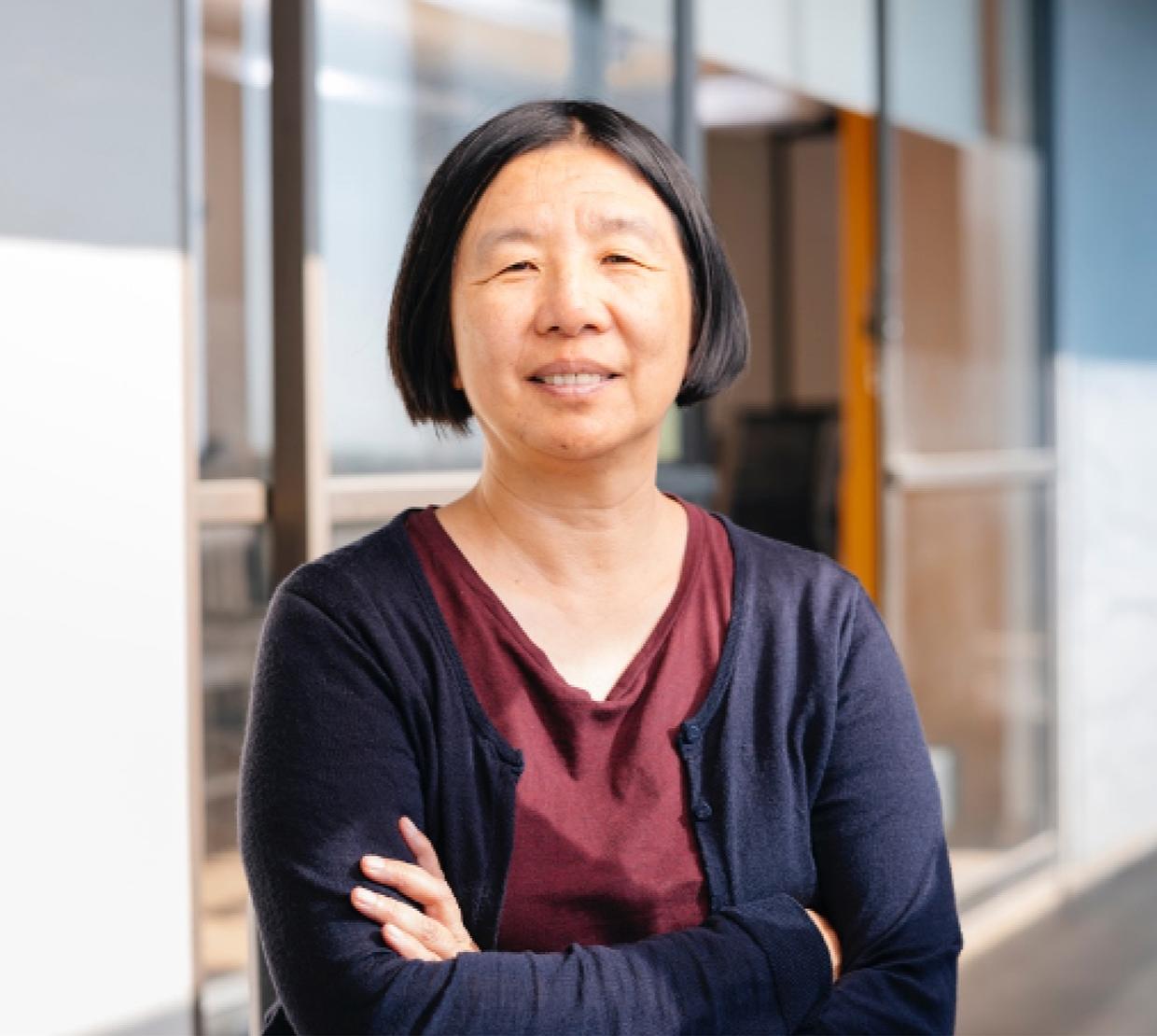
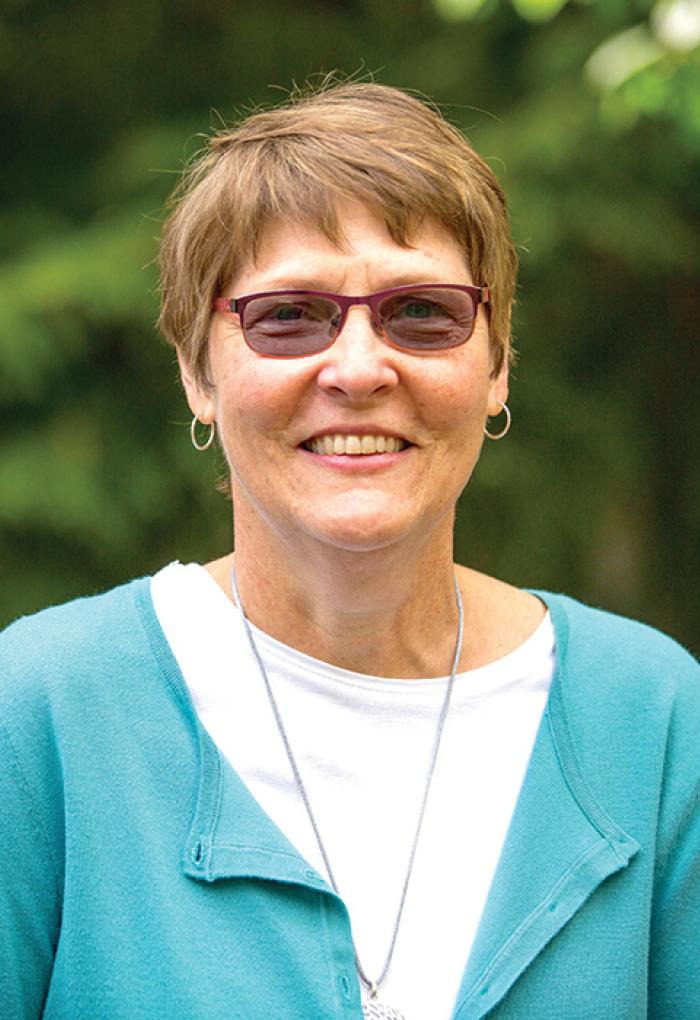
Photo of Dr. Annie Qu: Woman with short hair and glasses, smiling and wearing white collared shirt and blazer.

Nereo Lecture 2026: Annie Qu to address challenges in heterogeneous datasets

By Arie Henry

The Department of Statistics is launching the Val Nereo Lecture Series, open to the public, students, staff, faculty and statistics lovers in the OSU community. The inaugural guest speaker is Annie Qu, professor in the Department of Statistics and Applied Probability, at University of California, Santa Barbara.

In the era of big data, large-scale, multi-modal datasets are increasingly ubiquitous, offering unprecedented opportunities for predictive modeling and scientific discovery.

However, these datasets often exhibit complex heterogeneity, such as covariate shift, posterior drift and missing modalities, which can hinder the accuracy of existing prediction algorithms.

In her lecture, Qu will describe how she and her research team are addressing these challenges by proposing a novel Representation Retrieval (R2) framework.

Inaugural Val Nereo Lecture: "Representation Retrieval Learning for Heterogeneous Data Integration"

Date: Monday, Feb. 16, 2026
Time: Reception from 3 to 4 p.m.; Lecture begins at 4 p.m.
Location: Reception held in Weniger 245; Lecture held in Weniger 151

The R2 framework integrates a representation learning module (the "representer") with a sparsity-induced machine learning model (the "learner"). Qu and her team introduce the notion of “integrativeness” for representers, characterized by the effective data sources used in learning representers, and propose a Selective Integration Penalty (SIP) to explicitly improve the property.

Theoretically, her team demonstrates that the R2 framework relaxes the conventional full-sharing assumption in multi-task learning, allowing for partially shared structures, and that SIP can improve the convergence rate of the excess risk bound.

Extensive simulation studies validate the empirical performance of the team's framework, and applications to two real-world datasets further confirm its superiority over existing approaches.

About the speaker: Annie Qu

Annie Qu is a professor in the Department of Statistics and Applied Probability at the University of California, Santa Barbara. She received her Ph.D. in Statistics from the Pennsylvania State University in 1998. Dr. Qu was a faculty member in Oregon State University's Department of Statistics from 1999 to 2008. She went on to become a Data Science Founder Professor of Statistics and the Director of the Illinois Statistics Office at the University of Illinois at Urbana-Champaign during her tenure in 2008-2019, and Chancellor's Professor at UC Irvine in 2020-2025.

Qu’s research focuses on solving fundamental issues regarding structured and unstructured large-scale data and developing cutting-edge statistical methods and theory in machine learning and algorithms for personalized medicine, text mining, recommender systems, medical imaging data and network data analyses for complex heterogeneous data.

She was a recipient of the NSF Career award from 2004 to 2009. She is a Fellow of the Institute of Mathematical Statistics (IMS), the American Statistical Association and the American Association for the Advancement of Science. Qu was also a recipient of IMS Medallion Award and Lecturer in 2024. She currently serves as Journal of the American Statistical Association Theory and Methods Co-Editor from 2023 to 2025, IMS Program Secretary from 2021 to 2027 and ASA Council of Sections of Governing Board Chair in 2025. She is also the recipient of the 2025 Carver Medal of IMS.


The Val Nereo Lecture Series is made possible through a generous gift from the Val Nereo Women in Applied Statistics Endowed Fund. This series is dedicated to highlighting the work of leading women in statistics and data science, with the goal of inspiring students and scholars — especially women — in our department and broader community.


Read more stories about: events, women in science, statistics


Colorful waves move across the screen in greens and purples, illustrating thinking patterns

Milne Lecture: "From bits to bots: a mathematical perspective on generative AI"

By College of Science

Artificial intelligence is transforming the world—but how did we get here, and where are we going next?

Together, the College of Science Departments of Mathematics and Statistics, the College of Engineering Computer Science program and the Oregon State Center for Quantitative Life Sciences present the 2025 Milne Lecture.

Join us to hear Rachel Ward, an applied mathematician known for her work on machine learning, optimization and signal processing from the University of Texas at Austin and Microsoft Research, share a talk titled,

“From bits to bots: a mathematical perspective on generative AI.”

Data science and machine learning have undergone profound transformations in recent years, driven by the exponential growth of computational power and available data. In this talk, Ward will discuss the evolution from signal processing over half a century ago to the rise of machine learning and generative AI, highlighting mathematical foundations such as information theory, probability, linear algebra, and optimization. While modern AI research is becoming more empirical in recent years, we finish by highlighting open questions and directions where mathematicians and scientists are crucial for making foundational advancements.

When: Monday, June 2, 4–5 p.m. with a short reception beforehand

Where: OSU Corvallis, Cordley Hall, Room 1316

Whether you're studying STEM, already immersed in the field, curious about AI, or passionate about the future of technology, this lecture offers a compelling look at the science and mathematical principles behind the algorithms—and the opportunities ahead.

An audience listening intently to a speaker at the podium.

Conferences boost career prospects for statistics and data science students

By Kaitlyn Hornbuckle

Liza Levina from University of Michigan and other speakers arrived from universities all around the country, including Harvard University, Rice University, Columbia University, Yale University, Cambridge University, and more.

For statistics students at Oregon State University, it's not unheard of to land a job after attending a conference. That’s how Oregon State alumna Chenyang Duan (Ph.D. Statistics, ‘23) landed a full-time position as senior statistician at AbbVie, one of the top pharmaceutical companies in the world. All it took was an in-person interview at Joint Statistical Meetings (JSM), the largest gathering of statisticians and data scientists in North America.

Like Duan, statistics students plotting their way to success have a wide array of conferences to explore. Each year, students ‘get their foot in the door’ and advance their career by speaking with industry leaders, connecting with researchers, presenting posters, and meeting other passionate peers.

This Dam Proud Day, you can help students access those same life-changing opportunities. By making a gift to the Supporting Statistics Student Travel Fund, you’ll help cover travel costs so students can attend major conferences like the JSM. Give now to support the next generation of statistical leaders.

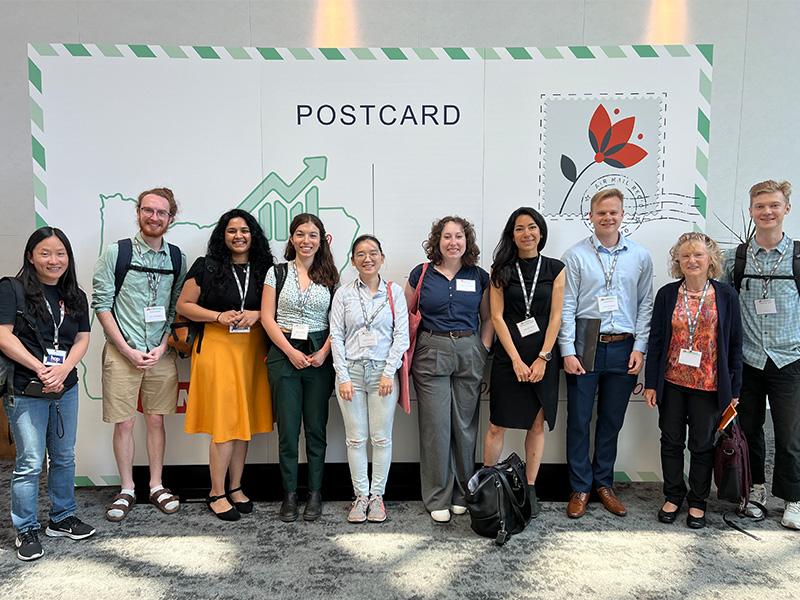
Oregon State statistics faculty and students at the JSM in front of a giant mural of a postcard.

Statistics students and faculty explore and make connections at the Joint Statistical Meetings in Portland, OR 2024.

Collaborating with experts and making new connections

Conferences open doors to job opportunities in industry, research collaborations in academia, mentorships, and even future grant panel members, which are extremely valuable after completing graduate school. When it comes to attending JSM, there’s an additional benefit.

By using JSM’s online Career Service portal, students can click a button that sends their resume to every company attending the conference. Even better, interviews with recruiters can be scheduled in advance. Students can find these invitations by routinely checking the portal’s inbox. For Duan, she received 12 interview requests.

Thanks to these interviews, students have a chance to shine. “The interviews are pretty short, so make sure to remember the details on your resume and clearly explain the purpose, motivation, challenges and results of your research to help the hiring managers better understand your work,” Duan said. “That’s how I found my job!”

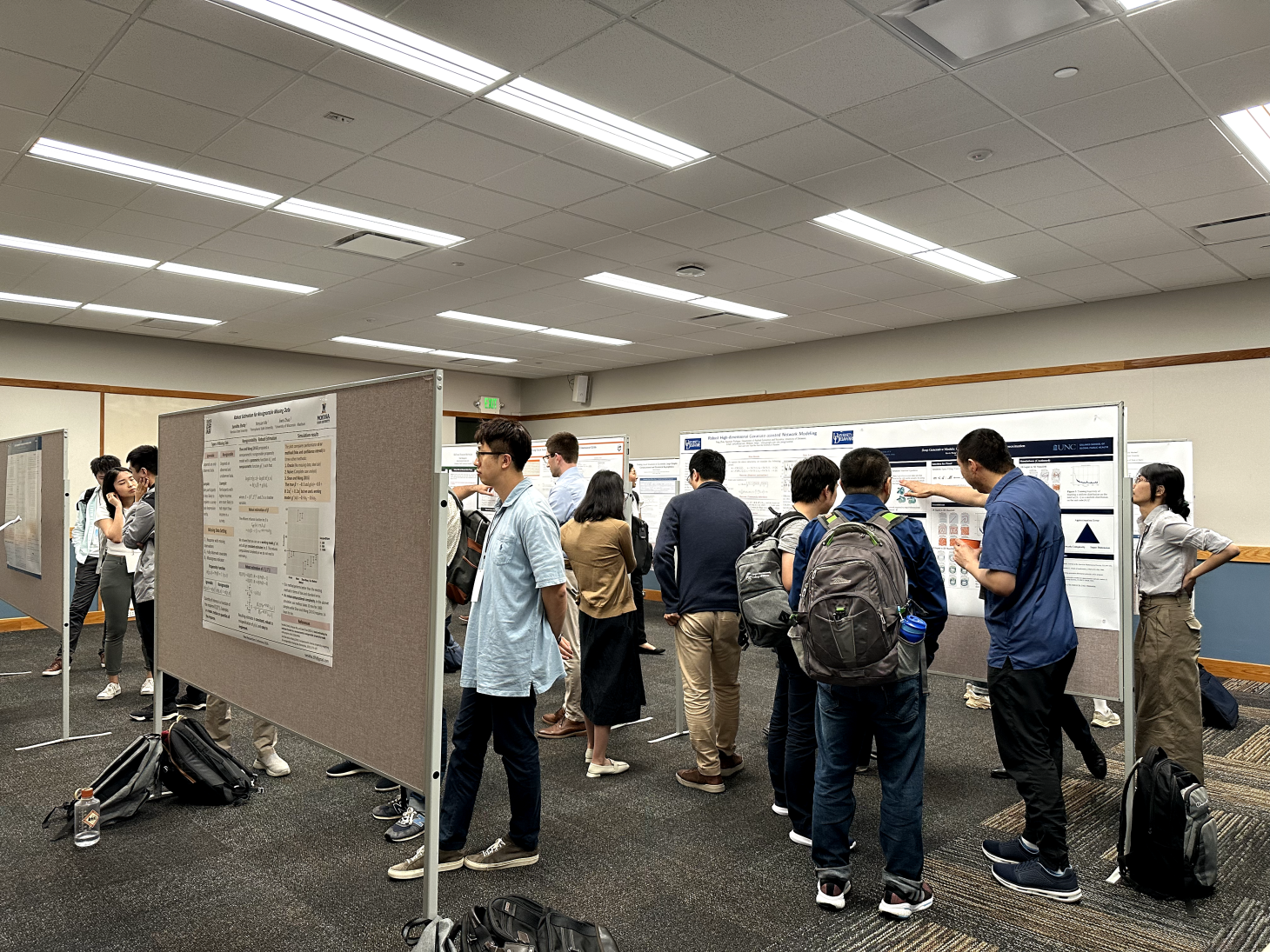
A group of students peruse the posters at the New Researchers Conference in Corvallis, OR.

Students attend and present their research at the New Researchers Conference in 2024.

This streamlined process helps students focus on expressing themselves through public speaking rather than worrying about handing out as many resume copies as possible.

Duan’s advice for students wanting to connect with professionals? Find something in common. It can be as simple as asking to chat over dinner because you graduated from the same university. “Most people are very willing to speak with alumni, and they might introduce you to more people, so that’s a great way to make connections at conferences,” she said. “You can also invite hiring managers to attend your presentation and speak with them there.”

Making the most of opportunities

In statistics and data science, there is a vibrant community full of opportunities for passionate learners. “Going to conferences helps you do better research, look for better jobs and have a better outcome, no matter what career you choose to have,” said Yuan Jiang, statistics associate professor and co-director of graduate studies.

Jiang co-organized the New Researchers Conference (NRC), which is always held shortly before JSM. Last year, students could attend both conferences in the same summer, meaning a chance to make double the connections without traveling far from home.

Two men finding all the necessary ingredients for tacos at a long black table full of food.

Attendees assemble yummy tacos before mingling with faculty and students at the 2024 New Researchers Conference.

Other annual conferences like the Eastern North American Region (ENAR) and the Western North American Region (WNAR) of the International Biometric Society are other options for professional networking and developing, especially in biostatistics.

“There are two ways to look for a job. You can apply by yourself to as many companies as possible or have an internal referral. I would say that if you are being recommended by someone, the success rate of landing a job is probably much higher,” Jiang said.

The College of Science offers various resources to help students expand their network both locally and around the world, even if they’ve never been to a conference before. The College of Science Student Travel Award is available for both undergraduate and graduate students. The Department of Statistics offers professional travel awards up to $1000 each academic year for graduate students who travel to regional, national or international conferences to present a paper or poster.

“Different people have different personalities. But no matter what, networking is important,” Jiang said. “Going to conferences is an integral tool to get to know people, whether you want to go to industry or academia. When people can know you in person, that gives them a more direct impression about who you are.”

Panelists intrigue a sizable audience of attendees at the 2024 New Researchers Conference.

A variety of panelists speak with attendees at the 2024 New Researchers Conference.

Orange background with graphics of mini research posters.

Celebrating graduate research at the College of Science

By Hannah Ashton

Graduate Research Showcase

Graduate students at the College of Science are conducting crucial research that addresses critical challenges and benefits both local communities and the broader world.

To celebrate their accomplishments, the College will be hosting the inaugural Graduate Science Research Showcase from 11:30 a.m. to 2:30 p.m. on Friday, May 16, 2025 in the Memorial Union Horizon Room.

Click here to RSVP!


This event offers a glimpse into the future of science featuring graduate research presentations, a poster session and a keynote address from renowned alumnus Jonathan Gallion, vice president of Artificial Intelligence and Machine Learning for OmniScience.

Gallion, recipient of the College's 2024 Early Career Award, earned dual Honors bachelor's degrees in biochemistry and biophysics, and microbiology in 2012. His career began with an internship at SIGA Technologies, where he programmed robots to screen chemical compounds for antiviral medicines. At OmniScience, Gallion and his team utilize large language models to enhance clinical trial outcomes and improve human health. Their work accelerates decision-making and transforms data analysis in biotech, medtech, pharmaceutical and preclinical innovation. Rather than replace human expertise, their AI tools are designed to compliment it.

Schedule of Events

12 p.m.

Lunch

12:20 p.m.

Welcome from Executive Associate Dean Vrushali Bokil and Dean's Remarks from College of Science Dean Eleanor Feingold.


12:30 p.m.

Keynote speech from alumnus Jonathan Gallion, V.P. of Artificial Intelligence and Machine Learning for OmniScience.

Keynote Talk Title - Beyond Automation: Agentic AI and the New Frontier of Life Science Innovation

Abstract: Artificial intelligence in the life sciences is moving beyond automation into a new frontier defined by agentic systems—AI tools capable of reasoning, planning, and autonomous action. As these AI agents continue to evolve from tools to collaborators, life scientists will need to rethink how we generate hypotheses, design experiments, interpret data, and generate insights. This keynote will examine how agentic AI is already transforming decision-making and accelerating innovation within clinical trial development and offer a perspective on how domain experts can adapt and lead at the intersection of scientific expertise and intelligent automation through AI.


1 - 2:30 p.m.

Five minute research presentations and dessert, followed by a poster session, showcasing the diverse research conducted across the seven departments in the College of Science. The session will highlight how Science graduate students are participating and contributing to this valuable research.

Presenters include:

Oluwasen Adu (Integrative Biology)
Advisor: Michael Blouin
Talk title: Genome Wide Association Study of Biomphalaria glabrata snail and its Schistosome Parasite

Vera Alenicheva (Chemistry)
Advisor: Vincent Remcho
Talk title: A Microfluidic Paper-Based Assay for the Quantification of CBD and THC

Lucas Allan (Chemistry)
Advisor: Tim Zuehlsdorff
Talk title: FC2DES: Modeling 2D Electronic Spectroscopy for Harmonic Hamiltonians

Hallee Boyd (Chemistry)
Advisor: May Nyman
Talk title: Characterization of Trivalent Lanthanide Keggin Phosphomolybdate Sandwich Clusters

Daniel Malone Buoy (Statistics)
Advisor: Claudio Fuentes / Sarah Emerson
Talk title: Representative Sampling Methods for K-Fold Cross Validation

Olivia Burleigh (Integrative Biology)
Advisor: Virginia Weis
Talk title: Transcription Factor-targeted ChIP-Seq for Smad3-mediated TGF-β Signaling in Heat-stressed Aiptasia

Jun Cai (Integrative Biology)
Advisor: Virginia Weis
Talk title: Effect of Sphingolipid Metabolic Pathway Inhibition and Knockdown on Cnidarian-Algal Symbiosis

Giovanni Crestani (Integrative Biology, Ph.D.)
Advisor: Molly Burke
Talk title: Genomics of experimentally-evolved postponed reproduction in Drosophila melanogaster

Ushasi Datta (Chemistry)
Advisor: Marilyn Mackiewicz
Talk title: Unveiling the Hidden Properties: How Nanomaterial Surface Chemistry and Biomimetic Systems Shape Reflectance and Contrast

Konstantin Drallios (Chemistry)
Advisor: Thomas Osborn Popp
Talk title: 3D Printable Radiofrequency Coils

Rudranil Dutta (Chemistry)
Advisor: Claudia Maier
Talk title: Identification and Quantitation of Bioactive Alkaloids in Withania Somnifera

Arpa Ebrahimi (Chemistry)
Advisor: Claudia Maier
Talk title: Characterizing the Lipidomic and Proteomic Profile of the 5xFAD Alzheimer’s Disease Mouse Model: A Comparative Study Using MALDI Imaging Mass Spectrometry

Jessica Etter (Chemistry)
Advisor: Claudia Maier
Talk title: LC-QTOF and LC-TIMS-qQTOF MS Analysis of Fecal Inoculum Biotransformation Products and LC-MRM-MS Analysis of Human Withanolide Pharmacokinetics of an Ashwagandha Supplement

Caroline Hernandez (Microbiology)
Advisor: Maude David
Talk title: Whole-Cell Crosslinking Reveals Direct Lactobacillaceae and Rhizobiaceae Interactions with Host Duodenal Neuropods

Esteban Hernandez (Chemistry)
Advisor: Jennifer Field
Talk title: Experimental pKa Values of Substituted and Unsubstituted Perfluoroalkyl Sulfonamides via 19F NMR

Lucas Kolanz (Physics)
Advisor: Davide Lazzati
Talk title: Cosmic dust bunnies

Weiqi ‘Grace’ Li (Statistics)
Advisor: Yuan Jiang
Talk title: Reframing spatial transcriptomics prediction: From regression to classification

Sarah Louie (Biochemistry & Biophysics)
Advisor: Richard Cooley / Ryan Mehl
Talk title: Optimizing genetic code expansion technology to access post-translationally modified proteins

Praveeni Mathangadeera (Mathematics)
Advisor: Małgorzata Peszyńska
Talk title: Computational Modeling of the Nonlinear Heat Equation in Frozen Soil and Snow

Anshika Nagar (Chemistry)
Advisor: Marilyn Mackiewicz
Talk title: Shielded Nanoparticles: Advancing X-Ray Fluorescence Microscopy with Oxidant-Resistant Nickel and Cobalt

Luke Nearhood (Physics)
Advisor: Patti Hamerski
Talk title: Computing the Tension

Joline Nguyen (Biochemistry & Biophysics)
Advisor: Sarah Clark
Talk title: Isolation of Scarce Membrane Protein Complexes from C. elegans

Victory Chiamaka Obieke (Mathematics)
Advisor: Vrushali Bokil
Talk title: Compatible Energy Preserving Discretizations for Nonlinear Optical Wave Propagation: The Maxwell-Duffing Approach

Emily Palmer (Statistics)
Advisor: Yuan Jiang
Talk title: A Group Penalization Framework for Detecting Time-Lagged Microbiota-Host Associations

Madison Phelps (Mathematics)
Advisor: Małgorzata Peszyńska
Talk title: Nonlinear Solvers in Permafrost applications

Kevin Rice (Microbiology)
Advisor: Maude David / Kenton Hokanson
Talk title: Electrical Characterization of Primary Enteroendocrine Cells: Developing Tools to Screen Novel Microbial Neuroactive Compounds

Casey Rummelhart (Chemistry)
Advisor: Addison Desnoyer
Talk title: Frustrated Lewis Pairs Ligand for the Transformation of Carbon Dioxide to Chemical Feedstocks

Pavel Sengupta (Chemistry)
Advisor: Dipankar Koley
Talk title: Quantifying Dissolved Oxygen in Biofilms with Non-invasive Flexible Amperometric Oxygen Sensors

Michael Sieler (Microbiology)
Advisor: Thomas Sharpton
Talk title: Modeling the zebrafish gut microbiome’s resistance and sensitivity to climate change and parasite infection

Gavin Tovar (Statistics)
Advisor: Robert Trangucci / Sarah Emerson
Talk title: Sequential Approach to K-Fold Cross-validation---Computational Reduction Technique

Hao Yue (Chemistry)
Advisor: Marilyn Mackiewicz
Talk title: Targeted X-ray Imaging Agents for Visualizing Triple-Negative Breast Cancer

Sima Ziyaee (Chemistry)
Advisor: Claudia Maier
Talk title: Exploring Cellular Heterogeneity through Single-cell Proteomics


Join us to celebrate the future of science — and the graduate students who are making it happen.

A blue background with the year 2025

Celebrating inclusive excellence, administration, service and performance: 2025 College of Science Awards

By Hannah Ashton

The College of Science gathered on Feb. 26 to recognize and celebrate our high achieving faculty and staff at the 2025 Combined Awards Ceremony. The evening celebrated the very best in the College, from teaching, advising and research to inclusive excellence, administration and service.

The following faculty and staff received awards in Inclusive Excellence, Administration, Service and Performance.

Congratulations to all the awardees!

Headshot of Hannah Stuwe, a woman with short curly hair and black shirt.

Hannah Stuwe, graduate student in the Department of Biochemistry and Biophysics, received the Inclusive Excellence Award.

College of Science Inclusive Excellence Award

Hannah Stuwe, graduate student in the Department of Biochemistry and Biophysics, received the Inclusive Excellence Award.

Department Head Elisar Barbar, who nominated Stuwe, said she has engaged in a wide-ranging set of service, outreach and training that is truly impressive. First, Stuwe conducted a GFP protein purification activity for middle and high school students from the Chemawa Indian School, Jewell High School (Seaside), and visited groups of black and Latinx students from the Portland area.

She planned, wrote and edited a handbook of science experiments geared towards middle school aged students, their parents, and teachers to fill the void of not having a BB summer camp. This handbook now serves as a free and open access resource for community members.

Stuwe is the founder of the non-profit organization Corvallis Music Collective. They have engaged in community service and activism by providing live music for events and rallies. Recent events include the Basic Needs Center Fall Welcome Party, the Disabled Students Union Disability Justice Rally and Jackson Street Youth Services National Runaway Prevention Month “Skate Park After Dark” Show.

Amy Timshel

Amy Timshel, assistant head to the department head in the Department of Microbiology, received the Gladys Valley Award for Exemplary Administrative Support.

Gladys Valley Award for Exemplary Administrative Support

Amy Timshel, assistant head to the department head in the Department of Microbiology, received the Gladys Valley Award for Exemplary Administrative Support.

Her colleagues describe her as proactive, always seeking ways to improve processes and deeply committed to making the department a better place for everyone. She is highly regarded by students, faculty and staff for her professionalism, broad knowledge and ability to get things done. In fact, Department Head Anne Dunn noted that when she polled faculty on department strengths during strategic planning exercises, Timshel's critical role in the department was consistently highlighted.

She has a deep understanding of university policies and constantly looks for ways to improve them. She listens, advocates for students and colleagues, and takes initiative to make the department more inclusive and equitable. For example, her work on the Core Values Committee led to the addition of gender-neutral restrooms in Nash Hall and improvements to scholarship and travel fund policies.

Beyond her administrative role, Timshel actively fosters a sense of community within the department. She organizes fundraisers and charity events and regularly attends student events to show her support.

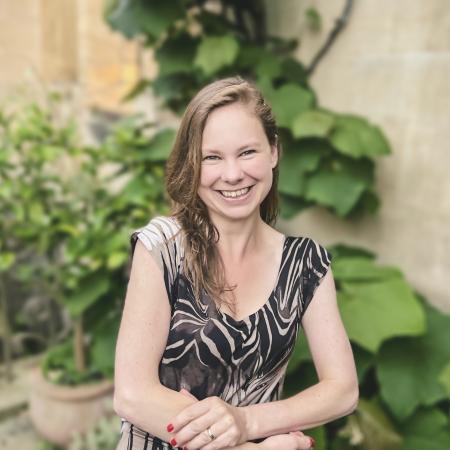
A woman in a red top poses in front of plants.

Elaine Cozzi, assistant head and associate professor in the Department of Mathematics, received the Distinguished Service Award for her impactful service to her department, the College and the broader mathematics community.

Distinguished Service Award

Elaine Cozzi, assistant head and associate professor in the Department of Mathematics, received the Distinguished Service Award for her impactful service to her department, the College and the broader mathematics community.

Cozzi served as interim associate dean of academic and student affairs for the College in Spring of 2024, managing various projects, including the university’s revision of its undergraduate advising system, assessing teaching resources and addressing countless student issues. She was overwhelmingly generous with her time in responding to the many challenges and the needs of her colleagues.

Before and after serving as associate dean, Cozzi served as assistant department head for mathematics, responsible for scheduling upper-level courses and ensuring adequate staffing for the Department’s teaching mission. This affects the hiring of instructors, graduate students, and undergraduate graders.

Jon Kujawa, Department of Mathematics head and Cozzi’s nominator, noted, “It is hard to overestimate the impact of Elaine’s planning on the smooth operation of the teaching side of the department. And she readily pivots when unexpected events disrupt the plans.” Additionally, Elaine led the assessment of the Mathematics undergraduate program for several years, playing a crucial role in student success, he shared.

Cozzi also contributes significantly to the mathematics profession as Associate Editor for the American Mathematical Monthly – the most widely read mathematics journal in the world. She is also an active member of SIAM, a professional society for applied mathematics, where she helps organize meetings and contributes to administrative efforts and regularly serves as a grant evaluator for the NSF and the Simons Foundation, helping to shape the future of mathematical research.

Virginia Lesser in front of shrubbery

Virginia Lesser, Department of Statistics Head, received the Champion of Science award.

Virginia Lesser, Department of Statistics Head, received the Champion of Science award for her significant contributions to the field of statistics and to Oregon State University throughout her distinguished career. After earning her PhD in Biostatistics from the University of North Carolina at Chapel Hill, she joined OSU’s Department of Statistics in 1992.

A year later, she became Director of the Survey Research Center, a role she held until her retirement in December 2024. Lesser's expertise in probability sampling, survey design, and data collection methods ensured that the center upheld the highest standards. Under her leadership, the center became a premier institution, offering expertise in survey methodology, sampling and data analysis – supporting projects that inform policy, environmental monitoring, economic studies and public opinion research. Its work has helped agencies such as the Oregon Department of Transportation, the Oregon State Marine Board, and the Oregon Department of Fish and Wildlife make data-driven decisions, not to mention numerous initiatives within the University.

Lesser's groundbreaking research in survey methodology, environmental statistics, applied statistics and ecological monitoring has advanced the field and influenced practice. She has authored over 55 journal articles and conference proceedings, earning national and international recognition – including being named a Fellow of the American Statistical Association and an elected member of the International Statistical Institute.

Lesser's leadership also transformed the statistics department and elevated Oregon State University’s role in the field as department head from 2011 to 2018.

Lesser has also been a dedicated mentor and advocate for students and colleagues. Over the course of her career, she guided more than 220 graduate students and fostered a welcoming, supportive community within the department. Her colleagues regard her as an exceptional mentor and an inspiring leader, someone who consistently goes above and beyond – whether leading major academic initiatives or simply making sure the department potluck had a home-cooked turkey.

An abstract illustration of data, AI and information forming waves

College of Science hosts Inaugural Research Showcase

By Hannah Ashton

Extending the Reach and Impact of Science

RSVP Today

Tuesday, May 21, 2024
11 a.m. – 2 p.m.
Memorial Union Multipurpose Room 13

This event will feature SciRIS awardee presentations, panel discussion on artificial intelligence in the College of Science, and posters and science education demonstrations by Oregon Museum of Science and Industry (OMSI) Fellows.

Schedule of Events

11 – 11:10 a.m.

Welcome and introduction from Vrushali Bokil, Associate Dean of Research and Graduate Studies


11:10 – noon

SciRIS Awards Showcase

The College of Science Research and Innovation Seed (SciRIS) program funds projects based on collaborative research within our community and beyond. The program awards seed funding for high-impact collaborative proposals that build teams, pursue fundamental discoveries and create societal impact. Founded in 2018, SciRIS accelerates the pace of research, discovery and innovation in the College of Science by enabling scientists to work across an array of disciplines in a mentored environment. We showcase some of the recent awards made under this program.

Francis Chan: “The Hypoxic Barrier Hypothesis: have we missed a fundamental dynamic of oxygen use in microbes and ecosystems?”

Kim Halsey: “Leveraging volatile organic compounds to detect cyanotoxin contamination in Oregon lakes”

Maude David: “Leveraging organ-on-a-chip systems to mimic the gut sensory system: toward screening microbiota-vagal interactions”

Yuan Jiang: “Harnesses longitudinal microbiome data to define the ecological roles of host-associated microbes”

Alysia Vrailas-Mortimer: “A New Model to Study the role of Iron in Parkinson’s Disease”


Noon – 1 p.m.

Lunch & Networking: OMSI Communication Fellows demonstration and poster session

Oregon State University and the Oregon Museum of Science and Industry (OMSI), one of the nation's leading science centers, have enjoyed a close partnership since 2016. OMSI hosts its popular Science Communication Fellowship cohort program on OSU’s Corvallis campus every spring. More than 70 students, faculty and staff from across science at OSU have completed the training program, including the Colleges of Science; Engineering; Earth, Ocean, and Atmospheric Science; Agricultural Sciences; Forestry; and Public Health and Human Sciences. The COS partners with OMSI in offering this fellowship to our students. Here we showcase some of our COS OMSI Science Communication Fellows.

Akasit Visootsat & Yuan Gao (Physics): “What & How to see motor proteins?”

Sunni Patton (Microbiology): “Exploring the Coral Microbiome”

Austin Vick (Integrative Biology): “What can the common fruit fly tell us about our health”


1 – 2 p.m.

Panel Session: AI in Research
Moderators: Vrushali Bokil, Bettye Maddux and Jeff Hare

The panel will discuss ideas for incorporating AI and data science across four priority research areas: clean energy, integrated health and biotechnology, climate solutions and robotics.

Panelists

Tim Zuehlsdorff, Assistant Professor, Department of Chemistry

Jeff Hazboun, Assistant Professor, Department of Physics

Ryan Mehl, Professor, Director of GCE4All Research Center, Department of Biochemistry & Biophysics

Marilyn Rampersad Mackiewicz, Associate Professor, Department of Chemistry

Francis Chan, Associate Professor, Director, Cooperative Institute for Marine Ecosystem and Resources Studies, Department of Integrative Biology

A laurel leaf icon with a scroll, surrounded by a border of snowflakes.

2021-22 College of Science awards: Celebrating excellence in teaching and advising

By Grace Peterman

On February 22, the College of Science gathered to recognize academic, administrative and teaching excellence at the 2021-22 Combined Awards Ceremony. The first portion of the ceremony celebrated research and administrative achievements, while the second highlighted outstanding teaching, advising and mentoring.

The College celebrates the Teaching and Advising Awards winners below for their deep commitment to engaging with the student experience and application of mentoring and advising expertise to ensure student learning and success within and beyond the classroom. Effective teaching, advising and mentorship are the very heart of the College of Science’s identity as a robust and thriving community of students and scholars. Driven almost exclusively by students’ nominations, these awards are an opportunity for our community to express gratitude and appreciation for each other.

2022 Teaching, Advising and Mentoring Award Winners

Olaf Boedtker Award for Excellence in Academic Advising

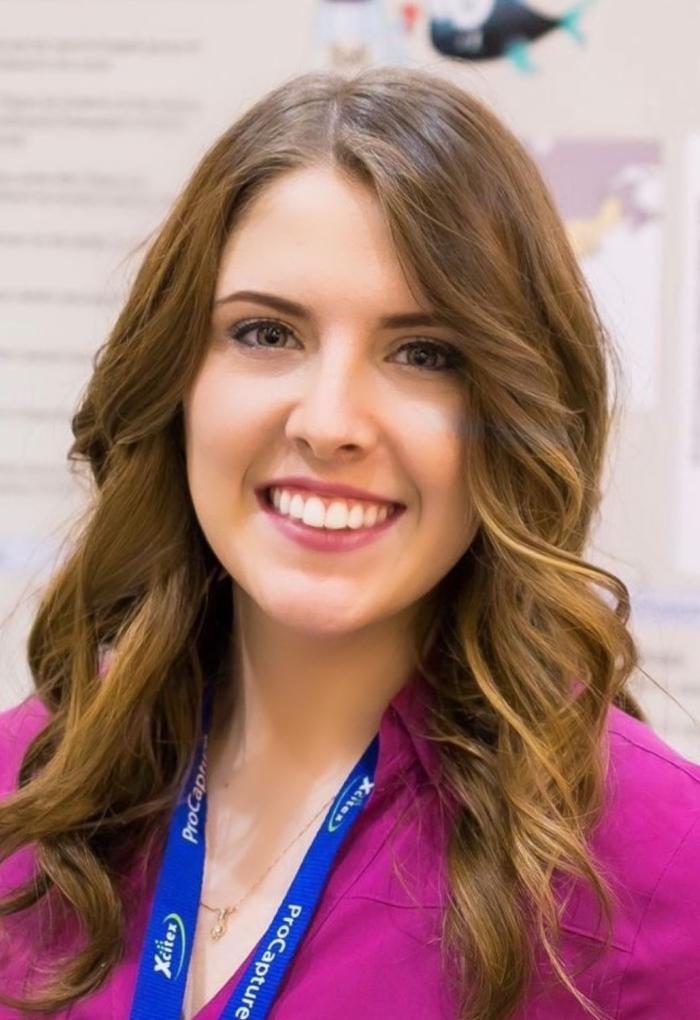
Rachel Palmer, a woman with long hair, smiling.

Integrative Biology Advisor Rachel Palmer

Rachel Palmer, integrative biology advisor, won the Olaf Boedtker Award for Excellence in Undergraduate Advising for her tireless support, efforts and advocacy on behalf of undergraduate students. This award was established in 1988 in honor of Olaf Boedtker, a professor in the Department of Physics who served as Head Advisor in the College from 1973 to 1987. While at Oregon State, he provided exceptional service to students and to the College.

Several students nominated Palmer for this award, praising her dedication and ability to connect and encourage students to achieve their goals.

One student nominator wrote of Palmer: “Right off the bat, Rachel came across as a very happy-go lucky person. She has always been extremely kind and caring at every meeting, treating me as an equal adult and even cracking some jokes that set me at ease. She has always been able to answer every question I had, no matter how specific or vague. I can absolutely tell she wants to help me and set me on the best path possible. Rachel pays mind to each and every student as an individual. She is passionate, inspirational, dedicated and she really knows her stuff!”

Another student had similar feedback for Palmer: “Rachel has made the beginning of my journey towards my Bachelors of Science in Zoology a wonderful experience even through uncertainty. She really goes above and beyond the call of duty, you would not think an advisor could be such a hero.”

“I admire how easily Rachel has helped me find a class schedule that works so well," wrote another student nominator. "She asks important questions, listens to your expectations and executes. One thing she does well is helps me find classes that work well together as far as content.”

Additional nominees for the Olaf Boedtker Award included:

  • Cody Duncan, advisor for integrative biology
  • Allison Evans, instructor of microbiology
  • Jen Olarra, advisor for biology
  • Kari Van Zee, senior instructor of biochemistry and biophysics

Loyd F. Carter Award for Outstanding and Inspirational Teaching (Undergraduate)

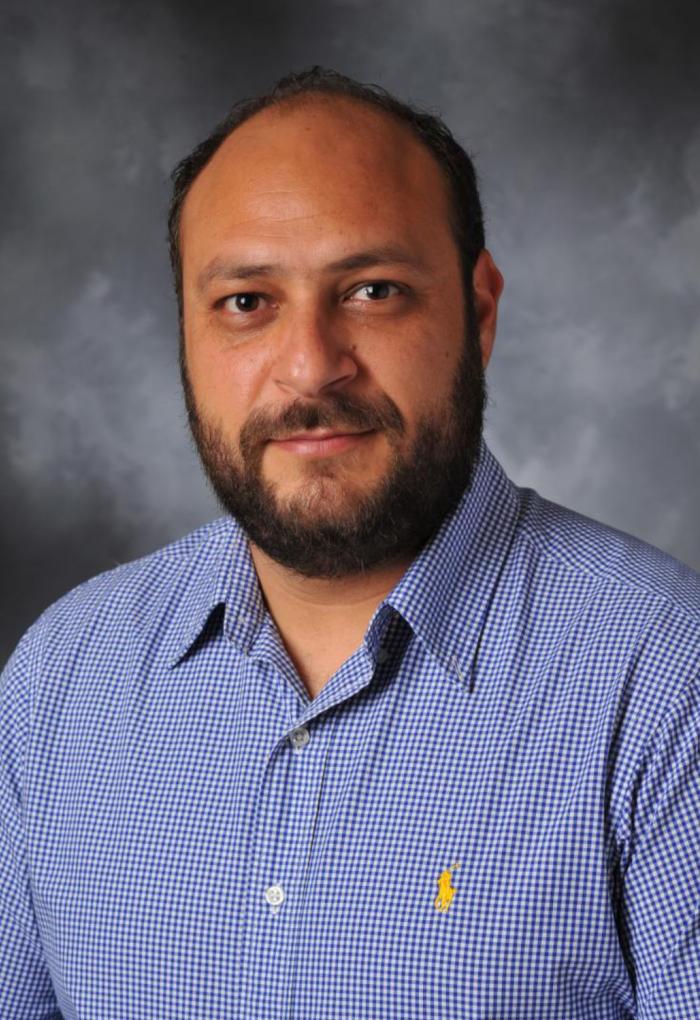
Kyriakos Stylianou, a man with a beard.

Assistant Professor of Chemistry Kyriakos Stylianou

This year’s Loyd Carter Award for Outstanding and Inspirational Undergraduate Teaching in Science goes to Kyriakos Stylianou, assistant professor of chemistry.

Every year since 1946, the Loyd F. Carter Award has been presented to two outstanding College of Science faculty members: one for undergraduate teaching and one for graduate teaching. The purpose of the award is to encourage and recognize effective and inspirational teaching. The final selection is based solely on student nominations and voting.

Stylianou’s students describe him as passionate, inspirational and dedicated. “This man is so incredibly intelligent but also one of the humblest people you will ever meet,” one student said.

“He has to be one of the best professors I have had here at OSU,” said another student nominator. “Walking into CH 233, I was super nervous. I heard it was the hardest of the chemistry series. With everyone feeling the burnout of virtual learning, he made sure to make his class engaging and put everything he had into every class.”

Many students praised the learning atmosphere Stylianou creates in his classes and his attentiveness to student needs. “He cares very much about his students and wants to see them succeed. He devotes a significant amount of time inside and outside of class to give them the opportunities and resources they need to be successful in his class, and beyond. He never tries to beat around the bush, always gives you an honest answer, and just wants to see the best in people. The jokes and wise-cracks in class always help to lighten the mood as well.”

Additional nominees for the Loyd F. Carter undergraduate award included:

  • Daniel Myles, senior instructor of chemistry
  • Devon Quick, senior instructor of integrative biology
  • Marita Barth, instructor of chemistry
  • Malcolm Lowry, assistant professor of microbiology
  • Nathan L. Kirk, senior instructor of integrative biology
  • Paul Cheong, associate professor of chemistry
  • Phil McFadden, associate professor of biochemistry and biophysics
  • Scott Geddes, instructor of chemistry
  • Stacey Vaughn, instructor of mathematics

Loyd F. Carter Award for Outstanding and Inspirational Teaching (Graduate)

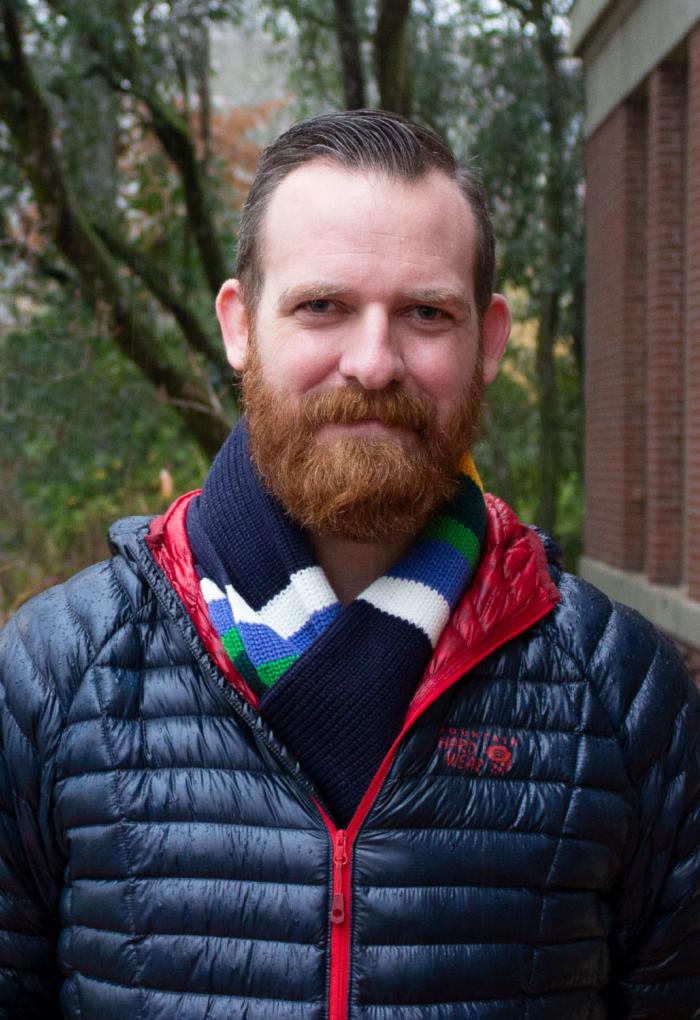
James Molyneux, a man with a beard.

Assistant Professor of Statistics James Molyneux

This year’s Loyd F. Carter Award for Outstanding and Inspirational Graduate Teaching in Science goes to James Molyneux, assistant professor of statistics.

Students nominating Molyneux described him as caring, uplifting and welcoming, and praised his ability to adapt during the pandemic. "He consistently encouraged me and my cohort during the transition from COVID to campus, to keep up our spirits in one of the most difficult academic years of our lives," said one student. "Without him, I would not have gathered the courage to continue moving forward. He is brilliant in the classroom as a professor and a loyal mentor and advocate for our success."

Another student said the following of Molyneux: "He excels at making statistics, a subject which is generally taught dryly and without much passion, relevant to grad students' research and our daily life. He uses timely examples and highlights the nuance of stats, in a way that makes it fascinating instead of frustrating. He was always available for extra help or assistance outside of class, and always seemed willing to discuss other topics than just the class material! He is supportive and compassionate with graduate students, and was the best stats teacher I've had so far at OSU! He also made sure the class content was accessible to students in multiple ways by recording both Zoom and in-person classes, and making the lecture notes easily available. His high-energy and engaging teaching style was apparent in both the in-person and online class I took with him, which I have found to be a rare occurrence in a remote setting!"

Thomas Sharpton, associate professor of microbiology, was also nominated for the Loyd F. Carter graduate award.

Frederick H. Horne Award for Sustained Excellence in Teaching Science

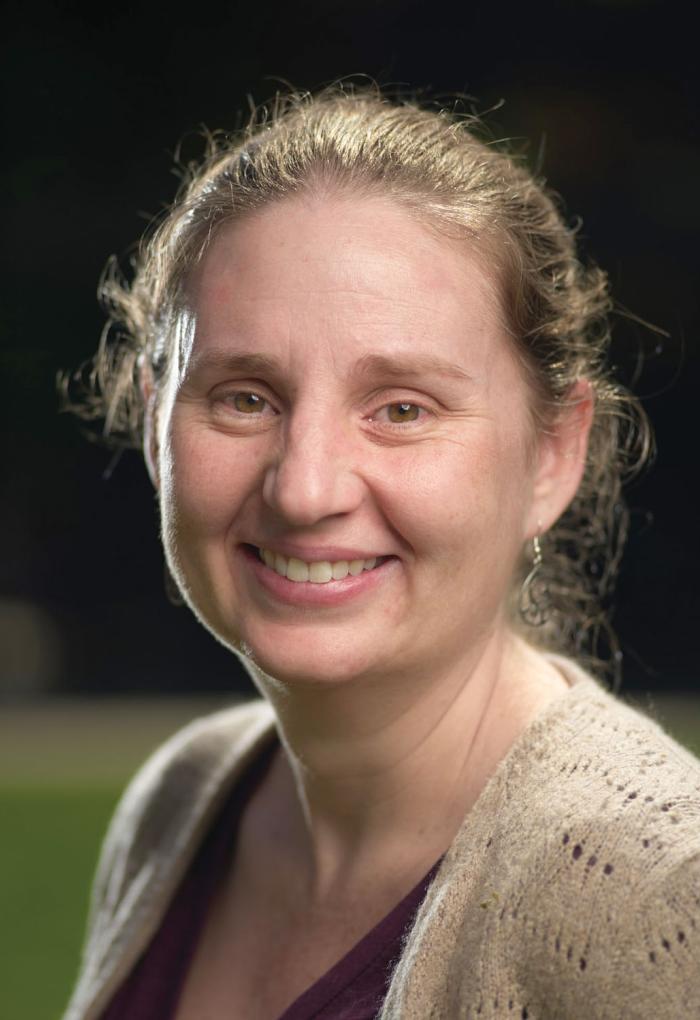
Liz Gire, a woman smiling.

Associate Professor of Physics Elizabeth Gire.

This year’s Frederick H. Horne Award for Sustained Excellence in Teaching Science goes to Liz Gire, associate professor of physics.

This award honors Fred Horne, who served as Dean of Science at Oregon State from from 1986 to 1999. Fred passed away in 2021, a renowned researcher, scholar, teacher and leader.

Fred exemplified the values of our college, embracing a deep commitment to diversity, equity and inclusion in science. He was instrumental in establishing two programs that encourage students of color to pursue and continue their education in science, math and engineering: Science and Math Investigative Learning Experience (SMILE) and the American Indian Science and Engineering Society (AISES).

The purpose of this award is to recognize sustained excellence in teaching science by honoring a faculty member in the College of Science who has repeatedly demonstrated exceptional instructional qualities and has had a significant impact on students over a period of not less than five years.

Liz Gire has earned this award through her tireless dedication to support the holistic student experience. A plethora of students and colleagues wrote at length in support of Gire's nomination. One student nominator said, "Her level of dedication to the genuine support and inclusion of the students in her courses is something I’ve never seen in an educator before. She backs that up with her skill and experience in education and communication that makes difficult content still accessible and enjoyable to learn. She takes every opportunity to build others up, whether that be her students, her teaching team, her research partners or the many people in our department who aren’t any of those things, but still know they can come to her because she is the type of person who will help however and whenever she can."

Another student nominator said, "Liz is a wonderful professor because she is a master at reading the atmosphere of a classroom. Sure, part of this is an intuition that comes from experience, but more importantly, she takes time to ask questions. Each student is expected to grab a small white board and marker at the beginning class. Later when Liz looks out and says, 'write down something that you know about angular momentum' she can measure students’ level of confusion and use student responses to guide the classroom discussion. This makes everyone much more willing to participate in class because they know that she honestly cares for their well-being and success."

Congratulations to all the winners and all the nominees!

A nighttime sky with an award sign overlaid on top

2020-21 College of Science awards: Celebrating excellence in teaching and advising

By Cari Longman

On April 22, the College of Science gathered virtually to recognize academic, administrative and teaching excellence at the 2020-21 Combined Awards Ceremony – a merge of our annual Faculty and Staff Awards and Teaching and Advising Awards events.

The first half of the ceremony celebrated excellence in research and administration, and the second half the ceremony focused on outstanding teaching, advising and mentoring,

The College congratulates the Teaching and Advising Awards winners below who exemplify deep commitment, skill and effectiveness in mentoring and advising to ensure student learning and success within and beyond the classroom. Effective teaching, advising and mentorship are the very heart of the College of Science’s identity as a robust and thriving community of students and scholars.

Congratulations to all the nominees and especially to the award winners.

2021 Teaching, Advising and Mentoring Award Winners

Olaf Boedtker Award for Excellence in Academic Advising

Tiffany Bolman

BioHealth Sciences Advisor Tiffany Bolman

Tiffany Bolman, biohealth sciences advisor, won the Olaf Boedtker Award for her tireless support, efforts and advocacy on behalf of undergraduate students. Olaf Boedtker was a former professor in the Department of Physics for 23 years and served as head advisor in the College for 14 years from 1973 to 1987. This award recognizes exceptional and inspirational undergraduate advising.

More than ten students nominated Bolman for this award, praising her dedication and ability to connect and encourage students to achieve their goals.

One student nominator wrote of Bolman: “During one of the hardest years of my life, I met my new advisor, Tiffany. Changing your advisor in the middle of your junior year can be stressful. The first time I met her, my meeting lasted almost two hours because we spent time getting to know each other and talking about life. The way that Tiffany has been here to support me is incredible – as an advisor, a mentor, a friend and a support system. She's helped me in countless ways this past year, not just for school and for my future, but personally. I know I would not be where I am right now without her.”

“Tiffany has guided me in my fast-paced college experience and is always courteous when I talk to her,” wrote another biohealth science student nominator. “She has provided ample opportunities for me to get involved in health care and shadowing, even during Covid-19, in order for me to be a competitive applicant for medical school. I feel as though Tiffany wants the best for all of her students, including myself, and her heartwarming encouragement never lets me down.”

Another student had similar praises for Bolman. “I transferred to Oregon State and [Tiffany Bolman] was the first faculty member I had any interactions with. She seems to truly care about the future of the students she is advising and is overall an amazing person to talk to.”

Additional nominees for the Olaf Boedtker Award included

  • Allison Evans, instructor of microbiology
  • Kari Van Zee, senior instructor for biochemistry and biophysics
  • Maureen Leong-Kee, advisor for integrative biology
  • Vince Remcho, professor of chemistry

Loyd F. Carter Award for Outstanding and Inspirational Teaching (Undergraduate)

Corinne Manogue

Professor of physics Corinne Manogue

Professor of physics Corinne Manogue won this year’s Loyd F. Carter Award for Outstanding and Inspirational Teaching in Science. Manogue teaches the nationally-recognized Paradigm in Physics courses, which are a restructuring of the traditional upper-division curriculum for physics students to a more modern, flexible and inclusive model for learning physics.

Student nominees cited Manogue’s extra efforts to ensure her students understand content, her ability to teach complex topics, and her compassion with her students in an especially tiring year.

“She is an outstanding teacher who really works to understand how her students are approaching the material and provides numerous ways for the students to actively engage with the content,” wrote one student nominator. “She is very aware that each student has a different learning style and that content needs to be restated multiple ways and in multiple forms and that each version will resonate differently with each student.”

Other student nominators had similar praises for Manogue. "She is truly fantastic at explaining complex topics in ways that relate them to us students, and it was often that many would exclaim how well they understood ideas and techniques significantly better after having an explanation from her in class," said one nominator, and another added: "Corinne convinced me that there weren't such things as 'STEM people' and that success in STEM was available to me and other students who like me had been dissuaded by a perception of being inherently 'not smart enough' to become physicists."

Manogue has received recognition at multiple levels – Oregon State University, the state of Oregon and nationally – for her teaching excellence and has previously won a number of awards recognizing her teaching excellence, including the College of Science Frederick H. Horne Award for Sustained Excellence in Teaching in 2000, an American Association of Physics Teachers Award for Excellence in Undergraduate Physics Teaching in 2008, and the 2016 Oregon Academy of Science Outstanding Educator in Science and Mathematics award.

Additional nominees for the Loyd F. Carter undergraduate award included

  • Daniel Myles, senior instructor of chemistry
  • Daniel Rockwell, senior instructor of mathematics
  • Devon Quick, senior instructor of integrative biology
  • Kimberly Halsey, associate professor of microbiology
  • Linsday Biga, senior instructor of integrative biology
  • KC Walsh, senior instructor of physics

Loyd F. Carter Award for Outstanding and Inspirational Teaching (Graduate)

Charlotte Wickham with a black background

Senior Instructor of statistics Charlotte Wickham

Senior Instructor of statistics Charlotte Whickam received the Loyd Carter award for her inspirational and superb mentorship and teaching of graduate students.

“Charlotte is an extremely talented statistician and teacher. You can tell she is extremely passionate about the things she teaches and is invested in her students learning. She is also very approachable, despite teaching an online course,” wrote one graduate student nominator. “The material I have learned in her class has been useful and applicable to all of my work as a statistician,” they added.

“Dr. Wickham really took the time and got involved with my term project topic. She understood my skill level and was really great on providing feedback,” wrote another nominator.

A specialist in R training, Wickham teaches courses in data visualization and the foundations of data analytics. In 2020 Wickham received the Oregon State Ecampus Excellence in Online Teaching and Student Engagement Award. Wickham has developed multiple Ecampus courses built around students and their learning, leveraging open source materials and engaging texts from the Valley Library at Oregon State University.

Frederick H. Horne Award for Sustained Excellence in Teaching Science

Senior Instructor for biochemistry and biophysics Kari Van Zee

Senior Instructor for biochemistry and biophysics Kari Van Zee

Senior Instructor for biochemistry and biophysics Kari Van Zee won the Frederick H. Horne Award for her exceptional qualities as a teacher and mentor. This award is named after Fred Horne, OSU Professor Emeritus of Chemistry and the former College of Science Dean for 13 years, from 1986 to 1999.

Kendra Jackson (’20, biochemistry and biophysics), praised Van Zee in her nomination letter, writing, “Kari made a great impact on my education at OSU and has empowered me to be an independent learner.”

Jackson interacted with Van Zee as a student, mentee, teaching assistant and advisee. She added in her letter that “Kari is compassionate and deeply cares about the well-being of her students.” This quality was especially apparent during the 2020-2021 school year with remote learning. “Kari constantly checked up on struggling students in each section, offered solutions for students who could not access technology or adequate study spaces, and adapted the class based on student feedback.”

Tanushri Kumar, a 2020 biochemistry graduate and Ph.D. student at the University of Washington, also wrote a nomination letter. She praised Van Zee’s personal connection with her students: “Kari is a fantastic teacher, a scholar, and a devoted mentor to all her students. It is truly rare to find a teacher as talented and as compassionate as she is. Without her guidance, I would have never discovered my own passion for research, and without her support I would not have had the courage to apply for graduate school. The impact she has had on my life has been huge, and I am incredibly grateful for having her as a mentor and instructor.”

College of Science Whiteley Faculty Scholar for Teaching Excellence Award

Devon Quick

Senior Instructor of integrative biology Devon Quick

Senior Instructor Devon Quick in the Department of Integrative Biology received this award which recognizes excellent teaching and learning innovation. This award will provide Quick with an annual stipend of $12,500 for three years.

Widely commended for her teaching of biology, human anatomy and physiology courses, Quick has received awards for her exceptional teaching in the past. In 2020, she received the Loyd F. Carter Award, and in 2016 she received university-wide recognition by receiving the OSU Faculty Teaching Excellence Award.

Quick is a co-founder of the Learning Assistants Program, which puts high-achieving undergraduate assistants in large enrollment, often first-and second-year STEM classrooms to facilitate and strengthen undergraduate learning. She also collaborated with fellow biology instructor Lindsay Biga to adapt an open source biology textbook that is freely accessible to OSU students and learners worldwide.

OSU Faculty Scholars for Teaching Excellence Award

KC Walsh

Physics instructor KC Walsh

Physics instructor KC Walsh won the Faculty Scholars for Teaching Excellence Award. This award for a three-year faculty scholar position supports excellence and innovation in teaching and carries an annual stipend of $12,500.

Walsh helped to transform OSU’s introductory physics classes by reversing the traditional learning environment. In flipped classrooms, students receive course content online outside of the classroom, freeing up classroom time for active learning. He then pioneered the flipped classroom in the online environment long before the pandemic forced all instructors and faculty to adjust to all-online teaching. The results of the flipped classroom model have been dramatic: the withdraw rate from introductory physics class dropped from 36 percent to only 12 percent with a marked increase in course satisfaction.

Walsh previously received the OSU Faculty Teaching Excellence Award for his significant and meritorious achievement in teaching and scholarship that enhances effective instruction. And in 2018, the Department of Physics received the American Physics Society (APS) Award for Improving Undergraduate Physics Education, due in part to Walsh’s pioneering flipped classrooms and his early use of online resources to increase student success.

The OSU and Whiteley Faculty Scholars for Teaching Excellence awards are made possible thanks to the generous philanthropic support of our alumni and friends and matching funds invested by the Provost’s Office.

Read more about the winners of the 2020-21 graduate and undergraduate research and administration awards.

blue numbers and code loading on translucent screen with black backdrop

International Bayesian statistics and data science conference comes to Oregon

By OSU College of Science news

Stan 2020, a Bayesian statistics and data science conference, will take place on August 11-14, 2020 at Oregon State University.

The 5th Stan Conference will take place at Oregon State University on August 11-14, 2020. The four-day conference will include two days of tutorials followed by an exciting scientific program comprising talks, posters, open discussions and statistical modeling.

Registration for Stan 2020 is now open. Researchers, students and professionals are encouraged to register for the conference which includes all tutorials. The conference is also soliciting session proposals, contributed talks and posters. Deadlines and other information can be found here.

Stan is a freedom-respecting, open-source software that has had an extensive and far-reaching impact on Bayesian computations for a broad range of applied statistics and data science problems.

The conference typically draws 300 attendees from academia, industry and government agencies. The conference offers a great opportunity for students and other participants to learn about Bayesian computation. Previous Stan Conferences were held at Columbia University, New York, and Cambridge University, U.K., among other places.

Plenary speakers at Stan 2020 are Elizabeth Wolkovich from the University of British Columbia and Adrian Rafftery, a member of the National Academy of Sciences, from the University of Washington, Seattle.

Debashis Mondal, associate professor in the Department of Statistics at OSU, is a co-organizer of Stan 2020. The other organizers of Stan 2020 are Susana Marquez, The Rockefeller Foundation; Eric J. Ward, Northwest Fisheries Science Center (NOAA); Yi Zhang, Metrum Research Group; and Daniel Lee, Generable.

Follow Stan on Twitter.

Laurel and diploma on dark background

Celebrating teaching and advising excellence

By Cari Longman

The College of Science celebrated its 2020 Winter Teaching and Advising Awards with faculty, advisors and students on February 13 to recognize exceptional teaching and advising, both areas of distinction in the College. Committed and effective teaching, advising and mentorship are at the very heart of the College of Science’s identity as a robust and thriving community of students and scholars.

The awards ceremony included an engaging presentation by the Learning Assistants program, which puts high-achieving undergraduate assistants in large enrollment, often first-and second-year STEM classrooms to facilitate and strengthen undergraduate learning. Over the past five years, the LA program in the College of Science has reduced the drop-fail-withdrawal (DFW) rate in several key courses by half, and has now become a model for other colleges in the university.

“Our faculty are not only leaders here at OSU, but also across the nation and around the world. We celebrate our award recipients today for the incredible difference they have made in students’ lives,” said Dean Roy Haggerty, emcee for the ceremony, in his opening remarks.

Dean Haggerty recognized two faculty members at the beginning of the ceremony. Virginia Weis, Head of the Department of Integrative Biology and OSU Distinguished Professor, was named the new Dr. Russ and Dolores Gorman Faculty Scholar. The three-year rotating award recognizes faculty who bring distinction to the College of Science, connect with industry, and have a strong record of innovative research with practical impact. He also announced Elisar Barbar as the new head of the Department of Biochemistry and Biophysics and thanked Andy Karplus for his service as department head from 2007 to 2011, and then again from 2015 to January 2020.

Congratulations to all the nominees and especially to the award winners. The award recipients exemplify deep commitment, skill and effectiveness in mentoring and advising to ensure student learning and success within and beyond the classroom.

Virginia Wes receiving an award from Dean Haggerty

Dean Haggerty (left) with Distinguished Professor of Biology Virginia Weis (right), who received the Dr. Russ and Dolores Gorman Faculty Scholar award

2020 Award Winners

Olaf Boedtker Award for Excellence in Academic Advising

Alex Beck, BioHealth Sciences advisor won the Olaf Boedtker Award for her tireless support, efforts and advocacy on behalf of undergraduate students. The award, which encourages and recognizes exceptional and inspirational advising of undergraduates, was presented by Jayden Rummell, a biohealth sciences student.

“Alex is a phenomenal advisor, confidant and friend. She has helped me in a way that no other advisor has,” said Rummell. “She always makes time to meet with me, even when I don’t have an appointment and I just drop by for a quick chat. She is by far the most motivating person I have in my life,” she added.

Another student nominator had similar praises for Beck: “Whenever I have doubts about my classes, degree or career path, she is there to reassure me that I am on the right track and that I am capable. Never have I met someone so patient and kind, but also so genuine. After getting to know her as not only an advisor, but as a person, I wholeheartedly believe that Alex is the most deserving of this award.”

Other nominees for the Olaf Boedtker award included: Adel Faridani, mathematics; Allison Evans, microbiology; Bo Sun, physics; Christine Pastorek, chemistry; Corinne Manogue, physics; David Lazzati, physics; Shawn Massoni, biohealth sciences; Enrique Thomann, mathematics; Janet Tate, physics; Jen Olarra, biology; Kari van Zee, biochemistry & biophysics; Linda Bruslind, microbiology; Margie Haak, chemistry; Mas Subramanian, chemistry ;Neal Sleszynski, chemistry; David McIntyre, physics; and Paul Blakemore, chemistry.

Biohealth sciences advisor Alex Beck posing with award with biohealth sciences student Jayden Rummell (left) and Dean Haggerty (right)

Biohealth sciences advisor Alex Beck (center) with biohealth sciences student Jayden Rummell (left) and Dean Haggerty (right)

Loyd F. Carter Award for Outstanding and Inspirational Teaching (Undergraduate)

Senior Instructor Devon Quick in the Department of Integrative Biology and Learning Assistants Program co-founder won this year’s Loyd F. Carter Award for her excellent teaching of biology, human anatomy and physiology courses.

Arisa Larmay, a microbiology undergraduate, presented Quick with her award. “She incorporates many learning styles and makes the course and content engaging and interesting,” Larmay said, adding, “She makes her students feel welcome and is always enthusiastic about the course.”

Other student nominators had similar praises for Quick:

  • “She has an excellent ability to get students thinking deeper about a subject and helps students formulate knowledge in a logical manner.”
  • “Devon goes above and beyond to ensure that students have an appropriate understanding and appreciation for class concepts. She really puts her heart and soul into class and it shows.”
  • “She wants each and every one of her students to succeed and actually cares that we’re learning the material.”
  • “She always helps us connect intersections between the hard science we are learning with its social and public health applications, without fail. She is incredibly thorough and plants seeds in our minds of how to be not just knowledgeable, but culturally and emotionally sensitive health care professionals.”

Congratulations, Devon! Thank you for your dedication and hard work to prepare our future science leaders and health care professionals.

38 faculty members were nominated for this award. Other nominees with multiple nominations include Adel Faridani, mathematics; Kevin Gable, chemistry; Nathan Kirk, biology; Malcolm Lowry, microbiology; Ethan Minot, physics; Daniel Myles, chemistry; Richard Nafshun, chemistry; Vincent Remcho, chemistry; Daniel Rockwell, mathematics; Holly Swisher, mathematics; Rebecca Terry, biology; and KC Walsh, physics.

Devon Quick poses with award with microbiology student Arisa Larmay (left) and Dean Haggerty (right)

Biology instructor Devon Quick (center) with microbiology student Arisa Larmay (left) and Dean Haggerty (right)

Loyd F. Carter Award for Outstanding and Inspirational Teaching (Graduate)

Assistant Professor of statistics Katherine McLaughlin received the Loyd Carter award for her inspirational and superb mentorship and teaching of graduate students. Statistics Department Head Lisa Ganio presented the award.

“Dr. McLaughlin is dedicated to teaching. She works hard to help her students understand course material and challenges them to think more deeply about problems. Her classroom is a welcoming environment to all,” wrote one student nominator.

“Her enthusiasm for the material is contagious and the thought and care that she puts into structuring her student's learning has far surpassed any other course I've taken,” wrote another nominator.

David Ji and Claudia Maier, both from the Department of Chemistry, also received multiple nominations for this award.

Katherine McLaughlin poses with award with Lisa Ganio and Dean Haggerty

Statistics Assistant Professor Katherine McLaughlin (center) with Statistics Department Head Lisa Ganio (left) and Dean Haggerty (right)

Frederick H. Horne Award for Sustained Excellence in Teaching Science

Lesley Blair won the Frederick H. Horne Award for her exceptional qualities as a teacher and mentor. Blair was hired by Dean Fred Horne as a full-time biology instructor in 2002. She primarily serves as the course coordinator and sole lecturer for the high enrollment – up to 800 students per quarter! – non-majors biology year-long series (BI 101 – 103). These are the Baccalaureate Core courses that the majority of non-life sciences students at OSU take to fulfill their science requirements. Blair has since transformed this course by aligning the content to best engage her students and make science relevant to their lives, inspiring them to be lifelong learners. She has also become the model for incorporating cutting-edge tools, technologies and approaches to learning for large format classes, teaching-in-the-round pedagogies developed for LiNC 100, OSU’s state-of-the-art Learning Innovation Center which houses 600-seat arena classrooms for large-format lecture science courses.

Lesley Blair poses with her award against wooden wall with Bob Mason and Roy Haggerty

Biology instructor Lesley Blair (center) with Biology Professor Bob Mason (left) and Dean Haggerty (right)

As part of her efforts to engage more students and the general public in science, Blair co-developed a website called Vivid Science, which links art and design with science teaching to build science literacy and break down barriers between the public and scientists. “Dr. Blair’s creative and tireless drive to innovate, improve and reach out to non-scientists is truly exceptional,” said Bob Mason, distinguished professor of biology, who presented the award. "She truly is helping to make all of our students scientifically literate and able to participate as knowledgeable and informed citizens. This is the very essence of the Baccalaureate Core and we are fortunate to have such a leader in the effective teaching of science to non-majors.”

Congratulations, Lesley! Thank you for your dedication and passion to inspire the next generation of informed, curious and engaged citizens.

Additional photos from the 2020 Winter Teaching and Advising Awards Ceremony

Subscribe to Events