Microbiology

Microbiology

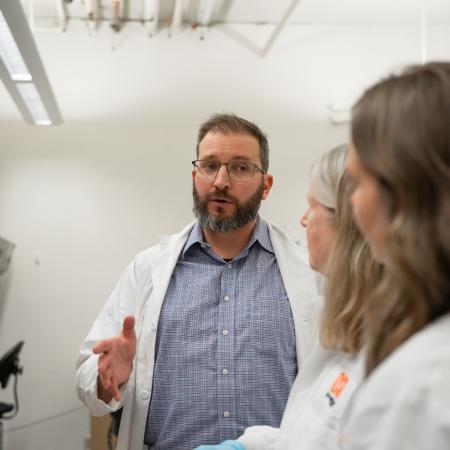
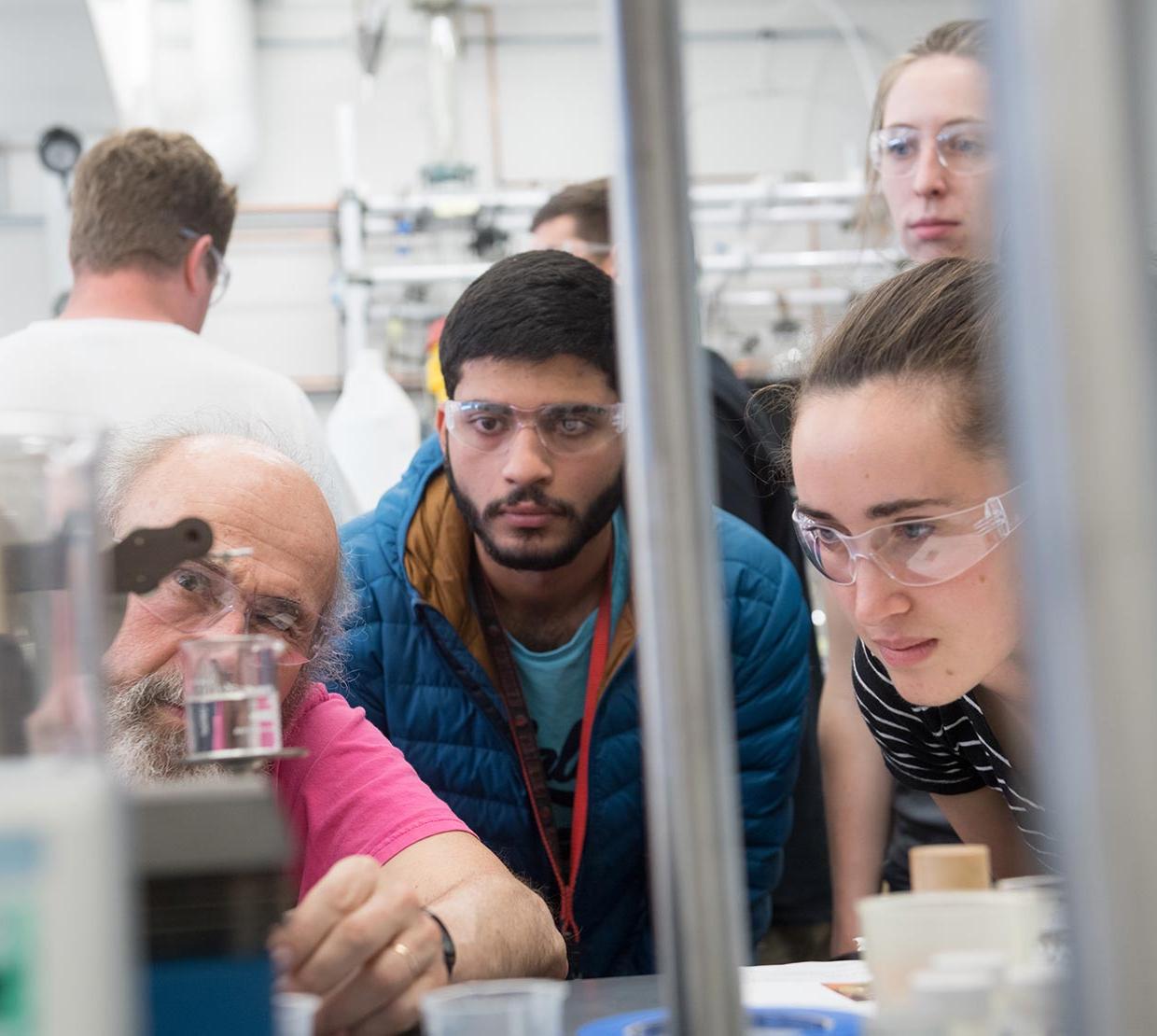
Science students with professor looking at experiment in lab

Science students awarded second highest number of scholarships at OSU

By Steve Lundeberg

Science students in the field

The university has awarded more than $39.5 million in scholarships to students for the 2017-18 academic year, a key component of OSU President Ed Ray’s Student Success Initiative.

Roughly $24.5 million of the total is spread among 7,271 scholarships to returning students. The rest is for awards to 2,532 new/incoming students, including 34 who received a $10,000-per-year Presidential Scholarship, OSU’s most prestigious undergraduate scholarship.

Approximately 35 percent of this year’s first-year students are receiving scholarship support.

Scholarships for science students at an all-time high

College of Science students received the second highest amount of scholarship funds in the university.

More than $7.5 million in scholarship money is going to College of Science students, the college’s highest total ever, said Roy Haggerty, dean of the college. That is triple the amount awarded two years ago. Reasons for the jump include increases in university scholarships and in the number of high-achieving students enrolling in the College.

Nearly $5 million is allocated to 1,344 scholarships for returning students. The rest is for awards to 570 incoming/new students, including nine who received a Presidential Scholarship.

This year more than half of the college’s first-year students received scholarship support.

“Scholarships enable the college to attract, retain and inspire top science students, most of whom go on to high-achieving careers in industry, graduate school, medical school and other professional programs after graduation,” Haggerty said.

“Oregon State’s financial-need-based scholarships also help academically talented low-income and first-generation students from Oregon and elsewhere stay and excel in college.”

First-generation students typically have a greater financial need so scholarships are a crucial part of their educational equation, said Haggerty, who was first in his family to attend college.

“In our College, the number of first-generation students has risen from 20 percent to 29 percent in the last five years,” he said. “Many scholarship students in the College of Science attest to the value of scholarships in easing the financial burden on their families and enabling them to focus on academics, research, volunteer activities and post-college career goals.”

College of Engineering netted the highest amount in scholarship support. Thirty-five percent of engineering students are receiving scholarship support. They are receiving $12.7 million, with $7.9 million divided among 1,948 scholarships to returning students. Nineteen of the 804 their incoming scholarship students are Presidential Scholars.

In third place is the College of Business. It was awarded more than $3.7 million in scholarships, including roughly $2.3 million spread among 761 scholarships to returning students. The remainder is awarded to 276 incoming students, including one Presidential Scholar. About 29 percent of this year’s first-year business students are receiving scholarship support.

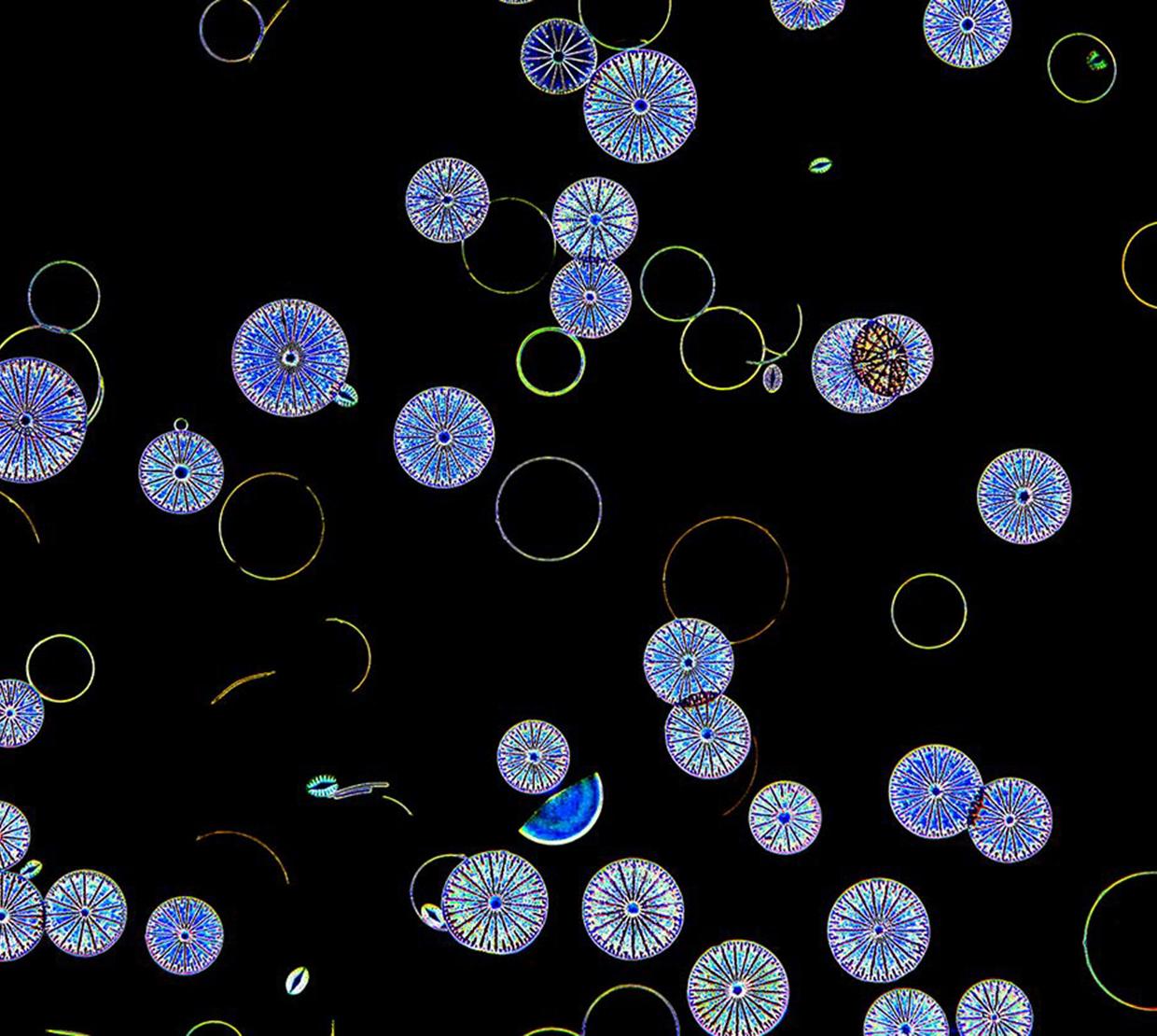
microscopic view of mating diatoms

Diatoms have sex after all, and ammonium puts them in the mood

By Steve Lundeberg

Diatom Arachnoidiscus

New research shows a species of diatom, a single-celled algae thought to be asexual, does reproduce sexually, and scientists learned it’s a common compound – ammonium – that puts the ubiquitous organism in the mood.

The findings, published today by microbiologist Kimberly Halsey in PLOS One, may be a key step toward greater understanding of the evolution of sexual behavior and also have important biotechnology implications.

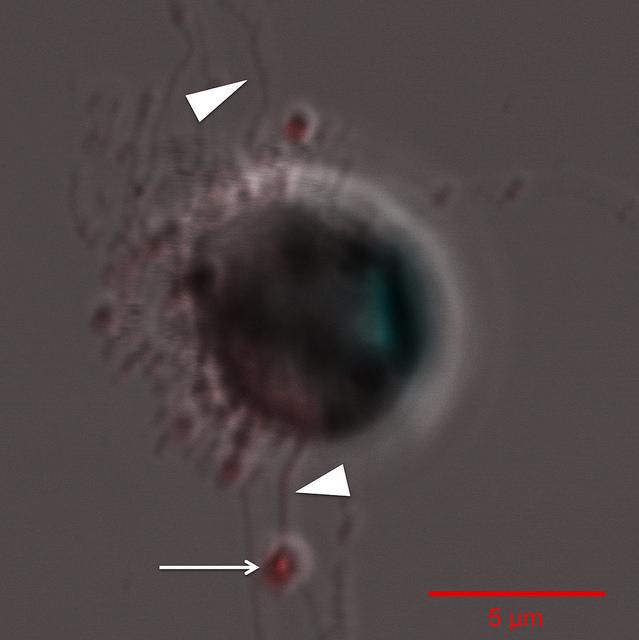
picture of diatom mating with one another

An arrow points to Thalassiosira pseudonana sperm cells and wedges indicate the flagella that allow the cells to swim to an egg for fertilization. Artificial coloring denotes chlorophyll (blue) and DNA (red).

“Our discoveries solve two persistent mysteries that have plagued diatom researchers,” said Halsey. “Yes, they have sex, and yes, we can make them do it.”

Diatoms hold great potential as a bioenergy source and also for biosensing. In addition, their intricate, silica cell walls offer promising nanotechnology applications for materials chemists and drug-delivery researchers.

Halsey and collaborators in botany and statistics from OSU’s Colleges of Science and Agricultural Sciences, including microbiologist Alexandra Weinberg and statistician Yuan Jiang, studied the “centric” Thalassiosira pseudonana species of diatom, a model organism for researchers; it’s one of two diatoms, the other being the “pennate” diatom Phaeodactulum tricornutum, to have had its genome sequenced.

“Diatoms are amazing; their silica frustules are beautiful and exquisite,” Halsey said. “Now that we can control their sexual pathway, that should open the door to being able to make crosses between different diatoms with different characteristics. We should be able to breed them just like we do with corn or rice or strawberries to select for traits that are really desirable.”

Read the full story here.

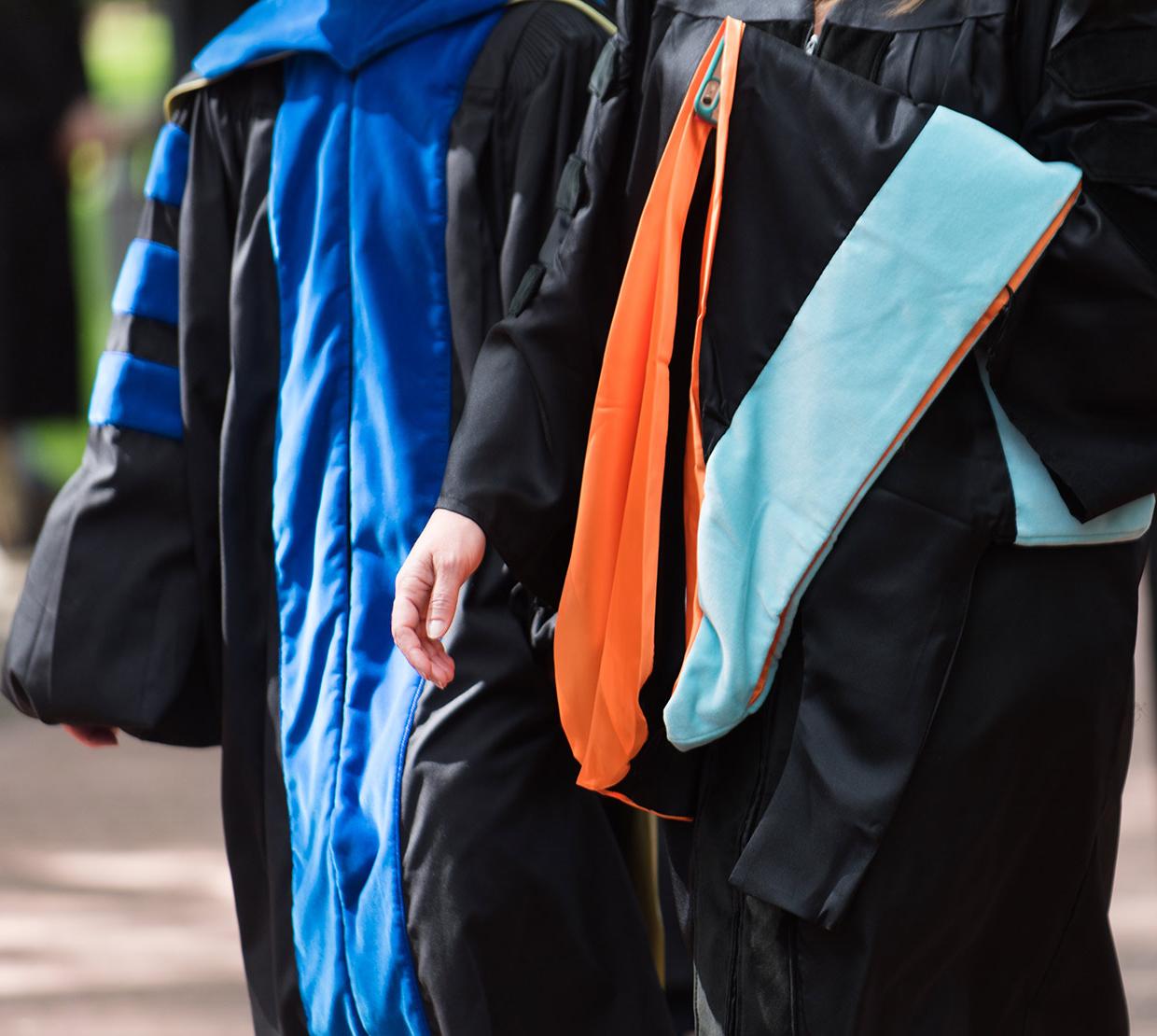
Two professors walking in doctoral gowns on campus

The Class of 2017

By Srila Nayak

2017 graduation

This year’s graduation numbers show that the College of Science has performed exceedingly well on all fronts. The College is graduating a record 629 students with baccalaureate degrees in 2016-17, including 55 honors baccalaureates. This represents a five percent increase from last year.

Biology majors lead the way with 159 graduates, followed by BioHealth Sciences majors with 119. Next are Microbiology majors with 79 graduates, Zoology has 59, Chemistry 51, Mathematics 49, Physics 24, Biochemistry and Biophysics 17 and General Science 17.

In addition, we are graduating 64 master’s and 66 doctoral students. The latter figure constitutes the highest number of Ph.Ds in recent years. In fact, the College is graduating 65% more doctoral students and 33% more masters students than last year.

Overall, Oregon State University graduated 6,807 students in 2017 and 5,590 baccalaureate degrees were awarded to students. The class of 2017 in the College represents 10 majors in the life sciences, physical, mathematical and statistical sciences.

Our graduates accomplish more than they thought imaginable with the help of outstanding professors, who are also scientists at the top of their fields, and a team of dedicated advisors. Supported by awards and scholarships, science students collaborate with faculty to create new knowledge and achieve major scientific breakthroughs.

Many of our graduates have had the opportunity to deepen their scientific knowledge by participating in research in labs across and beyond OSU, ranging from sciences to pharmacy, public health, agricultural sciences, forestry, engineering, robotics and veterinary medicine. For many, research has meant embracing and plumbing the mysteries of the outdoors from diving into marine habitats to field work in diverse terrains and in several parts of the world.

They are leaving OSU as accomplished young scientists in their own right, having begun research in their freshman year; they have presented their work at scientific conferences, co-authored papers in scientific publications with faculty mentors and even won top national awards for their research accomplishments. In fact, OSU ranks among the top 45 research universities in the nation for the number of opportunities it provides undergraduates to participate in research.

Our graduates have also expanded their professional and intellectual horizons by taking part in other transformative experiences such as internships, study abroad programs, leadership experiences and experiential learning in and out of classrooms. These experiences can transform great students into extraordinary leaders in science.

Our 2017 graduates are Fulbright scholars, Thurgood Marshall Scholars, Goldwater nominees, Ford Fellows, future doctors, scientists, entrepreneurs, veterinarians, community leaders, teachers and informed, engaged world citizens. Together they exemplify the College’s commitment to excellence in science education and an inclusive and diverse learning community. We couldn’t be prouder of them!

Each OSU graduate has a compelling story. Here are the stories of a few of our exceptional graduates, in which they reflect on their time at OSU and share their dreams for the future.

Shan Lansing, Chemistry, M.S. 2017

Four years and two degrees later

Swechya Banskota, Biology, 2017

Leadership, healthcare research, artistic diversity: the story of a biology major

Karianna Crowder, Zoology, 2017

From cuddling gibbons to grinding horse teeth

Jason Sandwisch, Chemistry, 2017

A journey to master physical chemistry

Michael Lopez, Mathematics, 2017

Not your typical mathematician: Marine, cop, dad, first generation college graduate

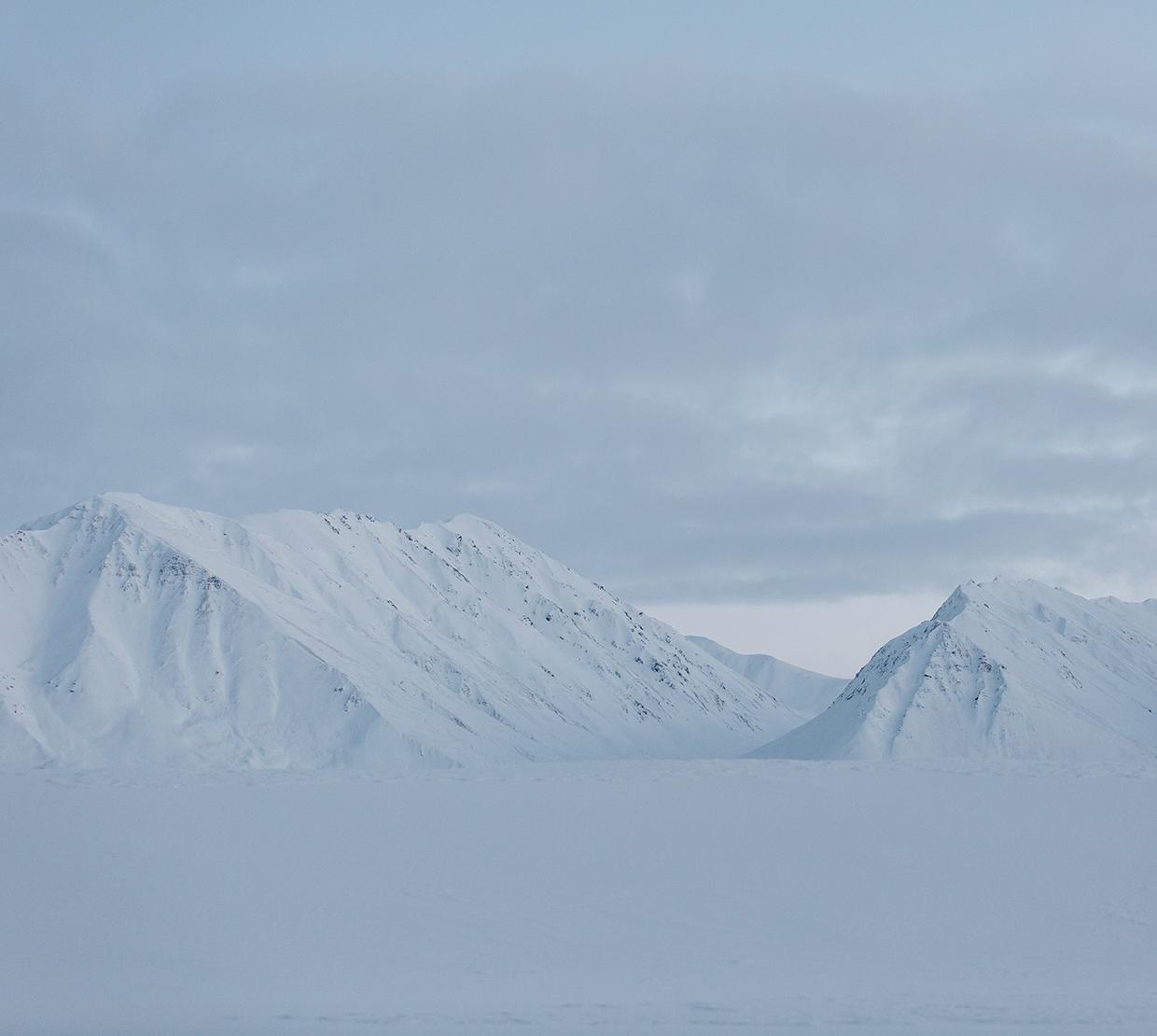
snowy mountains

Quantifying risk in a changing world

By Katharine de Baun

Landscapes at danger due to climate change

Note: this article is part of a series on how Oregon State scientists are working to mitigate climate change. Read more: Warm Oceans need Cool Science (introduction), Informing Policy and Sustaining Resources.

In 2016, our planet reached the highest temperature on record for the third year in a row according to independent analyses by NASA and the National Oceanic and Atmospheric Administration. Analyzing big data to model our evolving future is mission critical in an era of potentially catastrophic global warming.

“Statistical analysis and data science are key to discoveries and innovation,” says Sastry G. Pantula, dean of the College of Science. New fields involved in big data like bioinformatics are often interdisciplinary and collaborative.

“Solving major complex issues …requires teams with a diversity of expertise across science, mathematics and statistics. An interdisciplinary cohort enhances depth in core areas, breadth of communication across various fields, and strength in statistical and computational skills,” adds Pantula. Scientists at Oregon State work with big data to tackle climate change on many fronts.

Big data for the next generation

Mathematician Juan M. Restrepo is Chair of the Focus Group on Climate in the American Physical Society. He works on improving weather and climate forecasts by combining data and weather models, and is presently focused on finding ways to compute statistics of rare and extreme weather events. Some of the methods developed in this line of research lead to adaptive ways to respond to disasters, such as flooding and hurricanes.

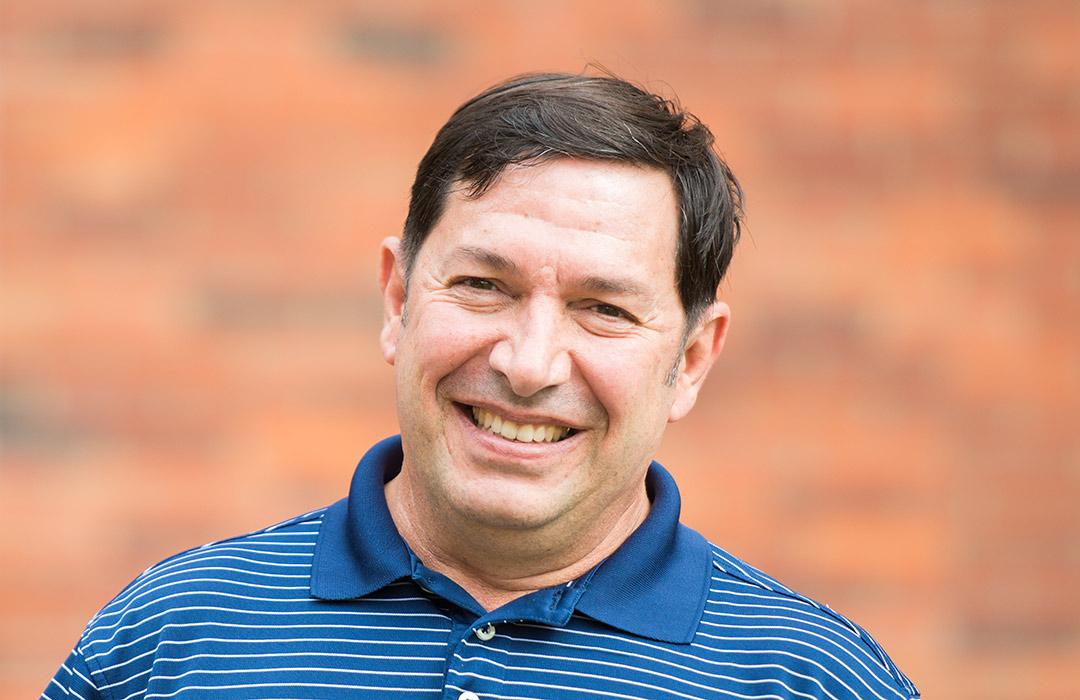
Juan Restrepo in front of brick wall

Juan M. Restrepo, mathematician

Restrepo and statistician Alix Gitelman are co-principal investigators in a $3 million NSF Research Traineeship to prepare a new generation of scientists capable of assessing and communicating risk and uncertainty in the development of marine resource management strategies and policies. The student teams comprise future scientists, engineers and social scientists, who are trained to work with big data, engineered and natural systems, and stake-holders. Restrepo, together with students, statistician Claudio Fuentes and engineer Harry Yeh, is developing improved methods for forecasting and responding to tsunami disasters.

Models for real-world problems and solutions

Mathematician Malgo Peszynska and her students collaborate with geophysicists, engineers, microbiologists and others to create mathematical models that are accurate, fast and relevant to better understand a warming climate. The models predict how warming temperatures can trigger the release of huge pockets of methane gas trapped in ocean sediments, and how leakage could occur if carbon dioxide emissions are pumped into the ground.

Malgo Peszynska in front of shrubbery

Malgo Peszynska, mathematician

Mathematician and biologist Patrick De Leenheer is at the leading edge of mathematical biology, a new branch of study that has evolved in recent decades as research in biology and medicine becomes increasingly dependent on mathematics and computation.

De Leenheer uses dynamical mathematical models to describe and illuminate biological processes ranging from the cellular to the ecological scale. He has helped develop new modeling approaches for the analysis and design of Marine Protected Areas to enhance fisheries as part of an NSF-funded project. He has also published studies on critical thresholds for extinction in population growth models and has been modeling the effects of climate change on disease severity.
Huge impacts, tiny creatures

The smallest known free-living cells, plankton SAR11, discovered by microbiologist Stephen Giovannoni, are so dominant that their combined weight exceeds that of all the fish in the world’s oceans. En masse, the tiny creatures produce enough sulfur gasses to play an important role in cloud formation and the stabilization of Earth’s atmosphere.

Stephen Giovannoni in from of wooden wall

Stephen Giovannoni, microbiologist

Collaborating with scientists around the world, Giovannoni is now building a database of plankton genomes collected from faraway places, from Massachusetts to Bermuda and the Sargasso Sea, against which future changes in the oceans can be assessed. Understanding the role of plankton is critical to accurately model climate change and its effects.


Read the rest of this series on how scientists at OSU are tackling global warming:

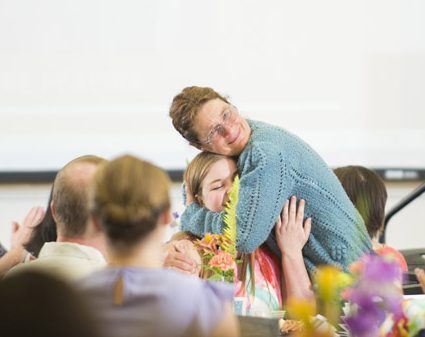
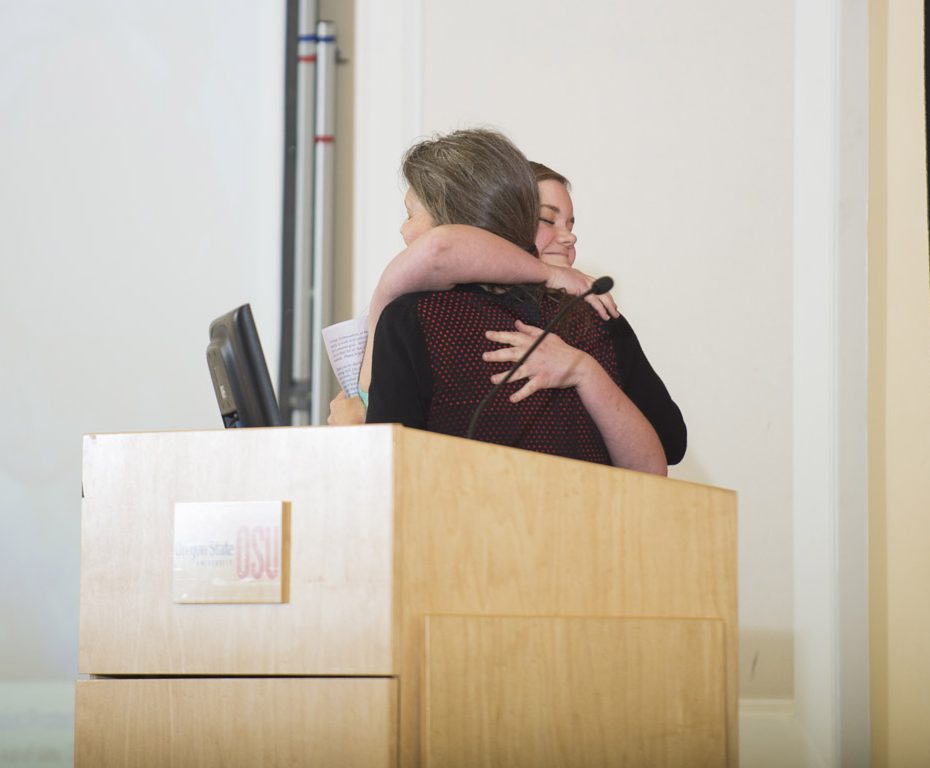
Two women hugging each other behind podium

Celebrating scholarship at our annual dessert

Celebrating at the Scholarship Dessert

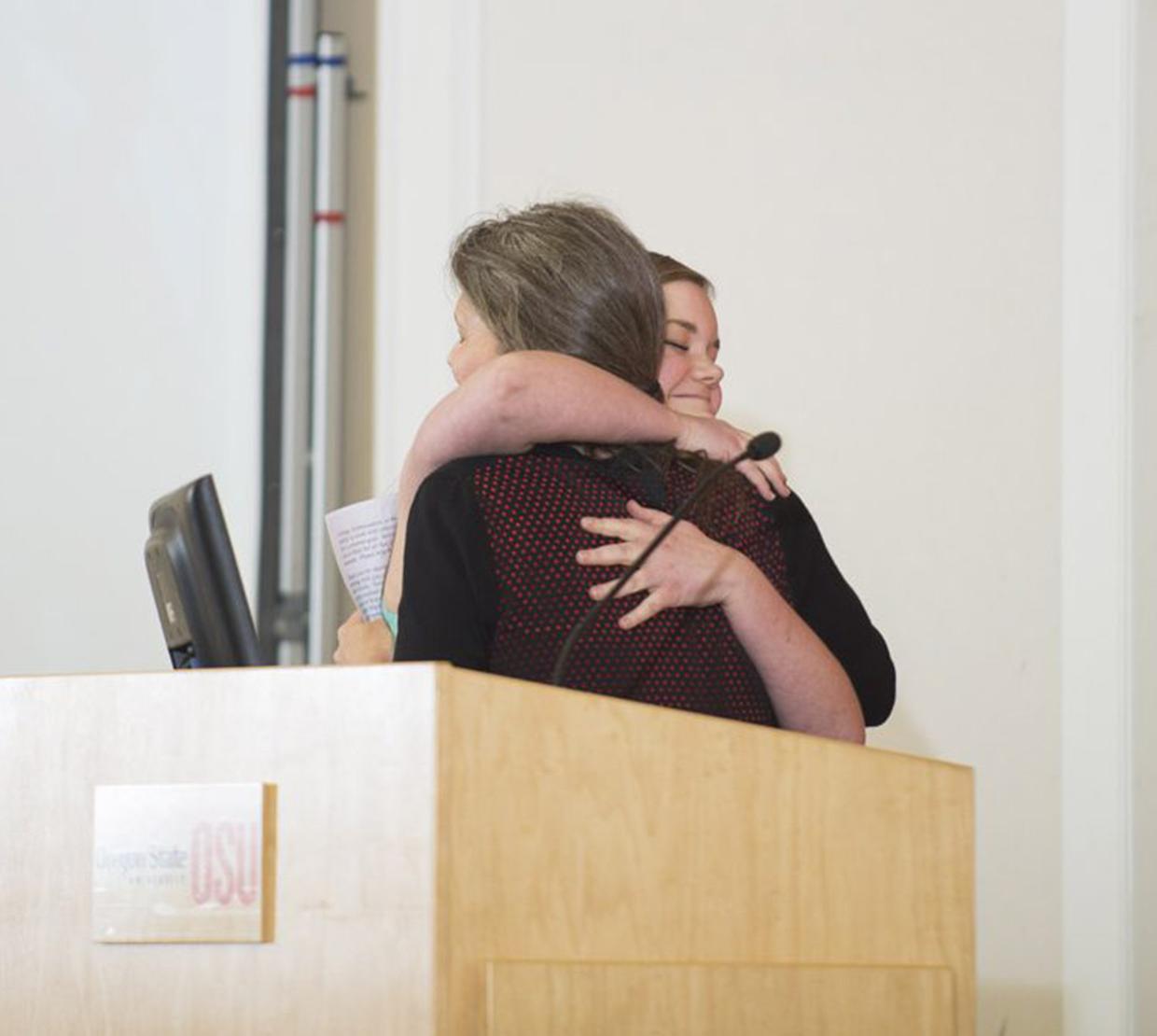
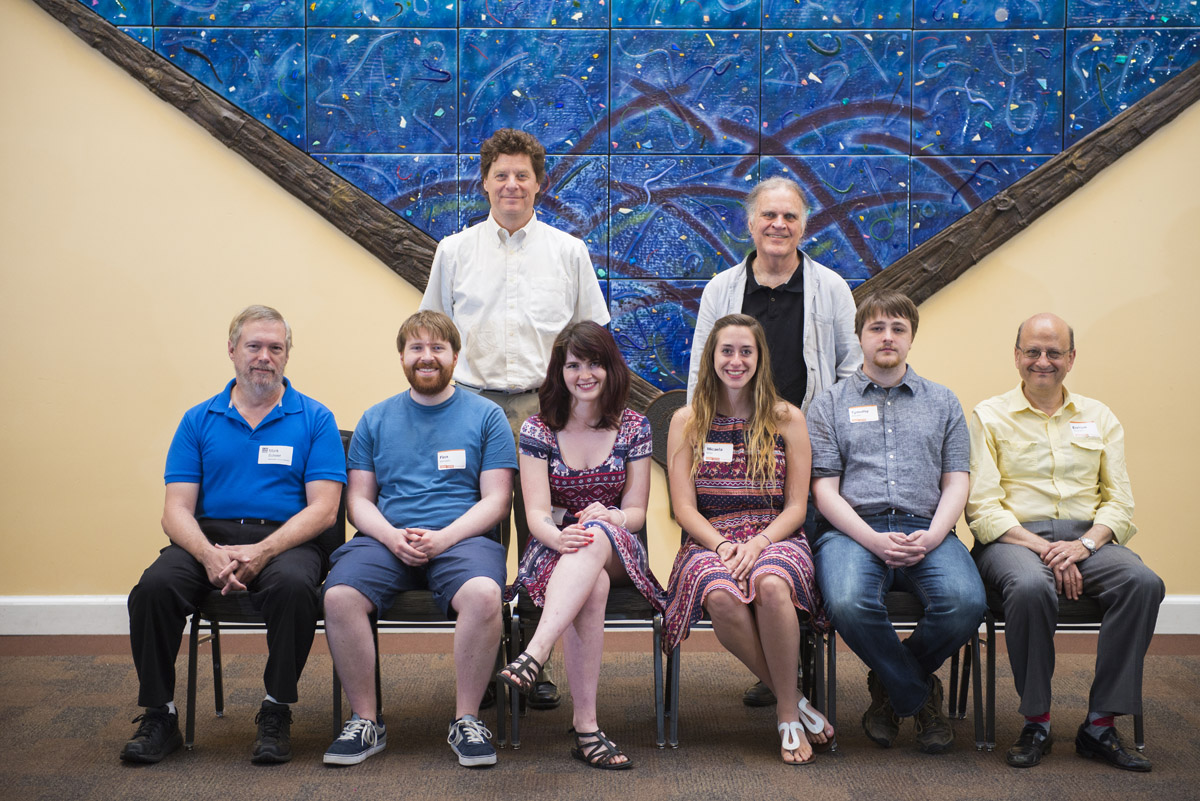
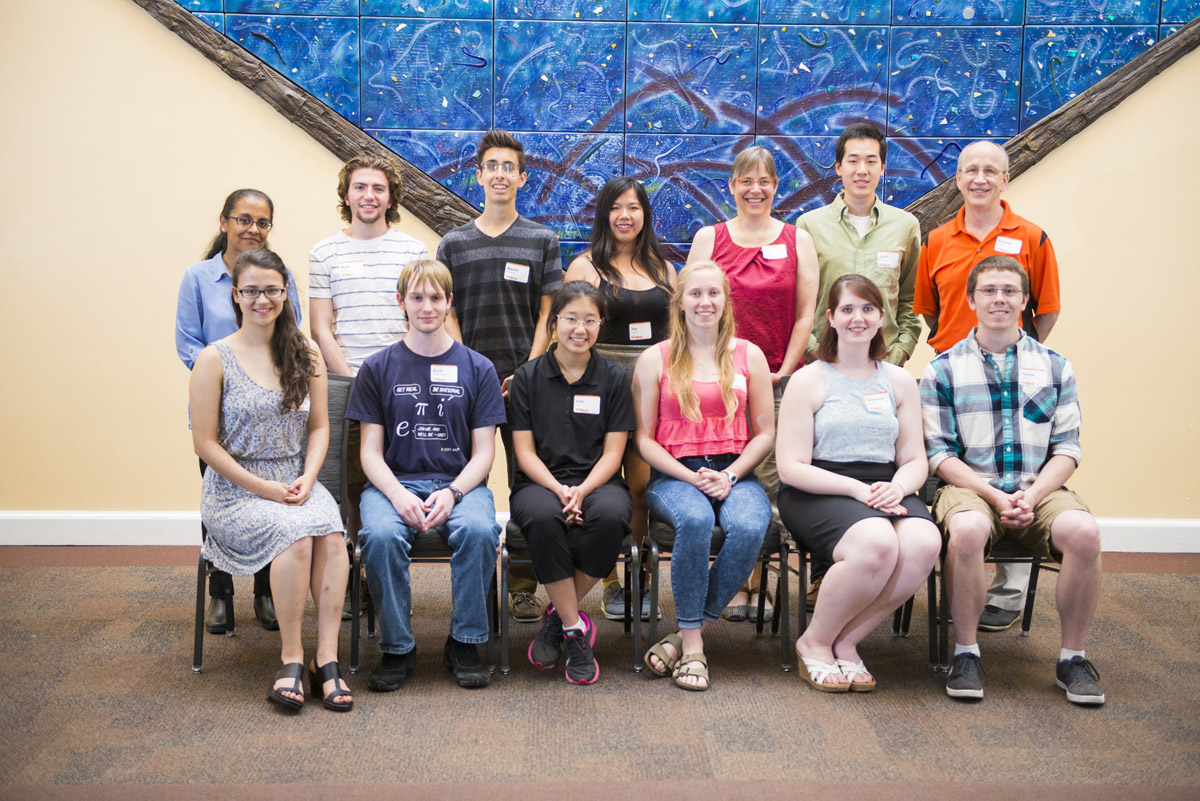
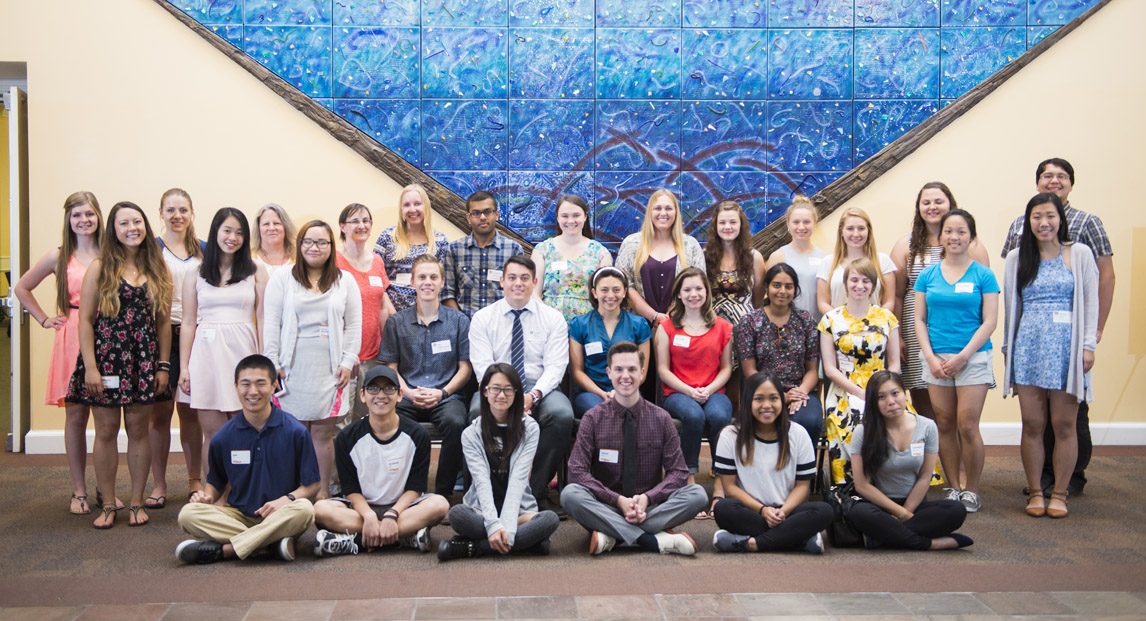
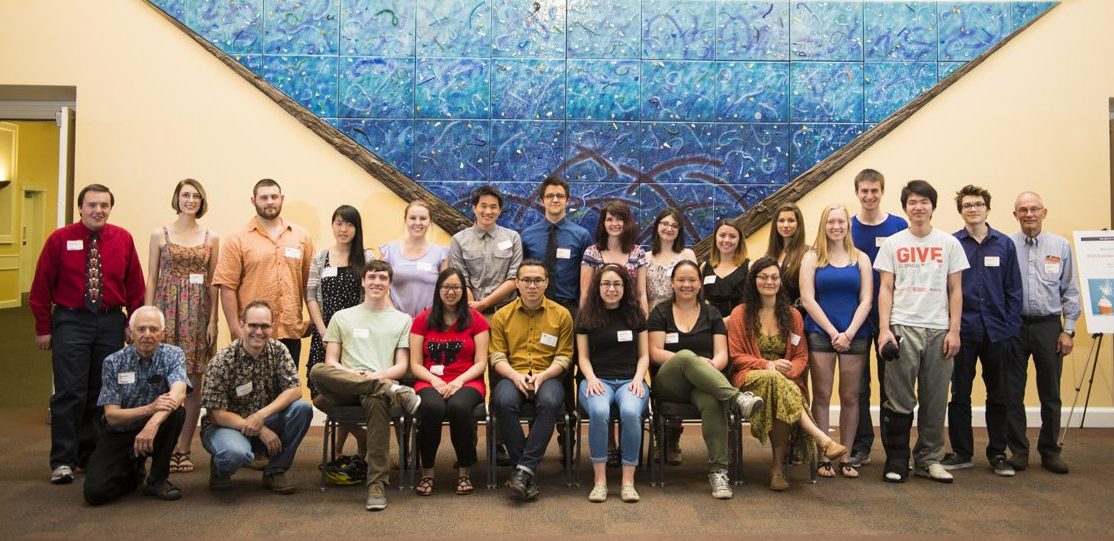
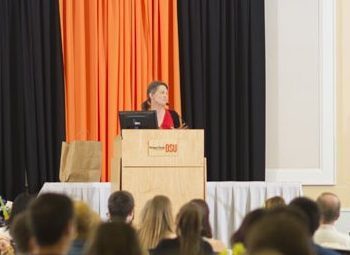
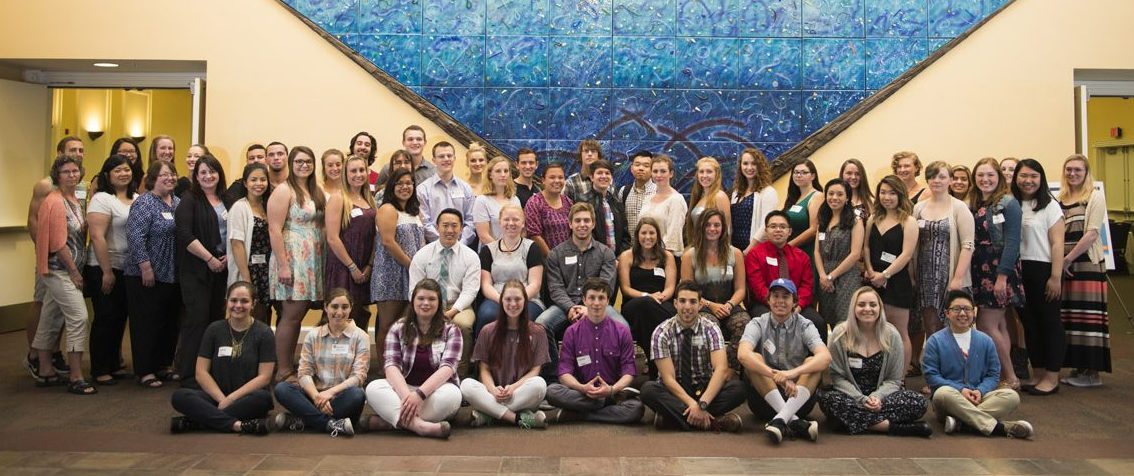
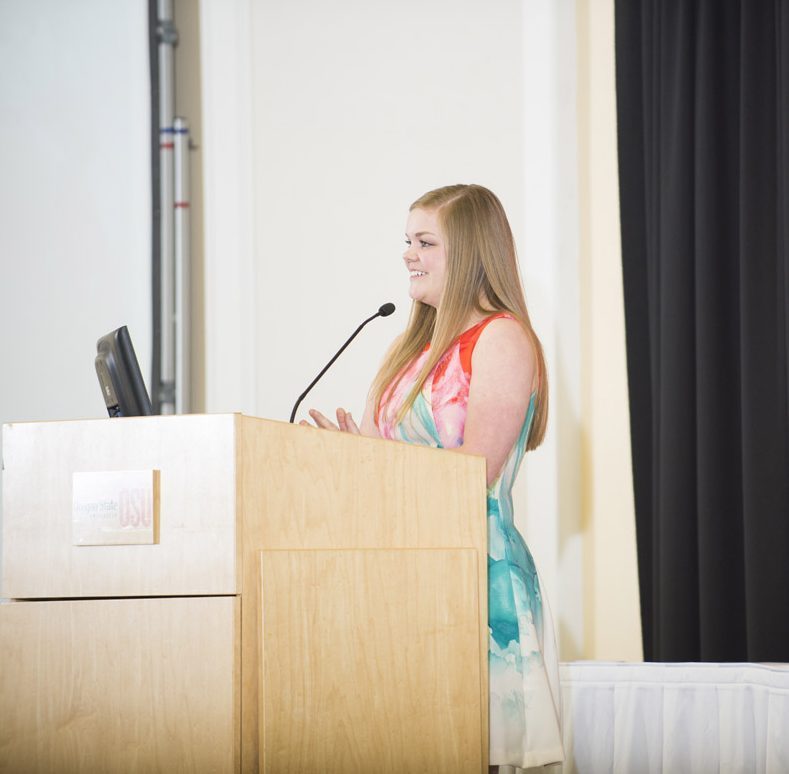
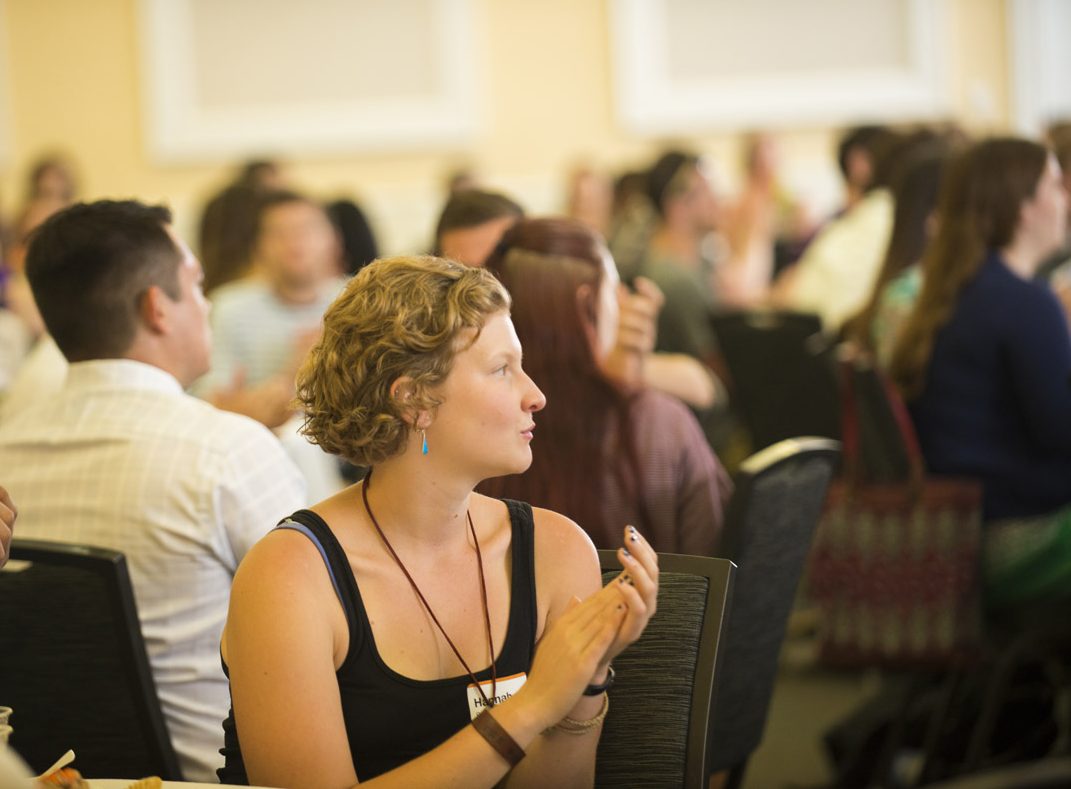
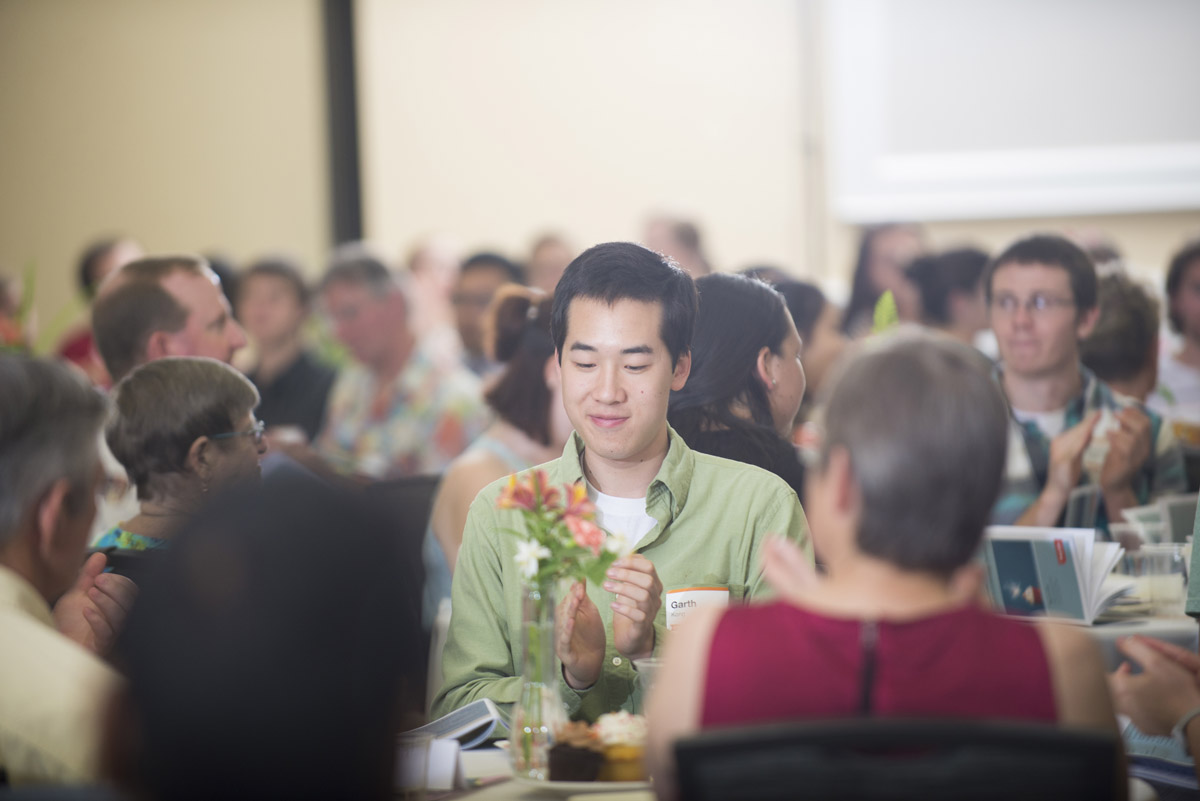
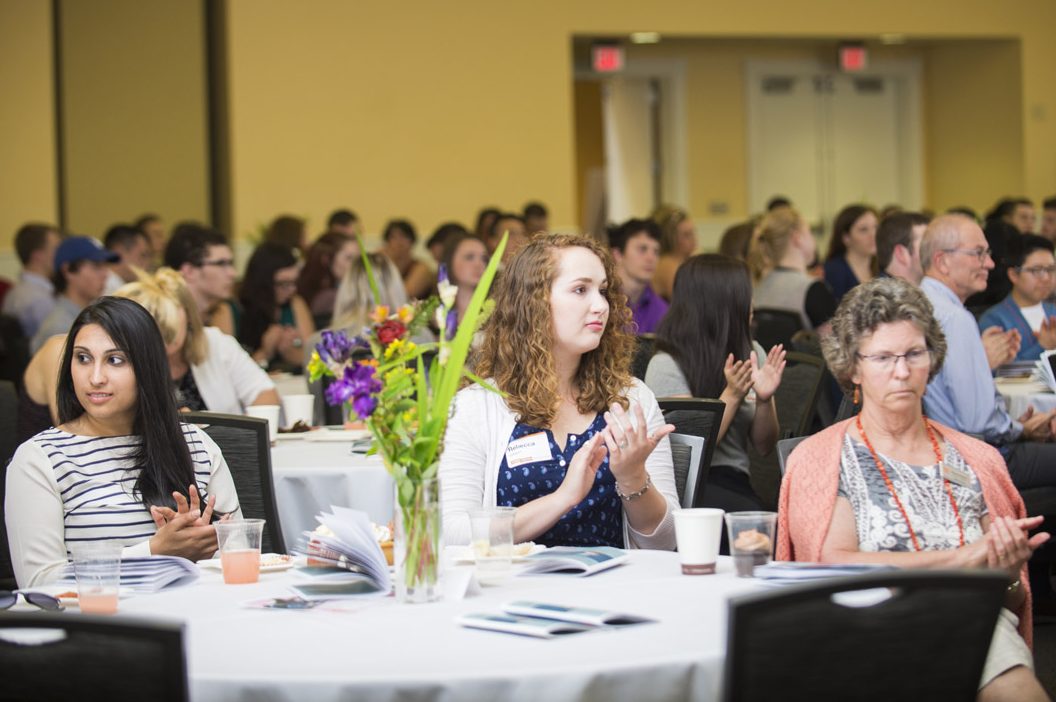
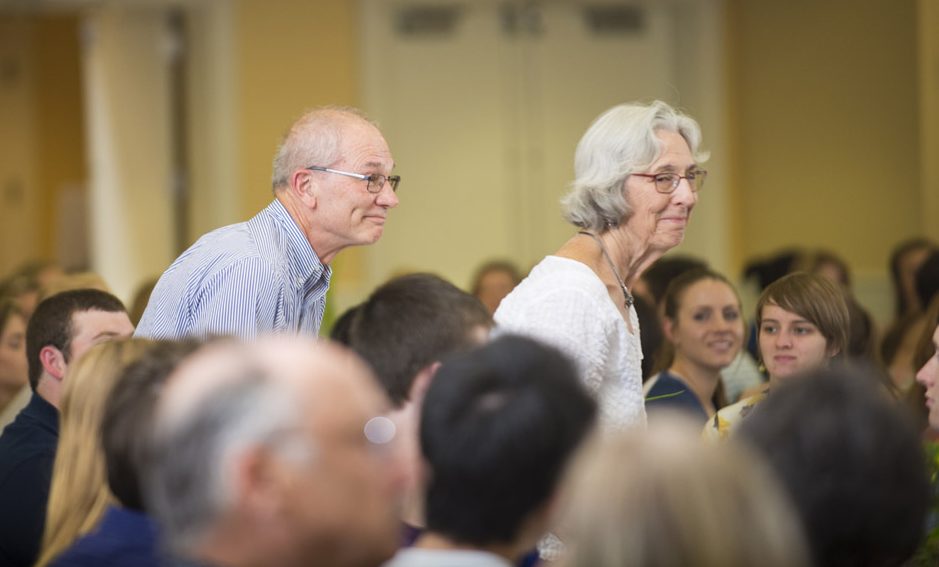
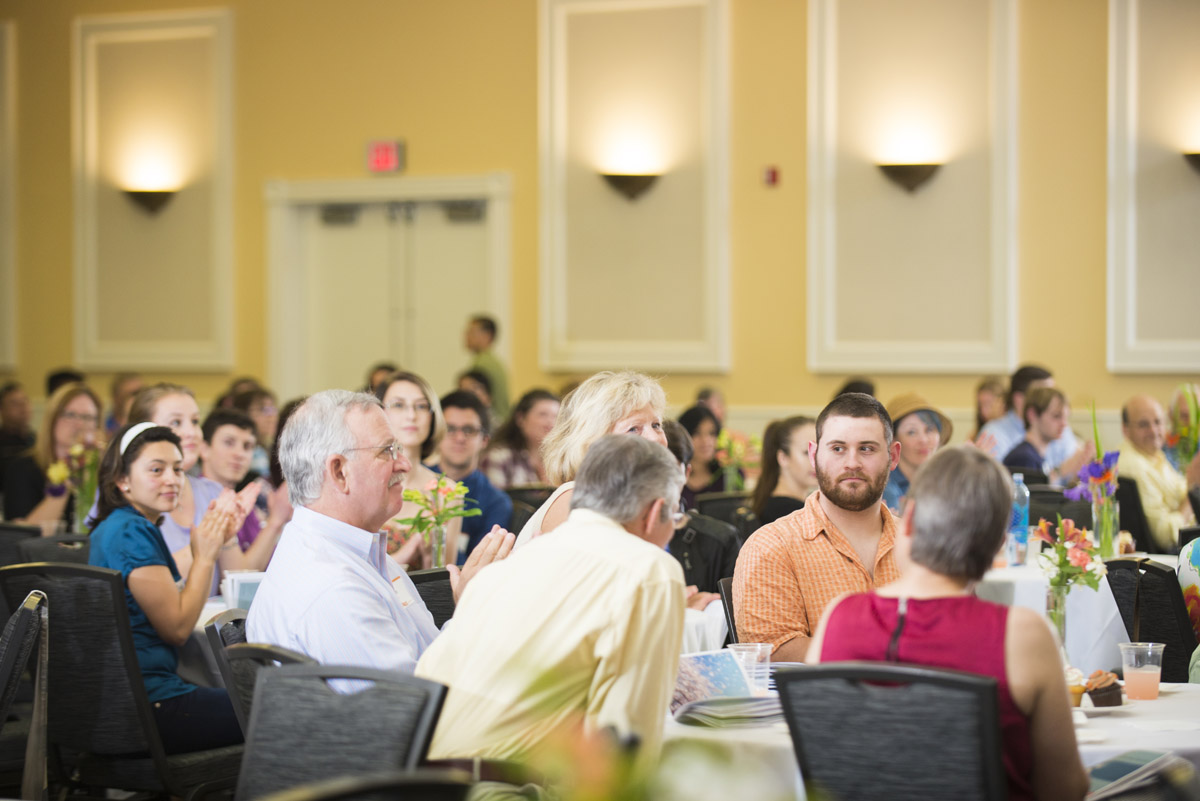
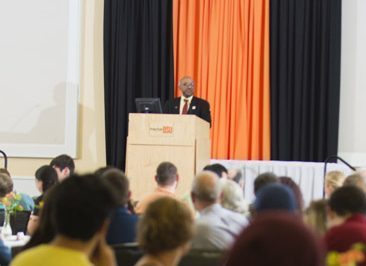
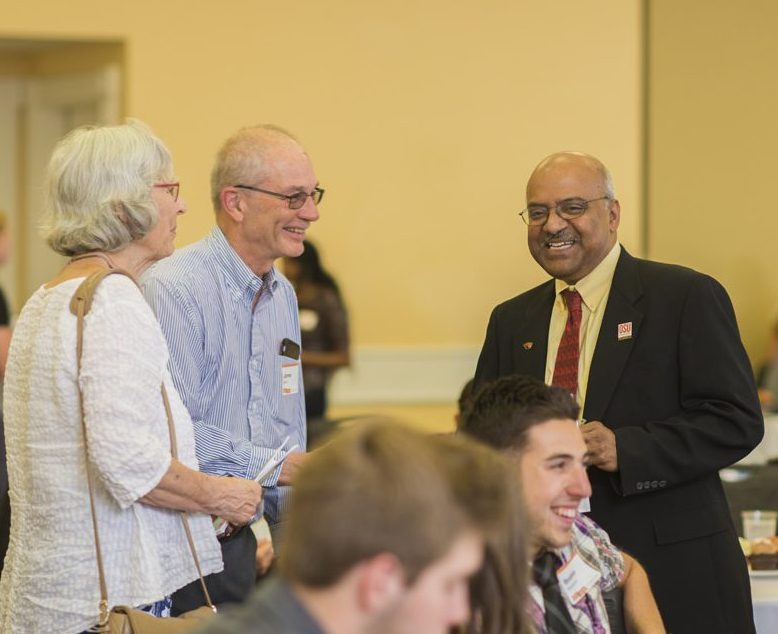
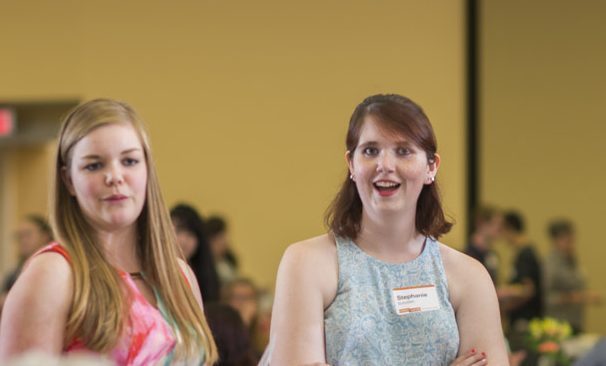
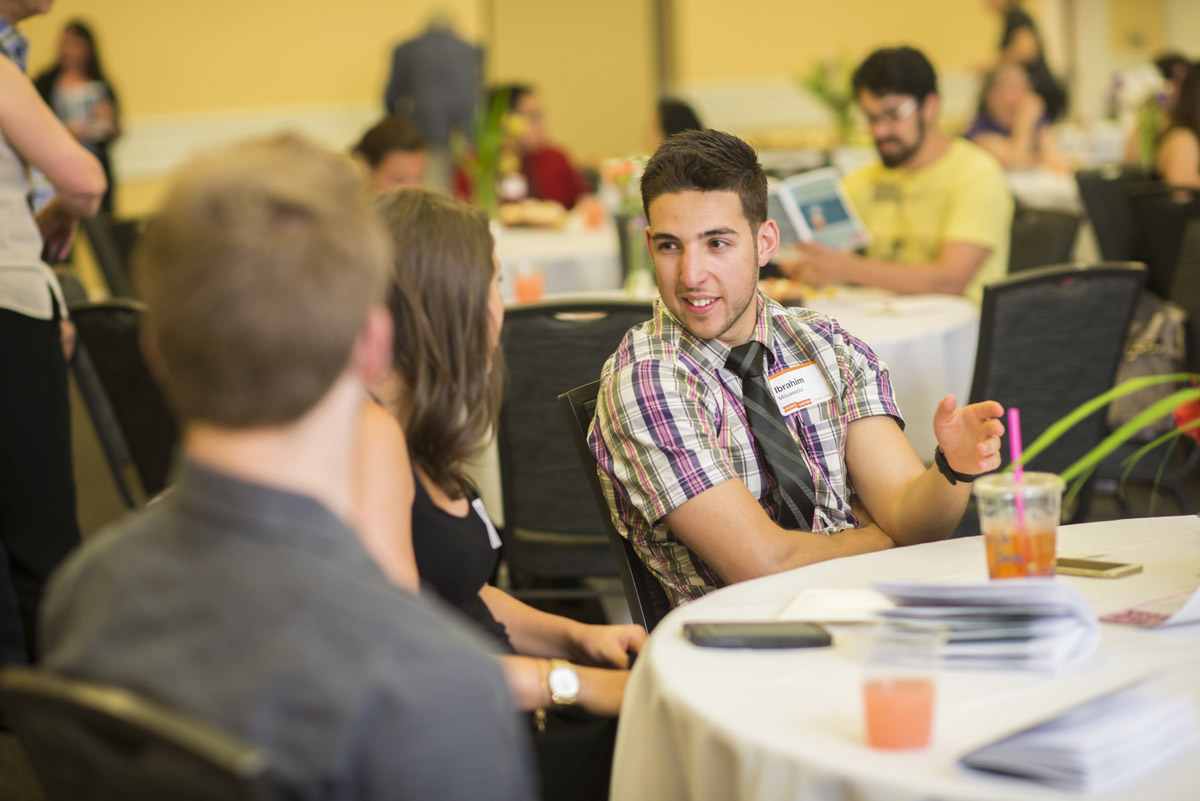
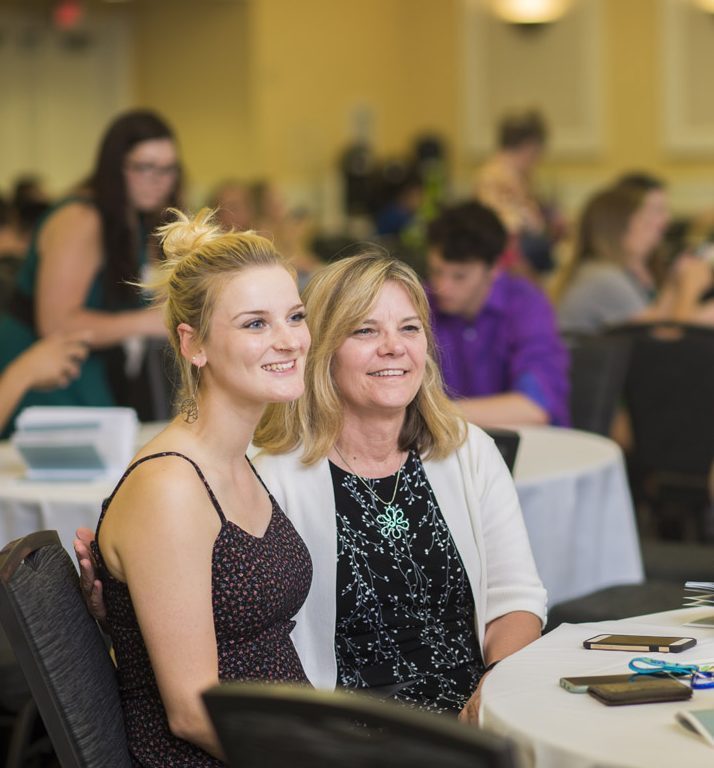
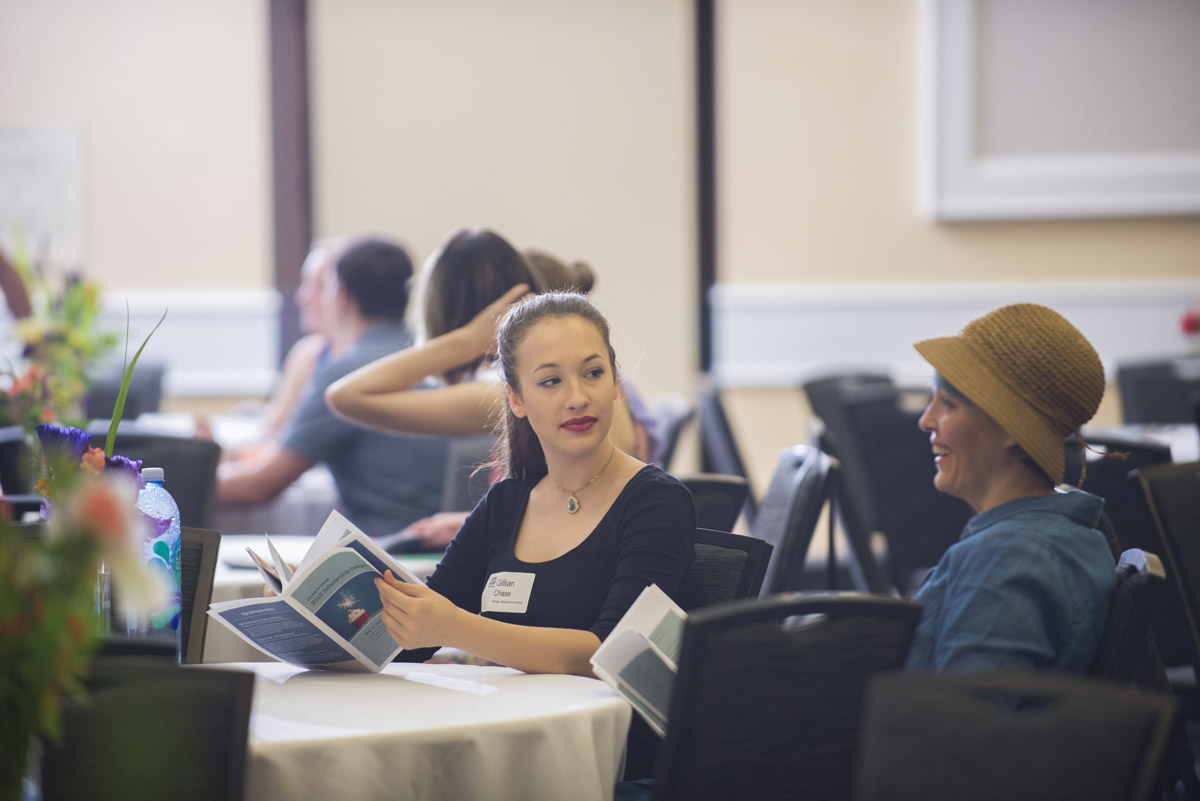
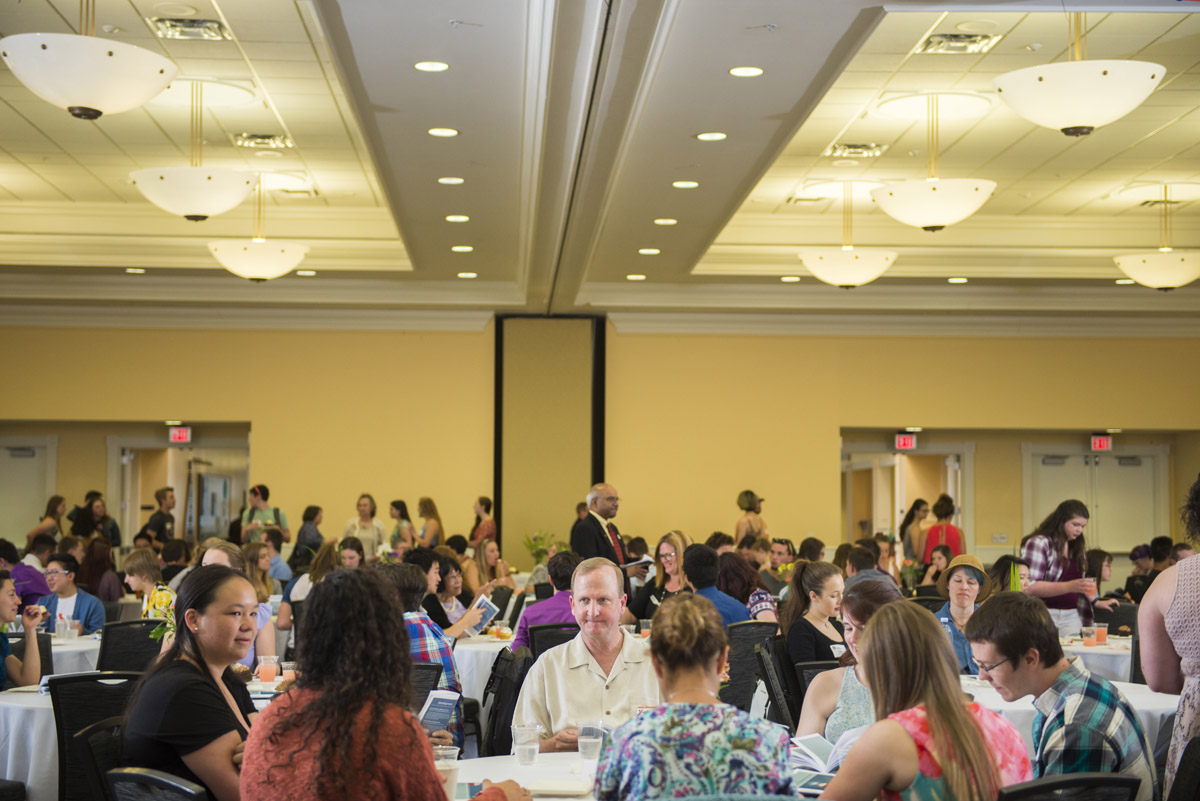
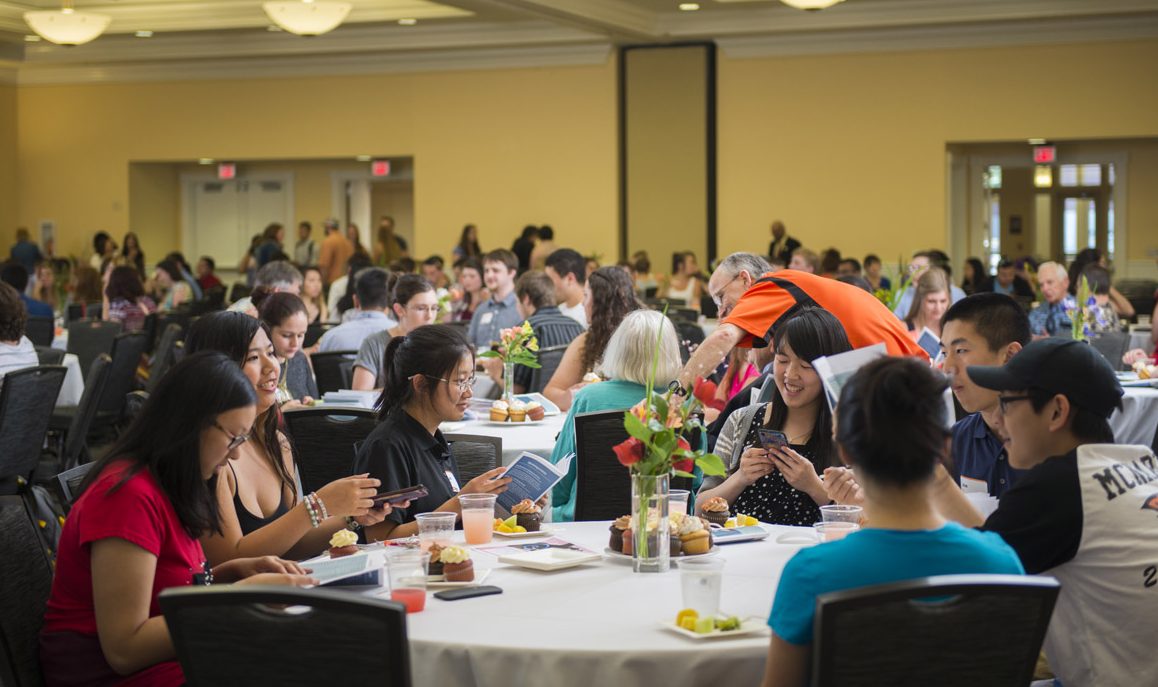
The College of Science celebrated our outstanding scholarship students at our annual spring Scholarship Dessert in June. For the 2016-17 academic year, the College awarded scholarships for merit, need and undergraduate research experiences. The Scholarship Dessert—a festive occasion—connects students, their families, advisors, faculty and many alumni/friends whose generous support funds these awards.

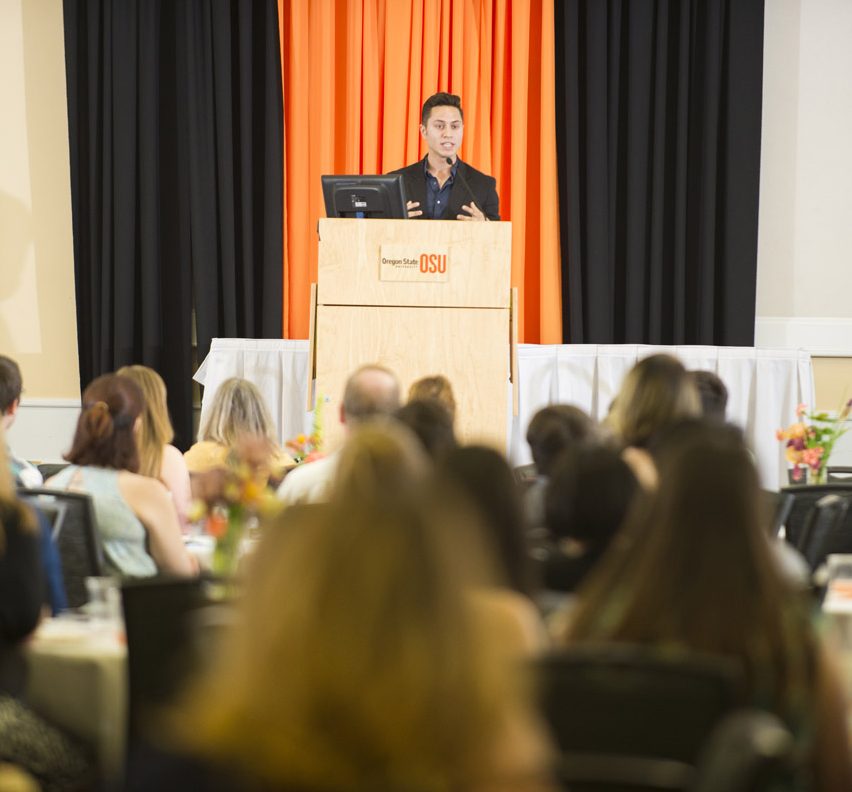
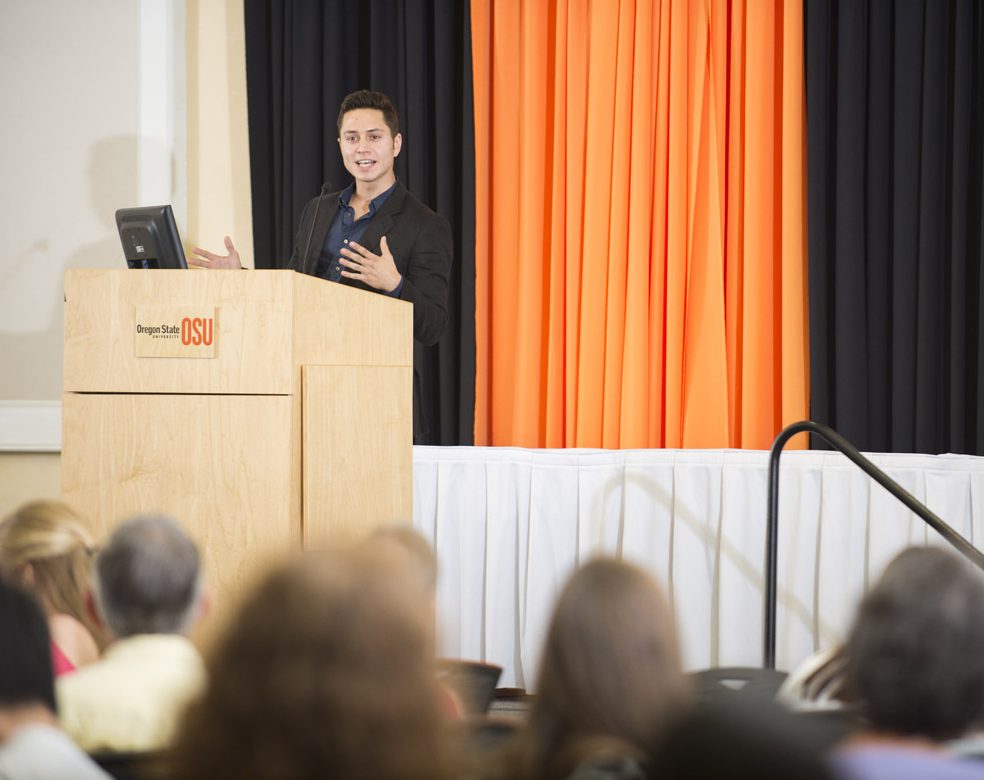
This year two scholarship recipients spoke, Shan Lansing, a senior chemistry major, and Jackson Dougan ('13), a recent integrative biology alumnus. They shared their unique perspectives and experiences about their science education, transformative experiences and the power of scholarships.

For a complete list of our scholarships, visit: science.oregonstate.edu/scholarships.

Scenes from our 2016 Scholarship Dessert

Lisa Haney painting of bacteria characters driving human car

Gut check: More than butterflies in our stomach

Illustration by Lisa Haney

Thomas Sharpton, a professor in both microbiology and statistics, will present a Science Pub to clarify exactly what the microbiome is, how it is studied and why it is important to our everyday lives. Sharpton will also discuss how our understanding of the microbiome will ultimately facilitate important social and medical transformations.

This Science Pub event will be held April 11, 2016, from 6 - 8 pm at the Old World Deli, 341 SW 2nd St. in Corvallis.

Recent research has revealed that the human body is covered in a diverse array of microorganisms. Most of these bacteria, viruses and fungi are located in the gastrointestinal tract. This community is collectively referred to as the gut microbiome and plays an important role in human health: disease resistance, some cancers, cardiovascular disease and our mental state. Changes in the microbiome have been linked to acute and chronic diseases and can even affect behavior. These observations raise the issue of what it means to be human.

During a postdoctoral research fellowship at the Gladstone Institute in San Francisco, Tom Sharpton developed new ways to analyze microbiome data.

“We take DNA from an entire consortium of cells that comprises the microbial community and sequence them all simultaneously. What we get is an alphabet soup,” he explains. “We use the computer to determine what DNA came from what organism.”

The Science Pub presentation is free and open to the public. Sponsors of Science Pub include OSU's Terra magazine, the Downtown Corvallis Association and the Oregon Museum of Science and Industry.

Check out upcoming Science Pubs.


Read more stories about: events, faculty and staff, microbiology, statistics


Star icon above light texture

Faculty excellence: Promotions and tenure 2015

Promotions and tenure 2015

The College of Science is proud to congratulate the following faculty for receiving promotions and/or tenure this spring. A well deserved pat on the back for their excellent work!

Tremendous consideration goes into each promotion and tenure decision. The dean’s office, department chairs, promotions and tenure committee members, faculty, external reviewers, students who offer letters of support, and of course the individual faculty member spends many hours preparing, processing and reviewing the documentation. The process is extremely rigorous in order to award the best candidates for promotion and/or tenure.

Special thanks to our College of Science Promotions and Tenure Committee for devoting a significant time this spring engaged in the review process. Also, thanks to the provost and the University Promotions and Tenure Committee for their hard work in evaluating and supporting the outstanding accomplishments of our faculty.

Biochemistry & Biophysics Department

Lanelle Connolly has been promoted to Senior Faculty Research Assistant I of Biochemistry and Biophysics, effective July 1, 2015.

Dr. Indira Rajagopal has been promoted to Senior Instructor II of Biochemistry and Biophysics, effective July 1, 2015.

Chemistry Department

Dr. Christopher M. Beaudry has been promoted to Associate Professor of Chemistry and granted indefinite tenure, effective September 16, 2015.

Dr. Ha Yeon (Paul) Cheong has been promoted to Associate Professor of Chemistry and granted indefinite tenure, effective September 16, 2015.

Dr. Jeff Walker has been promoted to Senior Instructor II of Chemistry, effective July 1, 2015.

Paula Joy Edwards Weiss has been promoted to Senior Instructor I of Chemistry, effective July 1, 2015.

Integrative Biology Department

Dr. Lesley Mae Blair has been promoted to Senior Instructor II of Integrative Biology, effective July 1, 2015.

Dr. Francis Chan has been promoted to Associate Professor, Senior Research of Integrative Biology, effective July 1, 2015.

Eileen Shin Yeu Chow has been promoted to Senior Faculty Research Assistant I of Integrative Biology, effective July 1, 2015.

Mark Lavery has been promoted to Senior Instructor II of Integrative Biology, effective July 1, 2015.

Dr. David Lytle has been promoted to Professor of Integrative Biology, effective September 16, 2015.

Mathematics Department

Dr. Christine Escher has been promoted to Professor of Mathematics, effective September 16, 2015.

Dr. Filix Maisch has been promoted to Senior Instructor I of Mathematics, effective September 16, 2015.

Microbiology Department

Dr. Linda Diane Bruslind has been promoted to Senior Instructor II of Microbiology, effective July 1, 2015.

Dr. Katharine Field has been promoted to Professor of Microbiology, effective July 1, 2015.

Statistics Department

Dr. Yanming Di has been promoted to Associate Professor in Statistics and granted indefinite tenure, effective September 16, 2015.

Dr. Alix Gitelman has been promoted to Professor of Statistics, effective September 16, 2015.

Keep up the excellent work!

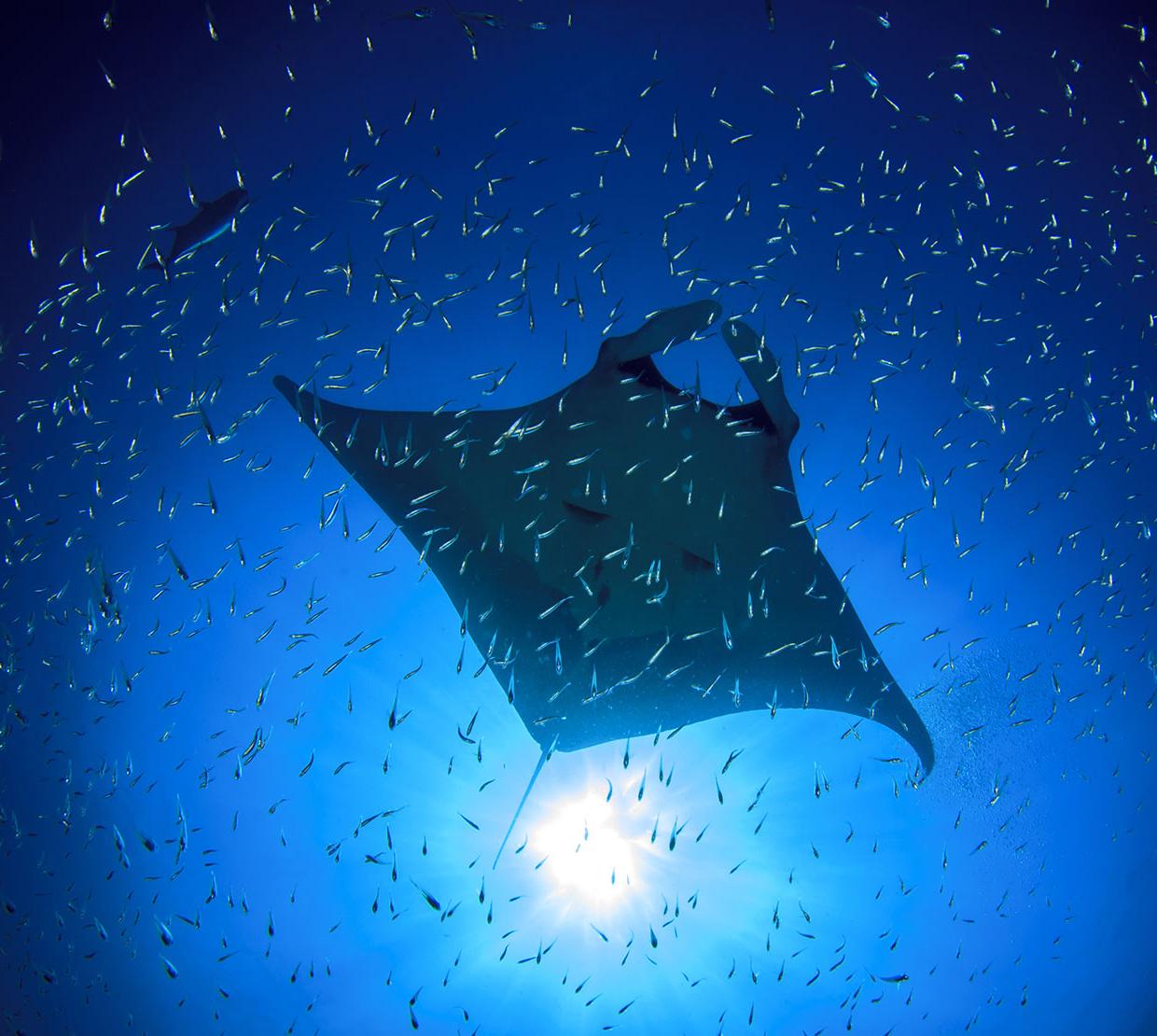
manta ray swimming though krill

Bio+Math

By Srila Nayak

Sting Ray swimming through krill near ocean surface

The ever-growing field of mathematical biosciences

In the last two years, the College of Science has focused on augmenting its expertise in data and life sciences with strategic hires in mathematical biology and bioinformatics. Almost immediately the new faculty have strengthened interdisciplinary and collaborative research in the College as well as across OSU.

These faculty have quickly connected with scientists across campus, paving the way for interdisciplinary research and broader training of graduate and undergraduate students in different areas of science.

Among the key hires are David Hendrix, assistant professor of biochemistry/biophysics and computer science; Duo Jiang, assistant professor of statistics; David Koslicki, assistant professor of mathematics; Patrick De Leenheer, professor of mathematics and integrative biology; Thomas Sharpton, assistant professor of microbiology and statistics.

“I am thrilled to welcome this extraordinarily talented cohort to the College,” said Sastry G. Pantula, dean of the College of Science.

“They will strengthen our foundation in fundamental sciences while building bridges to enable discoveries in other sciences, engineering and education.”

While the need for mathematical biosciences has grown rapidly due to massive sets of data in life sciences, computational and mathematical algorithms and new statistical methodology, the current community of mathematical bioscientists remains relatively small. The new faculty will strengthen the College’s efforts to advance research at the intersection of mathematical, statistical and biosciences research and nurture a new generation of scientists in a comprehensive, systematic way.

Mathematical Biology: What is it?

De Leenheer is one of a growing number of researchers worldwide who works in both the mathematical and biological sciences. De Leenheer uses mathematics to better understand how a variety of biological systems behave.

Although mathematical biology evolved throughout the twentieth-century, only in the last couple decades has it become its own branch of applied mathematics, primarily because research in biology and medicine has become more dependent on mathematics and computation. To illustrate, federal agencies such as NSF have initiated programs in Mathematical Biology and Research at the Interface of Biological, Mathematical and Physical Sciences.

De Leenheer uses dynamical mathematical models that describe and illuminate biological processes ranging from the cellular to the ecological scale. Currently, he is developing new modeling approaches for the analysis and design of Marine Protected Areas (MPA) to enhance fisheries as part of an NSF-funded project. This work will be instrumental in better informing policymakers on MPA implementation.

Bioinformatics: The new age of data

Bioinformatics professors David Koslicki and Thomas Sharpton have found Oregon State particularly favorable for their research, thanks to the extremely collaborative culture and the high-quality biological and computing resources at the Center for Genome Research and Biocomputing.

“A transdisciplinary field, bioinformatics requires expertise in biology, computer science, mathematics and statistics. It's rare that one researcher has sufficient expertise in all these areas so collaboration is often needed to solve a problem,” says Sharpton.

“OSU is easily the most collaborative environment that I have been a part of, and the supportive and interactive nature of my colleagues helps produce more impactful bioinformatic discoveries at a faster rate.”

Bioinformatics, which is the creation of software tools, algorithms and databases to analyze biological data, evolved into a discipline in the 1970s with the development of DNA sequencing. The explosive quantities of genomics-related data have spurred the growth of bioinformatics databases and tools for a variety of biological fields: medicine, microbiology, ecology, pharmacology, and many more.

“We have massive data sets that have the ability to transform many different fields,” says Koslicki. “But you need algorithms that are extremely efficient to be able to analyze these things.”

So, what does a bioinformatics project look like?

Koslicki invented a bacterial community reconstruction tool in which he sequenced the DNA of an environmental sample to determine which bacteria were present. Using an optimization technique derived from mathematical theory, Koslicki developed a swifter, more accurate method of classifying bacteria.

“Simultaneously, we were able to develop the algorithm to help the biology as well as learn some new mathematics about these compressed sensing techniques that hadn’t been observed before,” remarked Koslicki.

Spanning microbiology and statistics, Sharpton’s lab researches DNA sequences of microorganisms that live on the human body, known as the human microbiome, to understand how they influence health.

“Bioinformatics is critical to our work,” says Sharpton.

“We develop and apply computational and statistical methods to ascertain which microbes comprise the human microbiome, their biological functions, and their association with human health.”

The College of Science is investing in young, diverse faculty whether it’s to advance OSU’s Marine Studies Initiative or national priorities like precision medicine. Currently we are recruiting a quantitative biologist, two computational biologists and senior leaders in mathematics and statistics.

Teaching the next generation of students

Mathematical biology has a reputation for being one of the most difficult branches of applied mathematics, but that only spurs Leenheer and Koslicki’s determination to mentor and train the next generation of students who will work at the intersection of mathematics and biology.

“The important thing as I train graduate students is that they should have a solid mathematical background,” says Koslicki. “Presently, I am teaching the probability sequence. Probability is key for the kinds of things I do. In addition, students need to be able to program and to work with these big data kind of problems."

De Leenheer adds, "In the next five years, I hope to see biology students who have taken certain math courses in order to go to that next step and start using math as a tool in their own research. That would be fantastic."

Maduka Ogba standing in front of black backdrop

Student research

Maduka Ogba, chemistry graduate student

Research highlights

The College of Science has an extensive and deep research portfolio that is globally recognized, providing our students enriching and life-changing experiences working alongside leading scientists and researchers in the College.

Our students

Our students are engaged in authentic inquiry, a hallmark of science education. They engage in collaborative research with our extraordinary faculty to make a difference in the world. This rigorous preparation helps them develop knowledge through hands-on learning in the lab and in the field. This not only helps our students become scientists, but it also teaches them how to think like scientists.

Condensing enzymes into short catalytic peptides, while preserving nature's efficiency and precision, is at the frontier of modern synthetic chemistry and biology. However, factors critical for imbuing reactivity and selectivity are poorly understood in these systems due to the structural flexibility and weakness of interactions controlling catalysis. Chemistry graduate student Maduka Ogba is developing cheminformatics protocols to provide a tool set for the rapid, systematic, and complete atomistic understanding of all catalytic peptides.

Microbiology graduate student Connor Driscoll is studying the ecological role of viruses in freshwater algal blooms, focusing on their roles in shaping population structure and driving bloom turnover over or decline. This research improves our understanding of how harmful algal blooms form and die, and may also provide a natural treatment for harmful blooms, helping to protect freshwater sources.

Michelle Tan, a Biochemistry/Biophysics undergraduate, investigates autophagy - a process in which cells digest components of themselves in order to recycle energy and nutrients - and its induction following exposure to coibamide A, a natural product produced by a Panamanian marine bacterium. The role of autophagy is currently unclear, and there is debate over whether the process acts as a survival mechanism or as a promoter of cell death in various cancers. Michelle's research will provide a more detailed understanding of how autophagy induction might be used in the future to prevent the progression of cancer using new pharmacological compounds.

Biology undergraduate Skylar Fuller is working with Rhodococcus fascians, a Gram-positive plant bacteria that causes disease by making plant hormones (and disrupting normal hormone levels). Because Gram-positive bacteria are understudied, every discovery she makes will contribute to new knowledge in understanding how this group of bacteria causes disease.

Biochemistry/Biophysics undergraduate student Aaron Sugiyama observes the effects of aging on mammalian liver cells, specifically the age-related increase of senescent liver cells. Senescence (which occurs when cells stop dividing) has several hallmarks, including, but not limited to, heightened inflammation, changing gene expression and increased resistance to apoptotic signals. All of these characteristics make senescent cells hazardous to mammalian health and the accumulation of these cells over time may contribute to the decline of overall health with age. Aaron is working to determine if there is a significant increase of senescent liver cells with age. After determining what relationship exists (if any) between senescent liver cells and age, the next step is to determine which liver cell types display senescent characteristics.

Chemistry graduate student Hanyang Zhang researches the synthesis, characterization and application of graphite intercalation compounds. By making the space between the graphite layers larger than pristine graphite, these layer-structured materials can serve as pillaring hosts for lithium ion insertion, making them future candidates for use in rechargeable batteries.

Chemistry graduate student Breland Oscar studies photochemical reactions in fluorescent proteins that occur before the chromophore emits light. Using ultrafast lasers makes it possible to view vibrational peaks of the light-sensitive chromophore within fractions of a second of illumination. This allows her to track chemical reactions as they occur. Since fluorescent protein biosensors are used extensively to image living systems, it is important to understand their fundamental chemistry in order to establish new and innovative design principles.

Statistics graduate student Bin Zhuo’s current research mainly focuses on applying a generalized, linear mixed model to RNA-Sequencing data and making inferences on differential expressions of genes. The linear mixed model is a state-of-the-art method used in genomic studies. He is also exploring models of dispersion parameters under Negative Binomial assumptions.

Chemistry graduate student Leah Chibwe researches the potential formation of toxic byproducts during the remediation of soils contaminated with polycyclic aromatic hydrocarbons (PAHs). PAHs are contaminants released into the environment through an incomplete combustion of organic matter. These sources, which can include forest fires, volcanic eruptions and cigarette smoke, are toxic, persistent compounds that tend to deposit into the soil. Remediation is used to treat soils and destroy these contaminants. However, the compounds might be transformed into even more toxic oxygen containing derivatives of these PAHs. Her research explores the toxicity of soil and understanding the fate of PAHs after remediation, as well as identifying the potential formation of toxic byproducts.

Ruin theory is a field in actuarial science using stochastic processes to model the wealth of a non-life insurance company. This theory relies on the probability of ruin, (the chance that a company goes bankrupt). Mathematics graduate student Sooie-Hoe Loke analyzes equations for ruin probability using the delayed claims and risky investment model and the dual risk model that evaluates cost and profit. Last year, he presented his research in Buenos Aires and Liverpool.

Tablet showing human anatomy research

Attracting top talent in science

Biomedical research

The College of Science has partnered with ARCS Foundation Portland Chapter to recruit top applicants to PhD programs in the departments of biochemistry and biophysics, chemistry, mathematics, microbiology, statistics and integrative biology.

ARCS® Foundation (Achievement Rewards for College Scientists) is a distinguished national non-profit volunteer women’s organization dedicated to advancing our nation’s competitiveness in scientific and technological innovation.

“These departments in the College of Science are recognized by ARCS Foundation as being among the top research programs in the country,” said Jean Josephson, president of the Portland Chapter of the ARCS Foundation.

The Portland Chapter will raise funds for ARCS Scholar Awards for the College of Science. This week two awards were earmarked for the College of Science to recruit top doctoral candidates entering one of the six programs in the 2014-2015 academic year. Each award is $18,000, payable over three years.

"I am thrilled for the College to partner with ARCS Foundation Portland Chapter,” said College of Science Dean Sastry G. Pantula.

“Their generous support for our departments will help us attract the best graduate students to OSU and help them realize their dreams. We will transform them into leaders in science to improve people’s lives in Oregon and around the world."

The College of Science joins the College of Engineering, College of Forestry and College of Earth, Ocean, and Atmospheric Sciences as partners of the ARCS Foundation Portland Chapter.

Through partnerships with 55 of America’s most highly ranked universities, ARCS Foundation provides significant financial awards to U.S. graduate students who are most capable of innovative pursuits in science, engineering and medical research. ARCS Foundation employs a scholar award model that provides flexible and unrestricted funding that can be a game changer for these fledgling researchers.

Subscribe to Microbiology