Integrative Biology

Integrative Biology

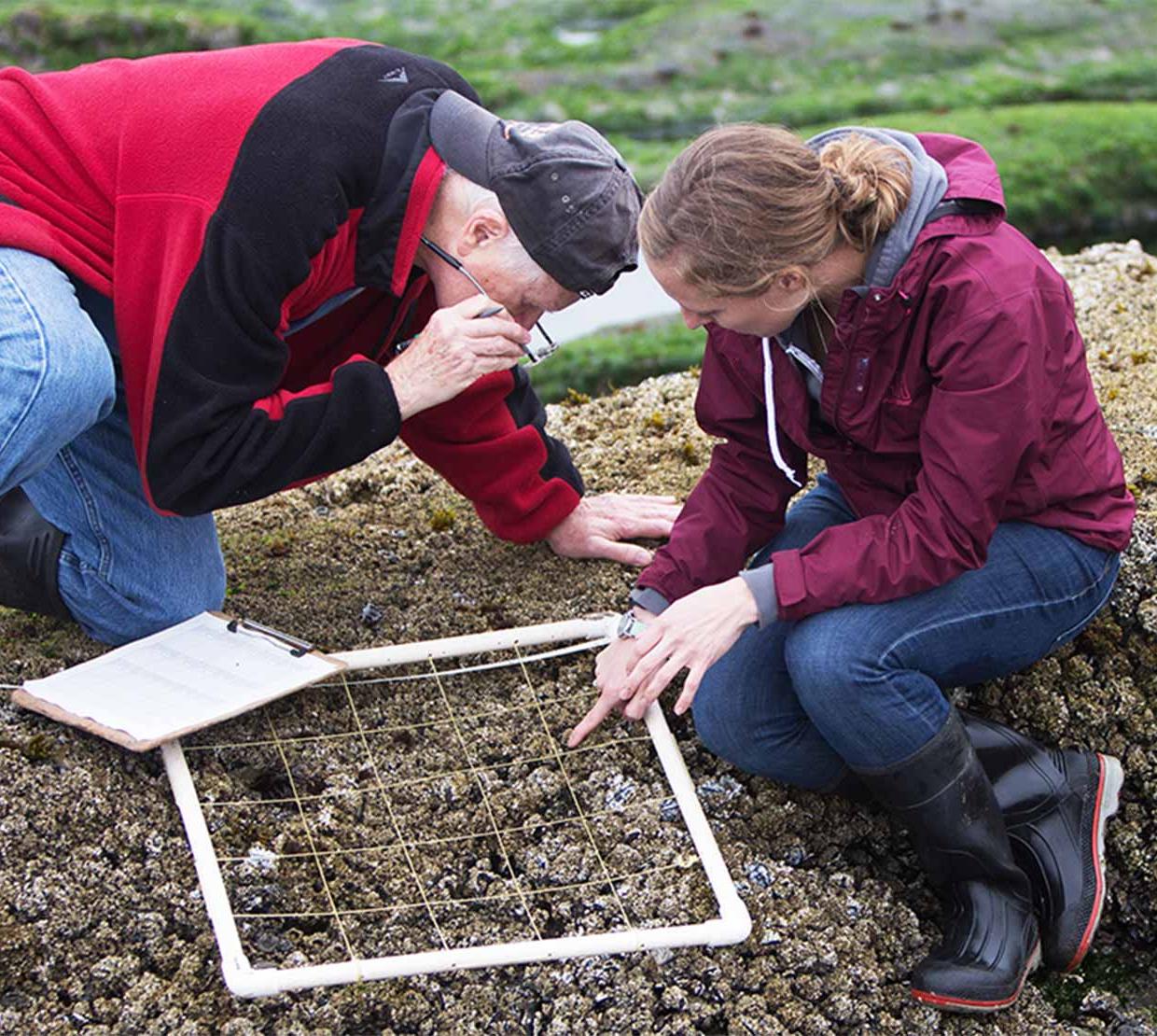
student and mentor studying section of soil

Online Environmental Sciences program ranked No.2 in country

By Srila Nayak

On campus environmental science bachelor program

“The History of Life on earth has been a history of interaction between living things and their surroundings,” writes Rachel Carson in her environmental classic Silent Spring (1962). An education in Earth’s natural and physical environments and their interrelationships is at the foundation of the top-ranked interdisciplinary Environmental Sciences undergraduate program at Oregon State.

Global warming, species extinction, air and water pollution, natural resource depletion, and renewable energy demands are rapidly changing the world we live in. These developments require the expertise and knowledge of environmental scientists who can assess, tackle and mitigate environmental challenges as well as help preserve a healthy natural environment. According to the Bureau of Labor Statistics, employment of environmental scientists is projected to increase 11 percent from 2016 to 2026.

Housed in the College of Earth, Ocean and Atmospheric Sciences, Oregon State’s online and on campus environmental sciences bachelor program is setting high standards for excellence. U.S. News & World Report features OSU in its top 40 programs for Best Global Universities for Environment/Ecology, awarding it a rank of 36 amongst similar programs worldwide.

The online program in environmental sciences was ranked No. 2 in the nation by Online Colleges in its ranking for Best Online Colleges for Environmental Science in 2018. For its rankings, Online Colleges “collected data from the National Center for Education Statistics’ Integrated Postsecondary Education Data System (IPEDS) and utilized a custom methodology to ascertain the ten best schools for environmental science in the United States.”

Students can earn an environmental sciences degree both on campus and through online courses, which are taught by Oregon State faculty, many of whom are in the College of Science. The online bachelor of science degree in environmental sciences is offered by OSU’s award-winning Ecampus. With a focus on eco-oriented programs as well as a broad swath of fields from anthropology to computer science, OSU Ecampus has racked up top place rankings in almost every prestigious survey of online degree programs. Since 2014, U.S. News & World Report has ranked OSU Ecampus in its top 10 online bachelor’s programs.

Breaking down boundaries: An interdisciplinary approach

One of the great strengths of environmental sciences at OSU is undoubtedly its interdisciplinary character. The program emphasizes the biological, physical, earth and natural sciences as well as the integration of social sciences that cover a wide range of subject areas from ethics to environmental law, policy and management.

Director of the Environmental Sciences Program Laurence Becker explains that the program offers a broad base in the sciences with a great deal of academic flexibility for students who love the environment and desire a broad exposure to both science and environmental law and policy.

An attractive feature of the program is that students can choose from one of nine options that range from studies in alternative energy and environmental science education to earth systems and environmental water resources. The most popular options are applied ecology and conservation, resources and sustainability.

In addition, the major offers two certificates: one in the popular field of geographic information science (GIS) and the other in scientific, technical and professional communication. All of the specializations are available online through Ecampus except alternative energy and environmental science education.

More often than not students discover their vocation as they experience different facets of environmental science training in this nontraditional program.

“This program allows them to remain open to different job opportunities and different areas of environmental science they are exposed to in their undergraduate career. The broad degree allows students to shift along the way if needed and many discover interests they wouldn’t have dreamed of in the beginning,” said Becker.

The science in environmental sciences

Science is a foundation for the degree because environmental studies majors need the scientific aptitude to apply complex concepts in biology, chemistry, mathematics and physics in order to understand challenging environmental issues and seek solutions. Quantitative coursework in differential, integral calculus and statistical methods prepare students to design research models and employ analytical tools to study and assess the environmental impact of development projects and businesses.

The bachelor of science degree in Environmental Sciences requires all students to complete a full year of basic science courses in biology and chemistry, as well as courses in calculus, statistics and physics.

The environmental sciences curriculum comprises many core courses that are taught in the College of Science. It offers students different specializations in the program as well as a rigorous foundation in theoretical and experimental upper-level science courses, including:

  • Ecology (BI 370), which is central to the degree program
  • Marine ecology
  • Ecological methods
  • Animal behavior
  • Human ecology
  • Conservation of marine mammals
  • Modern chemical analysis, among others.

For example, a specialization in aquatic biology comprises coursework in a diverse and exciting mix of courses in marine and invertebrate biology offered by the College of Science, oceanography in the College of Earth, Ocean and Environmental Sciences and courses in biological resources at the College of Forestry.

The strong presence of science in the basic, core and specialized components of the Environmental Sciences program enhances both its rigor and cross-disciplinary power.

Develop expertise that makes a difference to all

An experiential learning requirement offers students the opportunity to complete an environmental science related internship, research project, field course or a study abroad experience.

Becker points out that online students are encouraged to pursue internships; on-campus students often undertake research projects or internships.

The experiences often turn out to have a lasting impact on student careers, explains Becker. Students discover opportunities to pursue significant internships in the areas of hydrology, wildlife management, conservation science, biochemistry and geoscience across local and federal government agencies, research centers, environmental consulting firms and not-for-profit organizations. It is not unusual for quite a few of them to translate into longer-term opportunities and job offers.

The broad versus the narrow

Becker often meets parents of prospective students who are nervous about job prospects within a broad field of study.

“The program’s training in science and social science cultivates a broad knowledge of natural sciences with ethics and policy. We often attract students from more specialized majors such as engineering who don’t feel comfortable in a narrower choice of subjects and are motivated by a deep love for the environment.”

The most attractive feature of the degree is the wide variety of careers it throws open for graduates. Environmental scientists can work in local government, private companies, law firms, not-for-profit groups or government agencies such as the Environmental Protection Agency, the National Park Service, or the United States Geological Survey. Students also get into competitive law school programs and other graduate programs in the sciences and policy.

Due to the unique constellations of quantitative, analytical and research skills in addition to writing and communication abilities that they acquire from the interdisciplinary curriculum, environmental science students find themselves well suited to a diverse range of jobs across environmental science, policy, education and consulting firms.

“It is incumbent on us as advisors and teachers to help students find something that they are passionate about,” said Becker.

Each year Becker invites seniors and recent alumni to speak to first-year students in his Environmental Sciences Orientation class. During a recent visit, a talented environmental sciences alumnus who was also a ROTC (Reserve Officers Trainings Corps) graduate at OSU, shared insights gleaned from his professional journey.

He had easily found employment, working at positions related to the field of environmental sciences that were nonetheless very different from one another. A fourth job change landed him an enviable position in the Oregon National Guard where he leads the environmental management of their facilities.

The alumnus had a message about the enduring advantages of an environmental sciences degree: “The degree because of its breadth allowed me to apply for jobs that I hadn’t worked in.”

“Having this broad background allowed for a possibility of change when the opportunity arose,” added Becker.

Given the rising demand for experts in the field, OSU environmental scientists will be having an impact on the world around us for many decades to come.

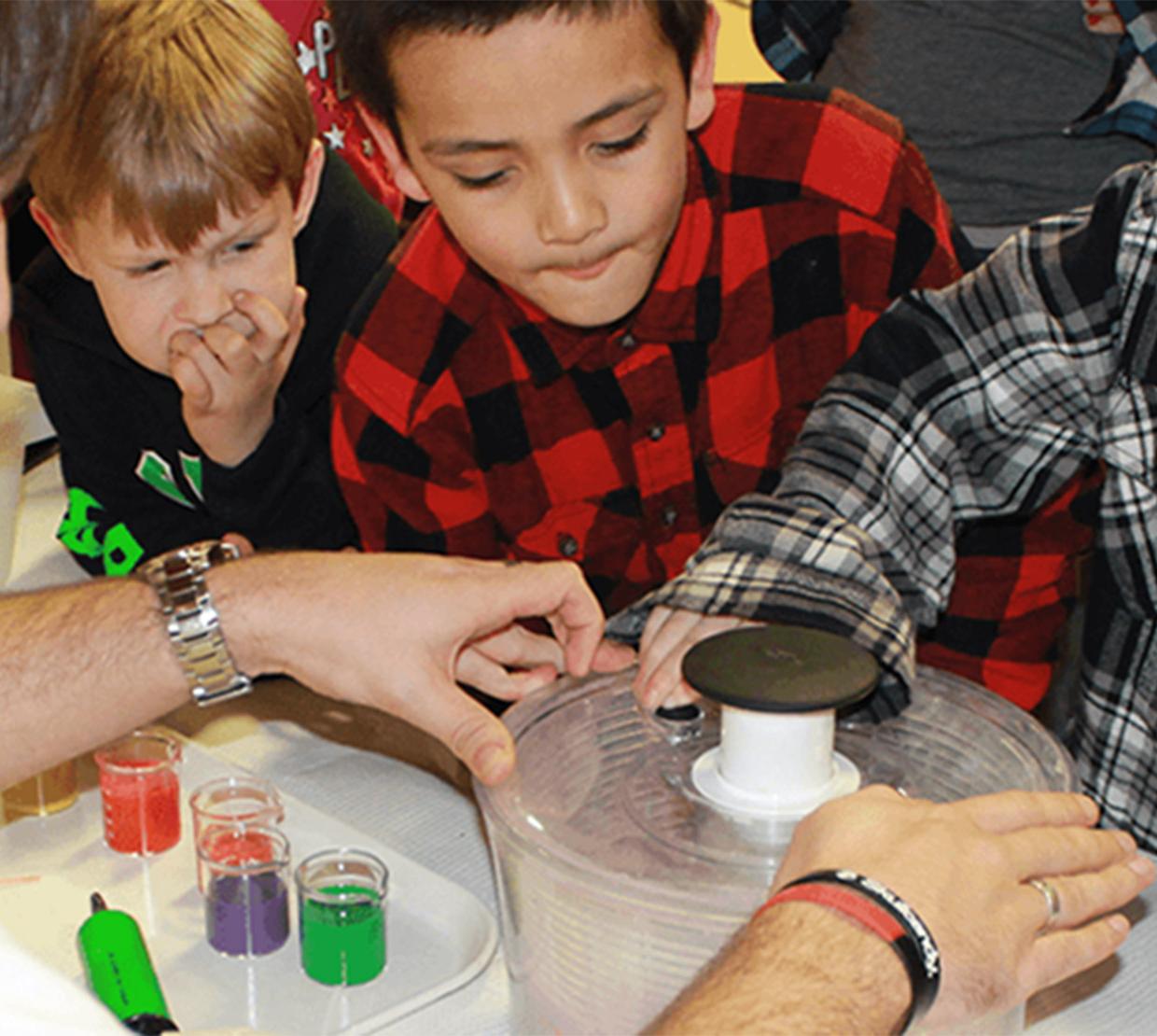
children looking at science themed booth

From the lab to the world: OMSI Science Communication Fellowships

The OMSI Science Communication Fellowship Program

Applications are open for Oregon's top academic and professional fellowship program: The Oregon Museum of Science and Industry's OMSI Science Communication Fellowship. For spring 2018, the fellowship is open to researchers or science professionals including faculty, graduate students, technicians, or other individuals in STEM and health related professions.

The deadline for applications is Wednesday, November 1.

Held primarily in Corvallis, OR on the OSU campus, OMSI Fellows participate in a series of professional development workshops that cover science communication best practices and provide opportunities for participants to practice new skills and techniques. In collaboration with OMSI, each Fellow will develop a unique hands-on educational activity designed to communicate their research to public audiences and will join OMSI in engaging museum visitors with these activities at Meet a Scientist events.

A series of four professional development workshops will focus on building skills to effectively communicate scientific research with broader audiences. Workshops are 3-4 hours each, spaced over the course of three to four months.

Tuition for the program is $1850 per participant. The Science Dean's Office will cover half the tuition for all accepted College of Science applicants.

The OMSI Science Communication Fellowship Program is an excellent way to fulfill broader impact and outreach goals for grant-funded research at OSU. Many of the participants in the Fellowship program secure their tuition through broader impacts or education and outreach components of current research grants.

An online application and further information about the Fellowship program can be found on OMSI's website.
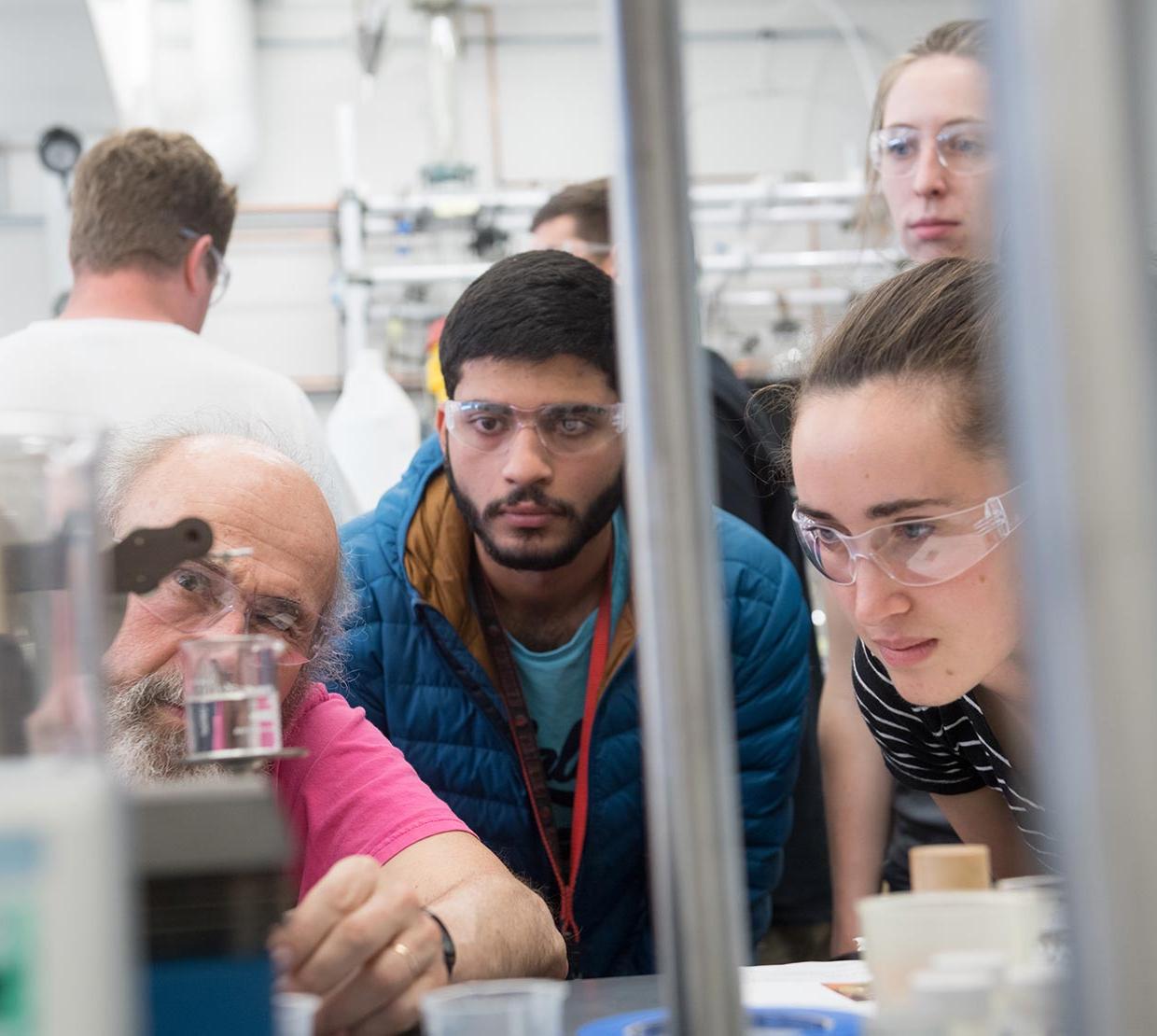
Science students with professor looking at experiment in lab

Science students awarded second highest number of scholarships at OSU

By Steve Lundeberg

Science students in the field

The university has awarded more than $39.5 million in scholarships to students for the 2017-18 academic year, a key component of OSU President Ed Ray’s Student Success Initiative.
Roughly $24.5 million of the total is spread among 7,271 scholarships to returning students. The rest is for awards to 2,532 new/incoming students, including 34 who received a $10,000-per-year Presidential Scholarship, OSU’s most prestigious undergraduate scholarship.

Approximately 35 percent of this year’s first-year students are receiving scholarship support.

Scholarships for science students at an all-time high

College of Science students received the second highest amount of scholarship funds in the university.

More than $7.5 million in scholarship money is going to College of Science students, the college’s highest total ever, said Roy Haggerty, dean of the college. That is triple the amount awarded two years ago. Reasons for the jump include increases in university scholarships and in the number of high-achieving students enrolling in the College.

Nearly $5 million is allocated to 1,344 scholarships for returning students. The rest is for awards to 570 incoming/new students, including nine who received a Presidential Scholarship.

This year more than half of the college’s first-year students received scholarship support.

“Scholarships enable the college to attract, retain and inspire top science students, most of whom go on to high-achieving careers in industry, graduate school, medical school and other professional programs after graduation,” Haggerty said.

“Oregon State’s financial-need-based scholarships also help academically talented low-income and first-generation students from Oregon and elsewhere stay and excel in college.”

First-generation students typically have a greater financial need so scholarships are a crucial part of their educational equation, said Haggerty, who was first in his family to attend college.

“In our College, the number of first-generation students has risen from 20 percent to 29 percent in the last five years,” he said. “Many scholarship students in the College of Science attest to the value of scholarships in easing the financial burden on their families and enabling them to focus on academics, research, volunteer activities and post-college career goals.”

College of Engineering netted the highest amount in scholarship support. Thirty-five percent of engineering students are receiving scholarship support. They are receiving $12.7 million, with $7.9 million divided among 1,948 scholarships to returning students. Nineteen of the 804 their incoming scholarship students are Presidential Scholars.

In third place is the College of Business. It was awarded more than $3.7 million in scholarships, including roughly $2.3 million spread among 761 scholarships to returning students. The remainder is awarded to 276 incoming students, including one Presidential Scholar. About 29 percent of this year’s first-year business students are receiving scholarship support.

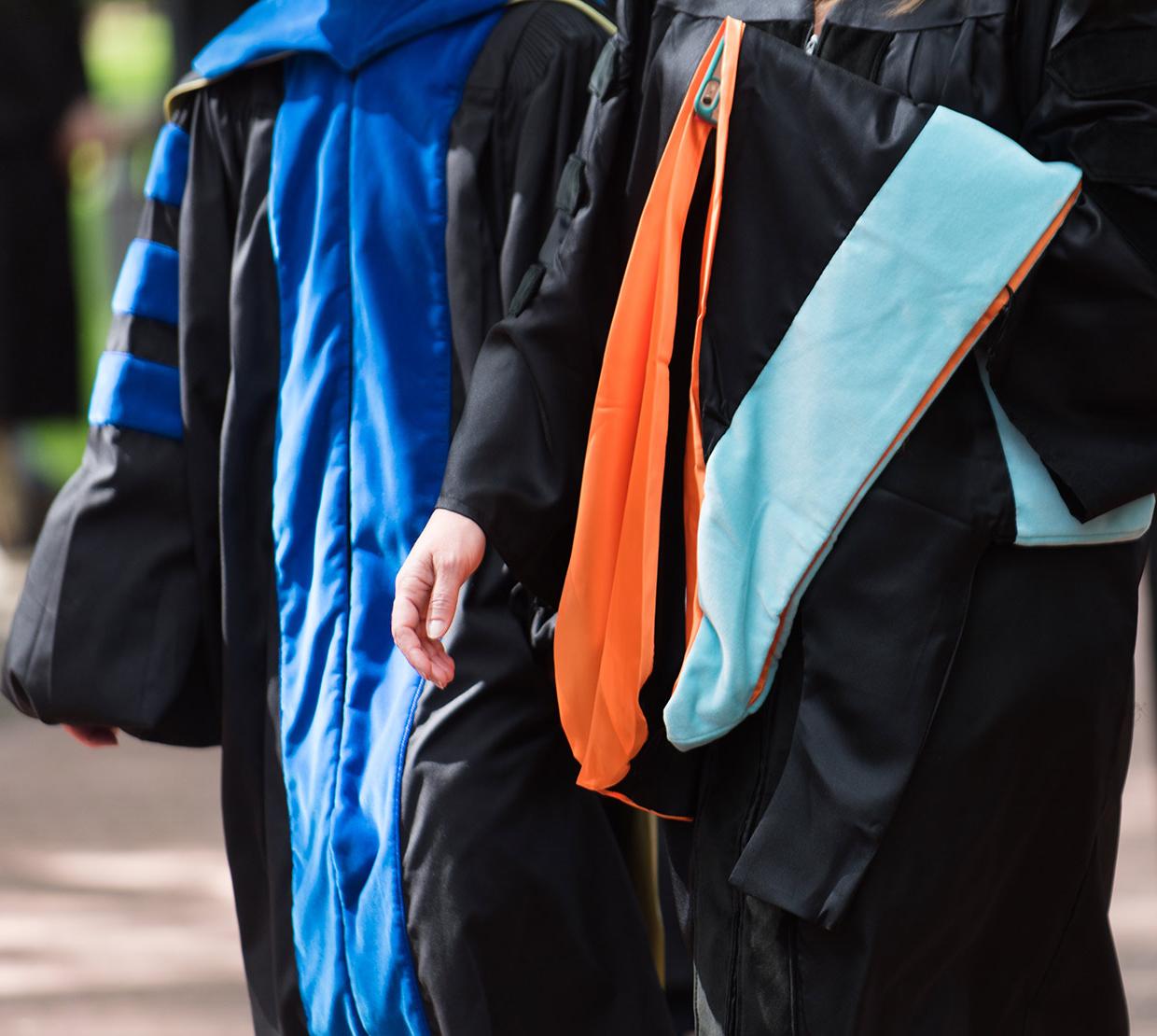
Two professors walking in doctoral gowns on campus

The Class of 2017

By Srila Nayak

2017 graduation

This year’s graduation numbers show that the College of Science has performed exceedingly well on all fronts. The College is graduating a record 629 students with baccalaureate degrees in 2016-17, including 55 honors baccalaureates. This represents a five percent increase from last year.

Biology majors lead the way with 159 graduates, followed by BioHealth Sciences majors with 119. Next are Microbiology majors with 79 graduates, Zoology has 59, Chemistry 51, Mathematics 49, Physics 24, Biochemistry and Biophysics 17 and General Science 17.

In addition, we are graduating 64 master’s and 66 doctoral students. The latter figure constitutes the highest number of Ph.Ds in recent years. In fact, the College is graduating 65% more doctoral students and 33% more masters students than last year.

Overall, Oregon State University graduated 6,807 students in 2017 and 5,590 baccalaureate degrees were awarded to students. The class of 2017 in the College represents 10 majors in the life sciences, physical, mathematical and statistical sciences.

Our graduates accomplish more than they thought imaginable with the help of outstanding professors, who are also scientists at the top of their fields, and a team of dedicated advisors. Supported by awards and scholarships, science students collaborate with faculty to create new knowledge and achieve major scientific breakthroughs.

Many of our graduates have had the opportunity to deepen their scientific knowledge by participating in research in labs across and beyond OSU, ranging from sciences to pharmacy, public health, agricultural sciences, forestry, engineering, robotics and veterinary medicine. For many, research has meant embracing and plumbing the mysteries of the outdoors from diving into marine habitats to field work in diverse terrains and in several parts of the world.

They are leaving OSU as accomplished young scientists in their own right, having begun research in their freshman year; they have presented their work at scientific conferences, co-authored papers in scientific publications with faculty mentors and even won top national awards for their research accomplishments. In fact, OSU ranks among the top 45 research universities in the nation for the number of opportunities it provides undergraduates to participate in research.

Our graduates have also expanded their professional and intellectual horizons by taking part in other transformative experiences such as internships, study abroad programs, leadership experiences and experiential learning in and out of classrooms. These experiences can transform great students into extraordinary leaders in science.

Our 2017 graduates are Fulbright scholars, Thurgood Marshall Scholars, Goldwater nominees, Ford Fellows, future doctors, scientists, entrepreneurs, veterinarians, community leaders, teachers and informed, engaged world citizens. Together they exemplify the College’s commitment to excellence in science education and an inclusive and diverse learning community. We couldn’t be prouder of them!

Each OSU graduate has a compelling story. Here are the stories of a few of our exceptional graduates, in which they reflect on their time at OSU and share their dreams for the future.

Shan Lansing, Chemistry, M.S. 2017

Four years and two degrees later

Swechya Banskota, Biology, 2017

Leadership, healthcare research, artistic diversity: the story of a biology major

Karianna Crowder, Zoology, 2017

From cuddling gibbons to grinding horse teeth

Jason Sandwisch, Chemistry, 2017

A journey to master physical chemistry

Michael Lopez, Mathematics, 2017

Not your typical mathematician: Marine, cop, dad, first generation college graduate

Faculty chatting with one another

Faculty excellence: Promotions and Tenure, 2017

Faculty who received promotions and/or tenure for the 2016-17 academic year

The College of Science congratulates these 18 faculty for receiving promotions and/or tenure for the 2016-17 academic year.

“P&T decisions are one of the most important things I do. I am happy to recognize our outstanding faculty,” said Sastry G. Pantula, dean of the College of Science. “The success of our faculty is essential to the success of our students. Our faculty are not only scholars and teachers, but also are mentors to our students, the next generation of leaders in science.”

Tremendous consideration goes into each promotion and tenure decision. The Provost’s office, the College of Science dean’s office, department heads, promotion and tenure committee members, faculty, external reviewers, student evaluation committees, and of course the individual faculty members all spend many hours preparing, processing and reviewing the documentation. The process is extremely rigorous in order to award the best candidates for promotion and/or tenure.

Special thanks to our College of Science Promotion and Tenure Committee for devoting a significant time engaged in the intense review process.

Congratulations to the following science faculty! We are proud of you.

Biochemistry & Biophysics Department

Dr. Michael Freitag will be promoted to Professor of Biochemistry & Biophysics, effective, September 16, 2017.

Dr. Colin Johnson will be promoted to Associate Professor of Biochemistry & Biophysics and granted indefinite tenure, effective, September 16, 2017.

Dr. Viviana Perez will be promoted to Associate Professor of Biochemistry & Biophysics and granted indefinite tenure, effective, September 16, 2017.

Dr. Kari van Zee will be promoted to Senior Instructor I of Biochemistry & Biophysics, effective, September 16, 2017.

Chemistry Department

Dr. Michael Burand will be promoted to Senior Instructor I of Chemistry, effective, July 1, 2017.

Dr. Xiulei (David) Ji will be promoted to Associate Professor of Chemistry and granted indefinite tenure, effective, September 16, 2017.

Dr. Daniel Myles will be promoted to Senior Instructor II of Chemistry, September 16, 2017.

Dr. Kristin Ziebart will be promoted to Senior Instructor I of Chemistry, effective, July 1, 2017.

Integrative Biology Department

Dr. Dee Denver will be promoted to Professor of Integrative Biology, effective, September 16, 2017.

Dr. Doug Warrick will be promoted to Professor of Integrative Biology, effective, September 16, 2017.

Mathematics Department

Dr. Ren Guo will be promoted to Associate Professor of Mathematics and granted indefinite tenure, effective, September 16, 2017.

Dr. Hoe Woon Kim will be promoted to Senior Instructor I of Mathematics, effective, September 16, 2017.

Dr. Yevgeniy Kovchegov will be promoted to Professor of Mathematics, effective September 16, 2017.

Dr. Clayton Petsche will be promoted to Associate Professor of Mathematics and granted indefinite tenure, effective, September 16, 2017.

Dr. Daniel Rockwell will be promoted to Senior Instructor I of Mathematics, September 16, 2017.

Statistics Department

Dr. Claudio Fuentes will be promoted to Associate Professor of Statistics and granted indefinite tenure, effective, September 16, 2017.

Dr. Yuan Jiang will be promoted to Associate Professor of Statistics and granted indefinite tenure, effective, September 16, 2017.

Dr. Debashis Mondal will be promoted to Associate Professor of Statistics and granted indefinite tenure, effective, September 16, 2017.

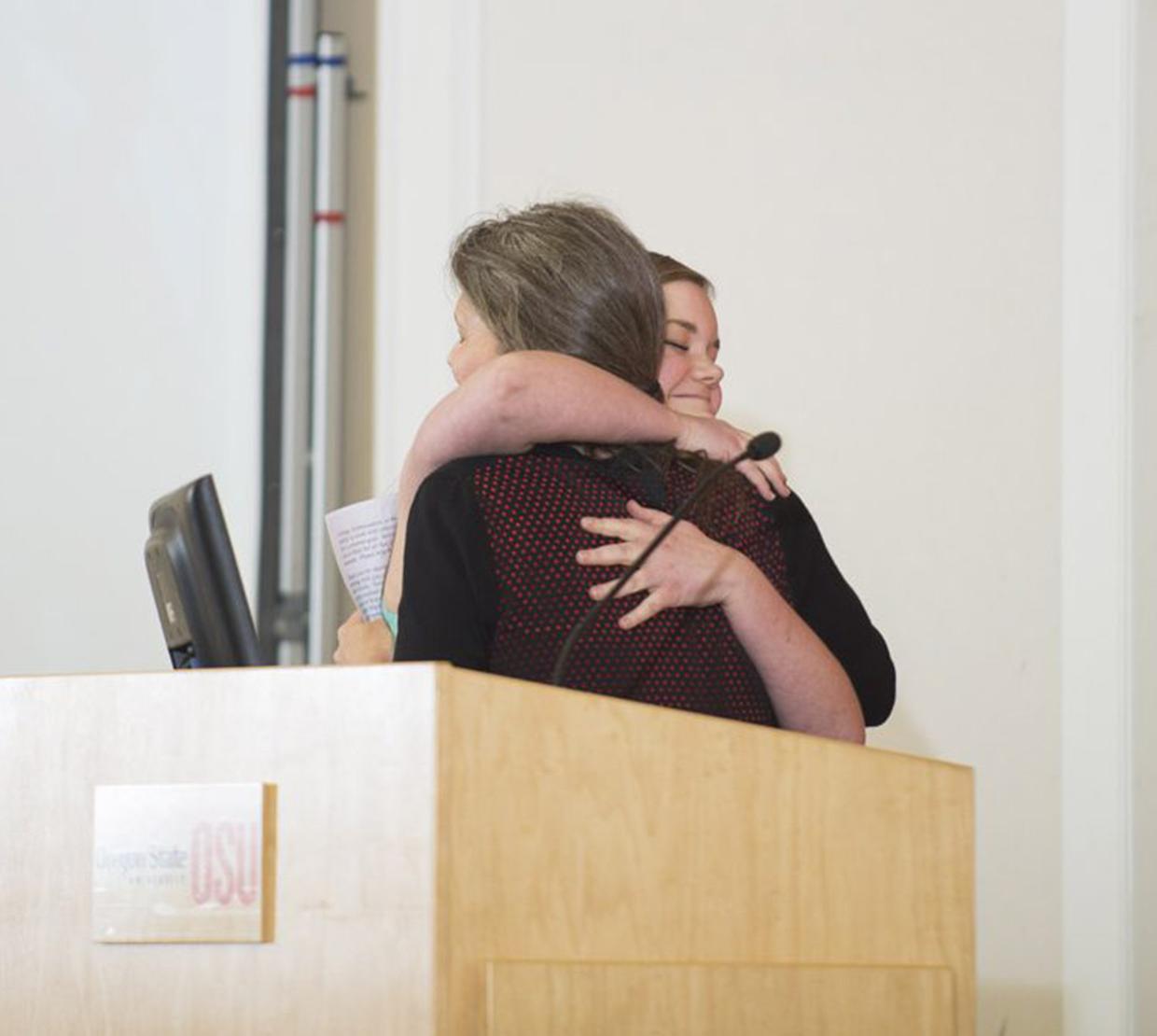
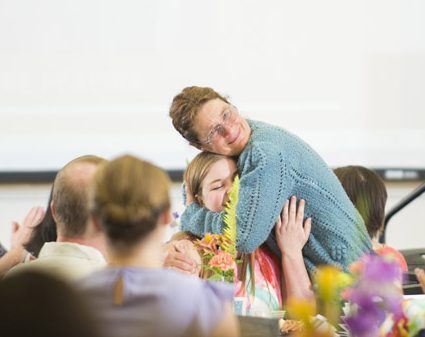
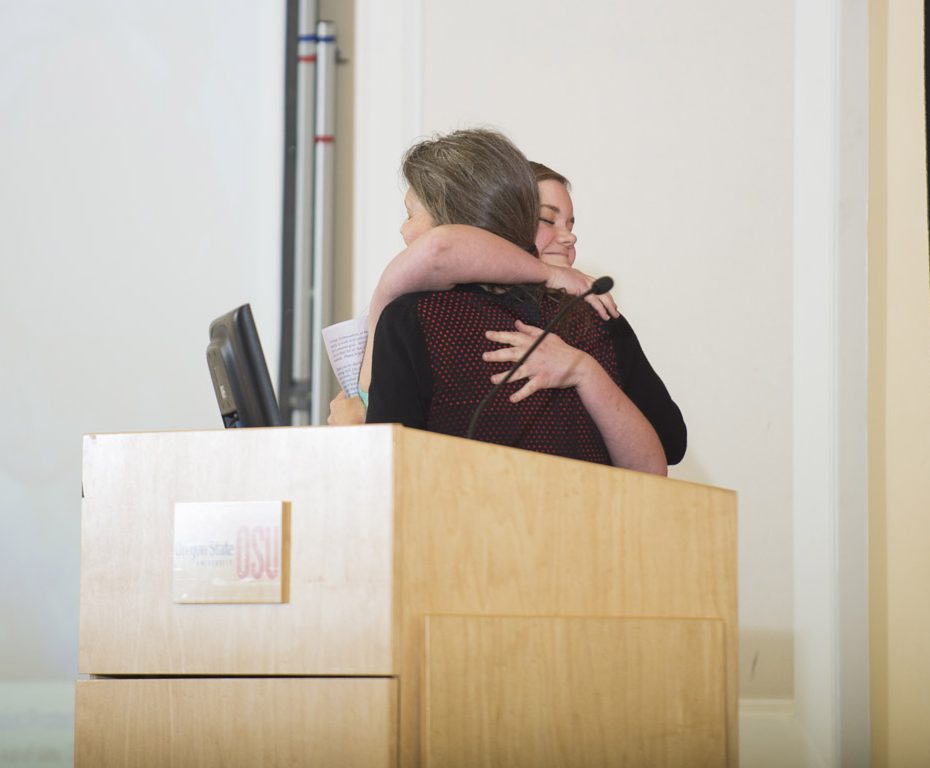
Two women hugging each other behind podium

Celebrating scholarship at our annual dessert

Celebrating at the Scholarship Dessert

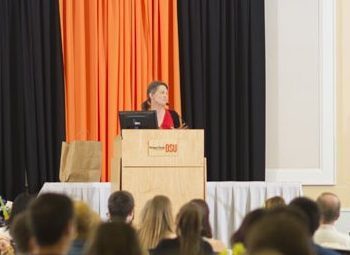
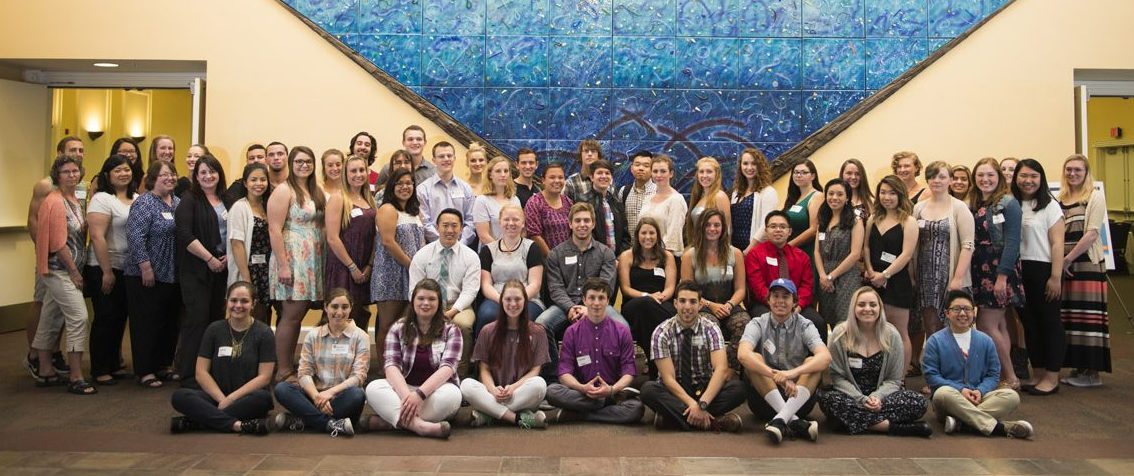
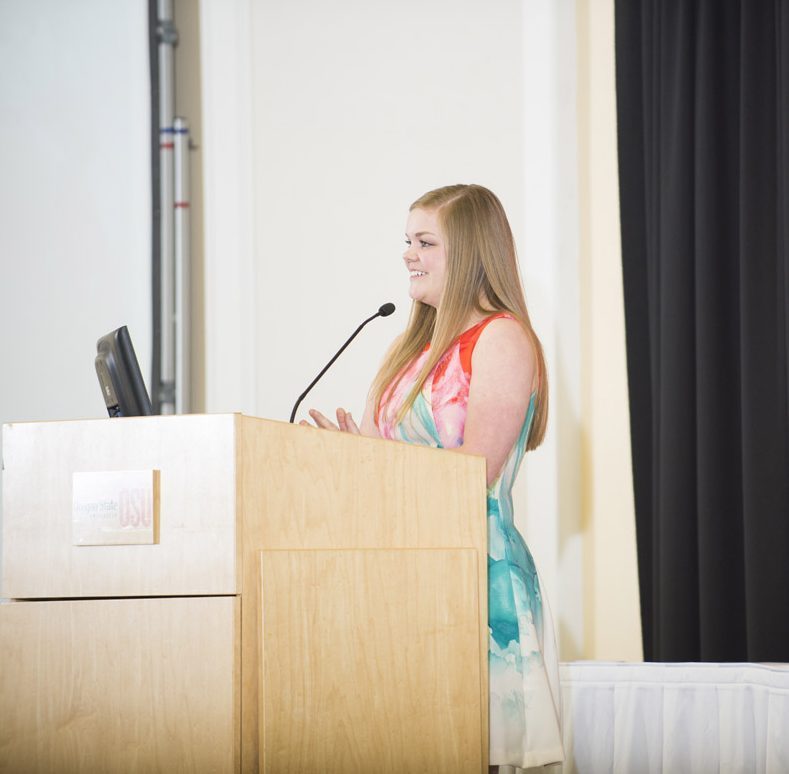
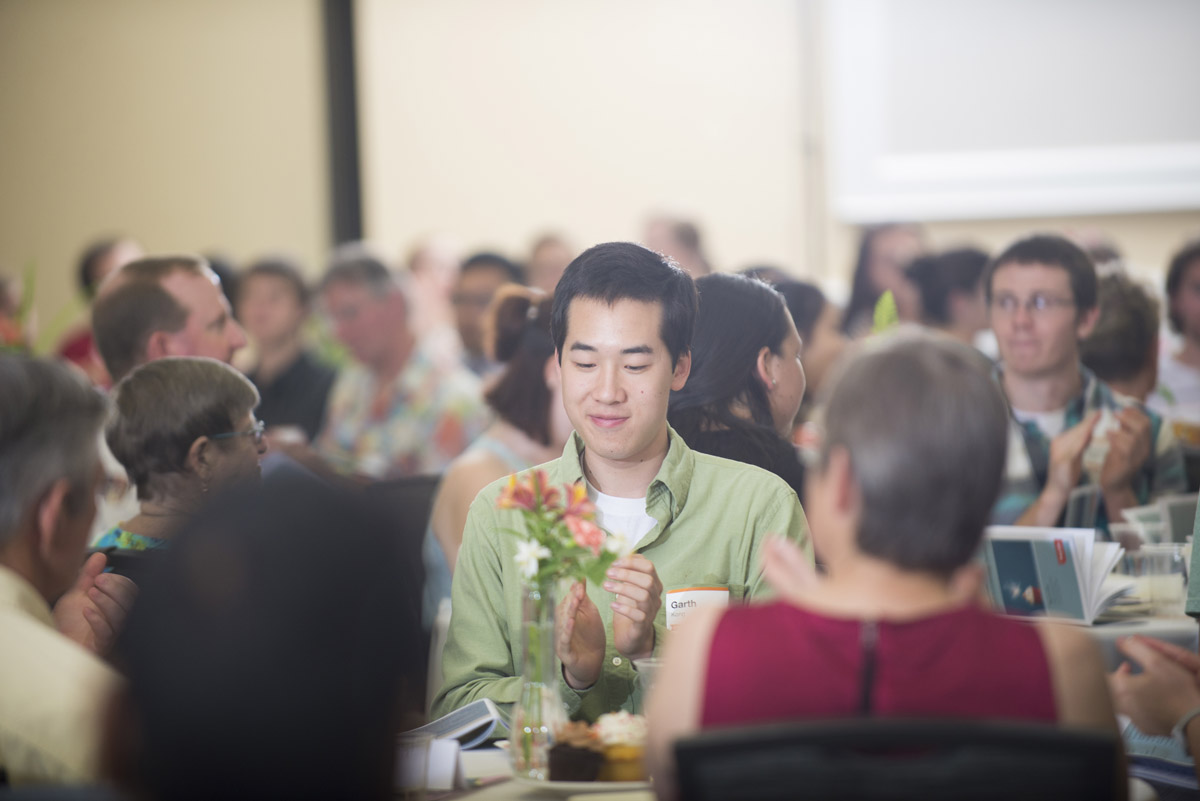
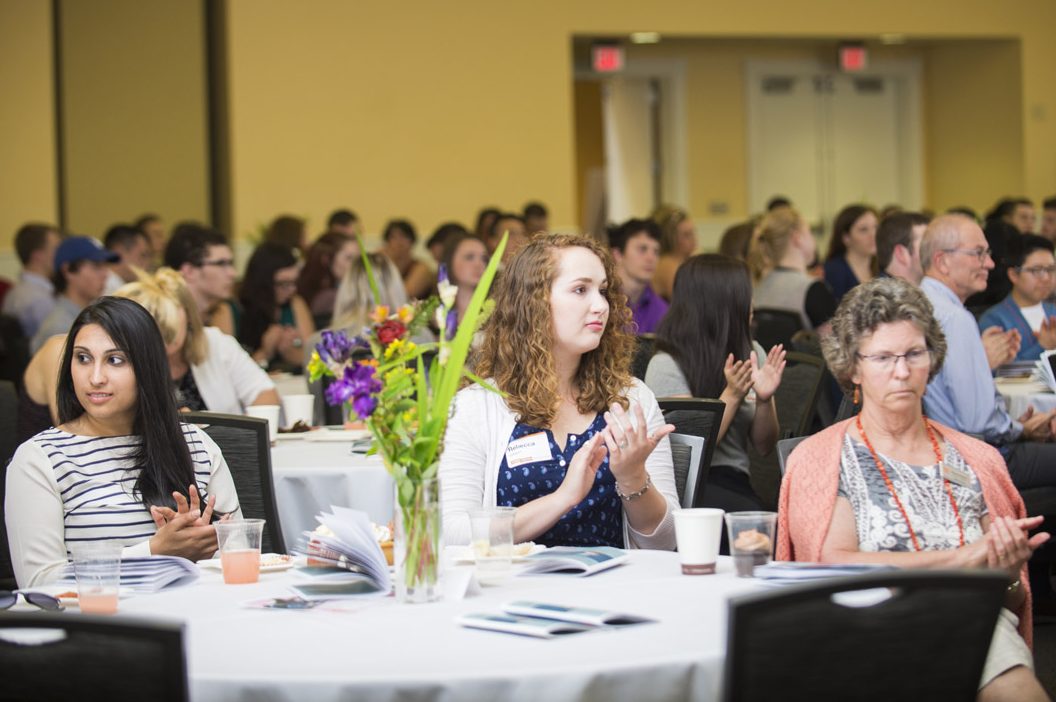
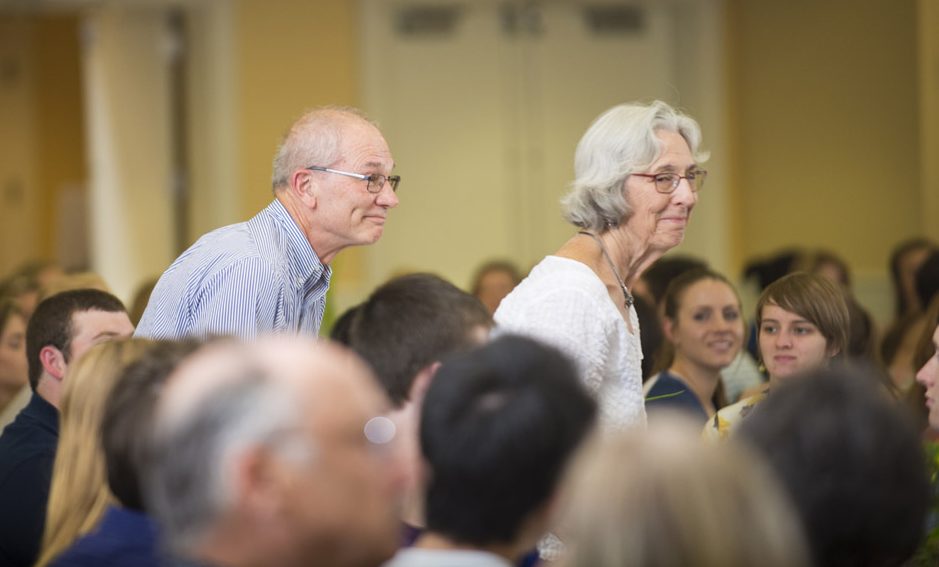
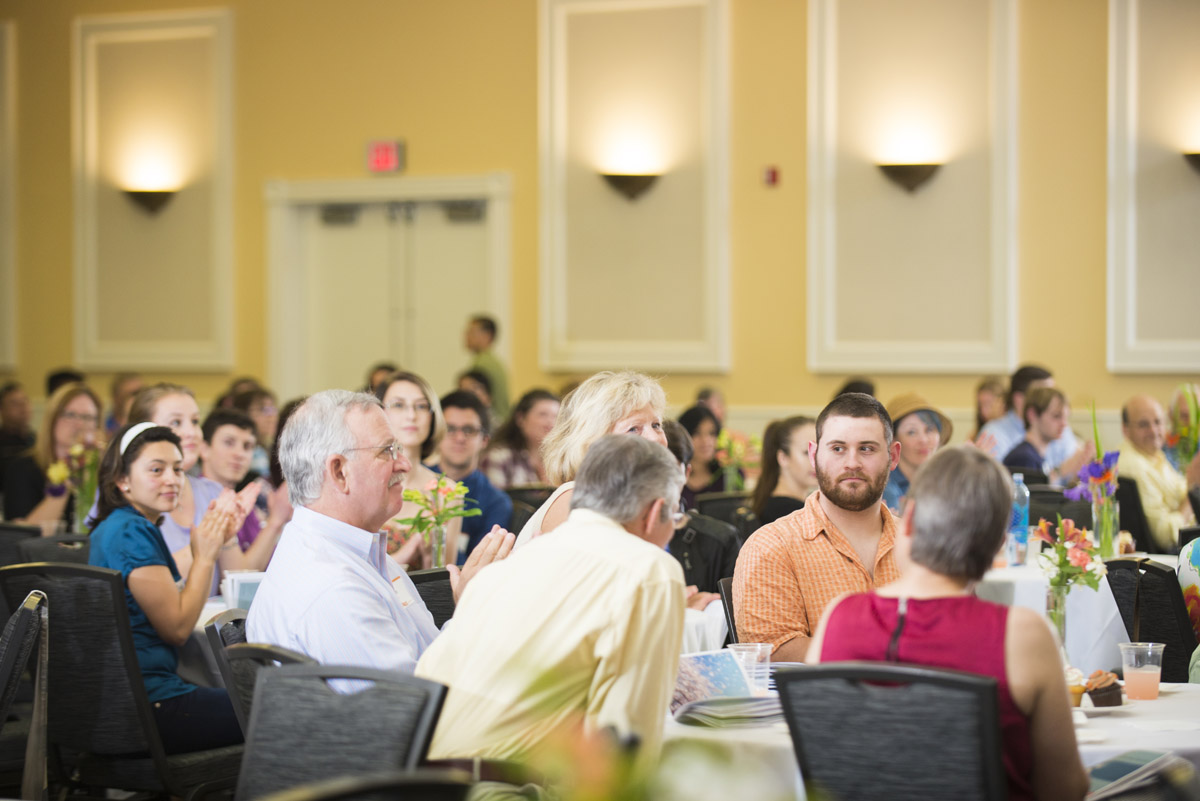
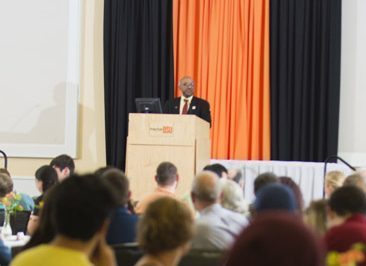
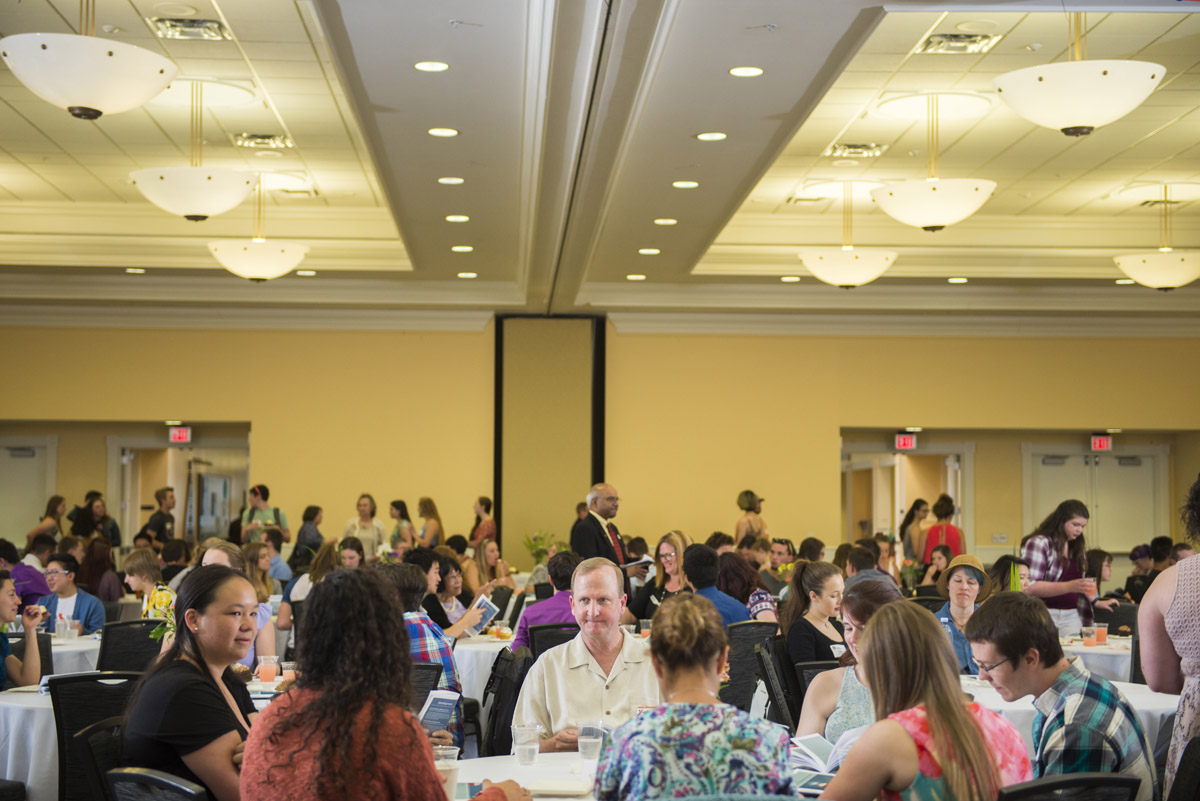
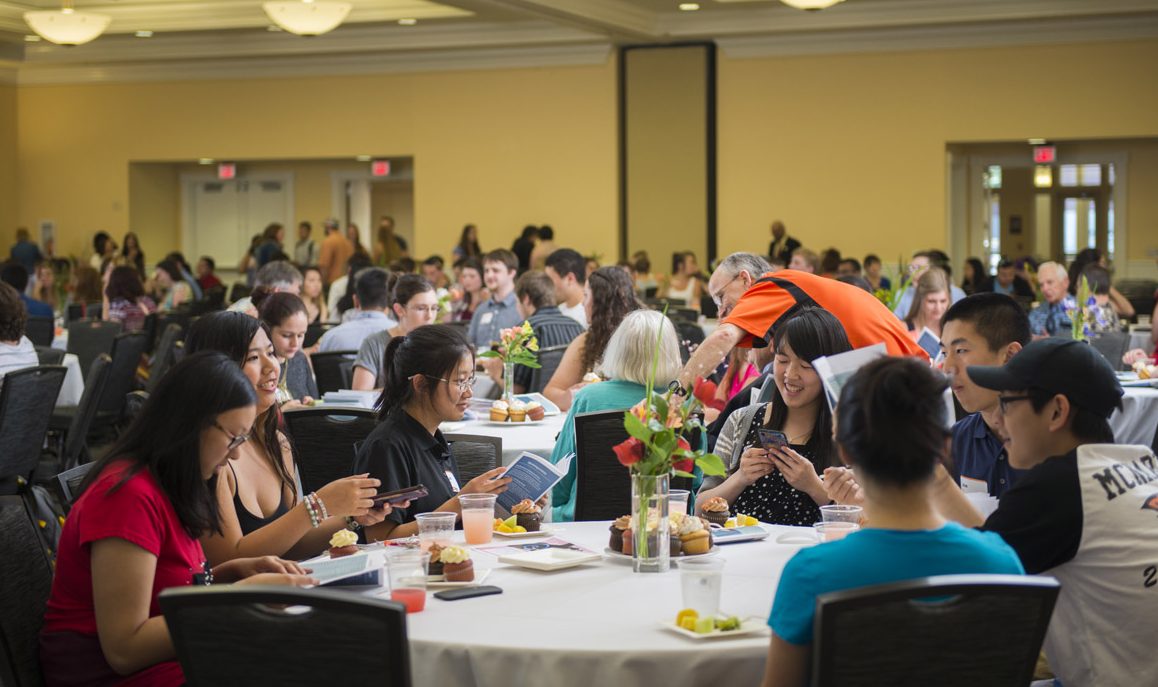
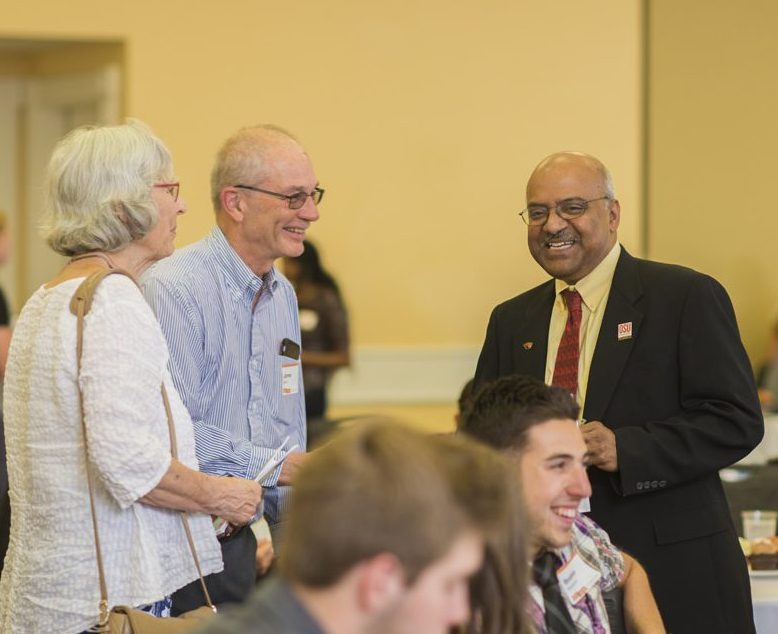
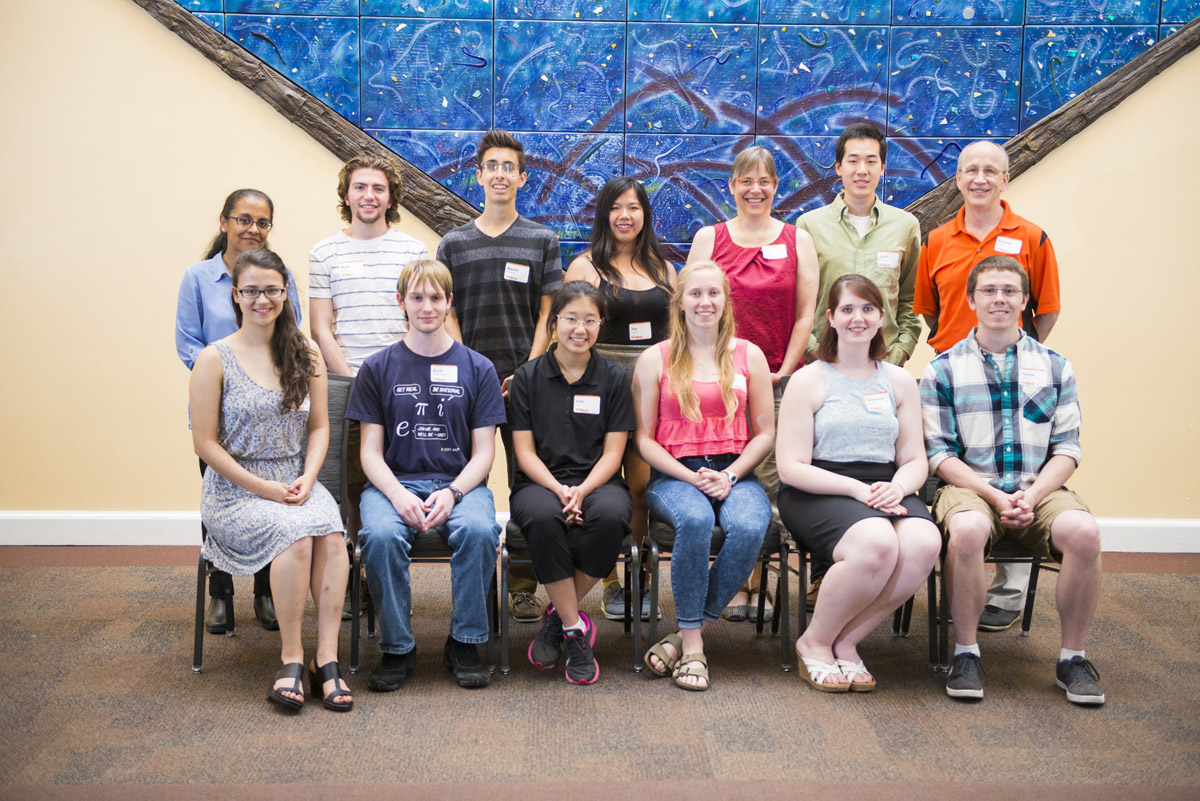
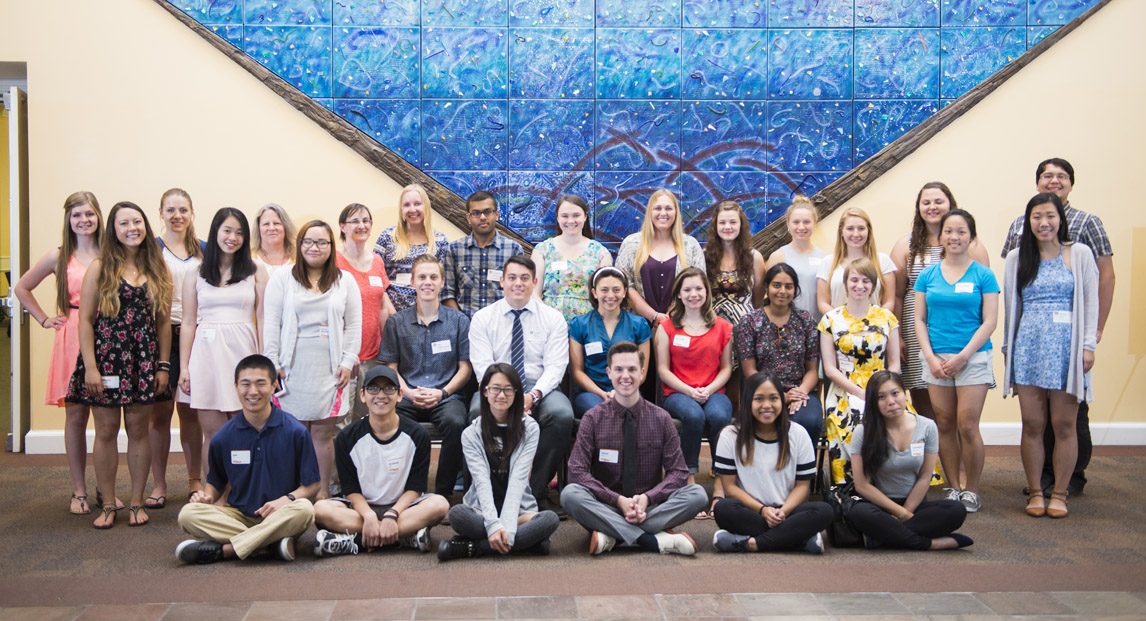
The College of Science celebrated our outstanding scholarship students at our annual spring Scholarship Dessert in June. For the 2016-17 academic year, the College awarded scholarships for merit, need and undergraduate research experiences. The Scholarship Dessert—a festive occasion—connects students, their families, advisors, faculty and many alumni/friends whose generous support funds these awards.

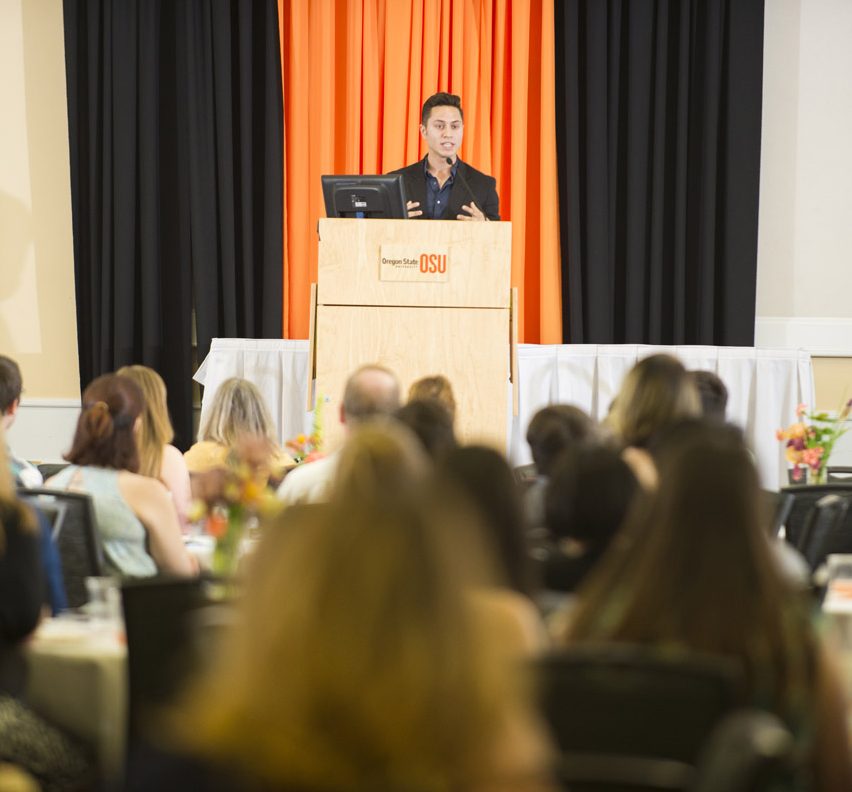
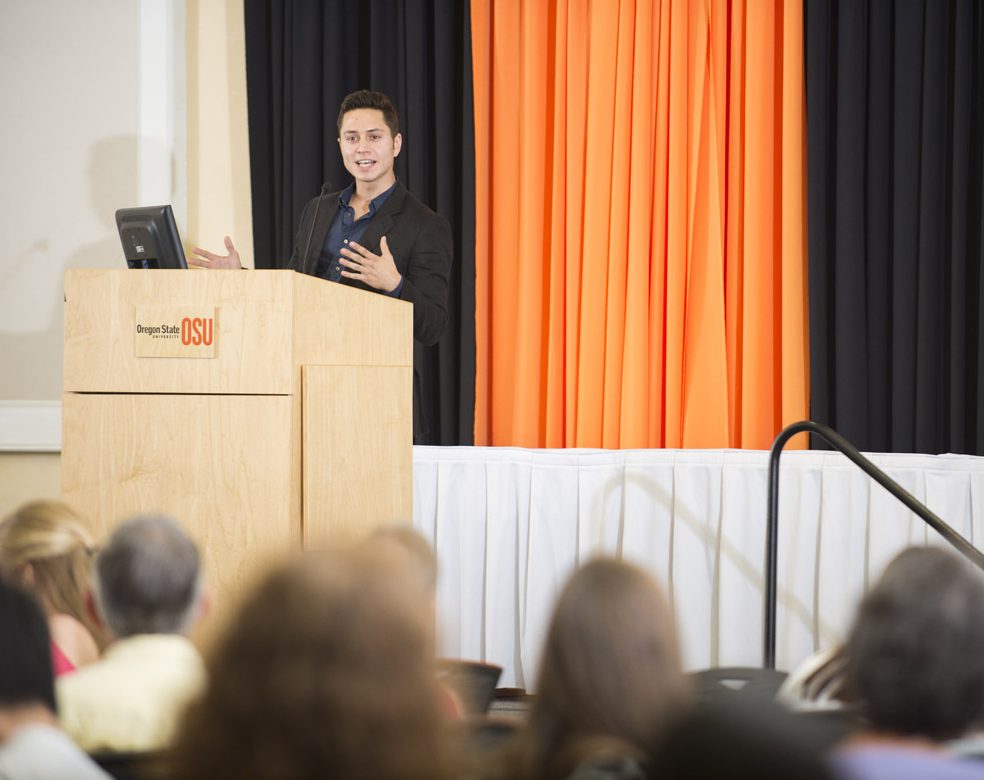
This year two scholarship recipients spoke, Shan Lansing, a senior chemistry major, and Jackson Dougan ('13), a recent integrative biology alumnus. They shared their unique perspectives and experiences about their science education, transformative experiences and the power of scholarships.

For a complete list of our scholarships, visit: science.oregonstate.edu/scholarships.

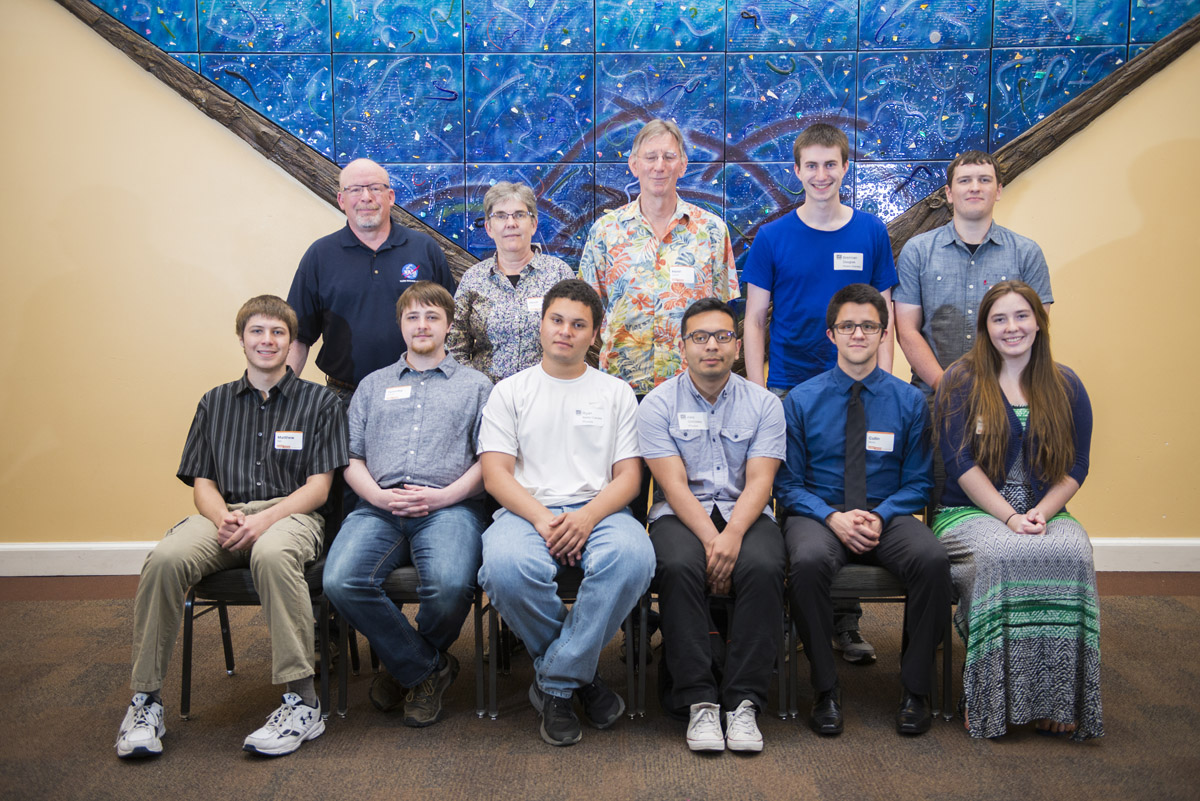
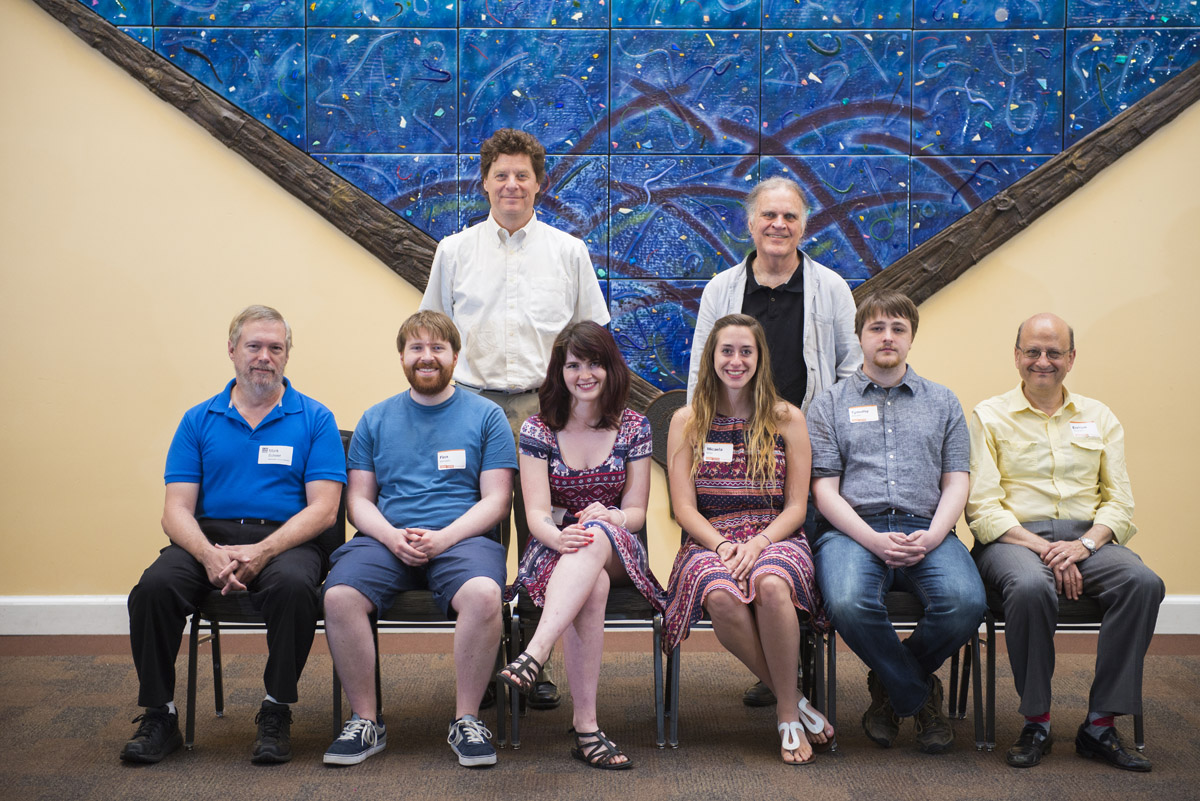
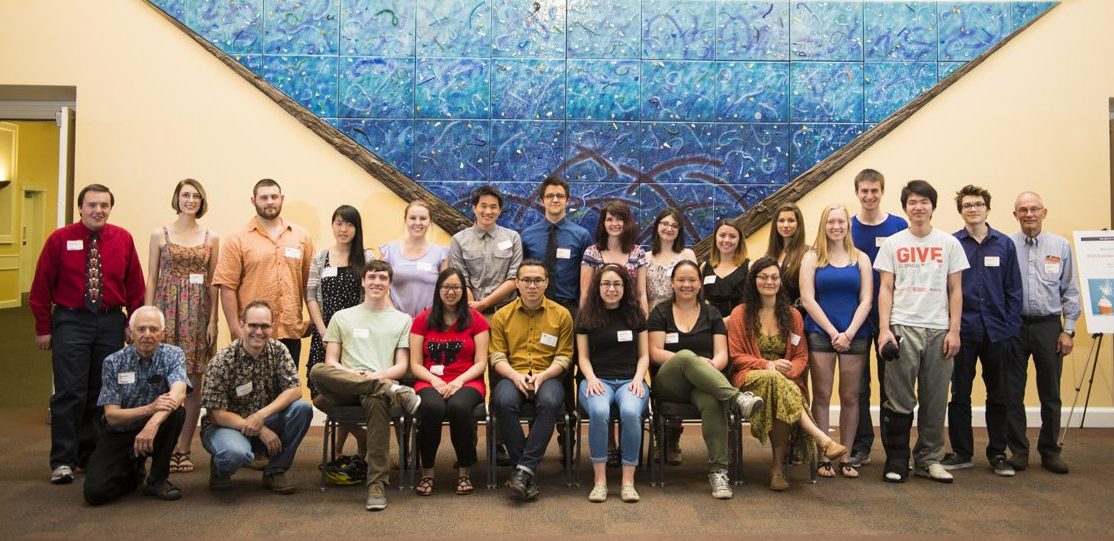
Scenes from our 2016 Scholarship Dessert

3D model of red blood cells

Biohealth science's connection to quantitative sciences

By Srila Nayak

BioHealth

Redefining quantitative and biohealth sciences

Faculty and researchers in the College of Science are interpreting and advancing biohealth sciences in innovative new ways by applying the natural sciences, such as mathematics, statistics and chemistry. In recent times, researches in biology and medicine have been guided by biomolecular analysis technologies, mathematics and computations, and scientists are using these tools to address a spectrum of biological questions about diseases, from how they spread to risk factors.

In the last few years, our College has experienced an impressive spurt of transdisciplinary research in the quantitative and biohealth sciences. Ongoing studies and research advances range from analyzing genetic data on epidemics and inventing disease-detecting biosensors to developing statistical methods to better understand neuron connectivity and the transmission of signals in the brain. Through collaborative research across our campus, our faculty are paving the way for innovative biohealth science research which broadens the training of students across scientific disciplines.

Biological systems and mathematical models

Connections between biology and the mathematical sciences are fueling innovation and expansion in those disciplines. Statistician Sharmodeep Bhattacharyya explains how interpreting data from various experimental sources can generate new insights and solutions in the areas of neuroscience and genomics.

“Statistical methods, with their inherent objective of analyzing the uncertainty of a system help identify key interesting factors in the deluge of interesting data," said Bhattacharyya. "Such jobs can range from identifying a key set of genes affecting a disease for a specific group of people (like in precision medicine) or identifying the interaction between key regions of the brain for people who have a set of genes that causes a neurological disease."

Bhattacharyya has developed new statistical methods to analyze Electro-Cortico Graph (ECoG) array data from human and rat brains to identify connections involving speech and hearing.

Mathematician Vrushali Bokil’s research demonstrates how mathematical modeling, analysis and numerical simulations can illuminate insights in complex biological systems and how the health sciences, in turn, can spark new mathematical ideas. She collaborates with a mix of biologists and mathematicians across the country as well as in the UK, France and Germany on a project funded by NIMBioS (the National Institute of Mathematical and Biological Synthesis).

The project will allow Bokil and her colleagues to generate novel mathematical and statistical methods involving multiple hosts and multiple pathogens and that operate across a range of spatiotemporal scales, and to analyze the effects of climate change and human activities on the emergence of new plant viruses. Bokil points to the increasing use of mathematics to model complicated biological systems.

“It is exciting to be at the interface of biology and math,” said Bokil. “I write down a system of equations that models the physical or biological system. While the mathematical modeling and numerical simulations are fascinating in and of themselves, the added value of feeding back into biological applications is very rewarding.”

Benjamin Dalziel, an assistant professor in Integrative Biology, is part of a growing breed of biologists who are turning the biological sciences into a more quantitative field. Dalziel is a population biologist who uses mathematical tools to answer questions about the spread of infectious diseases, such as influenza and measles in populations and cities.

Dalziel, who also has an appointment in the mathematics department, maps hotspots of pathogen activity and diversification, and develops mathematical models to explain the patterns he finds. A current project explores whether there are systematic differences among cities with respect to their epidemic risk.

“I find the connections between mathematical modeling and biology very interesting. After developing a model, we ask, 'Is this happening in nature and how do we test it?' And if nature is doing something different, 'What did we get wrong with the model?' Sometimes there is a lot you have to do with the model besides [reviewing the] data to understand its behavior and to get it to interface with the real world," said Dalziel, who is developing a new mathematics course specifically for the life sciences.

Innovative disease imaging

A major application of analytical chemistry and its quantitative aspects to biology involves the creation of tools that directly aid in the diagnosis of cancer, heart disease, strokes and other serious ailments.

Chemistry assistant professor Sean M. Burrows runs a busy lab comprising undergraduates and doctoral students and their research is focused on innovating technologies to visualize biomarkers of disease. They pioneer novel, colorful fluorescent biosensor designs—analytical devices that relate biological molecules to a fluorescent signal—for visualizing and quantifying microRNAs, which are small non-coding RNA molecules that have a role in a plethora of gene regulatory events.

MicroRNAs hold great potential to yield information about the beginning stages of a disease and cell/tissue activity. Burrows and his team are trying to develop highly efficient fluorescent technologies for basic research and clinical use.

“Basically the idea is to design an imaging technology that will give us more information on the molecular interactions within the cell,” explains Borrows. “[For example], can we create an instrument that greatly advances the information content in terms of the numbers of colors we can look at in a cell? With the current technology, you could see one or two colors from the cell. But if we can look at 10 or more different colors, that will tell us much more about a biological mechanism," adds Burrows.

In an exciting breakthrough, the Burrows group designed a more efficient fluorescent biosensor for better signal interpretation from microRNA biosensors. The innovation has attracted significant attention in the field and was favorably reviewed in an article on the field of emerging microRNA biosensors in Analytical Chemistry.

However, existing imaging technology to learn about the underlying details of cellular mechanisms, such as the super resolution microscopy, is expensive. Burrows is keen to develop a cheaper alternative that can be used in a regular microscope.

“We can then open the door for more researchers to get more information from the cells they are interested in studying. This, in turn, will enable more transformative breakthroughs to understand disease progression and ultimately find cures.”

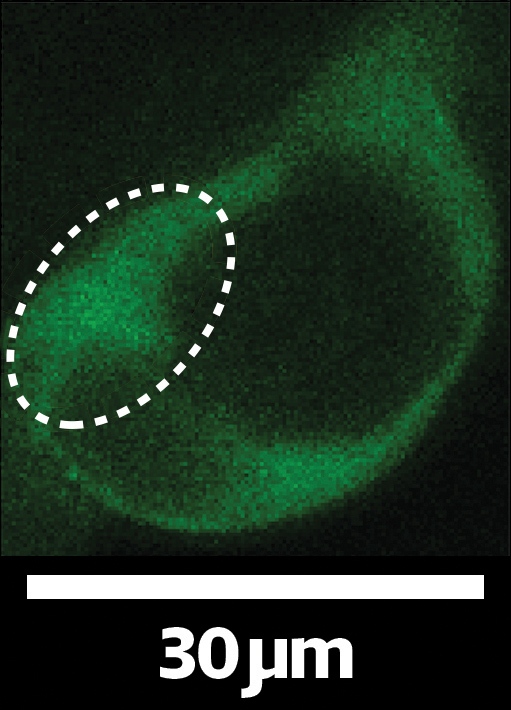
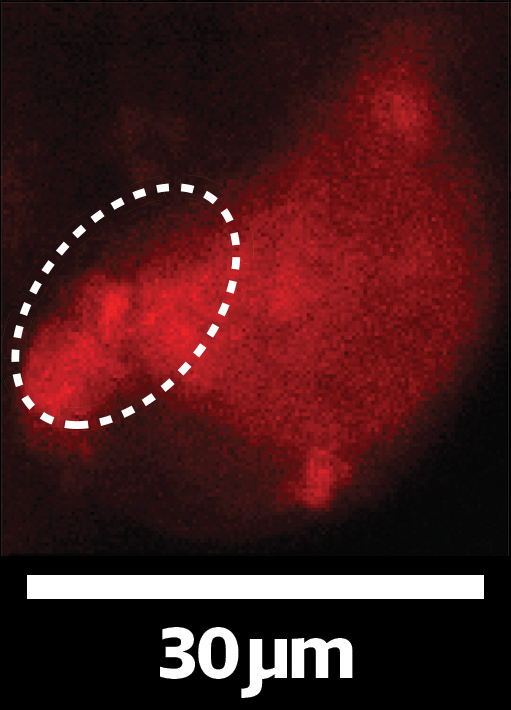
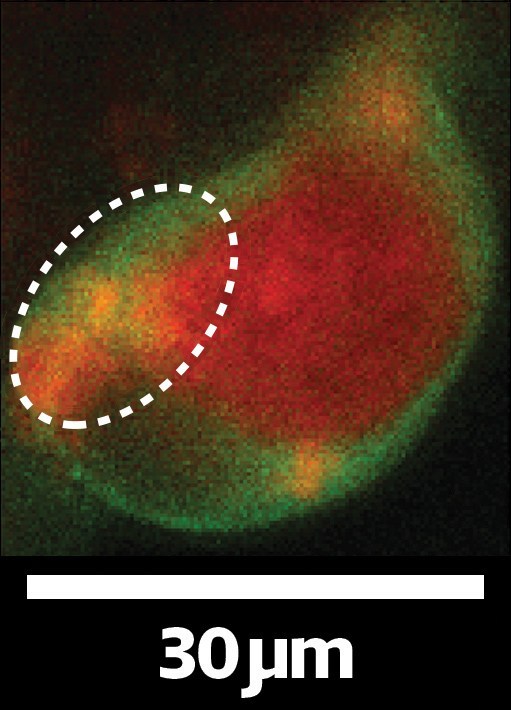
This figure shows that the biosensors can enter a cell’s cytoplasm and nucleus to find where microRNA expression occurs within the cell. Green shows the cytoplasm and the dark green spot is the nucleus. Red indicates the biosensor. The circle and the red nucleus indicate where the biosensor has entered the cytoplasm and nucleus, respectively.

student working on math homework holding calculator

Big Data expertise transcends disciplines

Impacting data science on transdisciplinary research

Data science is a strategic opportunity for the College of Science. By making strategic investments in mathematics, statistics and life sciences faculty, the College has extended its impact of data science on transdisciplinary research. In a science-without-borders approach, the College is deepening engagement between data science and other sciences, engineering, education, arts and business. Cluster hiring in bioinformatics across disciplines has brought expertise in mathematical biology; ecological, evolutionary, and functional properties of the microbiome; and deep sequencing data.

Read more about data science in the College of Science in our iMPACT magazine.

Charlotte Wickham, Statistics

“Our visual system is one of the fastest ways for us to consume information. The goal of my research is to harness this strength, not only to help scientists make discoveries, but also to engage and communicate with the public at large.

Charlotte Wickham in front of shrubbery

Charlotte Wickham, Statistics professor

“The object of visualization is very often not raw data. Particularly in the era of big data, summarization or modeling is an essential precursor to making sense of the data. Visualization becomes crucial to understanding how decisions at this stage propagate to conclusions and good visualization tools encourage experimentation with alternate approaches. We have methods for propagating statistical uncertainty through a data pipeline, but we are still learning how to best communicate uncertainty visually.

“There are interesting technical challenges along the way. For example, where should the data live? Can analyses be run on the fly, or do they require lengthy distributed computing? Can an approximate answer be achieved in a quicker manner? Is an approximate answer good enough for visualization purposes? Answering these questions requires close collaboration between computer scientists, statisticians and domain experts.”

Bringing data science to the non-data scientist. Wickham recently won first place in an international competition sponsored by EMC2 and hosted by Crowdanalytix . The contest was designed to visually reveal insights into the differences between a professional and amateur motorcycle rider based on data collected at the millisecond level from sensors on the bike, engine and rider during six laps of racing. Simply separating the data into laps posed a data exploration challenge. The iteration between data preparation and visualization was the key to separating the interesting from the uninteresting data.

Duo Jiang, Statistics

“My research aims at developing statistical and computational methods to address challenges posed by the growing amount, dimensionality and complexity of data in biological and biomedical research. A recent focus has been on correlated data methods in genetic association studies, functional enrichment analysis and biological network inference.

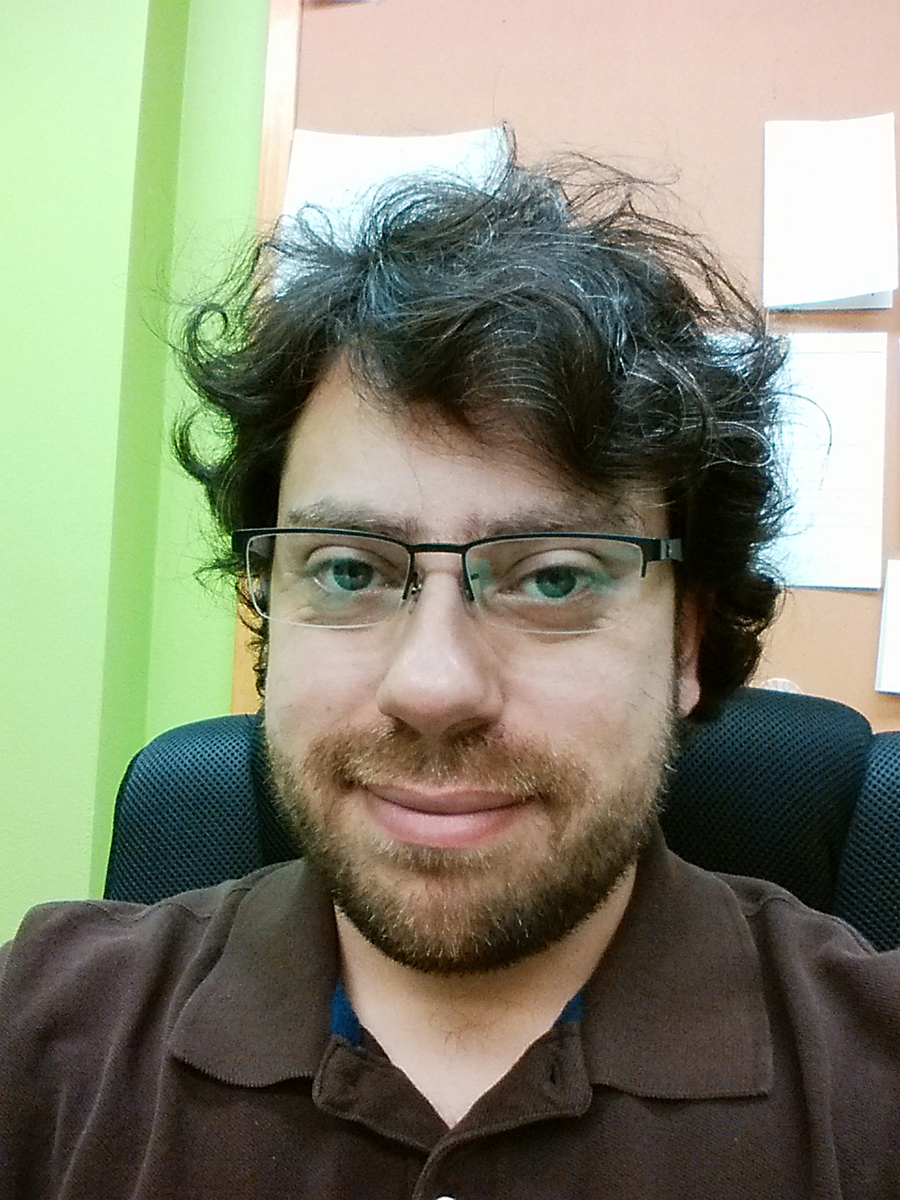
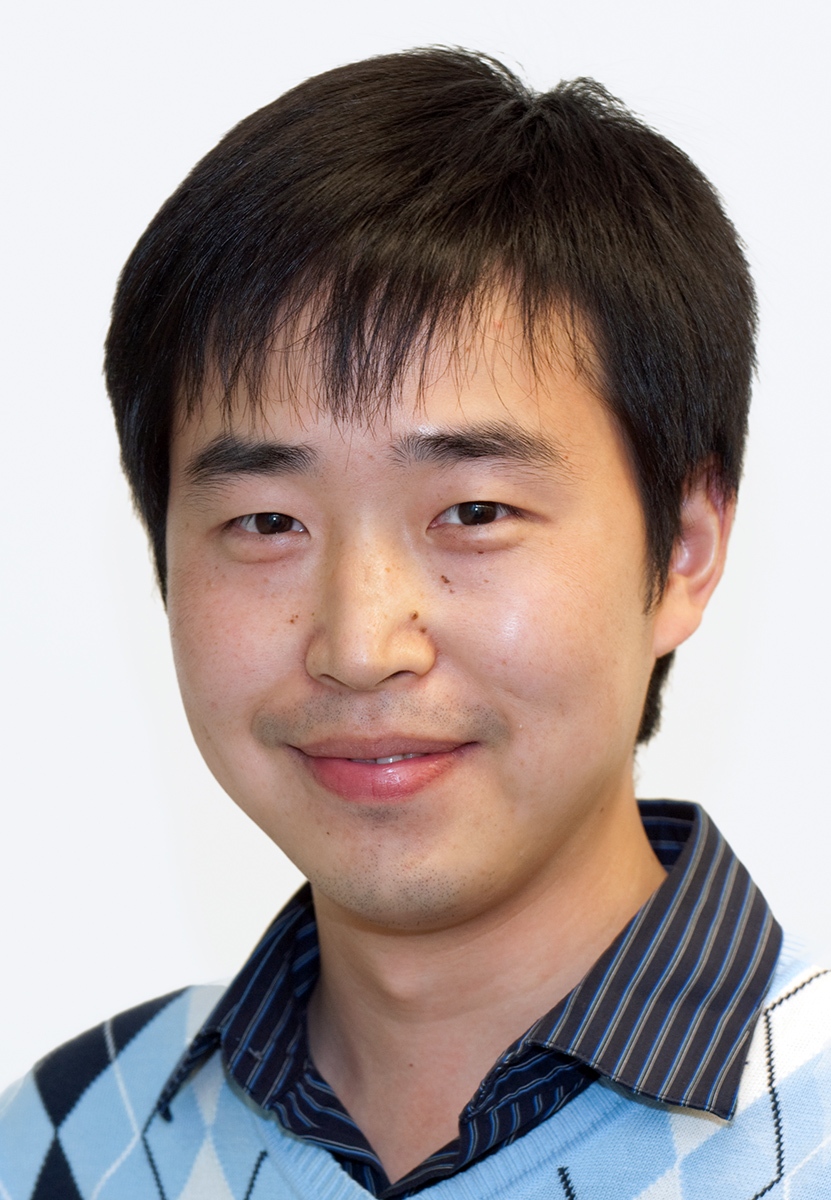
Duo Jiang in front of shrubbery and brick wall

Duo Jiang, Statistics professor

“Through interdisciplinary research and collaborations, I hope to make statistical innovations that not only provide improved data analysis, but also enable new ways of leveraging data to answer biological questions and transform study design considerations for researchers at OSU and in the broader scientific community.”

Debashis Mondal, Statistics

Mondal focuses on research applications in agriculture, geographical epidemiology and environmental sciences.

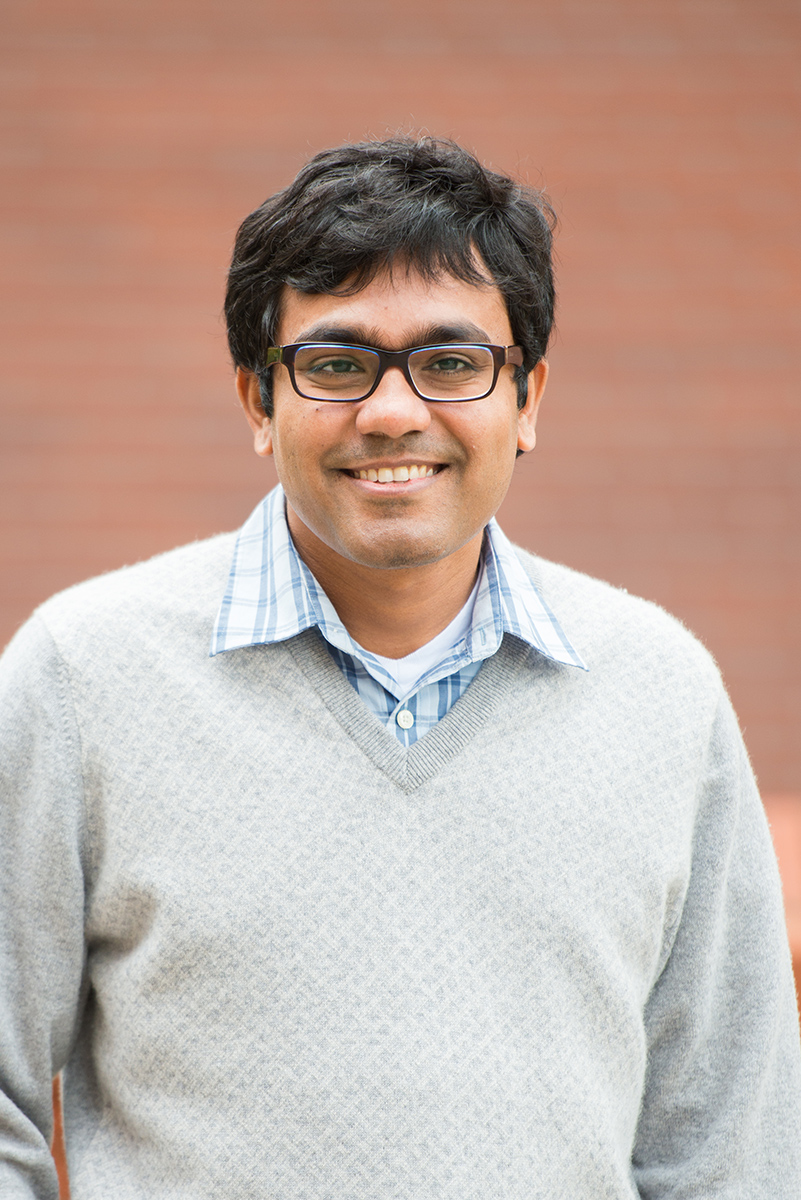
Debashis Mondal in front of brick wall

Debashis Mondal, Statistics professor

"Advances in the field of spatial statistics are important because they can be used to answer scientific questions in agriculture, astronomy, biomedical imaging, computer vision, climate and environmental sciences, epidemiology and geology.

"I seek to enhance scientific understanding of environmental bioassays, arsenic contamination of groundwater and geographic variations in cancer risk. My statistical and computational work addresses questions relevant to environmental or global change and to health studies. I am also interested in Markov chain Monte Carlo computations, time series, ranking and selection and random graphs and trees."

Sharmodeep Bhattacharyya, Statistics

“I work on developing statistical methods for network and high-dimensional data. Large network data sets are currently becoming quite common in several scientific fields from biological to social sciences. My work is focused on networks and high-dimensional data related to large scale -omics studies, neuroscience studies and social interaction studies.

Sharmodeep Bhattacharyya standing in front of Kidder Hall

Sharmodeep Bhattacharyya, Statistics professor

"The development of statistical methods to analyze large-scale data coming from several different experimental sources helps our understanding of complex systems, such as human brain, which has so far remained highly elusive.”

Davide Lazzati, Physics

David Lazzati in office space

Davide Lazzati, Physics

Lazzati's research is focused on understanding the physics of cosmic dust and gamma-ray bursts—the brightest and most mysterious explosions in the present day universe. He also studies theoretical high-energy astrophysics, quantum chemistry, soft condensed matter and numerical methods. He was among the first to realize the importance of time dependent effects in the interaction of the burst radiation with interstellar material.

Patrick De Leenheer, Mathematics and Integrative Biology - Bioinformatics hire

De Leenheer’s research interests include mathematical biology, differential equations and control theory. He brings extensive experience in developing instructional and scholarly bridges between mathematicians and biologists. Prior to joining OSU, he was on the mathematics faculty at the University of Florida for nearly 10 years.

Patrick DeLeenheer in front of shrubbery

Patrick De-Leenheer, joint appointments in Mathematics & Integrative Biology

De Leenheer earned a master of science electro-mechanical engineering and a Ph.D. in applied sciences from Ghent University in Belgium.

David Hendrix, Biochemistry & Biophysics - Bioinformatics hire

David Hendrix in front of grey backdrop

David Hendrix, Biochemistry and Biophysics

Hendrix’s lab focuses on understanding the structure, function and mechanisms of action of non-coding RNAs. Since the discovery of numerous non-coding RNAs in the past decade, their function is still largely unknown. Hendrix uses structure prediction, genome-wide sequence analysis and deep sequencing data to explore the roles these molecules play in gene regulation. His team also develops algorithms to understand different areas of computational biology.

Thomas Sharpton, Microbiology and Statistics - Bioinformatics hire

Sharpton is developing the quantitative biology curricula and is teaching courses in bioinformatics and microbial genomics. His research team focuses on characterizing the ecological, evolutionary, and functional properties of the microbiome—the vast collection of microorganisms that live on our bodies.

Thomas Sharpton in front of grey backdrop

Thomas Sharpton, joint appointments in Microbiology and Statistics

The team seeks to better understand how the physiologies of our body and our microbiome interact. Their work is interdisciplinary, relying heavily on microbiology, bioinformatics and systems biology, and borrowing from molecular biology, computer science, and statistics.

David Koslicki, Mathematics - Bioinformatics hire

"My research is mainly data-driven as I primarily develop new mathematical techniques to answer biological questions in genomics. Studying metagenomics in particular, I routinely analyze DNA sequencing data with sizes ranging from 10's of gigabytes to 10's of terabytes. Thankfully, Oregon State is well equipped to facilitate analyzing this sort of data, particularly with the Center for Genomics Research and Biocomputing.

David Koslicki in front of brick wall

David Koslicki, Mathematics professor

"The recent discoveries regarding the human microbiome make it an exciting time to be at the interface of biology, mathematics, and computer science."

Koslicki’s research focuses on bioinformatics and the application of tools from the mathematical theory of symbolic dynamical systems to problems in genomics. He is currently interested in problems stemming from the field of metagenomics: the study of bacterial communities through their sampled DNA. He uses a variety of big data techniques, including compressed sensing, probabilistic data structures, and high-performance computing.

Joe Beckman, Biochemistry and Biophysics

“Researchers increasing collaborate across OSU and around the world to better understand what we are exposed to in everyday life, what the cellular actions of these exposures are and how we respond biochemically to these exposures. This involves measuring thousands of chemicals, tens of thousands of genes that are changing, and hundreds of thousands of biochemical molecules.

Joe Beckman sitting in lab

Joe Beckman, Distinguished Professor in Biochemistry & Biophysics; Burgess and Elizabeth Jamieson Chair

"The integration and management of these data has become a major challenge as has learning how to make the result comprehensible to the public and to decision makers.”

Juan Restrepo, Mathematics

Restrepo's research is focused on uncertainty quantification, ocean dynamics, climate, oil/pollution transport and acoustics. He has worked on bio-related homeland security work as a visiting professor at Los Alamos National Laboratory, bone dynamics, voting theory as well as climate dynamics research.

Juan Restrepo in front of brick wall

Juan Restrepo, Mathematics professor

"Elucidating whether a present or future extreme event has low probability, and/or is the result of a changing world is fundamental to developing risk analyses. Finding ways to improve the chances of a fast and cheap recovery after a disaster (rather than of avoiding it) is of great social interest. Producing better predictions from complex dynamic models by combining data and models, taking into account their inherent uncertainties, has high practical engineering and scientific impact.

"The two aspects that distinguish our research, which focuses on extremely high-dimensional problems, are 1) we work with time dependent processes, in which classical equilibrium notions are not applicable, and 2) we work with processes that generate outcomes which are not simply characterized by their mean and their variance.

"My group combines data/observations and methods from probability and statistics, statistical physics, machine learning, and dynamics in order to propose new methods for answering questions in climate, ocean processes, disaster recovery and resilience in natural and man-made systems.

Benjamin Dalziel, Mathematics and Integrative Biology

Dalziel is a population biologist working at the interface of theory and data. He uses mathematical models to uncover causal connections among different types of times-series data, including high-resolution data on animal movement patterns, population density, and the incidence of infectious disease.

Ben Dalziel in front of brick wall

Ben Dalziel, joint appointments in mathematics & integrative biology

"I want to know how populations work: Why do epidemics of infectious diseases happen more often in some cities than others? In addition, what leads migratory animals to “flock” over long distances each year, and how does this affect their vulnerability in a changing world?

"To me, data science is about integrating diverse sources of information--such as environmental measurements, behavior and genetic data--to predict how complex adaptive systems like a group of interacting animals will respond. This is part of a systems–based approach to understanding nature, and it’s made possible by recent increases in the volume and quality of data available.

"But big data is noisy, and a challenge now is how to develop rigorous approaches for extracting “signals” from the all the noise. This isn’t the statistics you learned in school – it’s new, and it’s a bit wild. In a way, data science is about approaching wilderness – that which defies the mind’s attempts at appropriation, as the poet Don McKay says."

Star icon above light texture

Faculty excellence: Promotions and tenure 2015

Promotions and tenure 2015

The College of Science is proud to congratulate the following faculty for receiving promotions and/or tenure this spring. A well deserved pat on the back for their excellent work!

Tremendous consideration goes into each promotion and tenure decision. The dean’s office, department chairs, promotions and tenure committee members, faculty, external reviewers, students who offer letters of support, and of course the individual faculty member spends many hours preparing, processing and reviewing the documentation. The process is extremely rigorous in order to award the best candidates for promotion and/or tenure.

Special thanks to our College of Science Promotions and Tenure Committee for devoting a significant time this spring engaged in the review process. Also, thanks to the provost and the University Promotions and Tenure Committee for their hard work in evaluating and supporting the outstanding accomplishments of our faculty.

Biochemistry & Biophysics Department

Lanelle Connolly has been promoted to Senior Faculty Research Assistant I of Biochemistry and Biophysics, effective July 1, 2015.

Dr. Indira Rajagopal has been promoted to Senior Instructor II of Biochemistry and Biophysics, effective July 1, 2015.

Chemistry Department

Dr. Christopher M. Beaudry has been promoted to Associate Professor of Chemistry and granted indefinite tenure, effective September 16, 2015.

Dr. Ha Yeon (Paul) Cheong has been promoted to Associate Professor of Chemistry and granted indefinite tenure, effective September 16, 2015.

Dr. Jeff Walker has been promoted to Senior Instructor II of Chemistry, effective July 1, 2015.

Paula Joy Edwards Weiss has been promoted to Senior Instructor I of Chemistry, effective July 1, 2015.

Integrative Biology Department

Dr. Lesley Mae Blair has been promoted to Senior Instructor II of Integrative Biology, effective July 1, 2015.

Dr. Francis Chan has been promoted to Associate Professor, Senior Research of Integrative Biology, effective July 1, 2015.

Eileen Shin Yeu Chow has been promoted to Senior Faculty Research Assistant I of Integrative Biology, effective July 1, 2015.

Mark Lavery has been promoted to Senior Instructor II of Integrative Biology, effective July 1, 2015.

Dr. David Lytle has been promoted to Professor of Integrative Biology, effective September 16, 2015.

Mathematics Department

Dr. Christine Escher has been promoted to Professor of Mathematics, effective September 16, 2015.

Dr. Filix Maisch has been promoted to Senior Instructor I of Mathematics, effective September 16, 2015.

Microbiology Department

Dr. Linda Diane Bruslind has been promoted to Senior Instructor II of Microbiology, effective July 1, 2015.

Dr. Katharine Field has been promoted to Professor of Microbiology, effective July 1, 2015.

Statistics Department

Dr. Yanming Di has been promoted to Associate Professor in Statistics and granted indefinite tenure, effective September 16, 2015.

Dr. Alix Gitelman has been promoted to Professor of Statistics, effective September 16, 2015.

Keep up the excellent work!

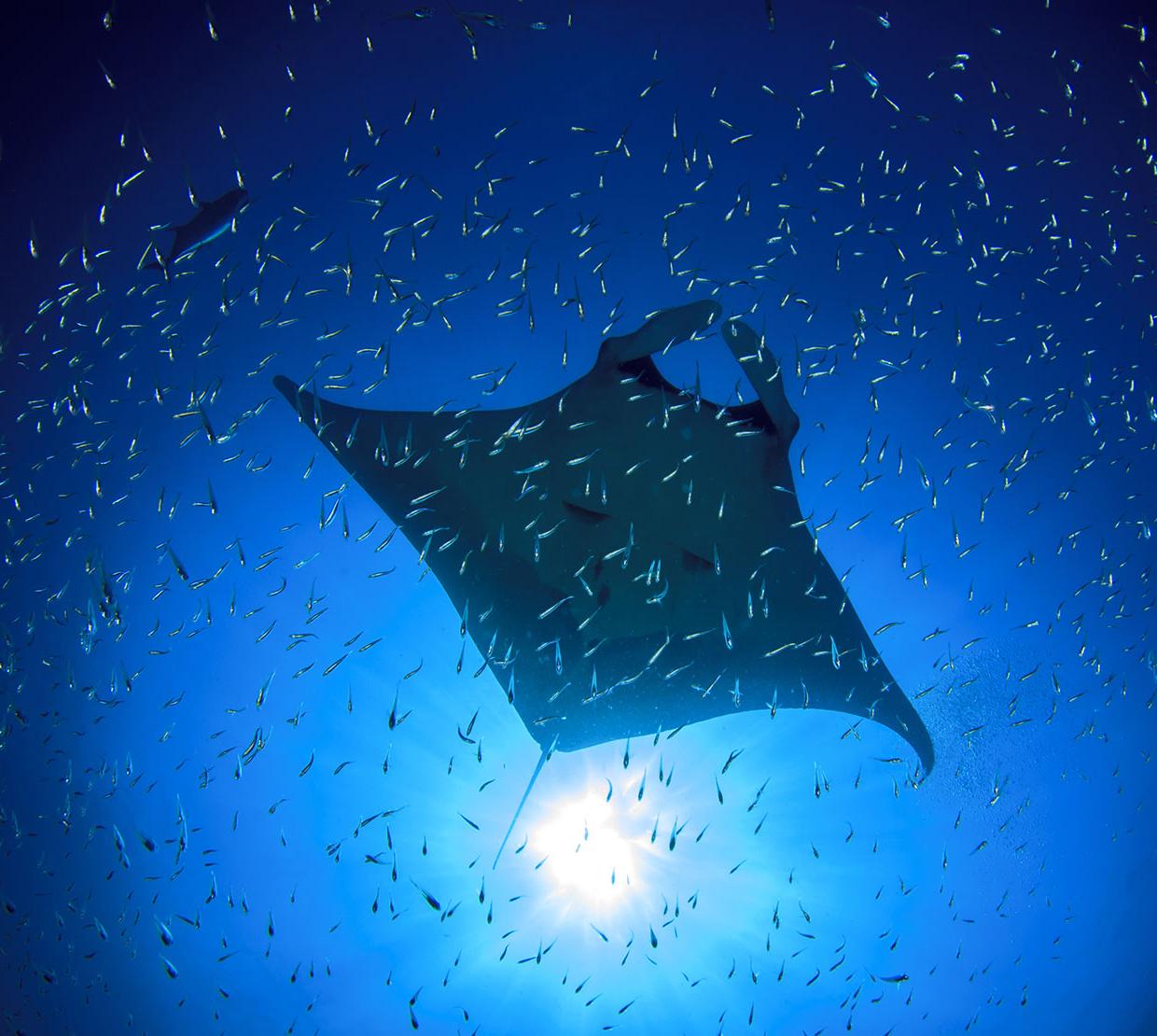
manta ray swimming though krill

Bio+Math

By Srila Nayak

Sting Ray swimming through krill near ocean surface

The ever-growing field of mathematical biosciences

In the last two years, the College of Science has focused on augmenting its expertise in data and life sciences with strategic hires in mathematical biology and bioinformatics. Almost immediately the new faculty have strengthened interdisciplinary and collaborative research in the College as well as across OSU.

These faculty have quickly connected with scientists across campus, paving the way for interdisciplinary research and broader training of graduate and undergraduate students in different areas of science.

Among the key hires are David Hendrix, assistant professor of biochemistry/biophysics and computer science; Duo Jiang, assistant professor of statistics; David Koslicki, assistant professor of mathematics; Patrick De Leenheer, professor of mathematics and integrative biology; Thomas Sharpton, assistant professor of microbiology and statistics.

“I am thrilled to welcome this extraordinarily talented cohort to the College,” said Sastry G. Pantula, dean of the College of Science.

“They will strengthen our foundation in fundamental sciences while building bridges to enable discoveries in other sciences, engineering and education.”

While the need for mathematical biosciences has grown rapidly due to massive sets of data in life sciences, computational and mathematical algorithms and new statistical methodology, the current community of mathematical bioscientists remains relatively small. The new faculty will strengthen the College’s efforts to advance research at the intersection of mathematical, statistical and biosciences research and nurture a new generation of scientists in a comprehensive, systematic way.

Mathematical Biology: What is it?

De Leenheer is one of a growing number of researchers worldwide who works in both the mathematical and biological sciences. De Leenheer uses mathematics to better understand how a variety of biological systems behave.

Although mathematical biology evolved throughout the twentieth-century, only in the last couple decades has it become its own branch of applied mathematics, primarily because research in biology and medicine has become more dependent on mathematics and computation. To illustrate, federal agencies such as NSF have initiated programs in Mathematical Biology and Research at the Interface of Biological, Mathematical and Physical Sciences.

De Leenheer uses dynamical mathematical models that describe and illuminate biological processes ranging from the cellular to the ecological scale. Currently, he is developing new modeling approaches for the analysis and design of Marine Protected Areas (MPA) to enhance fisheries as part of an NSF-funded project. This work will be instrumental in better informing policymakers on MPA implementation.

Bioinformatics: The new age of data

Bioinformatics professors David Koslicki and Thomas Sharpton have found Oregon State particularly favorable for their research, thanks to the extremely collaborative culture and the high-quality biological and computing resources at the Center for Genome Research and Biocomputing.

“A transdisciplinary field, bioinformatics requires expertise in biology, computer science, mathematics and statistics. It's rare that one researcher has sufficient expertise in all these areas so collaboration is often needed to solve a problem,” says Sharpton.

“OSU is easily the most collaborative environment that I have been a part of, and the supportive and interactive nature of my colleagues helps produce more impactful bioinformatic discoveries at a faster rate.”

Bioinformatics, which is the creation of software tools, algorithms and databases to analyze biological data, evolved into a discipline in the 1970s with the development of DNA sequencing. The explosive quantities of genomics-related data have spurred the growth of bioinformatics databases and tools for a variety of biological fields: medicine, microbiology, ecology, pharmacology, and many more.

“We have massive data sets that have the ability to transform many different fields,” says Koslicki. “But you need algorithms that are extremely efficient to be able to analyze these things.”

So, what does a bioinformatics project look like?

Koslicki invented a bacterial community reconstruction tool in which he sequenced the DNA of an environmental sample to determine which bacteria were present. Using an optimization technique derived from mathematical theory, Koslicki developed a swifter, more accurate method of classifying bacteria.

“Simultaneously, we were able to develop the algorithm to help the biology as well as learn some new mathematics about these compressed sensing techniques that hadn’t been observed before,” remarked Koslicki.

Spanning microbiology and statistics, Sharpton’s lab researches DNA sequences of microorganisms that live on the human body, known as the human microbiome, to understand how they influence health.

“Bioinformatics is critical to our work,” says Sharpton.

“We develop and apply computational and statistical methods to ascertain which microbes comprise the human microbiome, their biological functions, and their association with human health.”

The College of Science is investing in young, diverse faculty whether it’s to advance OSU’s Marine Studies Initiative or national priorities like precision medicine. Currently we are recruiting a quantitative biologist, two computational biologists and senior leaders in mathematics and statistics.

Teaching the next generation of students

Mathematical biology has a reputation for being one of the most difficult branches of applied mathematics, but that only spurs Leenheer and Koslicki’s determination to mentor and train the next generation of students who will work at the intersection of mathematics and biology.

“The important thing as I train graduate students is that they should have a solid mathematical background,” says Koslicki. “Presently, I am teaching the probability sequence. Probability is key for the kinds of things I do. In addition, students need to be able to program and to work with these big data kind of problems."

De Leenheer adds, "In the next five years, I hope to see biology students who have taken certain math courses in order to go to that next step and start using math as a tool in their own research. That would be fantastic."

Subscribe to Integrative Biology