College of Science

College of Science

Elisar Barbar

Women scientists at the forefront of the fight against COVID-19

By Vrushali Bokil

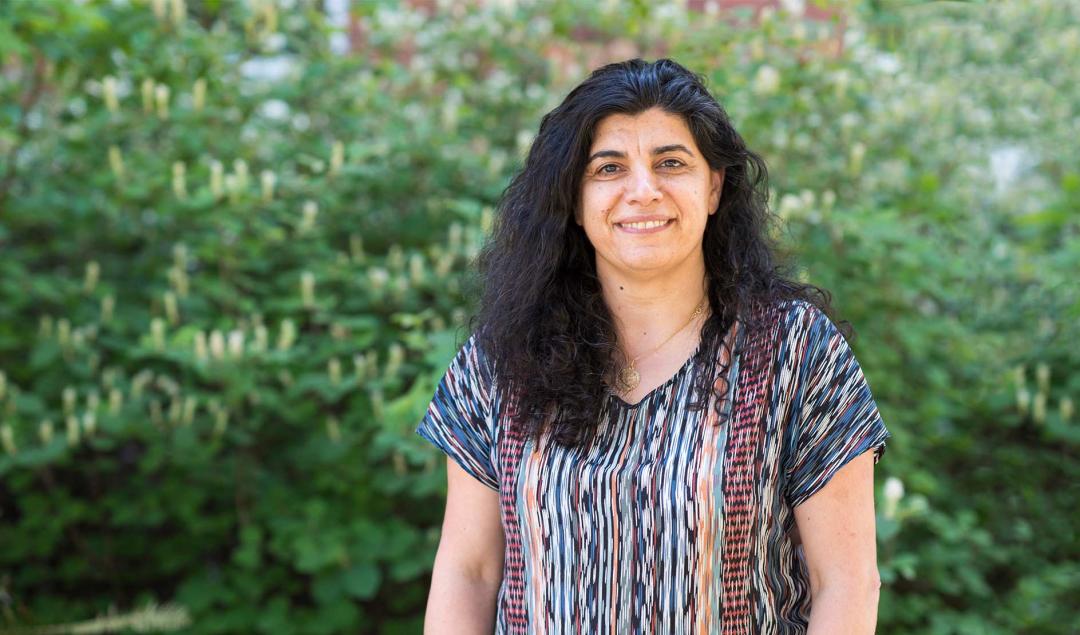
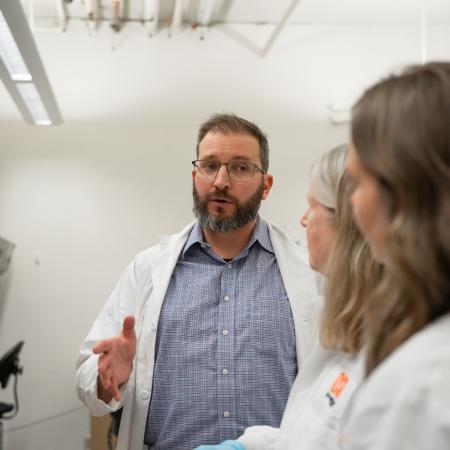
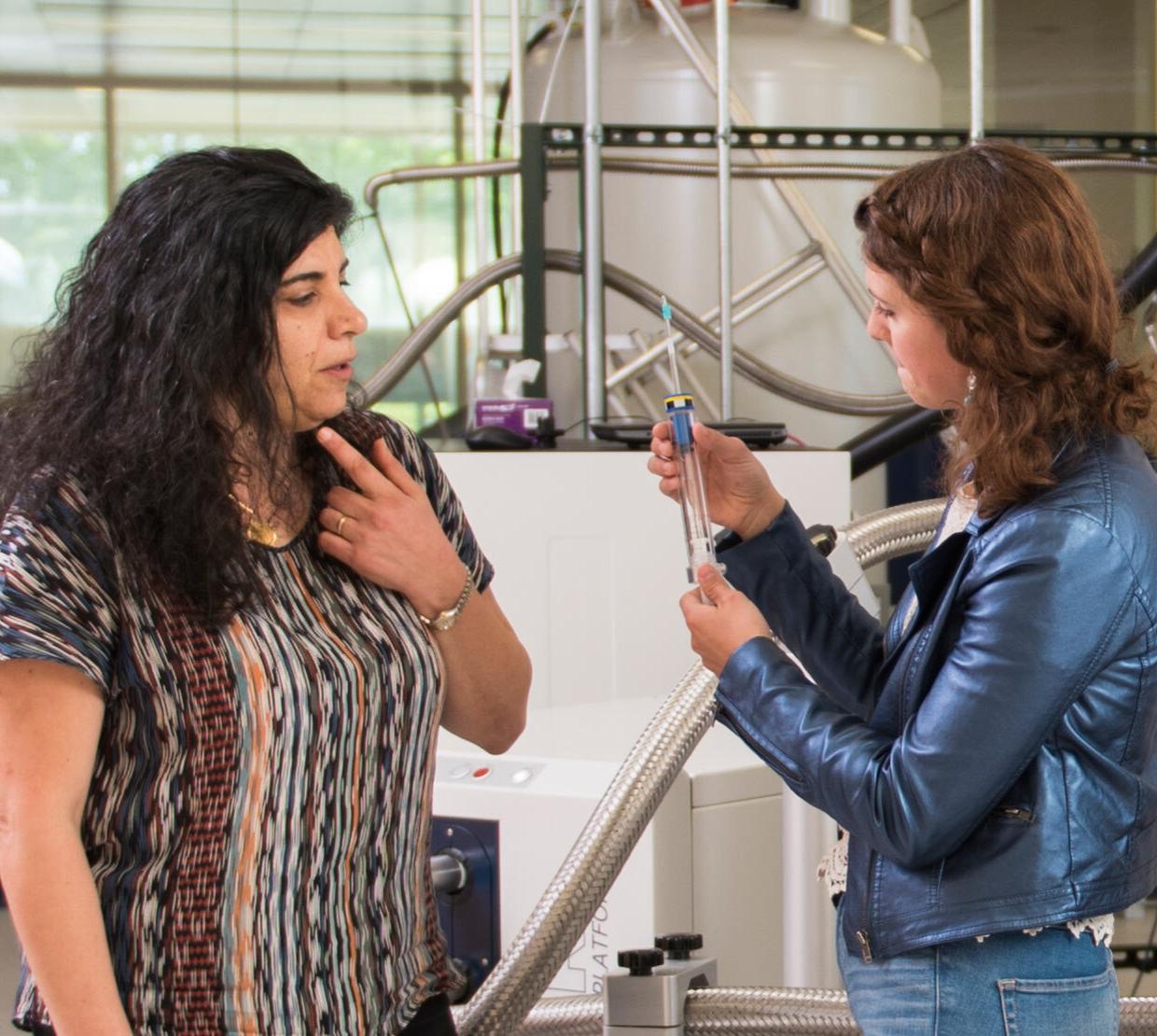
Biochemistry Professor Elisar Barbar in her lab.

In recognition of the International Day of Women and Girls in Science, held on February 11, we acknowledge the women faculty, students and alumnae of the OSU College of Science. The world’s population is 50% women, and yet only 30% of scientists identify as women.

“Women and girls represent half of the world’s population and, therefore, also half of its potential. Gender equality, besides being a fundamental human right, is essential to achieve peaceful societies, with full human potential and sustainable development.” (Source: https://www.un.org/en/observances/women-and-girls-in-science-day)

The UN main event will take place online. Additionally, the 6th International Day of Women and Girls in Science Assembly will be held at the United Nations Headquarters virtually.

The UN theme for 2021 is “Women Scientists at the forefront of the fight against COVID-19”. The COVID-19 pandemic has disproportionately affected women academics, including women scientists, who may face significant career damage, extending the gender gap in science and highlighting unequal effects and existing systemic inequities. In fact, if we are to learn from past pandemics, women are most affected by pandemics.

The Association for Women in Mathematics (AWM) endorsed an open letter, published by the European Women in Mathematics which emphasized the unequal effects of this pandemic on all women academics, especially untenured women and caregivers. They offered suggestions for universities, government and funding agencies to proactively support their most vulnerable populations.

"We did not experience the crisis equally. Untenured faculty lost more. Women lost more. Caregivers lost more. The more vulnerable the population, the greater the disadvantage. No one chooses a pandemic, but now we can choose how to respond." -- the EWM Standing Committee and the EWM Working Group on the Corona Crisis

It is also important to recognize that we cannot fold the experiences of all women into one. Covid-19 has its deadliest effects at crossroads of differing axes of oppression. To meaningfully address issues of equity and inclusion requires that we respond to the unequal effects at the intersections of race & ethnicity, gender, socioeconomic status, disability, sexual orientation, among other social axes of oppression.

And yet, women have made critical contributions to understanding and combating the virus and mitigating its effects on disadvantaged populations.

During this International day of Women and Girls in Science, we take the opportunity to highlight the contributions of OSU College of Science women, both alumnae and current faculty and students, to the fight against Covid-19.

Science faculty, students and alumnae making a difference

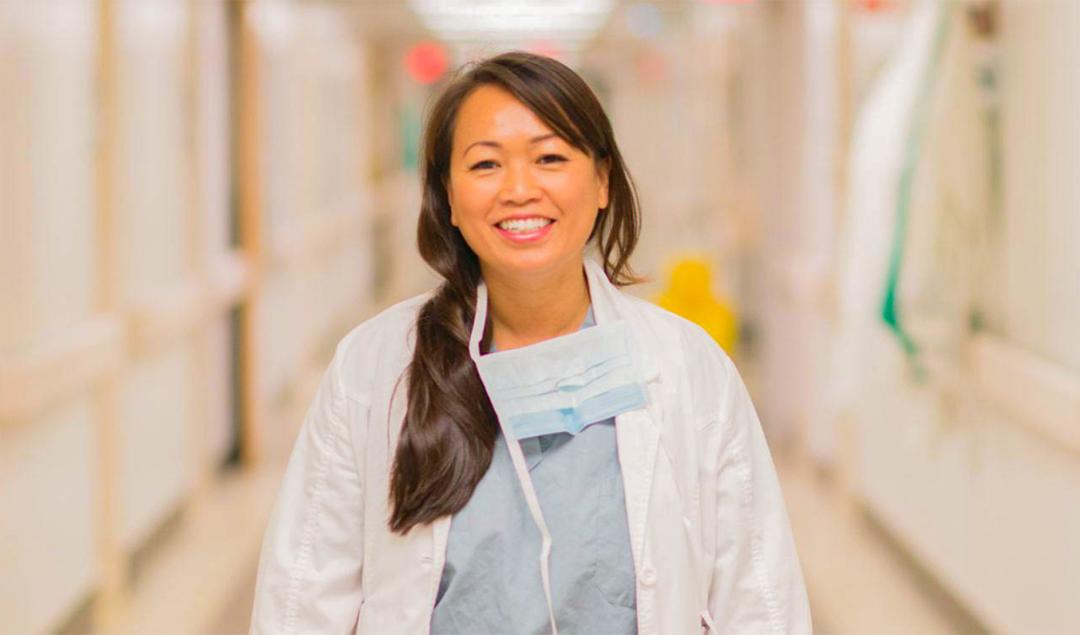
Dr. SreyRam Kuy

Dr. SreyRam Kuy

Dr. SreyRam Kuy (Microbiology '00) was honored with a 2020 Alumni Fellows Award (as an OSU Honors College nominee) at the OSU Alumni Association’s awards virtual ceremony on October 20, 2020. The award recognizes eminent alumni who have distinguished themselves in their professions and communities. Kuy is a practicing general surgeon, healthcare executive and quality improvement researcher. She currently serves as Deputy Chief Medical Officer for the Veterans Affairs Medical Center in Houston, Texas and is a professor at the Baylor College of Medicine.

As the Covid-19 pandemic emerged, Kuy developed a Covid-19 Preparation Tool to help healthcare facilities, businesses and communities rapidly gauge their preparedness for the outbreak, identify areas of weakness and strategically target resources for their greatest impact. She partnered with industry to deploy the free tool widely.

"I had such amazing support at OSU. My teachers and advisers took genuine interest in me and helped and encouraged me. It was a pivotal point in my life that helped me get into medical school and become a doctor,” — SreyRam Kuy

Elisar Barbar

Biochemistry Professor Elisar Barbar

Elisar Barbar, professor and head of the Department of Biophysics and Biochemistry, has received a two-year $300,000 grant from the National Science Foundation to pursue research on the SARS-CoV-2, the novel coronavirus that causes Covid-19. The research project is aimed at understanding how the N-protein of the SARS-CoV-2 performs its essential functions in viral infection and transmission.

The award was made by the NSF EAGER (Early-Concept Grants for Exploratory Research) program, which supports new, exploratory and potentially transformative research ideas or approaches that involve the application of new expertise and novel disciplinary or interdisciplinary perspectives.

“My lab is one of the few labs in the world that works on disordered proteins in viruses using NMR (Nuclear Magnetic Resonance Spectroscopy). This is an opportunity for us to lead and make an impact. We cannot afford to be spectators." — Elisar Barbar

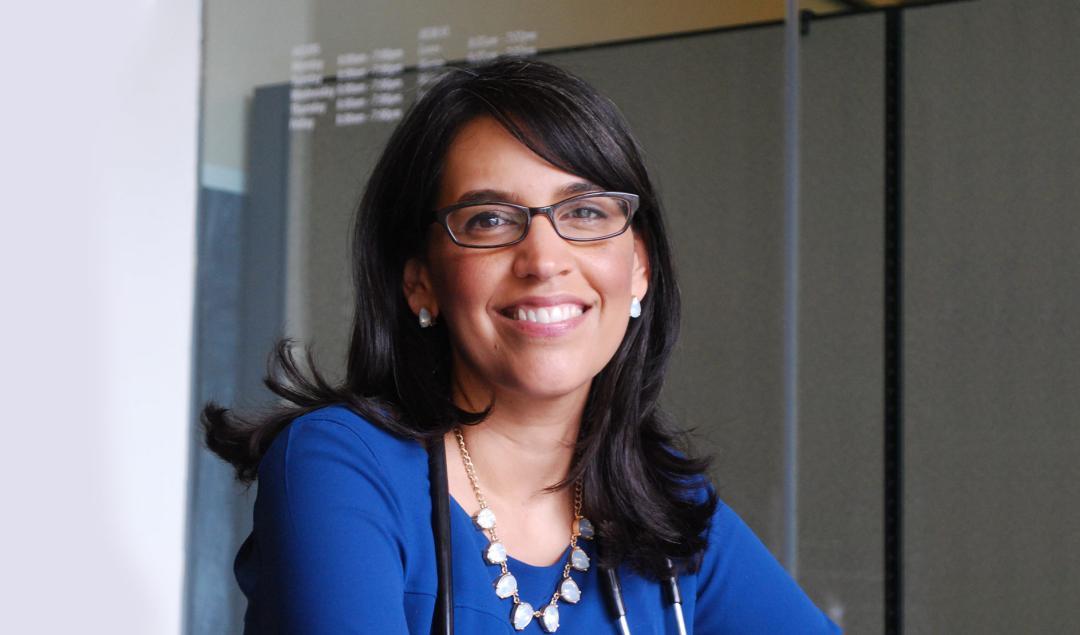
Dr. Eva Galvez

Dr. Eva Galvez

Dr. Eva Galvez (Biology ’99), a family physician at the Virginia Garcia Memorial Health Center, was honored with the 2020 Alumni Fellows Award

The daughter of immigrants, Galvez and her twin sister, Olivia, graduated from the College of Science’s biology program and went on to pursue careers in medicine. Galvez regularly speaks on panels to educate the public around health disparities. During the COVID-19 pandemic, Galvez has become a vocal advocate for mitigating health risks for Oregon’s seasonal farm workers and has addressed the Select Subcommittee on the Coronavirus Crisis in the House of Representatives.

"Much of our society has this belief that health is something that we have control over — that if we as individuals can just eat the right food and exercise the right amount and take the right medications you will be healthy. ... The reality is only about 20% of our health is determined by healthcare and our individual choice. And the rest is shaped by social factors, otherwise known as social determinants of health, and those include cultural beliefs and your values.” — Eva Galvez

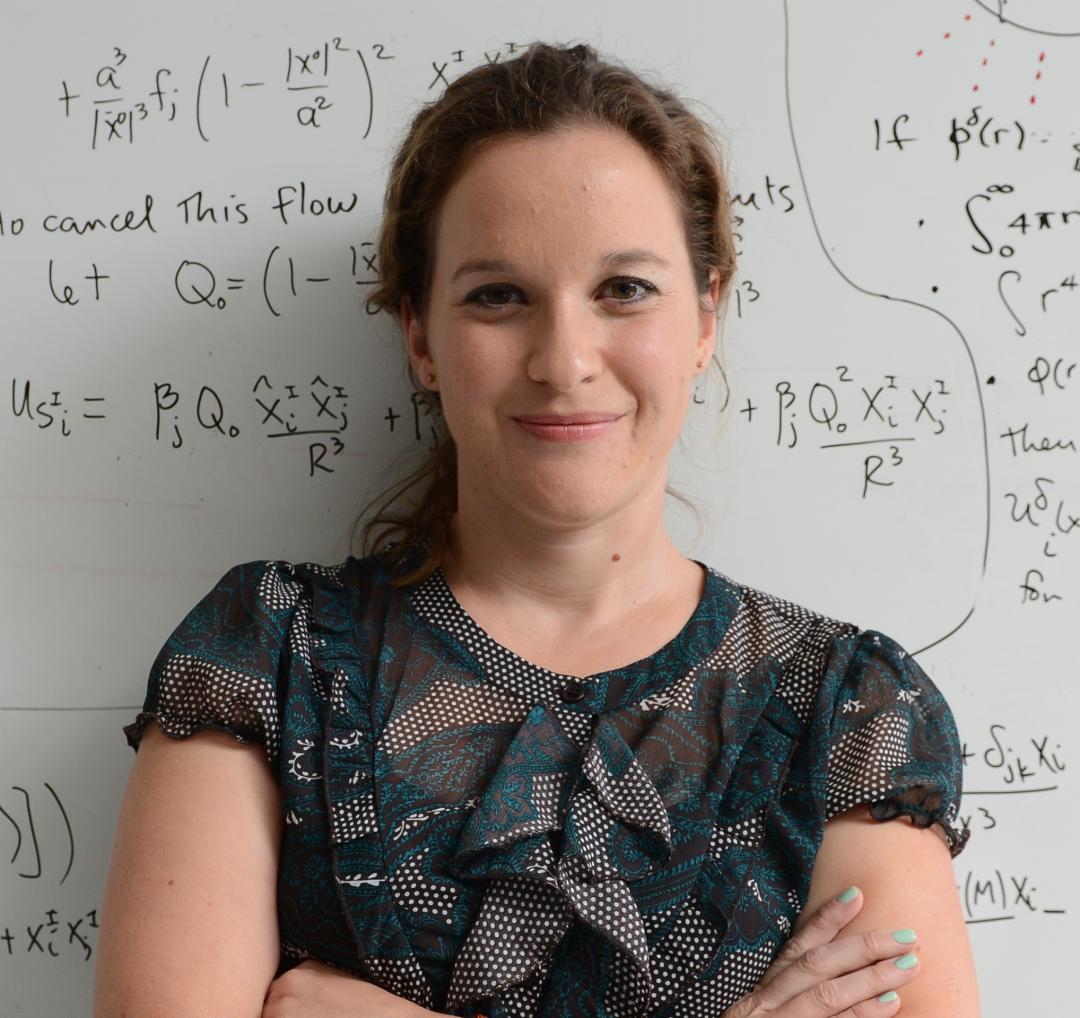
Carrie Manore

Mathematics alumna Carrie Manore

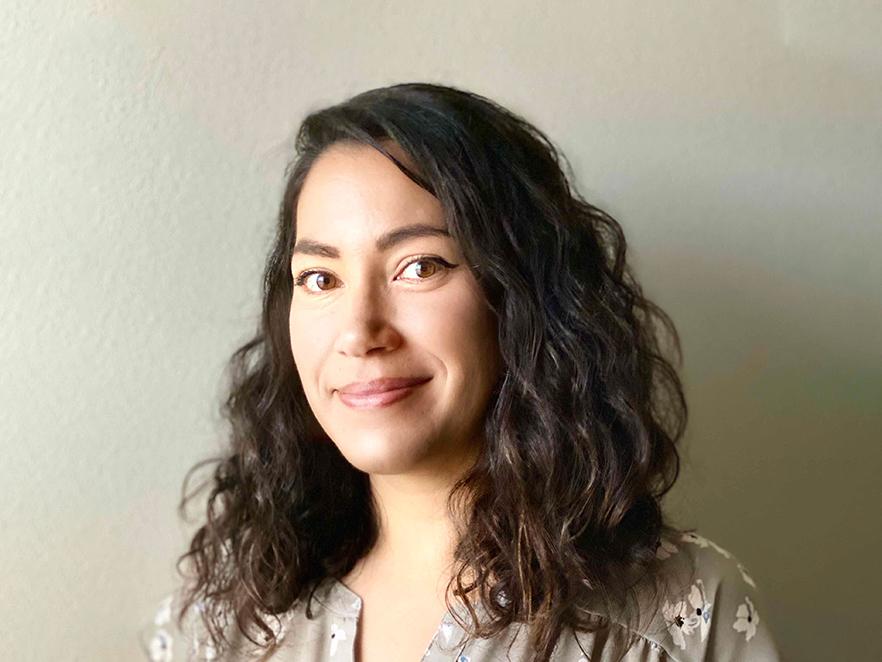
Mathematics alumna Carrie Manore (Ph.D. ’11) is at Los Alamos National Laboratory working as part of the Covid-19 modeling team. Manore is a mathematical epidemiologist in the Information Systems and Modeling Group at LANL since 2013. Her work focuses on modeling mosquito-borne diseases such as Zika, chikungunya, dengue and West Nile virus. The LANL Covid-19 forecasts are part of the modeling New Mexico Department of Health officials have been using since April to prepare for and tackle the Covid-19 outbreak.

The ongoing Covid-19 pandemic has placed mathematical models in the spotlight as they have become central to public health interventions, planning, resource allocation and forecasts. OSU mathematics alumni have made important contributions to Covid-19 modeling and research at both national and regional levels.

"I got a really strong background in math at OSU, which not only helped me acquire mathematical skills, but also a way of thinking. It prepared me to work on real problems in the world like I am doing now.” — Carrie Manore

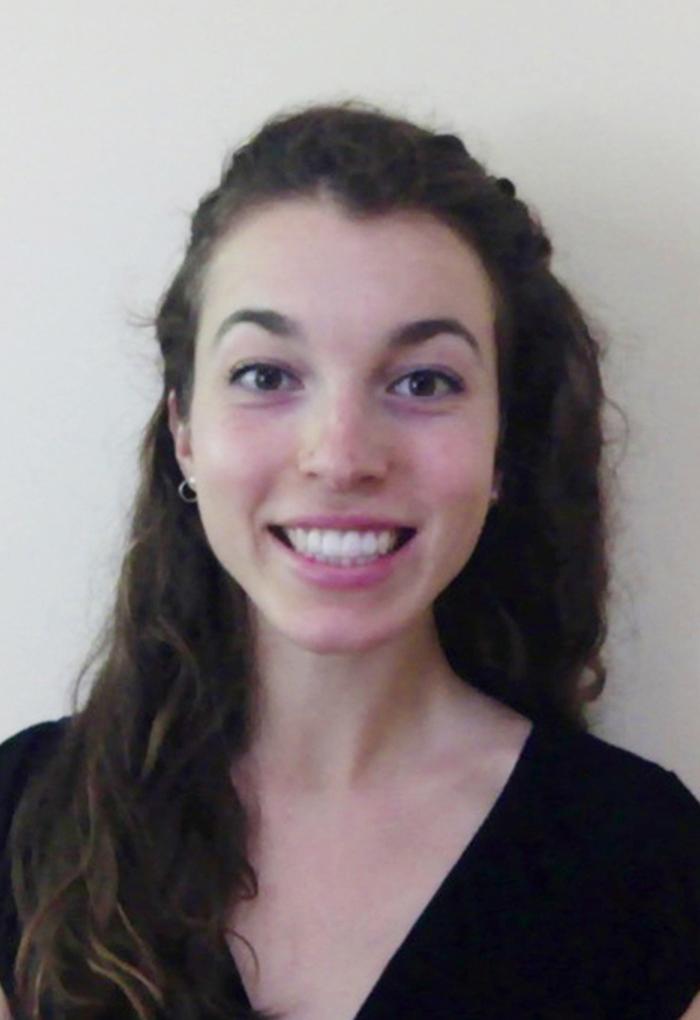
Rachael Aber

Integrative Biology graduate student Rachael Aber

Rachael Aber, Integrative Biology graduate student, has been involved in the TRACE-COVID project that involves door-to-door community surveillance to gather the information that is essential to slowing the spread and minimizing the impact of the disease. She recently spoke at the ARCS Foundation Virtual Event - Science is the Solution about her experiences. She talked about the importance of scientists interacting with the public. Aber received the ARCS Foundation Oregon Chapter Scholar Award.

She was drawn to the Department of Integrative Biology because of its strong tradition of support for interdisciplinary approaches to urgent research questions. She hopes to focus her doctoral research on investigating issues at the intersection of disease ecology and population biology in the lab of Benjamin Dalziel.

“Working in a lab that employs methods from various fields of study will be invaluable to my progress as a science professional.” — Rachael Aber

Elizanette Lopez

Microbiology graduate student Elizanette Lopez

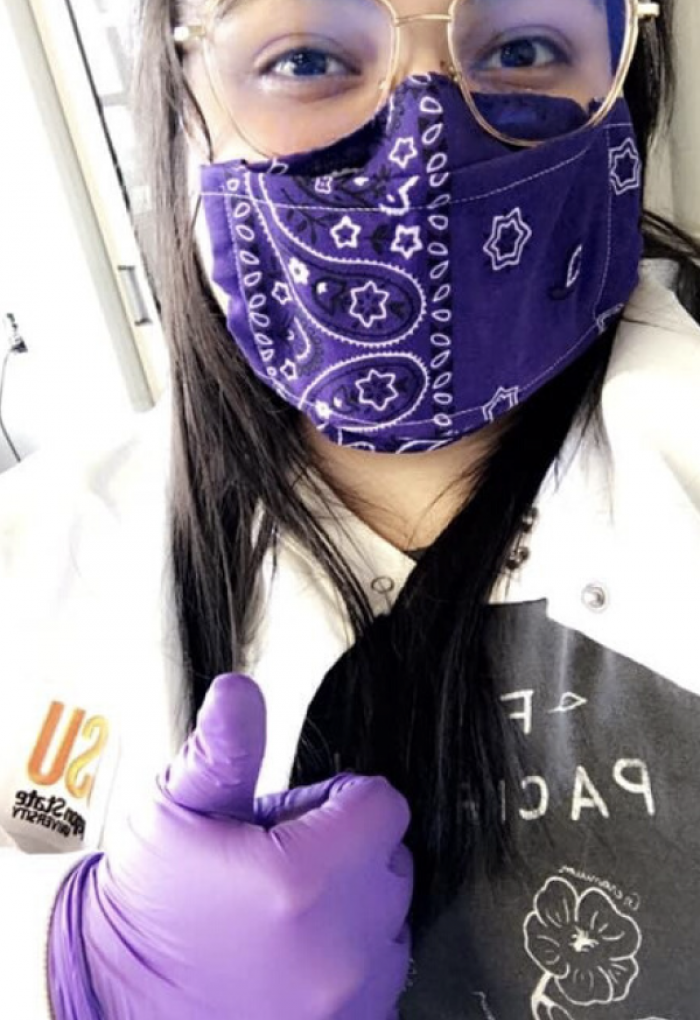
Recent microbiology master’s program graduate Elizanette ‘Nette’ Lopez (Microbiology, M.S. '20) was selected to participate in the Oak Ridge Institute for Science and Education (ORISE) Fellowship program. Lopez was offered a position at the Center for Disease and Control (CDC) Biorepository in Lawrenceville, Georgia.

Her graduate studies were partly funded by a diversity grant from the NIH. During her time at OSU, Lopez advocated for underrepresented minorities and was an active member of the Microbiology Graduate Student Association, Ethnic Minorities United in STEM and a founding member of the Women of Color Caucus. Toward the end of her graduate studies, the COVID-19 pandemic caused widespread disruptions globally. However, the crisis also provided an opportunity for Lopez to gain experience in public health microbiology as a volunteer for the TRACE-COVID-19 project.

As a volunteer, Lopez helped process thousands of swab samples collected from participants in the field. As an ORISE Fellowship recipient, Lopez will soon process SARS-CoV-2 samples and help organize other collections in the biorepository in Atlanta, Georgia.

Katherine McLaughlin

OSU statistician Katherine McLaughlin

Katie McLaughlin is an assistant professor of statistics and co-Principal Investigator of the TRACE-COVID-19 project. McLaughlin is an applied statistician specializing in sampling methodology and social network analysis, particularly for hidden populations at high risk for infectious diseases. The pandemic has led to volumes of data which require statistical interpretation. The data gathered and analyzed by TRACE researchers provide important guidance for local and state officials deciding which public health actions make the most sense in protecting their communities.

“Thanks to all of the support we continue to receive, and thanks to Oregon State’s overarching spirit of collaboration and service, we’re able to play a key role in helping communities stay safe.” — Katie McLaughlin

In addition to the International Day of Women and Girls in Science this month, the International Women’s Day is on March 8, 2021. The UN announced the theme for 2021 is “Women in Leadership: Achieving an equal future in a COVID-19 world”, which is aligned with the priority theme of the 65th session of the Commission on the Status of Women, and calls for the full participation of women, gender equality, elimination of violence against and empowerment for all women and girls. Activities planned around this event will be announced.

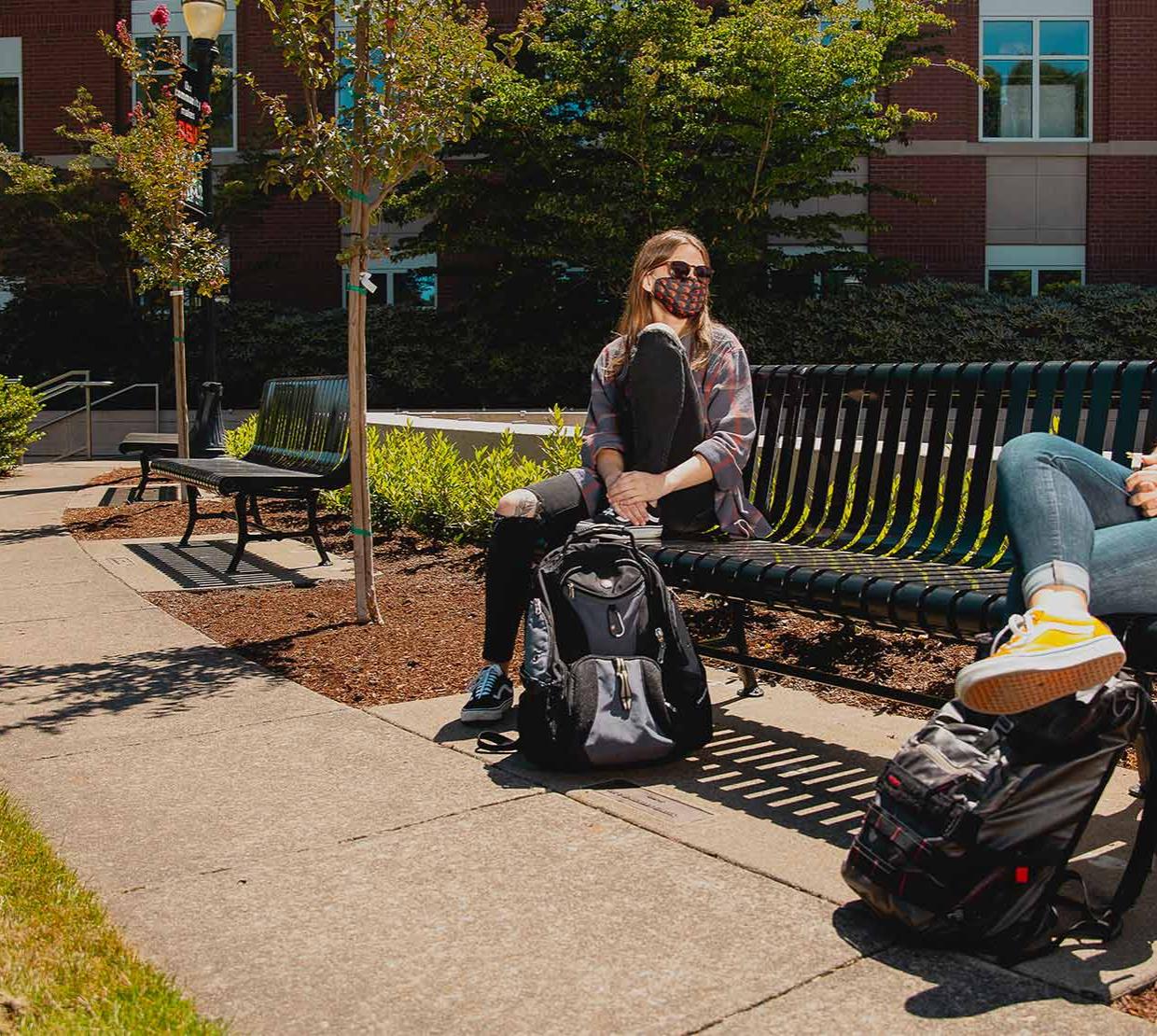
students in masks sit on a bench on OSU's campus

Oregon State University receives $2 million Packard Foundation grant to expand TRACE-COVID-19 nationally

By Steve Lundeberg, OSU News

Oregon State University researchers have received a $2 million grant from the David and Lucile Packard Foundation to create a national TRACE Center that will expand the OSU’s COVID-19 public health project to other states.

The center will harness the power of public health departments, universities and other institutions around the country to help measure the prevalence of the virus that causes COVID-19 by combining community surveillance sampling, wastewater analysis, viral sequence data and mathematical models of SARS-CoV-2 prevalence that OSU TRACE researchers have developed.

“In most communities across the country, it is still very hard to get reliable estimates of how many people are actually infected,” said TRACE leader Ben Dalziel, a population biologist in the OSU College of Science. “The TRACE Center will support a network of university-community partnerships that monitor local prevalence and develop new approaches for community-based COVID monitoring. We are extremely grateful to the Packard Foundation for helping us expand this work to other institutions and communities.”

Chad English, Science program officer for the Packard Foundation, said OSU’s TRACE work is different than most coronavirus testing strategies that rely on “trailing indicators” and provide more information about past infections than who is currently infected.

“The TRACE study and its approach to tracking the prevalence and spread of the coronavirus have proven invaluable to communities in Oregon," said English. “With the data and other insights that TRACE provides, public health leaders now have a powerful tool in their hands to better assess the threat of the virus and make decisions in the best interest of their community.

“We at the Packard Foundation are thrilled to support the expansion of this effort to other states and universities around the country.”

Dalziel said more than 100 research universities across the nation have the capacity to help scale up the TRACE project.

“Many universities have untapped capacity to help their states tackle the coronavirus,” he said. “The TRACE team at Oregon State University is looking for universities and public health departments interested in adapting the TRACE model to their states and their communities.”

Anyone interested in partnering on the TRACE project is encouraged to reach out to the TRACE Coordinating Center at center@trace.oregonstate.edu.

Team-based Rapid Assessment of Community-Level Coronavirus Epidemics, or TRACE-COVID-19, was launched by OSU in April with door-to-door sampling in Corvallis, home to Oregon State’s main campus, and expanded to other cities around the state while also adding a wastewater testing component.

In late September, at the start of the academic year, TRACE also started conducting prevalence testing among OSU students, faculty and staff in Corvallis, at OSU-Cascades in Bend and at the Hatfield Marine Science Center in Newport, along with wastewater analysis of effluent from university buildings for COVID-19 viral markers.

“It’s been fantastic to merge sewer surveillance of the virus with the sampling and modeling going on in TRACE,” said project co-leader Tyler Radniecki of the College of Engineering. “Now we have the ability to extend our impact well beyond Oregon’s borders, and that’s a huge opportunity and honor.”

The TRACE project began as a collaboration of five OSU colleges – Science, Agricultural Sciences, the Carlson College of Veterinary Medicine, Engineering, and Public Health and Human Sciences – plus the OSU Center for Genome Research and Biocomputing. The project has functioned in partnership with county health departments around Oregon.

“Oregon State faculty, staff and students have really come together and mobilized to take on the hard work necessary to understand and combat this pandemic,” said OSU epidemiologist Jeff Bethel, also a project co-leader. “And of course we can’t take on this kind of challenge without the kind of support we’re receiving from the Packard Foundation and our other funders.”

PacificSource Health Plans and the Oregon Health Authority have also supported the TRACE project, whose diagnostic testing component operates through a partnership between the Oregon Veterinary Diagnostic Laboratory, which is located at OSU, and Willamette Valley Toxicology.

“One of the most exciting things about this project is that it shows how a land grant university can fulfill its potential to serve communities statewide – and nationally,” said Justin Sanders, a molecular pathologist at the Carlson College of Veterinary Medicine who is overseeing testing operations at the OVDL and is a member of the TRACE leadership team. “This project brings together experts from a broad range of fields motivated to quickly fill a critical public health need, and now we get the chance to take that to the national level.”

The national partnerships and collaborations afforded by the grant from the Packard Foundation, which comes on top of the $1.15 million it contributed to help launch the project, are critical in responding to a disease as widespread and deadly as COVID-19, said Javier Nieto, dean of OSU’s College of Public Health and Human Sciences.

“This pandemic requires all of us to do everything we can to mitigate the spread and damage of COVID-19,” said Nieto, a TRACE co-leader as well as a physician and epidemiologist. “If ever a situation demanded that we pool our resources, both at OSU and around the globe, this is it.”

The data gathered and analyzed by TRACE researchers provide important guidance for local and state officials deciding which public health actions make the most sense in protecting their communities, said Katie McLaughlin, an applied statistician in OSU’s colleges of Science and Agricultural Sciences and another TRACE co-leader.

“Among its other effects, COVID-19 is generating volumes of data that need statistical interpretation so our leaders can use the information for maximum benefit,” McLaughlin said. “Thanks to all of the support we continue to receive, and thanks to Oregon State’s overarching spirit of collaboration and service, we’re able to play a key role in helping communities stay safe.”

TRACE has tested traditionally underserved and racially diverse populations, Dalziel noted, adding that outreach materials and messaging have been made available in a variety of languages.

“We want to engage communities to get folks tested who might not otherwise be getting tested and as rapidly as possible,” Dalziel said. “We seek to have our samples be truly representative of the whole community, not just a portion of the community. In partnering with communities to monitor prevalence rapidly, we are achieving something that hasn’t been done very many other places during this pandemic. We hope the value of this approach appeals to others as well.”
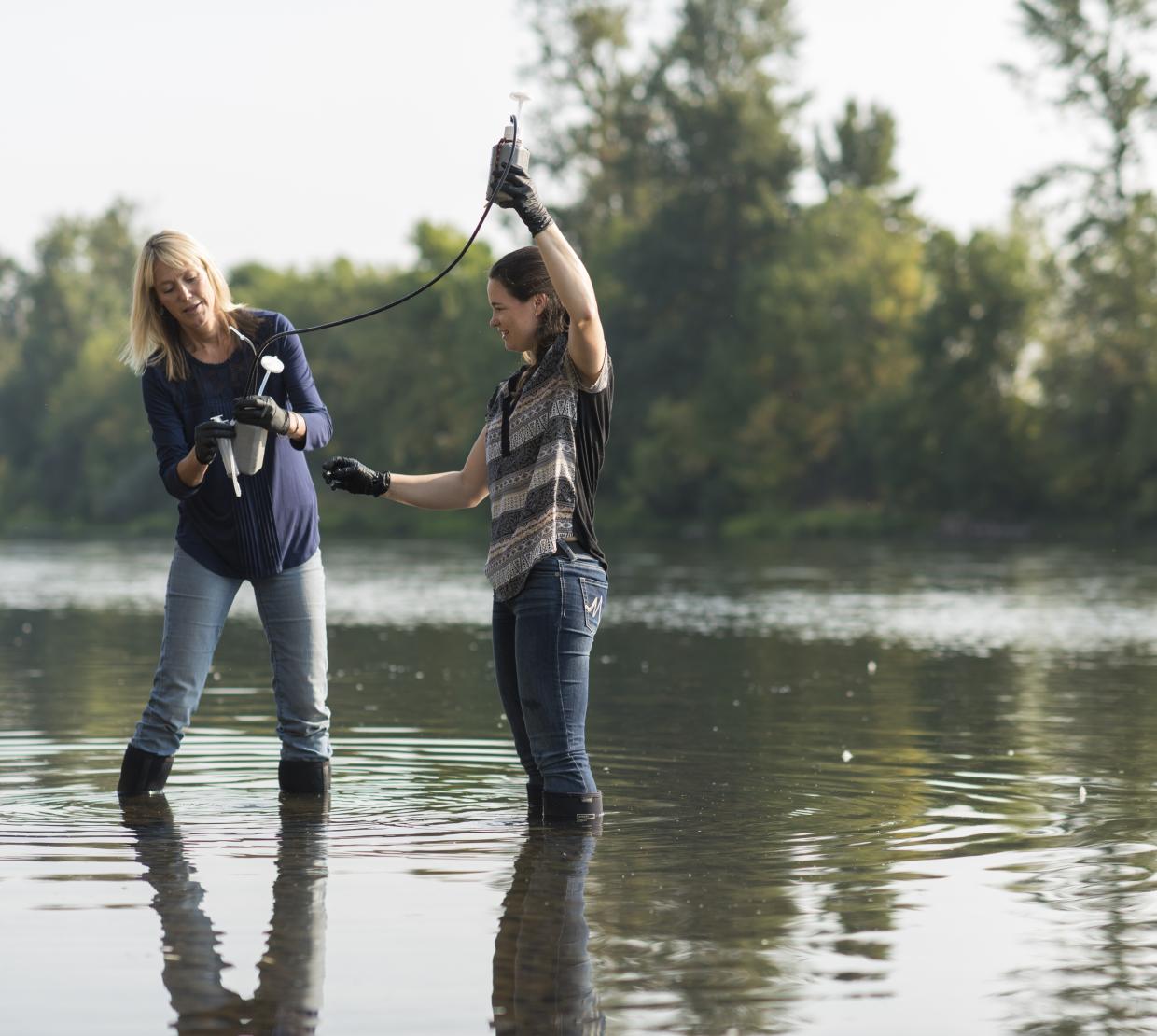
Kim Halsey with graduate student taking samples from a river

New grants to advance science that benefits humankind

By Cari Longman

Photo by Hannah O'Leary

Microbiologist Kim Halsey (left) and postdoc Cleo Davie-Martin collect samples from a river. Halsey is one of four faculty members who received College of Science Research and Innovation Seed (SciRIS-ii) awards. She will study the potential to detect toxic algae blooms in freshwater and marine ecosystems.

How can we better understand how devastating plant diseases are spread? Is there a better statistical model to predict HIV prevalence in a city? Is there a way we can detect toxic algae blooms in freshwater and marine ecosystems before they occur? And of the hundreds of thousands of different metal-organic frameworks (MOFs) in the world, how can we can better find the ones that are most useful for storing and separating gases, like CO2 from industrial plants?

Curiosity is critical for discovery. Asking the questions above led five faculty members to receive College of Science Research and Innovation Seed (SciRIS-ii) and Betty Wang Discovery Fund awards this February to pursue answers over the course of the next year. Their proposals all showed transformative potential and progress toward new frontiers of science and aimed to strengthen collaboration with external research partners. Below is more detail about each of their proposals.

Mathematics Professor Vrushali Bokil was awarded $8,000 to use modeling techniques to understand the spread and control of plant diseases caused by coinfecting viruses. She will focus on Maize Lethal Necrosis (MLN), an emerging disease in Kenya and other parts of Africa that is caused by coinfecting viruses and spread by insects called Thrips, as a test case. Her team’s goals are to use stochastic models and optimal control theory to understand the mechanisms that drive patterns of coinfection in plant populations and effective techniques for controlling the spread of disease in crops and natural grasslands.

In collaboration with the Centers for Disease Control and Prevention (CDC), Statistics Assistant Professor Katherine McLaughlin received $10,000 to explore the use of new statistical methodologies to estimate the number of people who inject drugs in metropolitan areas. The research project, supported by the privately-funded Disease Mechanism & Prevention Fund at the OSU Foundation, has a goal of refining current methods to produce improved population-level demographic, behavioral, disease prevalence and population size estimations. This will aid the CDC in their efforts to contain or slow the rate of HIV in metropolitan areas across the U.S.

Microbiologist Kimberly Halsey was awarded $10,000 to examine the potential for real-time, automated volatile organic compound (VOC) detection as early-warning signals of toxic harmful algal blooms (HABs) in freshwater and marine ecosystems. HABs are increasing in intensity and severity due to climate change and nutrient loading from agriculture and other human-related activities. Some HABs can become toxic to humans and animals. Halsey will use data integration to merge aquatic microbiome data with environmental properties and VOC signatures to identify determinants and trajectory of the annual toxic HAB at Upper Klamath Lake, Oregon.

Physicist David Roundy was also awarded $10,000 to develop new flat histogram Monte Carlo molecular simulation methods to accelerate the discovery of metal-organic frameworks (MOFs) for applications in storing and separating gases. MOFs are crystalline materials that harbor nano-sized pores that have the potential to be used in a variety of clean energy applications, from hydrogen and natural gas storage to capturing carbon dioxide from coal-fired power plant flues. His study aims to enable scientists to accurately predict the absorption properties of hundreds of thousands of MOFs and accelerate the rate of MOF discovery for clean energy applications.

In addition, chemistry professors Kyriakos Stylianou and May Nyman, along with Todd Miller from the Advanced Technology and Manufacturing Institute (ATAMI), received $30,000 from the Betty Wang Discovery Fund to purchase a microwave reactor to integrate on the continuous flow reactor to accelerate the discovery and production of inorganic materials like MOFs. The Betty Wang Discovery Fund supports equipment acquisitions and laboratory infrastructure improvements to advance fundamental discoveries in science. Microwave heating has recently emerged as a powerful method for the preparation of inorganic materials at the laboratory scale, reducing synthesis time down to a few minutes without affecting the product quality or reaction yield. The new machinery will allow the team to investigate the potential of new MOFs to capture carbon in laboratory and industrial applications.

The projects will run for one year, ending next February 2021.The SciRIS program provides funding in three stages for high impact collaborative proposals that build teams, pursue fundamental discoveries and create societal impact. The awards range from $10,000 to $125,000 for various stages of the program and are supported in part by generous alumni and friends, and grants from the U.S. Department of Defense and National Institutes of Health.

Subscribe to College of Science